As an Amazon Associate, we earn from qualifying purchases. Some links on this site are affiliate links at no extra cost to you. Our recommendations are based on thorough research and editorial judgment.


10 Best Bonsai Guides for Mastering the Art of Miniature Trees

To master bonsai, start with guides like “The Little Book of Bonsai” for easy care tips and “The Complete Book of Bonsai” for in-depth techniques. “The Ultimate Bonsai Handbook” is perfect for beginners looking to grow their skills. Additionally, consider “Bonsai Made Easy” for straightforward instructions. Each book offers unique insights, techniques, and visuals to boost your understanding. You’ll learn the essential steps for nurturing miniature trees and gain confidence in your gardening journey. Keep exploring for more valuable advice!
Key Takeaways
- Comprehensive resources like “The Complete Book of Bonsai” offer in-depth techniques for both beginners and experienced practitioners to master bonsai care.
- Visual guides such as “The Ultimate Bonsai Handbook” feature over 1,000 photos, making complex techniques easier to understand for learners.
- Beginner-friendly options, including “The Little Book of Bonsai,” provide clear, concise instructions on essential techniques like pruning and watering.
- Specialized guides, like “Bonsai Essential Guide for Women,” encourage personal expression and creativity in designing unique bonsai styles.
- Essential maintenance tips from various guides address common challenges related to pests, diseases, and overall tree health for successful bonsai cultivation.
The Little Book of Bonsai: An Easy Guide to Caring for Your Bonsai Tree


If you’re just starting your bonsai journey, “The Little Book of Bonsai” is the perfect guide for you. Written by Jonas Dupuich, it offers essential care techniques for both indoor and outdoor bonsai. You’ll learn how to water, prune, wire, and repot your tree effectively. This guide also dives into pest control and fertilizing, which keeps your bonsai healthy. Dupuich helps you pick the right species and display it beautifully. The colorful photos and clear instructions make each step easy to follow. So, grab this book and let it lead you through the fascinating world of bonsai!
Best For: Beginners looking to learn the basics of bonsai care in a straightforward and visually engaging way.
Pros:
- Comprehensive: Covers essential techniques such as watering, pruning, and pest control.
- Visual Appeal: Stylish full-color design with inspiring photographs and step-by-step images.
- Wide Range: Includes guidance for both indoor and outdoor bonsai care.
Cons:
- Limited Depth: May not provide in-depth information for advanced bonsai practitioners.
- Basic Focus: Primarily targets beginners, which might not meet the needs of experienced enthusiasts.
- Niche Interest: Bonsai care may not appeal to everyone, limiting its audience.
The Complete Book of Bonsai: A Practical Guide to Its Art and Cultivation
Sale


The Complete Book of Bonsai: A Practical Guide to Its Art and Cultivation
- Used Book in Good Condition
The Complete Book of Bonsai: A Practical Guide to Its Art and Cultivation is your go-to resource whether you’re a curious beginner or an experienced enthusiast. This thorough guide covers everything from the history and principles of bonsai to detailed descriptions of classic styles. You’ll learn how to create bonsai from seedlings or cuttings, following easy step-by-step instructions. The book also highlights essential maintenance strategies that keep your mini trees thriving. With a stunning photographic catalogue showcasing over 100 species, you’ll find the perfect tree for your collection. Immerse yourself in the rich world of bonsai and start your journey today!
Best For: This book is best for anyone interested in learning about the art and cultivation of bonsai, from beginners to seasoned enthusiasts.
Pros:
- Comprehensive Guide: Covers the history, principles, styles, and techniques of bonsai in detail.
- Step-by-Step Instructions: Provides clear, easy-to-follow steps for creating bonsai from different types of plant material.
- Rich Visuals: Features over 100 species with stunning photographs, enhancing understanding and appreciation of the craft.
Cons:
- Complexity for Beginners: Some concepts may be overwhelming for absolute beginners without prior gardening experience.
- Limited to Certain Species: Focuses mainly on species suitable for bonsai, which may not appeal to those interested in a wider variety of plants.
- Requires Patience: Cultivating bonsai can be a long-term commitment, which may deter those seeking quicker results in gardening.
The Ultimate Bonsai Handbook: The Complete Guide for Beginners

For anyone enthusiastic to plunge into the world of bonsai, “The Ultimate Bonsai Handbook” stands out as the perfect starting point. Authored by a leading Japanese expert, this guide offers over 1,000 photos that illustrate each step for 70 types of bonsai. You’ll explore various varieties, including pines, maples, and fruit-bearing trees, with tips on selecting the right one. The handbook covers essential care techniques like watering, pruning, and fertilizing. Plus, it details tools and materials you’ll need. With clear directions and a focus on learning by imitation, you’ll quickly become confident in your bonsai gardening journey.
Best For: Beginners looking to understand and cultivate bonsai trees with comprehensive guidance from a leading expert.
Pros:
- Extensive Visual Guidance: Over 1,000 photos illustrating each step for effective learning.
- Variety of Options: Detailed information on 70 types of bonsai, helping users choose the right one for their environment.
- Comprehensive Coverage: Includes essential care techniques and necessary tools, making it a complete resource for novices.
Cons:
- Complexity for Total Newbies: Some beginners may find the extensive detail overwhelming at first.
- Limited Advanced Techniques: The focus on beginners means advanced techniques may not be covered in depth.
- Dependency on Visual Learning: Readers who prefer text-based instructions may not benefit as much from the photo-heavy approach.
Bonsai (101 Essential Tips)
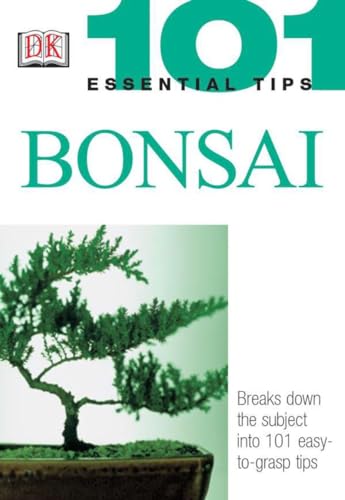
Bonsai cultivation opens an exciting door for gardening enthusiasts wanting to create beautiful miniature landscapes right at home. To get started, choose a suitable species like a Japanese red maple or Scots pine. Maintain a consistent watering routine; healthy roots are key. Focus on shape and balance; use wiring techniques to guide growth. Select appropriate containers that support drainage while enhancing your design. Explore various styles like Saikei for unique arrangements. Remember, developing your skills takes time. Don’t rush the process. Embrace each stage of your bonsai journey, and you’ll cultivate not just trees, but confidence in this ancient art.
Best For: Bonsai cultivation is best for gardening enthusiasts who want to engage in a rewarding and artistic hobby that allows them to create unique miniature landscapes.
Pros:
- Encourages creativity through various design styles and arrangements.
- Promotes mindfulness and patience as practitioners nurture their plants over time.
- Teaches valuable skills in gardening, plant care, and design principles.
Cons:
- Can be time-consuming, requiring regular maintenance and care.
- May require specific knowledge about species and care techniques to be successful.
- Initial costs for tools and containers can be higher for beginners.
Bonsai Essential Guide for Women
Are you ready to immerse yourself in the serene world of bonsai? This essential guide empowers women to transform ordinary plants into stunning living art. With practical tips on pruning, watering, and styling, you’ll nurture your trees with confidence. Discover routines that keep your bonsai vibrant and healthy while minimizing mistakes. Connect with your creativity to infuse personal style into each masterpiece, blending elegance and strength. Take part in sensory gardening rituals that offer calm and mindfulness, enhancing both your bonsai skills and inner peace. Plunge into, and enjoy the journey of shaping trees that truly reflect your unique vision.
Best For: Women seeking to cultivate their bonsai skills and transform plants into elegant living art pieces.
Pros:
- Provides clear, step-by-step instructions that make bonsai care accessible to beginners.
- Encourages creativity and empowers women to infuse personal style into their bonsai designs.
- Focuses on mindfulness and calming routines, enhancing both gardening skills and inner peace.
Cons:
- May not offer advanced techniques for experienced bonsai practitioners looking for more complex guidance.
- Primarily targeted at women, potentially limiting appeal to a broader audience.
- Requires commitment and patience, which some beginners may find challenging initially.
The Little Book of Bonsai: An Easy Guide to Caring for Your Bonsai Tree
If you’re new to bonsai or looking to refine your skills, “The Little Book of Bonsai” is a fantastic resource that’s tailored just for you. Authored by Jonas Dupuich, this easy guide breaks down bonsai care into manageable sections. You’ll learn essential techniques, like watering, pruning, and repotting, which are crucial for healthy trees. Dupuich covers indoor and outdoor species, ensuring you understand their unique needs. Plus, the book offers tips on selecting the right containers and displaying your bonsai artfully. With its colorful photos and step-by-step images, you’ll find inspiration while mastering this ancient art.
Best For: Beginners looking to learn the basics of bonsai care and enthusiasts wanting to refine their skills.
Pros:
- Clear and effective guidance on essential bonsai care techniques.
- Includes tips for both indoor and outdoor bonsai species.
- Visually appealing layout with colorful photos and step-by-step images.
Cons:
- May not cover advanced techniques for seasoned bonsai practitioners.
- Limited information on rare or less common bonsai species.
- Some readers may prefer more in-depth content on bonsai history and philosophy.
The Bonsai Beginner’s Bible

For those enthusiastic to plunge into the fascinating world of bonsai, “The Bonsai Beginner’s Bible” stands out as an indispensable guide. This book introduces you to bonsai—an art form rooted in Japan and China that’s gaining global popularity. You’ll learn crucial cultivation techniques like watering, feeding, and shaping with wires to nurture your miniature trees. It addresses common issues, helping you troubleshoot ailments to keep your bonsai healthy. You’ll also discover the importance of choosing the right container, considering factors such as size and aesthetics. With over 180 species featured, the book guides your selection with beautiful photographs.
Best For: Beginners and enthusiasts looking to explore the art of bonsai with a comprehensive and practical guide.
Pros:
- Provides essential cultivation techniques for nurturing healthy bonsai trees.
- Includes a directory of over 180 popular bonsai species with illustrative photographs for easy selection.
- Addresses common issues and offers solutions to maintain tree vitality.
Cons:
- May be overwhelming for complete novices due to the wide range of information.
- The extensive species directory might make it difficult for beginners to choose their first bonsai.
- Some readers may require additional resources or personal guidance beyond the book for hands-on experience.
Complete Starter Guide to Bonsai: Growing from Seed or Seedling

Bonsai guides are perfect for anyone enthusiastic to start their bonsai journey, especially beginners looking to grow their own miniature trees. To begin, select suitable seeds or seedlings, like juniper or ficus. You’ll need pots, soil, and basic tools. Plant your seeds or seedlings in well-draining soil and guarantee they receive adequate sunlight. Water them regularly, allowing the soil to dry slightly between watering. To shape your bonsai, practice techniques like pruning, pinching, and even wiring branches. Finally, stay vigilant for common pests, using preventative measures to keep your bonsai healthy. Enjoy the rewarding process of cultivating your miniature masterpiece!
Best For: Beginners looking to cultivate their own bonsai trees and enhance their gardening skills.
Pros:
- Comprehensive Guidance: Detailed step-by-step instructions on starting bonsai from seeds or seedlings.
- Creative Outlet: Encourages creativity and mindfulness through the art of bonsai cultivation.
- Diverse Species Options: Offers insights into various bonsai species suitable for different spaces and environments.
Cons:
- Initial Learning Curve: Requires time and patience to master pruning and shaping techniques.
- Pest Management Needs: Regular vigilance against pests and diseases is necessary to maintain bonsai health.
- Space Requirements: Some bonsai species may require more space and light than available in smaller homes.
Bonsai Made Easy: A Beginner’s Guide to Growing Traditional Bonsai Trees
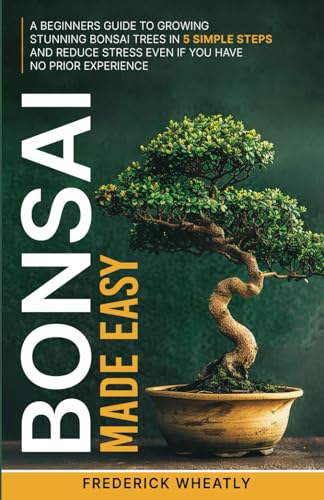
Cultivating bonsai trees offers a unique opportunity to connect with nature while honing your gardening skills. “Bonsai Made Easy” outlines a beginner-friendly five-step guide, perfect for those new to gardening. Start by understanding essential care techniques, mastering both watering and pruning methods to keep your trees healthy. Be mindful of common pests and signs of distress, as tackling these issues quickly guarantees longevity. Equip yourself with basic tools for maintenance, and explore the rich cultural history of bonsai for added inspiration. Your journey into bonsai can be fulfilling, offering stress relief and a deeper bond with nature along the way.
Best For: Individuals seeking a deeper connection with nature and those new to gardening looking for a stress-relieving hobby.
Pros:
- Beginner-friendly: The five-step guide simplifies the process for novices.
- Stress relief: Engaging in bonsai gardening can reduce stress and promote relaxation.
- Cultural insight: Readers gain an understanding of the rich history and significance of bonsai.
Cons:
- Time-consuming: Growing bonsai requires patience and a commitment to regular care.
- Initial investment: Purchasing tools and materials for bonsai gardening can be costly.
- Learning curve: Beginners may initially struggle with techniques like pruning and watering.
Bonsai Basics: Step-by-Step Guide to Transforming Miniature Trees
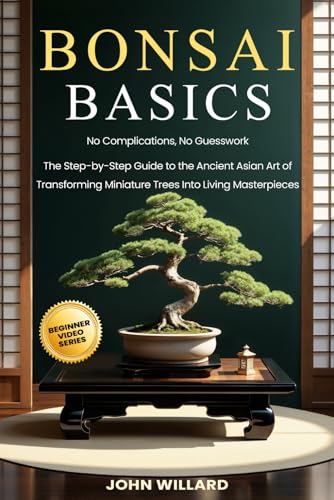
If you’ve ever wanted to create a peaceful oasis at home, this guide is perfect for you. “Bonsai Basics” simplifies the art of bonsai with clear, step-by-step instructions. Start by selecting the right tree; beginners should pick resilient species. Next, learn essential pruning, wiring, and shaping techniques. The guide introduces the L.I.V.E. Framework, helping you connect with your bonsai on a deeper level. Don’t forget about proper soil, light, and watering tips. Use the downloadable Bonus Sheets and exclusive video tutorials to enhance your skills. This guide fosters mindfulness, making your bonsai journey both calming and transformative.
Best For: Beginners who want to learn the art of bonsai and create a calming home environment.
Pros:
- Clear, step-by-step instructions make it accessible for novices.
- Includes video tutorials and downloadable resources for enhanced learning.
- Integrates mindfulness practices, promoting personal growth alongside bonsai artistry.
Cons:
- May not cater to advanced bonsai practitioners seeking in-depth techniques.
- Some readers might prefer a more extensive focus on specific species of trees.
- Requires commitment and patience, which might be challenging for those looking for quick results.
Factors to Consider When Choosing a Bonsai Guide

When you’re choosing a bonsai guide, think about the author’s expertise and background. You’ll want to find a book that matches your experience level, whether you’re a beginner or more advanced. Look for guides that offer detailed care techniques, good visual aids, and clear species selection advice to help you succeed with your bonsai journey.
Author Expertise and Background
Choosing the right bonsai guide can feel overwhelming, but focusing on the author’s expertise can simplify the process. Start by looking for authors with a solid background in horticulture or botany. Their knowledge guarantees reliable information. Authors who’ve published reputable content often have a proven track record in bonsai care. Consider their experience with various bonsai species and styles, which can deepen your understanding of the art.
Engagement with the bonsai community is another key factor; it shows the author’s commitment to sharing current practices. Finally, make certain the author presents information in an approachable way. This is especially important for beginners, as clear instructions will help you learn and grow your skills confidently.
Target Audience Specificity
Considering your level of experience and specific interests is crucial when selecting a bonsai guide. Different guides cater to various audiences. If you’re a complete beginner, look for books that focus on foundational skills. For example, “The Ultimate Bonsai Handbook” teaches through observation, perfect for visual learners. If you’re more experienced, seek guides that explore artistic styles or advanced techniques. Lifestyle factors are also important. Some guides focus on indoor bonsai care for urban dwellers, while others emphasize outdoor cultivation for gardeners. If you’re a woman, consider publications that include empowerment themes alongside care instructions, creating a supportive environment. Choose a guide that genuinely speaks to your interests to enhance your bonsai journey.
Care Techniques Information Depth
A good bonsai guide gives you the care techniques needed for nurturing your tree successfully. Look for guides that detail essential practices like watering, pruning, wiring, repotting, and fertilizing. This information guarantees your bonsai flourishes. It’s helpful if the guide includes step-by-step instructions, especially for beginners. That way, you won’t feel overwhelmed while learning. Confirm the guide covers both indoor and outdoor bonsai, addressing their unique needs, such as light and humidity levels. Additionally, an all-encompassing guide should discuss common pests and diseases, offering preventative tips and remedies specifically for bonsai health. With these care techniques, you’ll confidently grow and maintain your miniature tree, achieving the beautiful results you desire.
Visual Aids and Illustrations
When diving into bonsai care, picking a guide with strong visual aids can really make a difference. Look for guides that feature full-color photographs and step-by-step images; these enhance your understanding of various techniques and styles. Clear illustrations can show you exactly how to prune or wire your bonsai, which are essential skills. Also, choose guides that display different bonsai species; this helps you appreciate their unique characteristics. High-quality images not only inspire but also paint a picture of what your bonsai can look like. Engaging visuals can motivate you to experiment with designs and personalize your trees. In short, solid visual aids will make your bonsai journey more enjoyable and fruitful.
Species Selection Guidance
How do you choose the right bonsai species for your needs? First, consider your local climate, as some species thrive in specific temperature and humidity. If you’re a beginner, opt for hardy varieties like junipers or ficus that are easier to manage. Advanced enthusiasts might explore delicate species that require more skill. Next, look at the growth habits of each species; verify they fit your available space. Think about your aesthetic preferences too—do you prefer flowering, fruit-bearing, or evergreen bonsai? Finally, research their specific care requirements, like how often to water and how much sunlight they need, so your chosen species can thrive in your home. Happy bonsai gardening!
Maintenance and Propagation Tips
After selecting the right bonsai species, understanding maintenance and propagation becomes essential for your success. Regularly check your bonsai’s moisture, watering daily, and adjusting your schedule seasonally to avoid root rot or dehydration. Pruning shapes your tree and keeps it healthy; learn the specific techniques based on your bonsai species. For propagation, consider seeds, cuttings, or air layering—each technique requires special care. Fertilize monthly during the growing season with a balanced mix to promote growth. Pay close attention to your soil composition for the best results. Finally, stay vigilant for pests and diseases; guarantee proper air circulation and misting to keep your bonsai thriving and avoid costly mistakes. Happy growing!
Unique Features and Approaches
Choosing the right bonsai guide can set you up for success in your bonsai journey. First, consider your skill level. Some guides cater to absolute beginners, while others delve into advanced techniques for seasoned practitioners. Look for resources that include visual aids, like photographs and videos, to better comprehend the techniques being discussed. It’s also helpful to choose guides that explore the cultural and historical significance of bonsai, as they deepen your appreciation for the art. Pay attention to how the content is organized; some focus on seasonal care, while others target specific species or styles. Finally, consider guides that incorporate mindfulness and Zen philosophies, enriching your personal growth and connection with nature.
Frequently Asked Questions
Can Bonsai Trees Survive in Extreme Weather Conditions?
Bonsai trees can survive in extreme weather conditions, but they need special care. For instance, if you’re in a very hot area, place your bonsai in partial shade to prevent burning. In freezing temperatures, bring your bonsai indoors or use protective coverings. Always keep an eye on moisture levels, as extreme conditions can dry them out quickly. With proper attention, your bonsai can thrive despite challenging weather. Enjoy the process!
How Often Should I Repot My Bonsai Tree?
You should repot your bonsai tree every two to five years, depending on its growth. Imagine a plant growing too big for its pot, like a kid outgrowing shoes. To check, gently lift the tree; if roots are visible at the drainage holes or circling the pot, it’s time to repot. During spring, when the tree’s active growth begins, is the best time to do this, ensuring it thrives in its new home.
What Type of Soil Is Best for Bonsai Growth?
The best soil for bonsai growth is a well-draining mix that retains moisture without becoming soggy. A common blend includes akadama, pumice, and lava rock, which promotes healthy root development. You can also use a pre-made bonsai soil mix for convenience. Remember, different species may have specific needs, so do some research on your particular bonsai tree. Regularly check the moisture level to keep your tree thriving and happy!
How Do I Prevent Pests and Diseases in Bonsai?
To prevent pests and diseases in your bonsai, start by keeping the plants clean. Wipe the leaves regularly with a damp cloth. Check for pests like aphids and spider mites—remove them with insecticidal soap. Use a balanced fertilizer to promote healthy growth, which can increase disease resistance. Guarantee proper watering and adequate airflow around your bonsai. Regularly inspect for signs of trouble, and don’t hesitate to act quickly if you spot any issues.
Is It Possible to Create Bonsai From Fruit Trees?
Yes, you can create bonsai from fruit trees! Start with varieties like apple, cherry, or fig. Choose a young tree; this gives you flexibility in shaping. Use a sharp, clean tool for pruning branches and roots. Aim for a balanced design, with a strong focal point. Be sure to repot every few years to maintain health. With patience and care, your fruit bonsai can flourish while producing beautiful blooms and delicious fruits!


