As an Amazon Associate, we earn from qualifying purchases. Some links on this site are affiliate links at no extra cost to you. Our recommendations are based on thorough research and editorial judgment.

10 Best Bonsai Maintenance Calendars to Keep Your Trees Thriving All Year Round

To keep your bonsai trees thriving, you’ll need a solid maintenance calendar. Consider tools like the Bonsai Care Workbook, which lets you track care for multiple trees. My Bonsai Year helps organize monthly tasks, while the Bonsai Year-Round Care Planner emphasizes seasonal needs. Don’t forget the Bonsai Master Class for expert tips. These resources simplify care with visual aids and clear instructions. Stick around, and you’ll discover more great calendars to elevate your bonsai skills!
Key Takeaways
- Utilize the Bonsai Year-Round Care Planner for monthly species-specific tasks, ensuring timely maintenance for optimal growth throughout the year.
- Track essential care tasks like watering, fertilizing, and pruning in the Bonsai Workbook: Handy Organizer with customizable dot matrix pages.
- Incorporate visual indicators and color-coded symbols in your plan to distinguish seasonal needs for easier implementation of care routines.
- Document details and progress using the My Bonsai Year, which organizes care tasks while accommodating novice and experienced gardeners alike.
- Leverage seasonal planning features to adapt your care routine based on environmental changes, enhancing your bonsai’s resiliency and health.
BONSAI Care Workbook: Bonsai Tracking Book – To take care of your Bonsai

If you’re a bonsai enthusiast looking to take your tree care to the next level, the Bonsai Care Workbook is an essential tool for you. This workbook is designed to help you plan and track care for your bonsai trees effectively. It features 3 reference pages, 3 yearly follow-up pages, and 92 interview sheets for documenting your tree’s care. You’ll record crucial details like botanical names, repotting dates, and specific light and watering needs. By using this workbook, you’ll maintain a clear overview of your bonsai’s progress, ensuring your trees stay healthy and thrive throughout the year.
Best For: Bonsai enthusiasts who want to effectively plan and track the care of their bonsai trees.
Pros:
- Provides a structured format for documenting care details, making it easy to track progress over time.
- Includes dedicated pages for yearly follow-ups, ensuring you stay on top of your bonsai’s needs.
- Offers a comprehensive overview of essential care information, helping to maintain the health of your trees.
Cons:
- Some users may find the printed format less convenient compared to digital tracking options.
- Limited space on interview sheets may require multiple sheets for larger bonsai collections.
- May not include advanced care techniques or specific species guides for unique bonsai types.
Bonsai Workbook: Your handy organizer for bonsai growing and care


The “Bonsai Workbook” stands out as the perfect choice for bonsai artists and enthusiasts aiming to elevate their gardening experience. With dedicated spreads for up to 63 trees, you can efficiently plan and document care. Start by recording key details like species, age, and size on the first page. Use the second page’s dot matrix for notes, sketches, or photos—it’s a fantastic way to visually track your bonsai’s growth. This structured approach helps you stay organized and guarantees you complete yearly tasks like repotting, pruning, and fertilizing. Plus, it makes an excellent gift for fellow bonsai lovers.
Best For: Bonsai artists and enthusiasts looking for an organized way to track and maintain their bonsai trees.
Pros:
- Structured format allows for efficient planning and documentation of care for up to 63 bonsai trees.
- Provides dedicated space for recording key details and visual records of growth through notes and sketches.
- Excellent gift option for fellow bonsai lovers, enhancing their gardening experience.
Cons:
- Limited to a maximum of 63 trees, which may not accommodate larger collections.
- Might not include specific care instructions for different species, requiring additional research.
- Physical format may be less convenient for users who prefer digital tracking options.
My Bonsai Year: Planning the care of your bonsai trees
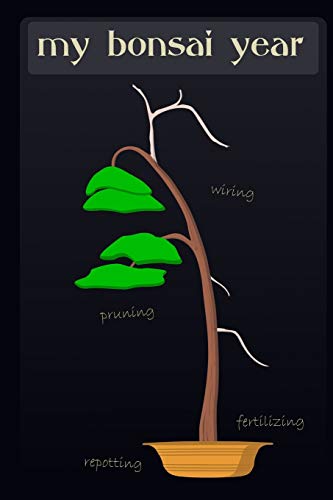
For bonsai artists and enthusiasts looking to elevate their skills, the “Bonsai Maintenance Calendars” offers a practical solution. This journal serves as the perfect tool for organizing the care of each tree. You’ll find dedicated pages for monthly task planning, including columns for pruning, wiring, and repotting. Each page also provides space to record the bonsai’s name, species, and personal notes. As the seasons change, use the overview page to plan general tasks. With space for 60 bonsai trees, you’ll effortlessly stay on top of every detail, ensuring your plants thrive year-round with ease and confidence.
Best For: Bonsai artists and enthusiasts who want to effectively manage and plan the care of multiple bonsai trees throughout the year.
Pros:
- Provides dedicated pages for organizing monthly tasks for each of the 60 bonsai trees.
- Includes sections for important activities like pruning, wiring, and repotting, ensuring thorough care.
- Offers a seasonal overview for planning general tasks, making year-round bonsai care easier.
Cons:
- Limited to tracking only 60 bonsai trees, which may not accommodate larger collections.
- The paperback format may be less durable than hardcover options for frequent use.
- Custom task columns could lead to inconsistency in usage if not defined clearly by the user.
Bonsai Workbook: Handy Organizer for Bonsai Tree Growing and Care

Bonsai enthusiasts looking to effectively manage their growing hobby will find the Bonsai Workbook: Handy Organizer for Bonsai Tree Growing and Care to be a perfect companion. This spacious 8.5 x 11-inch workbook offers ample room for documenting each of your 63 bonsai trees. You’ll begin by noting important details, like species and age. Use the dedicated planning space for repotting, pruning, and fertilizing tasks. Additionally, the dot matrix pages let you jot down sketches or notes about your trees’ growth. By staying organized, your bonsai journey becomes easier and more enjoyable, helping your trees thrive year-round.
Best For: Bonsai artists and enthusiasts seeking an organized way to document and manage the care of their bonsai trees.
Pros:
- Provides dedicated space for detailed documentation of up to 63 bonsai trees.
- Includes comprehensive planning sections for maintenance tasks such as pruning and fertilizing.
- Features dot matrix pages for personalized notes, sketches, and tracking development.
Cons:
- Limited to 63 bonsai entries, which may not suffice for avid collectors.
- Paperback design may not be as durable as hardcover options.
- Lacks digital integration for those who prefer electronic tracking tools.
Bonsai Year-Round Care Planner for Indoor & Outdoor Bonsai
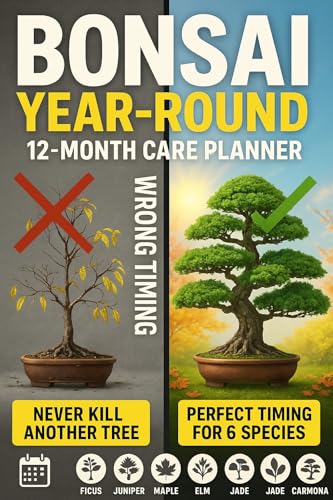
If you’ve ever felt overwhelmed by bonsai care, the Bonsai Maintenance Calendars could be your perfect guide. This planner emphasizes the importance of timing in bonsai care. For instance, repotting in the wrong month might stress your tree, while mis-timed wiring can leave scars. Each month, you’ll find species-specific tasks for trees like Ficus and Juniper, along with clear symbols for critical tasks. It also helps manage pests with timely advice and winter protection. By following this planner, you’ll observe stronger growth and gain confidence, transforming your bonsai experience from intimidating to rewarding. Start nurturing your trees effectively today!
Best For: Beginners overwhelmed by bonsai care, hobbyists seeking to learn from past mistakes, and growers aiming to refine their bonsai skills.
Pros:
- Provides species-specific monthly calendars to simplify care routines.
- Clearly marks critical tasks and visual indicators to prevent harm to trees.
- Enhances growers’ confidence by promoting anticipation of tree needs.
Cons:
- May require initial time investment to understand and follow the planner.
- Limited to specific tree species, which may not cover all growers’ needs.
- Potential dependency on the planner for those new to bonsai care.
Bonsai Care Book: Plan the cultivation of up to 59 bonsai trees

Attention bonsai enthusiasts! The Bonsai Care Book is your ultimate planning tool for cultivating up to 59 bonsai trees. Each tree gets a double page dedicated to your monthly tasks, helping you stay organized. You’ll find columns for vital activities like trimming, clipping, and wiring, along with three customizable columns for your specific tasks. The top section lets you note the bonsai’s name and type, while the opposite page offers space for your notes and sketches. Plus, the first page gives a seasonal overview to guarantee you’re always prepared. Embrace your passion for bonsai with this essential guide!
Best For: Bonsai enthusiasts looking for an organized and comprehensive way to manage the care of their bonsai trees.
Pros:
- Offers dedicated pages for planning tasks for up to 59 bonsai trees, promoting meticulous care.
- Provides customizable columns for specific user-defined tasks, enhancing personalized planning.
- Includes a seasonal overview for timely reminders, ensuring no important care task is overlooked.
Cons:
- Limited to 59 bonsai trees, which may not be sufficient for avid collectors.
- The structured format may not suit those who prefer a more freeform approach to planning.
- Requires manual input, which may be less convenient compared to digital tracking options.
My Bonsai Year: Planning the Tending of Your Bonsai (German Edition)
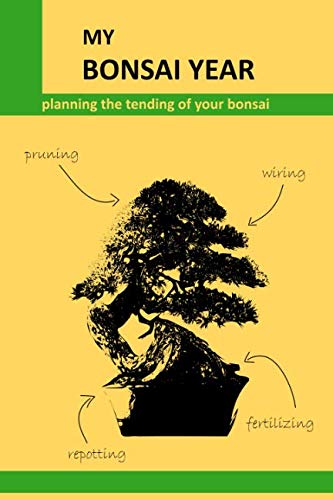
For anyone passionate about caring for bonsai, “My Bonsai Year: Planning the Tending of Your Bonsai” serves as an invaluable tool. This journal helps you keep track of your bonsai’s needs throughout the year. Each tree gets its own page, so you can note important details like species and your specific tasks. You’ll find a clear table layout for monthly care, including pruning and repotting. There’s even space for additional notes! It helps you plan across seasons, making it perfect for both beginners and seasoned enthusiasts. Gift it to fellow bonsai lovers, and share the joy of this unique hobby!
Best For: Bonsai artists and enthusiasts looking for an organized way to plan and track their bonsai care throughout the year.
Pros:
- Clear layout allows for easy tracking of monthly tasks tailored to each bonsai.
- Dedicated space for personal notes encourages customization and detailed care plans.
- Suitable for both beginners and experienced bonsai lovers, making it a versatile tool.
Cons:
- Limited to managing a maximum of 60 bonsai trees, which may not suit those with larger collections.
- German edition may not be accessible to non-German speakers.
- Softcover format might not be as durable as hardcover options, potentially affecting longevity.
Bonsai Workbook: Organizer for Bonsai Growing and Care
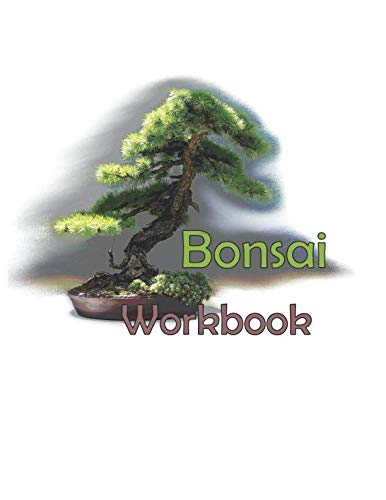
The Bonsai Workbook is an essential tool for both novice and experienced bonsai enthusiasts who want to enhance their tree care practices. Measuring 8.5×11 inches, this softcover edition in German organizes your bonsai care effectively. Each spread focuses on a single tree and allows you to document important details like species, age, and size. You’ll find areas dedicated to annual tasks such as repotting, pruning, and fertilizing. Plus, there’s a dot matrix page for sketches or notes, which helps track your tree’s development. This workbook not only organizes your care activities but also inspires your artistic journey. You’ll love it!
Best For: Bonsai artists and hobbyists looking to enhance their tree care and documentation practices.
Pros:
- Provides a structured format for organizing care activities for up to 63 bonsai trees.
- Includes dedicated spaces for annual planning and documentation of tasks like pruning and fertilizing.
- Offers a creative page for sketches and notes, fostering personal artistic expression.
Cons:
- Available only in German, which may limit accessibility for non-German speakers.
- Softcover design may not be as durable as hardcover alternatives.
- May not include specific care instructions for each bonsai species, relying on the user’s existing knowledge.
Bonsai Master Class: Lessons and Tips from a Japanese Master

If you’re looking to cultivate your passion for bonsai, “Bonsai Master Class: Lessons and Tips from a Japanese Master” by Kunio Kobayashi is perfect for you. This book covers essential techniques for maintaining popular bonsai types like pines and flowering trees. You’ll find helpful advice on selecting plants, pots, and display areas. Kobayashi explains basic styles and characteristics clearly. He also provides practical tips for planting, watering, pruning, and shaping your bonsai. You even get a seasonal task schedule tailored for each type. This masterclass inspires you to express your creativity while nurturing your bonsai journey with confidence.
Best For: This book is best for both new bonsai enthusiasts and experienced gardeners looking to enhance their skills in bonsai cultivation.
Pros:
- Comprehensive coverage of essential techniques for various bonsai types, making it suitable for all skill levels.
- Clear explanations of styles, characteristics, and practical tips that are easy to follow.
- Seasonal task schedules help readers stay organized and maintain their bonsai effectively throughout the year.
Cons:
- Some readers may find the amount of information overwhelming if they are complete beginners.
- Limited focus on less common bonsai varieties, which might not appeal to specialized collectors.
- The book may require frequent referencing for practical application rather than being a straightforward read.
Bonsai Workbook: Organizer for Bonsai Tree Growing and Care

Bonsai enthusiasts seeking a reliable way to stay organized will find the “Bonsai Workbook: Organizer for Bonsai Tree Growing and Care” particularly helpful. This workbook is designed for you, whether you’re a seasoned artist or just starting. Each spread focuses on a specific bonsai tree, letting you capture essential details like species, age, and size. You’ll appreciate the space for planning tasks such as repotting, pruning, and fertilizing. Plus, the second page encourages notes, sketches, or photos. With room for up to 63 trees and an index for quick reference, this workbook makes bonsai care a breeze throughout the year.
Best For: Bonsai artists and enthusiasts, whether seasoned or beginners, looking to efficiently organize their bonsai care and tasks.
Pros:
- Organized Structure: Each bonsai tree has a dedicated spread for easy tracking of growth and care tasks.
- Versatile Documentation: Space for notes, sketches, and photos allows for personalized record-keeping.
- Ample Capacity: Accommodates up to 63 bonsai trees, perfect for both small and extensive collections.
Cons:
- Limited to 63 Trees: May not be sufficient for serious collectors with larger numbers of bonsai trees.
- Paperback Format: Some users may prefer a sturdier hardcover option for durability.
- Not Species-Specific: Lacks detailed care instructions for specific bonsai species, which novice growers might find helpful.
Factors to Consider When Choosing a Bonsai Maintenance Calendar

When choosing a bonsai maintenance calendar, consider how tasks are organized monthly to easily track your tree’s needs. Make sure it includes seasonal care adjustments, specific to the types of trees you have. Finally, check for visual indicators that help you recognize pest prevention timing, keeping your bonsai healthy year-round.
Monthly Task Organization
Choosing the right bonsai maintenance calendar can make a significant difference in how you care for your trees. A monthly task organization is essential for tracking activities like pruning, watering, and fertilizing at ideal times. Focus on including specific tasks that adapt to the seasonal changes your bonsai experiences. For example, repot during spring, and prune in late fall. Remember to note the unique needs of each species, as they can vary greatly. Utilizing a dedicated column for your personal tasks can help tailor your schedule to your individual gardening style. A clear layout will aid in tracking your progress, ensuring consistent attention, and documenting the growth journey of your beloved bonsai.
Seasonal Care Adjustments
Understanding seasonal care adjustments is essential for effective bonsai maintenance. Different bonsai species have unique needs that shift throughout the year. For instance, spring is prime for repotting and pruning. In contrast, fall requires you to prepare your trees for dormancy, with reduced watering and fertilization. Keep an eye on temperature changes; indoor bonsai often need more water in winter due to heated air. Additionally, managing pests and diseases should align with seasonal life cycles, so take proactive steps in spring and early summer to prevent infestations. Planning seasonal tasks allows you to monitor and adapt your care routines effectively, resulting in healthier growth and ideal bonsai health all year round.
Specific Tree Varieties
Specific tree varieties substantially influence how you should approach your bonsai maintenance calendar. For example, Ficus trees thrive with consistent watering and light pruning during warmer months. You’ll want to give Junipers special attention, focusing on wiring and fertilization tasks in spring and fall. Understanding each species helps; some trees, like flowering varieties, need care tailored to their blooming periods. Repotting is key too—some trees need it in spring, while others may wait until late summer. Don’t overlook pests or diseases, as certain varieties are more susceptible to specific issues. Incorporating these factors into your maintenance calendar will keep your bonsai healthy and thriving all year round. تنظيم your approach for each tree type to maximize their growth potential!
Visual Indicators Usage
Visual indicators play an essential role in organizing your bonsai maintenance calendar, and they can make caring for your trees much easier. By using color-coded symbols, you can quickly identify critical tasks for different species, helping you avoid common mistakes. For instance, a blue symbol could indicate when to water, while green might signal fertilization. These visual cues enhance your understanding of your tree’s seasonal needs, simplifying actions like repotting and pruning. Both novice and experienced growers benefit from this simplified approach. Remember, clear communication through visual indicators transforms complex care into manageable steps, making your bonsai journey more enjoyable and successful. Stay organized, and your bonsai will thrive year-round!
Pest Prevention Timing
When you tackle pest prevention for your bonsai trees, timing is everything. Start your efforts in early spring, as this is when insects begin to emerge. It’s essential to understand the specific vulnerabilities of your bonsai species, so do your research. Regularly monitor your trees, especially as temperatures rise, to catch early signs of pest infestations. Keep a calendar that notes seasonal changes, as these will help you adapt your pest management strategies. Additionally, implementing preventative measures during the fall can safeguard your trees against overwintering pests, who could return in spring. By being proactive and informed, you’ll guarantee your bonsai remains healthy and thriving year-round, free from unwanted pests.
Custom Task Flexibility
Choosing a bonsai maintenance calendar requires careful thought, especially when it comes to custom task flexibility. Look for a calendar that provides space for additional tasks tailored specifically to your plants’ needs. This flexibility is essential since your trees may require different care due to environmental changes or unique growth patterns. Consider calendars with extra columns for custom tasks, allowing you to track specialized techniques like certain pruning styles or nutrient applications. This ability to adapt helps you address seasonal variations and individual challenges. Plus, experimenting with custom tasks fosters a deeper connection between you and your bonsai. So, make your selection wisely to guarantee your trees thrive throughout the year.
Documentation and Notes
Documenting your bonsai’s care journey keeps you informed about its specific needs and health over time. By maintaining notes for each tree, you can track growth patterns and health, along with tailored care tips. Use dedicated pages for recording monthly tasks like pruning, repotting, and fertilizing to guarantee consistent care. Visual elements, such as sketches or photos, help document developmental changes, making progress easier to spot. Don’t forget to note environmental conditions, like light and temperature preferences, which can assist in diagnosing health issues. Regular updates to your documentation refine your care practices, highlighting what’s working and what needs adjustment. This engaging approach promotes your continuous learning in bonsai maintenance, guaranteeing your trees thrive year-round.
Frequently Asked Questions
What Tools Are Essential for Effective Bonsai Maintenance?
To maintain your bonsai effectively, you’ll need essential tools. Start with bonsai shears for trimming branches and leaves. A root rake helps with root management, while concave cutters allow for clean cuts on thicker branches. Don’t forget wire cutters, which are vital for shaping your tree. Finally, a watering can with a fine spout guarantees you water your bonsai gently. These tools will make your maintenance tasks easier and keep your trees healthy.
How Often Should I Water My Bonsai Trees?
You should water your bonsai trees when the top inch of soil feels dry, typically every few days. During hot weather, check daily to make sure they’re hydrated. Conversely, in cooler months, reduce your watering to once a week. Always water thoroughly until it drains from the bottom. Remember, overwatering can lead to root rot, so trust your senses and keep an eye on moisture levels to keep your bonsai thriving.
Can I Use Regular Potting Soil for Bonsai?
You shouldn’t use regular potting soil for bonsai trees. It’s often too dense and retains too much moisture, which can lead to root rot. Instead, use a bonsai soil mix that combines elements like akadama, pumice, and lava rock. This mix provides proper drainage and aeration, essential for healthy roots. When repotting, make sure to gently prune roots and spread the new soil mix evenly around them. Your bonsai will thrive with the right setup!
What Pests Should I Watch for on My Bonsai?
You should watch for pests like spider mites on your bonsai. These tiny pests can suck the sap from your tree, causing leaves to yellow and drop. To prevent an infestation, inspect your bonsai regularly, especially under leaves where they often hide. If you spot them, spray a mixture of water and mild soap, or use neem oil, carefully covering all affected areas. Early detection and treatment are key to keeping your bonsai healthy!
How Do I Know When to Repot My Bonsai?
You’ll know it’s time to repot your bonsai when roots start showing through the drainage holes or if water drains too quickly. Typically, this happens every one to three years, depending on the tree species and its growth rate. To repot, gently remove it from its pot, trim away any dead roots, and place it in a slightly larger pot with fresh soil. Make sure to water after repotting to help it settle.


