As an Amazon Associate, we earn from qualifying purchases. Some links on this site are affiliate links at no extra cost to you. Our recommendations are based on thorough research and editorial judgment.

10 Best Bonsai Manuals for Beginners – Cultivate Your Green Thumb

If you want to cultivate your green thumb, start with the right bonsai manuals. “The Essential Bonsai Book” offers foundational techniques like pruning and wiring, while “Bonsai for the Beginner” makes basic care easy to grasp. “Bonsai Master Class” shares wisdom from Japanese masters. You might also enjoy “The Basic Bonsai Manual” for budget-friendly insights. Each manual provides unique tips and techniques that will help you connect with your bonsai journey even more.
Key Takeaways
- The Essential Bonsai Book offers foundational techniques like pruning and wiring, perfect for beginners seeking a comprehensive guide.
- Bonsai for the Beginner targets novices with no prior gardening experience, providing clear and accessible instructions for starting bonsai cultivation.
- High-quality visuals in bonsai manuals enhance understanding of techniques, making it easier for beginners to follow step-by-step instructions.
- Engaging with bonsai communities through exhibitions and clubs fosters learning and connection among aspiring bonsai enthusiasts.
- Troubleshooting sections in manuals effectively address common issues, supporting beginners as they navigate early challenges in bonsai care.
The Essential Bonsai Book: Techniques for Creating Beautiful Trees
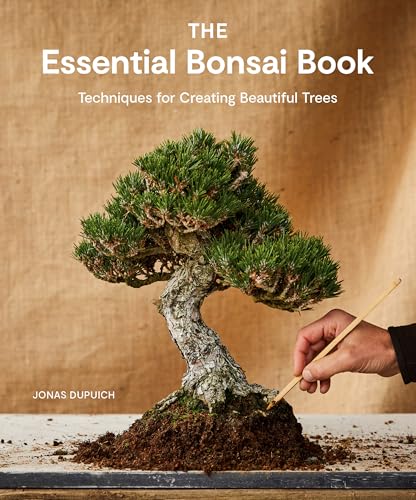

If you’re new to bonsai and want a solid foundation, “The Essential Bonsai Book: Techniques for Creating Beautiful Trees” is the perfect choice for you. This guide by Jonas Dupuich offers clear advice on essential practices like pruning, wiring, and repotting. You’ll discover advanced techniques like decandling and defoliating too. The book teaches you how to care for your bonsai through seasonal changes and provides design tips to enhance your trees’ beauty. By incorporating real-life case studies and insights from bonsai experts, you’ll feel confident in growing an impressive bonsai collection right at home. Start your bonsai journey today!
Best For: Beginners seeking a comprehensive guide to bonsai cultivation and techniques.
Pros:
- Offers clear guidance on foundational bonsai techniques such as pruning, wiring, and repotting.
- Includes advanced techniques like decandling and defoliating for those looking to expand their skills.
- Features real-life case studies and insights from bonsai experts, enhancing the learning experience.
Cons:
- May be overwhelming for complete novices due to the range of topics covered.
- Some advanced techniques may require a certain level of experience to fully benefit from.
- Depending on individual learning styles, the written format may not suit everyone.
The Complete Manual for Juniper Bonsai Trees
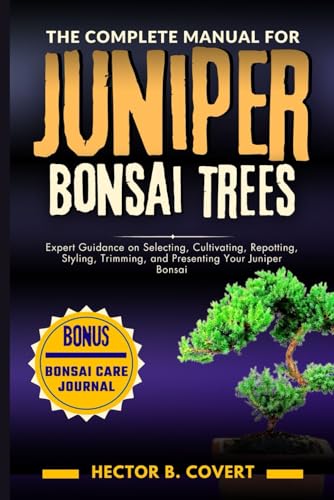
The Complete Manual for Juniper Bonsai Trees is an ideal choice for beginners enthusiastic to plunge into the art of bonsai. It connects you with the rich history of bonsai as a meditative skill. You’ll find detailed monthly care schedules, which help keep your juniper healthy throughout the year. The manual also addresses common issues like pest management. You’ll discover expert advice on styling and wiring to make your bonsai eye-catching. Plus, it encourages creating a peaceful environment by incorporating bonsai into your space. Immerse yourself, and let this guide nurture your passion for this rewarding art form.
Best For: Beginners eager to explore the art of bonsai while connecting with its meditative and creative aspects.
Pros:
- Detailed monthly care schedules for maintaining tree health year-round.
- Expert advice on styling and wiring enhances the aesthetic appeal of bonsai.
- Encourages mindfulness and tranquility by incorporating bonsai into personal spaces.
Cons:
- May require a commitment of time and patience to master the art of bonsai.
- Some readers may find the detailed care instructions overwhelming initially.
- Limited to juniper bonsai, which may not appeal to those interested in a variety of tree species.
Bonsai Master Class: Lessons and Tips from a Japanese Master

Bonsai Master Class: Lessons and Tips from a Japanese Master is an excellent choice for anyone enthusiastic to immerse oneself in bonsai cultivation, whether you’re just starting or have some experience. Authored by the renowned Kunio Kobayashi, this book dives into essential techniques for popular bonsai types like pines, cedars, and maples. You’ll find clear guidance on choosing plants, pots, and display spaces. Additionally, you’ll learn practical skills, from watering and pruning to wiring and protecting your trees. With detailed lessons and seasonal task schedules, you’ll cultivate not just plants but also your unique style in bonsai artistry.
Best For: This book is best for both beginners and experienced bonsai enthusiasts looking to deepen their knowledge and skills in bonsai cultivation.
Pros:
- Comprehensive coverage of essential bonsai techniques for various types.
- Clear guidance on selecting plants, pots, and display spaces.
- Detailed lessons and seasonal task schedules to foster unique artistic expression.
Cons:
- May be overwhelming for complete beginners due to the depth of information.
- Limited focus on less popular or exotic bonsai species.
- Some advanced techniques might require further research or practice beyond the book.
Bonsai for the Beginner: Master Basic Care and Styling Techniques
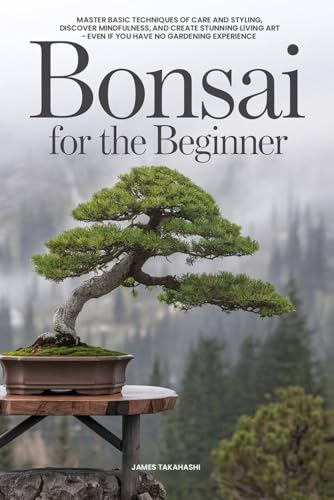
For anyone curious about starting their journey in bonsai, this guide offers approachable insights and practical techniques to get you on the right path. Begin by selecting beginner-friendly species like the Ficus or Juniper. Next, learn essential care techniques: water your plant regularly, ensuring proper soil mixing for health. Familiarize yourself with pruning methods—this includes “leaf reduction” to maintain shape and encourage growth. Use the right tools, like sharp scissors, and get rid of anything unnecessary. Finally, embrace the mindful aspects of bonsai care to enhance relaxation. With patience, your bonsai will flourish, becoming your personal masterpiece.
Best For: Beginners looking to explore the art of bonsai without prior gardening or art experience.
Pros:
- Easy-to-follow guidelines on essential bonsai care techniques.
- Mindfulness practices incorporated into bonsai maintenance enhance relaxation and focus.
- Offers a selection of beginner-friendly bonsai species for a successful start.
Cons:
- May require a commitment to learning and patience for tree growth.
- Limited information on advanced techniques may frustrate more experienced gardeners.
- Availability of specific bonsai species may vary by location.
The Basic Bonsai Manual
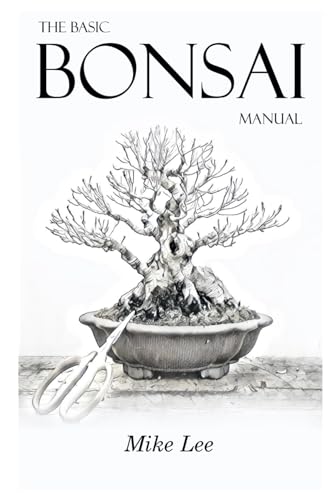
If you’re a Bonsai instructor looking for a budget-friendly resource, “Bonsai Manuals for Beginners” is just what you need. This manual is perfect for supplementing your course materials. It covers basic styles, tools, transplanting, wiring, and styling, making it easy for your students to follow along. You’ll find detailed text paired with high-quality images illustrating key concepts. Before-and-after pictures showcase the transformation of trees. Plus, there are blank pages for student notes to encourage engagement. This handy guide saves you time and money, eliminating the hassle of creating your own materials or purchasing expensive alternatives.
Best For: Bonsai instructors seeking a cost-effective and comprehensive manual to enhance their course offerings.
Pros:
- Provides a structured approach to teaching basic bonsai techniques with clear chapters on styles, tools, and styling.
- Includes visual aids like high-quality images and before-and-after comparisons to illustrate concepts effectively.
- Contains interactive components such as blank pages for note-taking, promoting student engagement and personalized learning.
Cons:
- May not cover advanced techniques or styles, limiting its use for more experienced instructors or students.
- Relies on the instructors to integrate the manual into their existing courses, which may require additional preparation.
- The images and content are fixed and may not be customizable according to specific course needs or student feedback.
Bonsai Survival Manual: Tree-by-Tree Guide

Venturing into bonsai gardening opens doors to a fascinating hobby for anyone enthusiastic to cultivate their green thumb. The “Bonsai Survival Manual” guides you through various tree species, showcasing popular choices for beginners. You’ll learn essential care techniques, focusing on feeding, watering, and shaping your bonsai. Understanding each tree’s unique needs helps guarantee they thrive. Additionally, the manual tackles common problems you might face, providing tips for troubleshooting. With expert advice from Colin Lewis, you’ll gain confidence in your abilities. Embrace the art of bonsai, and watch your miniature tree flourish with your dedicated care and attention!
Best For: Beginners and enthusiasts looking to cultivate and care for bonsai trees with comprehensive guidance and expert advice.
Pros:
- In-depth profiles of 50 popular bonsai species assist in selecting suitable plants.
- Step-by-step instructions on maintenance and care techniques simplify the bonsai gardening process.
- Troubleshooting advice helps identify and resolve common issues effectively.
Cons:
- May be overwhelming for absolute beginners due to the variety of species and care techniques.
- Requires consistent time and effort, which may deter some potential gardeners.
- Limited information on rare or less popular bonsai species may leave some enthusiasts wanting more.
The Little Book of Bonsai: An Easy Guide to Caring for Your Bonsai Tree

Many aspiring bonsai enthusiasts find themselves overwhelmed by the intricacies of caring for these miniature trees. “The Little Book of Bonsai” by Jonas Dupuich is an invaluable resource tailored specifically for beginners enthusiastic to learn. Inside, you’ll find straightforward instructions on essential care techniques like watering, pruning, and fertilizing. Dupuich helps you understand the unique requirements for both indoor and outdoor bonsai, ensuring your trees thrive. You’ll also discover tips on selecting the right species and containers, making your bonsai setup personal and appealing. With its beautiful images and clear language, this guide will help you cultivate your green thumb with confidence.
Best For: Beginners and aspiring bonsai enthusiasts looking for clear and practical guidance on caring for bonsai trees.
Pros:
- Provides straightforward instructions on essential bonsai care techniques.
- Covers both indoor and outdoor bonsai requirements for thriving plants.
- Features beautiful visuals and step-by-step images that enhance understanding and engagement.
Cons:
- May not offer advanced techniques for experienced bonsai practitioners.
- Limited discussion on specific bonsai species beyond basic selection.
- The focus on beginners might leave out more intricate artistic aspects of bonsai cultivation.
The Bonsai Beginner’s Bible

For anyone enthusiastic to immerse themselves in the world of bonsai, “The Bonsai Beginner’s Bible” serves as an invaluable resource. This guide covers the art’s rich history, emphasizing its roots in Japan and China, which helps you appreciate its beauty. You’ll learn essential cultivation techniques, like wiring, watering, and feeding your trees. The book also provides practical seasonal tips to guarantee your bonsai thrives. With a thorough species directory featuring over 180 popular varieties, you’ll have visual aids to help you choose. Plus, you’ll discover solutions for common issues, assuring your bonsai remains healthy and vibrant for years to come.
Best For: Beginners and enthusiasts looking to cultivate and maintain bonsai trees with comprehensive guidance and practical tips.
Pros:
- In-depth knowledge: Offers detailed information on the history and art of bonsai, enhancing appreciation and understanding.
- Comprehensive techniques: Covers essential cultivation techniques and seasonal care tips to ensure successful growth.
- Extensive species directory: Includes over 180 popular bonsai species with photographs, making it easier to select the right tree.
Cons:
- Limited advanced techniques: May not cater to experienced bonsai practitioners seeking advanced cultivation methods.
- Focus on common issues: Primarily addresses typical problems, potentially lacking deeper troubleshooting for rare ailments.
- Physical book limitations: Being a printed resource, it may not be easily accessible for immediate online queries or updates.
Bonsai (A Care Manual)
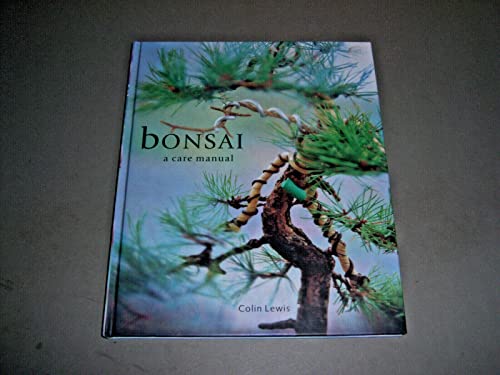
Bonsai (A Care Manual)
- Used Book in Good Condition
If you’re just starting out in the world of bonsai, you’ll find that “Bonsai: A Care Manual” by Colin Lewis is the perfect match for your needs. This guide is written for everyone, from newcomers to experienced collectors. It covers essential topics like watering, pruning, and repotting with clear instructions. You’ll appreciate the detailed step-by-step illustrations and photos that make learning easier. Lewis’s expertise adds reliability, ensuring you get the best advice. As part of the Care Manual series, it connects bonsai care to a wider understanding of nurturing plants, allowing you to grow your skills confidently and effectively.
Best For: Beginners and experienced bonsai collectors seeking comprehensive guidance on bonsai care.
Pros:
- Clear and authoritative instructions from an expert in bonsai care.
- Step-by-step illustrations and photographs enhance understanding of techniques.
- Suitable for a wide range of bonsai enthusiasts, making it accessible for all skill levels.
Cons:
- May not provide advanced techniques for highly experienced bonsai enthusiasts.
- As part of a series, some information may overlap with other titles in plant care.
- Limited focus on specific species or regional care variations in bonsai.
BONSAI. A BASIC MANUAL
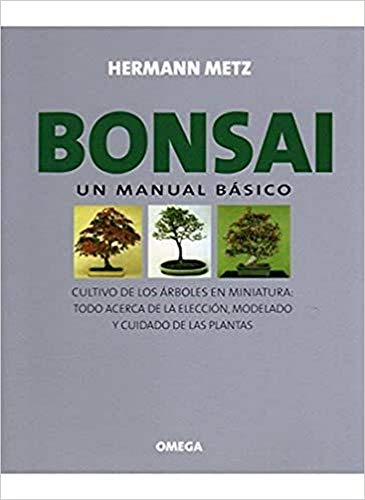
Bonsai cultivation offers a rewarding journey into the art of nurturing miniature trees, making these manuals perfect for aspiring gardeners enthusiastic to learn. Start by selecting the right species that suits your environment, then follow foundational practices for success. You’ll find practical guidance, filled with tips and advice for effective cultivation. Learn essential modeling techniques for shaping your bonsai; detailed instructions and photographs will help clarify each step. Don’t forget care and maintenance! Key aspects, such as proper watering, fertilization, and pruning, are vital for thriving plants. Visual aids make understanding these methods easier, ensuring your bonsai grows beautifully.
Best For: Aspiring gardeners who are enthusiastic about learning the art of bonsai cultivation.
Pros:
- Comprehensive Guidance: The manual provides practical tips and advice for effective bonsai cultivation.
- Detailed Modeling Techniques: Includes step-by-step instructions and photographs for shaping bonsai trees.
- Essential Care Information: Covers crucial aspects of bonsai maintenance, including watering, fertilization, and pest control.
Cons:
- Species Limitation: May not include specific details on every bonsai species available.
- Complex Techniques: Some modeling techniques might be challenging for complete beginners.
- Time-Consuming: Cultivating bonsai requires a significant investment of time and patience.
Factors to Consider When Choosing a Bonsai Manual
When you’re choosing a bonsai manual, think about your needs as a beginner and how the content matches up. Look for clear explanations, practical techniques, and helpful visuals that can guide you through the growing process. It’s also important to find advice that considers seasonal care, so you can keep your bonsai healthy all year round.
Target Audience Alignment
Choosing the right bonsai manual is essential for your journey into this rewarding hobby. First, recognize your experience level. If you’re a beginner, look for manuals that focus on foundational techniques and basic care practices to help build your confidence. These guides often simplify complex tasks, making it easier for you to get started. If you have some experience, consider intermediate books that cover advanced styling techniques or specific pest management strategies. Think about your goals too. Are you looking for mindfulness, artistic expression, or simply a personal hobby? Understanding your intentions will lead you to the manual that best aligns with your needs, enhancing your bonsai experience from the beginning.
Content Depth and Clarity
Selecting a bonsai manual with the right content depth and clarity can dramatically enhance your learning experience. Look for materials that provide step-by-step instructions, as illustrations or diagrams can make techniques easier to understand. A good manual should cover everything from basic to advanced care, catering to your skill level. This way, you’ll find useful tips whether you’re a beginner or someone with more experience. Troubleshooting sections are essential too, as they address common issues you’ll face. Finally, verify the manual is well-structured, guiding you smoothly through topics like pruning, watering, and pot selection. Visual aids play a critical role, making complex processes more accessible and reinforcing what you’ve learned.
Practical Techniques Highlighted
Understanding the practical techniques highlighted in bonsai manuals is essential for your success in this rewarding hobby. Look for guides that focus on key skills like pruning, wiring, and repotting. These foundational techniques will give your bonsai the care it needs to thrive. Choosing manuals that include seasonal care schedules will help you provide the right attention throughout the year. If you’re ready for more challenges, seek out resources covering advanced methods like decandling and defoliating. Additionally, find materials that address troubleshooting, so you can tackle common problems with confidence. Engaging with these practical techniques will enhance your bonsai experience, helping you cultivate a beautiful and healthy tree. Happy cultivating!
Visual Aids and Illustrations
While you may focus on the text of a bonsai manual, don’t overlook the importance of visual aids and illustrations in your learning journey. High-quality photographs and drawings help clarify bonsai techniques and care methods. They provide clear examples of what you should aim for, making steps like pruning and wiring easier to visualize. Step-by-step images can substantially boost your understanding, ensuring you see the result of each action. Before and after pictures show the full transformation of your bonsai, highlighting the effects of proper care. By combining written instructions with visual references, you’ll grasp shaping and styling concepts more effectively. Look for manuals that use these tools to enhance your bonsai experience!
Seasonal Care Considerations
Bonsai care shifts with the seasons, making it essential to choose a manual that addresses these changes. Each season brings unique challenges and tasks. For instance, spring is perfect for repotting to boost root development. In summer, focus on maintaining shape without hindering growth. As fall approaches, prepare for winter by protecting sensitive species from frost. Your manual should explain specific watering, fertilization, and pruning techniques relevant to the season. Different species may have unique requirements, so understanding their needs is vital. Adaptation throughout the year promotes balanced growth, leading to healthier, more beautiful bonsai. Choose a manual that emphasizes these seasonal considerations for effective learning and nurturing of your bonsai trees.
Community and Networking Opportunities
When you immerse yourself in the world of bonsai care, connecting with a community can considerably enhance your experience and learning. Engaging with bonsai manuals often opens the door to broader bonsai communities where you can share ideas and techniques with others. Many guides even list local clubs and online forums, making it easy to find fellow enthusiasts. Don’t overlook community events like exhibitions and workshops; these offer hands-on learning from experienced bonsai artists. Networking can also lead to mentorship opportunities that boost your skills. Ultimately, participating in community discussions helps you troubleshoot common problems while celebrating successes together. Cultivating these connections makes your bonsai journey more enjoyable and fulfilling.
Author’s Expertise and Background
Finding the right bonsai manual can greatly influence your learning experience, so consider the author’s expertise and background. Look for authors with practical knowledge gained through hands-on bonsai cultivation. Those trained formally or mentored by master artists often provide deeper insights. Check if the author is active in the bonsai community, as their participation in workshops, blogs, or exhibitions may bring current trends to your attention. Authors with multiple publications or contributions to credible gardening magazines usually have a better grasp of the subject. Ultimately, recognition from competitions or the gardening industry enhances an author’s credibility. Selecting a well-qualified author can make your bonsai journey more rewarding and enjoyable.
Frequently Asked Questions
What Tools Do I Need to Start Bonsai Gardening?
To start bonsai gardening, you’ll need a few essential tools. First, get a pair of sharp pruning shears; they’re key for shaping your bonsai. Next, invest in wire cutters to manage branches effectively. A soil scoop and a small rake will help you with potting and maintenance. Don’t forget a watering can with a fine spout for precise watering. These tools will set you up for success as you begin your bonsai journey!
How Often Should I Water My Bonsai Tree?
You should water your bonsai tree when the top inch of soil feels dry; this usually takes about two to four days, depending on conditions. Make sure you soak the roots thoroughly, allowing excess water to drain. On hot days, you might need to water daily; during cooler weather, you may extend the intervals. Keep an eye on the leaves—drooping or yellowing can signal it’s time for a drink!
Can I Grow Bonsai Indoors or Outdoors?
You can definitely grow bonsai both indoors and outdoors. Indoor bonsai thrives in bright, indirect light, so place it near a window. Make sure you monitor humidity and temperature for ideal growth. Outdoor bonsai enjoys direct sunlight and fresh air. During warmer months, place it outside, but bring it in during extreme weather. Keep an eye on watering needs for both environments, ensuring your bonsai remains healthy and vibrant. Happy growing!
What Is the Best Soil for Bonsai Trees?
The best soil for bonsai trees is a well-draining mix that retains some moisture. You can use akadama, a clay-based soil, combined with pumice and lava rock. This combination promotes good aeration and drainage, essential for healthy roots. If you can’t find akadama, a high-quality potting soil mixed with sand or perlite works too. Remember to monitor your tree’s moisture needs closely, as proper watering is key for its growth.
How Long Does It Take to Grow a Bonsai Tree?
Growing a bonsai tree can take several years, depending on the species and your care. Typically, you’ll need anywhere from three to five years to see noticeable growth and shape. Start with a young tree; it’s easier to train. Regular watering, sunlight, and pruning are essential. Be patient and attentive; bonsai is an art that rewards dedication. With love and consistency, you’ll create a beautiful tree that reflects your effort.


