As an Amazon Associate, we earn from qualifying purchases. Some links on this site are affiliate links at no extra cost to you. Our recommendations are based on thorough research and editorial judgment.


5 Best Bonsai Miniature Hostas to Elevate Your Garden Aesthetic

To elevate your garden aesthetic, consider these five bonsai miniature hostas: the Costa Farms Bonsai Miniature Tree adds beauty in a stylish pot, while 200+ Hosta Seeds feature stunning heart-shaped leaves. The 315+ Perennial Hosta Seeds thrive in shade, and the 200+ Perennial Hosta Flower Seeds brighten up your space. Ultimately, the DOITOOL Miniature Pagoda Statues complement your plants with a touch of zen. Each choice enhances your garden’s charm and elegance, so let’s explore these options together!
Key Takeaways
- Dwarf Varieties: Select dwarf hosta varieties that maintain a compact form, perfect for miniature bonsai arrangements.
- Vibrant Foliage: Look for hostas with vibrant, heart-shaped leaves that add color and texture to your garden aesthetic.
- Shade Tolerance: Choose hostas that thrive in partial shade, making them ideal for enhancing shaded garden spots without compromising visual appeal.
- Pollinator Attraction: Grow hostas that attract pollinators like hummingbirds, enriching your garden’s ecosystem while offering beauty.
- Versatile Design: Combine miniature hostas with decorative elements like bonsai trees or pagoda statues for a captivating garden display.
Costa Farms Bonsai Miniature Tree Live Plant in Decorative Pot

Costa Farms Bonsai Miniature Tree Live Plant in Decorative Pot, Easy Indoor Houseplant, Assorted...
- LIVE BONSAI ROOM DECOR: This stunning Live Bonsai Tree brings an element of artistic refinement, zen, and serenity to any space. The perfect real plant tabletop...
- BREATHE EASIER WITH A NATURAL AIR PURIFIER: Small Bonsai Tree plant helps to filter the air, removing toxins for a healthier indoor environment. Elevate your indoor...
- CREATE A CALMING SANCTUARY: The art of bonsai inspires patience and mindfulness, providing a quiet, meditative activity that enhances mental wellbeing

If you’re looking to add a touch of elegance to your indoor spaces, the Costa Farms Bonsai Miniature Tree Live Plant is an excellent choice. Standing 12-15 inches tall, it looks stunning in its 3.75-inch ceramic pot with decorative moss. This plant is more than just a beautiful centerpiece; it also purifies the air in your home. Place it in bright, indirect sunlight, and water it once a week when the soil feels dry. With basic care, it thrives well in various areas, making it a thoughtful gift for any occasion. So why not invite this charming plant into your life?
Best For: Individuals seeking a stylish indoor plant that enhances decor and purifies air quality.
Pros:
- Beautiful and sophisticated design that complements various indoor settings.
- Low maintenance requirements, needing just weekly watering and indirect sunlight.
- Serves as a thoughtful gift for special occasions like birthdays and housewarmings.
Cons:
- Not shippable to certain states, which may limit purchasing options.
- Requires moderate conditions; specific care is needed to keep it thriving.
- May be hazardous to pets and children if not kept out of reach.
200+ Hosta Seeds – Heart-Shaped Bare Roots for Outdoor Garden
Bonsai Miniature Hostas are perfect for gardeners who appreciate the elegance of heart-shaped foliage in smaller spaces. With over 200 hosta seeds, you can cultivate these vibrant plants known for their stunning leaves. Plant them in well-drained soil, ideally in partial shade, and watch them thrive. Sow seeds in spring or early autumn for the best results. They usually germinate within 1-3 weeks at 20°C. Once established, these perennials reward you with beautiful blooms each year and attract lovely pollinators, like hummingbirds. Consider dividing your hostas every few years to boost their growth and longevity, enhancing your garden’s beauty.
Best For: Gardeners who value stunning foliage and want to enhance their outdoor spaces with easy-to-grow perennial flowers.
Pros:
- Vibrant heart-shaped leaves that change throughout the growing season.
- Attracts pollinators like hummingbirds to your garden.
- Versatile planting options for gardens of any size, including containers.
Cons:
- Requires specific soil conditions for optimal growth.
- Prefer partial shade, which may limit planting locations.
- Can benefit from division every few years, requiring additional care.
315+ Perennial Hosta Seeds for Planting Outdoor Garden
Sale

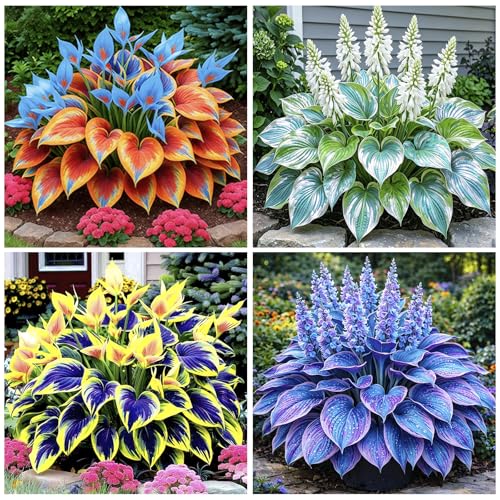
315+ Perennial Mix Color Hosta Seeds for Planting in Outdoor Garden - Shade Tolerant Plant...
- Planting: Soak Hosta seeds in warm water for 24 hours to soften the seed coat. Then, Sow the soaked seeds evenly on well-drained soil, cover with a thin layer of soil...
- Care: Place in a warm environment (20-25°C), avoiding direct sunlight. Keep the soil consistently moist.
- Landscape Use: Hostas are ideal shade garden plants, adding rich layering and visual interest to your yard.
For gardeners enthusiastic to enhance their outdoor spaces, perennial hosta seeds offer a fantastic opportunity to grow beautiful, shade-loving plants. Start by soaking your seeds in warm water for 24 hours to soften the seed coat. Once soaked, sow them evenly in well-drained soil and cover lightly. Keep the soil consistently moist and maintain a warm environment around 20-25°C, avoiding direct sunlight. Hostas thrive in shade gardens, creating rich layers and visual interest. If space is tight, consider smaller varieties for container gardening on patios or indoors. Enjoy the lush foliage and texture they bring to your garden!
Best For: Gardeners looking to enhance their outdoor spaces with shade-loving plants that add visual interest.
Pros:
- Versatile: Ideal for both outdoor gardens and container gardening in limited spaces.
- Low Maintenance: Requires minimal care with consistent moisture and a warm environment.
- Aesthetic Appeal: Adds rich layers and lush foliage to shade gardens, enhancing overall landscape design.
Cons:
- Shade Requirement: Does not thrive in direct sunlight, limiting planting locations.
- Slow Growth: May take time to establish and grow, requiring patience from the gardener.
- Susceptible to Pests: Can be prone to slug damage and other pests, necessitating monitoring and care.
200+ Perennial Hosta Flower Seeds for Garden Planting
Sale
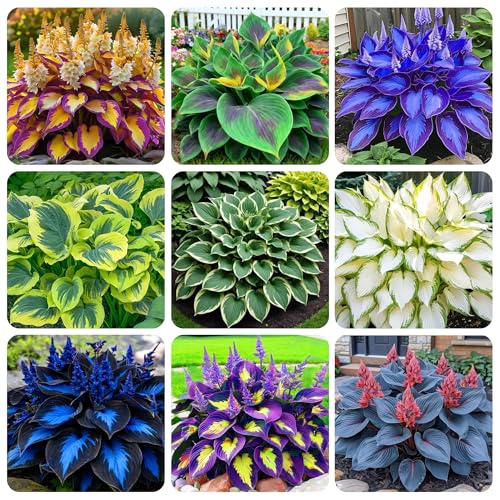
200+ Seeds Perennial Hosta Flower Seed for Planting Outdoors Garden Beauties
- Exceptional Shade Tolerance: Our Hosta plants are perfect for those hard - to - plant shady areas in your garden.
- Easy to Maintain: These perennial Hosta plants are beginner - friendly. They have low maintenance requirements, needing only regular watering
- Versatile Landscape Use: Suitable for both ground cover in large areas and as border plants, Hostas can be used in multiple ways in your landscape.
Looking to add a touch of beauty to your shady garden spots? Perennial Hosta flower seeds are an excellent choice! With over 200 seeds, you’ll have plenty to work with. These plants thrive in low light, making them perfect for those hard-to-plant areas. They’re versatile, serving as ground cover or border plants. You won’t need to worry much about maintenance, either; just regular watering keeps them happy. And the best part? They come back year after year, lending you their vibrant foliage without any replanting hassle. Start your garden transformation today with these stunning perennial beauties!
Best For: Gardeners looking for low-maintenance, shade-tolerant plants to enhance their shady areas.
Pros:
- Easy to grow and maintain, making them perfect for beginners.
- Thrive in low light, ideal for hard-to-plant shady spots.
- Return year after year as perennials, eliminating the need for replanting.
Cons:
- Limited flowering compared to other garden plants, as their main appeal is foliage.
- May require regular watering during dry spells to maintain vibrancy.
- Can be susceptible to pests like slugs if not properly monitored.
DOITOOL Miniature Pagoda Statues for Zen Decor (5 Pcs)
Sale
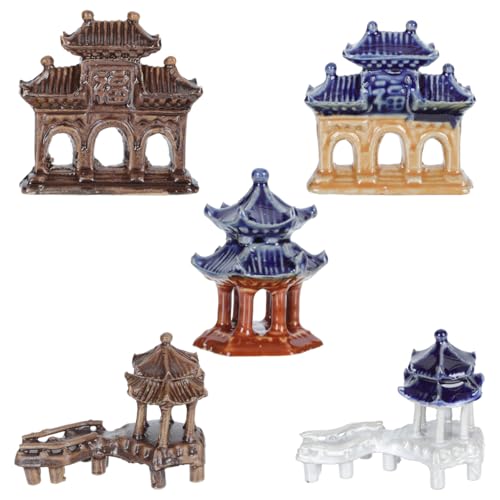
DOITOOL 5PCS Mini Pagoda Garden Statue, Miniature Japanese Style Bonsai Figurines Miniature Asian...
- Miniature Asian Temple Asian Figurines and Statues --- EXCELLENT MATERIAL: Made of quality ceramic material, wonderful ornament for your scene layout
- Mini Pagoda Garden Statue Bonsai Accessories --- DELICATE DESIGN: Touched comfortable, not fade, not easy to deform, fine workmanship
- Miniature Garden Figurines Miniature Zen Garden Accessories --- FUNNY DESIGN: 5 different sizes and shapes of pagoda statues to meet your home decoration needs, enhance...
If you appreciate creating serene spaces in your garden or home, the DOITOOL Miniature Pagoda Statues provide the perfect touch. These five unique ceramic statues come in assorted colors, adding diversity to your decor. Their durable design is fade-resistant, ensuring you enjoy them season after season. You can place them in your garden, on a balcony, or even indoors on a desktop. Use them to enhance the visual appeal of your bonsai plants or make your party photos pop. With their delicate shapes, these pagoda statues are a charming way to elevate any outdoor or indoor setting.
Best For: Those looking to create serene and aesthetically pleasing spaces in their home or garden with quality decorative items.
Pros:
- Durable ceramic material that is resistant to fading and deformation ensures long-lasting use.
- Assorted colors and sizes offer versatility to cater to various decoration styles.
- Ideal for both indoor and outdoor settings, enhancing the visual appeal of any environment.
Cons:
- Limited to pagoda designs, which may not appeal to all aesthetic preferences.
- Small size may not stand out in larger garden spaces or settings.
- Requires careful handling, as ceramic materials can be prone to chipping or breaking if dropped.
Factors to Consider When Choosing Bonsai Miniature Hosta
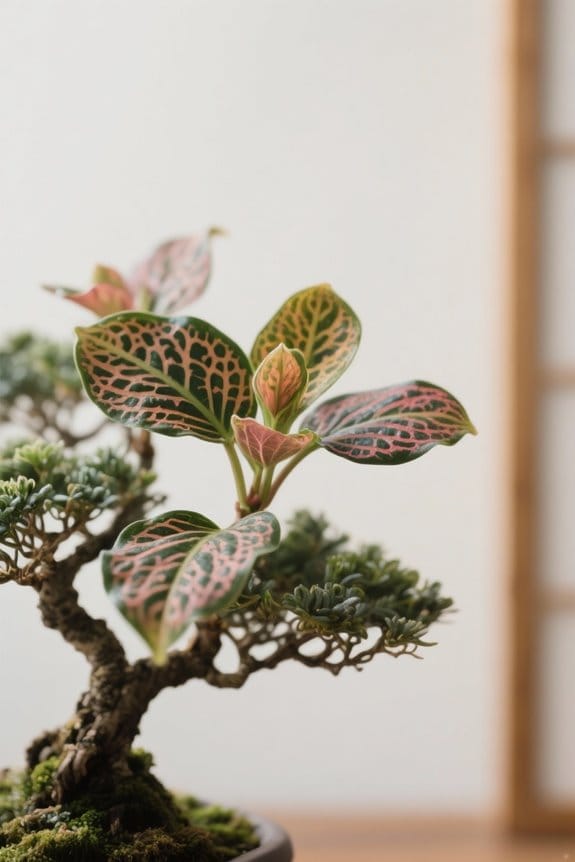
When choosing bonsai miniature hostas, contemplate several key factors that affect their growth. You’ll want to evaluate soil type preferences, light requirements, and how often you’ll need to water them. Additionally, container size and growth rate can influence your selection, so keep these points in mind for a thriving garden.
Soil Type Preference
Selecting the right soil type for your bonsai miniature hostas is crucial for their health and growth. Hostas thrive in well-drained soil, preventing water accumulation that leads to root rot. You should aim to maintain moderately moist soil conditions, avoiding overly soggy environments. To promote healthy root development, enrich the soil with organic matter before planting. Aim for a pH level around neutral to slightly acidic, ideally between 6.0 and 7.0. This range guarantees optimal nutrient absorption and overall plant health. Regular soil amendments can help maintain structure and fertility, enhancing the long-term vitality of your hostas. By focusing on these soil preferences, you’ll create a thriving environment for your bonsai miniature hostas.
Light Requirements
Bonsai miniature hostas thrive under specific light conditions, making light placement critical for their success. Ideally, place them in bright rooms that receive ample indirect sunlight. Direct sunlight can scorch their leaves, so filtered light is essential. If you notice yellowing leaves, it’s a sign your hosta isn’t getting enough light. Regularly monitor their exposure and adjust their placement to guarantee they’re happy and healthy. If moving to a brighter spot, increase their light exposure gradually—their resilience will grow with them. Remember, the right light conditions can markedly enhance their growth and beauty, assuring your miniature hostas remain vibrant and strong in your garden.
Watering Frequency
Regularly monitoring your bonsai miniature hostas’ watering needs is essential for their growth. Water them once a week, but only when the soil feels dry to the touch. Avoid soggy conditions, as that can harm your hostas. Use about half a cup of water each time; this helps retain moisture without over-saturation. Keep in mind that your hostas prefer consistently moist, well-drained soil to thrive. Remember, watering frequency can vary based on your specific environment, like humidity and temperature, which impacts moisture needs. Make sure you observe your plants regularly. As seasons change or if you bring them indoors, you may need to adjust the watering routine accordingly. Happy gardening!
Container Size
Choosing the right container size is essential for your bonsai miniature hostas. Aim for a pot that’s about 3.75 inches in diameter, allowing enough room for healthy root growth. Smaller containers are better for maintaining the miniature size and shape, while larger ones can lead to over-watering and poor drainage. Always look for containers with drainage holes to prevent water from pooling, as this can cause root rot. As your miniature hostas grow, you should periodically repot them into slightly larger containers. This not only provides more space for roots but also allows you to refresh the soil, giving nutrients to support your plants’ health. With the right size chosen, your hostas can thrive beautifully!
Growth Rate
When cultivating bonsai miniature hostas, understanding their growth rate is essential for your garden’s success. These plants typically grow slower than regular trees because of their confinement in small pots and specific pruning techniques. The species you choose matters, too; some varieties naturally grow more slowly, so they’ll need extra care. Environmental factors like light exposure and water availability heavily influence growth rates. Aim for significant indirect sunlight and moderate moisture to keep your hostas thriving. Regular fertilization in spring and summer can boost growth, providing the nutrients they need for new leaves and roots. Remember, patience is key—most bonsai hostas might only grow a few inches per year. Enjoy the journey!
Pest Resistance
Although hostas are generally known for their pest resistance, it’s still important to take into account certain factors that can enhance their durability in your bonsai garden. While common pests like slugs and snails may occasionally appear, hostas’ thick leaves help them fend off mild infestations. You might want to choose varieties with vibrant, heart-shaped leaves, as their tough texture can deter certain pests. Consider incorporating companion plants that naturally repel pests, creating a more protective environment for your hostas. Regular maintenance is also essential. Make sure to clean away dead leaves and debris to minimize potential pest issues. Following these simple strategies can help keep your bonsai miniature hostas thriving and free of pests.
Seasonal Changes
Understanding how seasonal changes impact your bonsai miniature hostas can greatly enhance your gardening success. In spring and summer, you’ll see vibrant leaves and beautiful flowers, making these months ideal for growth. However, winter requires you to protect the roots, since foliage can die back. During autumn, consider dividing and transplanting your hostas to encourage healthier growth next season. Keep in mind that watering and sunlight exposure should adjust with each season. Hostas thrive in partial shade and well-drained soil to avoid stress. Observing how your hostas adapt to weather changes is essential, as their resilience depends on local climate conditions. By staying mindful of these factors, you can help your miniature hostas flourish year-round.
Planting Location
Choosing the right planting location for your bonsai miniature hostas is essential for their success. Place your bonsai in an area with significant indirect sunlight, allowing them to thrive indoors as stunning centerpieces. For hostas, select a spot in partial shade, which helps prevent stress from full sunlight. Verify the location has well-drained soil for both plants. Bonsai need soil that drains well without staying soggy, while hostas prefer moisture-retaining substrates. Remember, both types of plants benefit from protection against extreme weather, so avoid areas prone to intense heat or frost. By carefully choosing their spots, you’ll create a vibrant and thriving environment for your bonsai miniature hostas and enhance your garden beautifully.
Frequently Asked Questions
How Do I Care for My Bonsai Miniature Hostas?
To care for your bonsai miniature hostas, water them regularly but avoid overwatering, as soggy soil can harm the roots. Place them in a shaded area to protect them from direct sunlight, which can scorch the leaves. Fertilize every four to six weeks during the growing season with a balanced fertilizer. Keep an eye out for pests like slugs or snails, and remove any dead leaves to encourage healthy growth. Enjoy your beautiful plants!
What Is the Ideal Pot Size for Bonsai Hostas?
The ideal pot size for bonsai hostas is typically between 6 to 10 inches in diameter. A smaller pot encourages root confinement, which helps maintain a compact growth. However, you shouldn’t go too small; roots still need space to develop. When choosing a pot, consider drainage holes and guarantee it has a quality soil mix. Keep an eye on your plant’s growth, and you may need to repot every couple of years.
Can Bonsai Miniature Hostas Survive Winter Outdoors?
Yes, bonsai miniature hostas can survive winter outdoors, but they need some protection. First, choose a sheltered location that shields them from harsh winds. You can cover the pots with mulch or straw to insulate the roots. Additionally, consider bringing them indoors during extreme cold spells. Monitor temperatures closely. With the right care, your hostas will thrive in the spring, ready to dazzle your garden once again. Happy gardening!
What Pests Commonly Affect Bonsai Miniature Hostas?
Bonsai miniature hostas often face pests like slugs, aphids, and spider mites. Notably, about 20% of garden plant problems stem from insect infestations. To prevent these pests, you should regularly inspect your plants, particularly under the leaves. You can manage slugs by using organic repellents like diatomaceous earth or handpicking them in the morning. For aphids, you might try a gentle soap spray. Keeping your plants healthy helps minimize pest issues too!
How Often Should I Fertilize Bonsai Miniature Hostas?
You should fertilize bonsai miniature hostas every four to six weeks during the growing season, which typically runs from spring to early fall. Use a balanced, water-soluble fertilizer diluted to half strength. This helps promote healthy growth and vibrant foliage. Always follow the directions on the fertilizer package for best results. If you notice yellowing leaves, you might want to adjust your feeding schedule or choice of fertilizer to meet their specific needs.


