As an Amazon Associate, we earn from qualifying purchases. Some links on this site are affiliate links at no extra cost to you. Our recommendations are based on thorough research and editorial judgment.


10 Best Bonsai Books for Cultivating Your Green Thumb

If you’re looking to cultivate your green thumb with bonsai, consider starting with “Bonsai Basics” for clear, step-by-step instructions. “The Little Book of Bonsai” offers easy care tips with stylish visuals. Next, explore “The Essential Bonsai Book” for advanced techniques and seasonal care insights. “Bonsai Master Class” provides expert advice from seasoned pros. These selections will enhance your bonsai journey, opening doors to mindful growth. Stick around to discover more great options for your gardening library.
Key Takeaways
- Bonsai Basics provides step-by-step instructions, perfect for beginners looking to integrate mindfulness into their gardening routine.
- The Little Book of Bonsai features clear guidance with stylish visuals, ideal for those new to bonsai care.
- The Bonsai Beginner’s Bible offers a comprehensive overview of techniques and an extensive species directory, suitable for a wide range of novices.
- Essential Bonsai Book includes both fundamental and advanced techniques with seasonal care tips, catering to practitioners seeking thorough knowledge.
- Bonsai Master Class delivers in-depth techniques with seasonal schedules, though it may be more technical for absolute beginners.
Bonsai Basics: Step-by-Step Guide to Transforming Miniature Trees
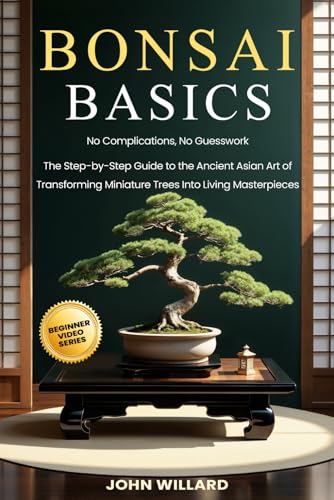

If you’re looking to immerse yourself in the world of bonsai but feel overwhelmed, “Bonsai Basics: No Complications, No Guesswork” is perfect for you. This beginner-friendly guide breaks down the art of bonsai into manageable steps. You’ll discover foolproof ways to select trees and get clear instructions on pruning, wiring, and shaping. With downloadable Bonus Sheets and video tutorials accessed via QR codes, learning becomes interactive and fun. Plus, the L.I.V.E. Framework teaches you observation skills and emotional connections. Embrace Zen philosophy with guided moments of stillness, nurturing both your plants and personal growth along the way.
Best For: Beginners interested in bonsai who want a straightforward, enriching way to master the art without feeling overwhelmed.
Pros:
- Offers step-by-step instructions that simplify bonsai techniques for novices.
- Includes interactive elements like downloadable Bonus Sheets and QR code video tutorials for enhanced learning.
- Integrates mindfulness practices, fostering personal growth alongside tree cultivation.
Cons:
- May lack advanced techniques suitable for experienced bonsai practitioners.
- Some readers might prefer a more traditional printed guide instead of reliance on technology for video access.
- The focus on beginners could limit depth in more complex aspects of bonsai artistry.
The Little Book of Bonsai: An Easy Guide to Caring for Your Bonsai Tree

For anyone stepping into the world of bonsai, *The Little Book of Bonsai: An Easy Guide to Caring for Your Bonsai Tree* is the perfect starting point. Jonas Dupuich, an expert bonsai practitioner, presents easy-to-follow advice tailored for beginners. You’ll learn essential care techniques, including proper watering, pruning, and repotting. The book covers both indoor and outdoor environments so you can choose what fits your lifestyle. Additionally, Dupuich provides tips on selecting the right species and displaying your bonsai artfully. With stylish photographs and clear steps, this guide will inspire you to cultivate vibrant, healthy bonsai trees with confidence.
Best For: Beginners looking to start their journey into bonsai care and cultivation.
Pros:
- Provides clear and effective guidance on essential bonsai care techniques.
- Covers both indoor and outdoor bonsai environments for varied cultivation needs.
- Includes visually appealing photographs and step-by-step images to enhance understanding.
Cons:
- May not offer advanced techniques for experienced bonsai enthusiasts.
- Limited coverage on specific species care may leave out some details for specialized growers.
- The modern approach may not resonate with purists of traditional bonsai practices.
The Essential Bonsai Book: Techniques for Creating Beautiful Trees
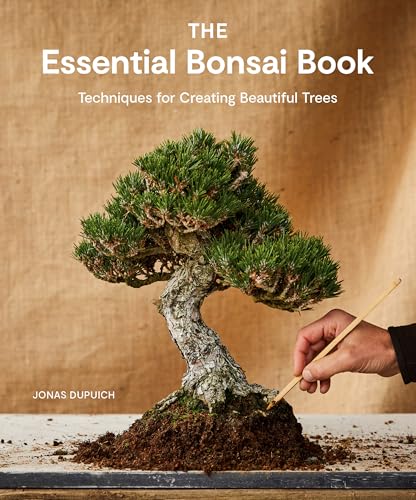
The Essential Bonsai Book: Techniques for Creating Beautiful Trees stands out as the perfect guide for anyone keen to master the art of bonsai. Authored by Jonas Dupuich, this book dives deep into creating exquisite bonsai. You’ll learn essential pruning, wiring, and repotting techniques, as well as advanced skills like decandling and defoliating. The book offers valuable seasonal care tips to help you nurture your bonsai effectively. Plus, you’ll benefit from useful case studies and insights from bonsai experts. With its practical guidance, you’ll be well-equipped to grow a stunning bonsai collection at home or in your garden.
Best For: Anyone looking to learn and master the art of bonsai, from beginners to advanced practitioners.
Pros:
- Provides comprehensive guidance on both fundamental and advanced bonsai techniques.
- Includes seasonal care tips to enhance the health and beauty of bonsai trees.
- Features practical case studies and expert insights for real-world application.
Cons:
- May be overwhelming for complete beginners due to the depth of information.
- Advanced techniques might require prior knowledge or experience.
- The book may not cover every specific species of bonsai in detail.
The Bonsai Beginner’s Bible

Looking to immerse yourself in the art of bonsai? “The Bonsai Beginner’s Bible” is tailored for those just starting their journey in bonsai cultivation. This extensive guide offers an overview of bonsai as an ancient art form and explains essential techniques, like shaping, watering, and repotting. You’ll find seasonal maintenance tips to keep your trees thriving and healthy. The book also addresses common issues, providing strategies to tackle ailments effectively. Plus, a directory featuring over 180 bonsai species helps you select the perfect tree for your space. It’s a must-have resource as you nurture your green thumb!
Best For: Beginners looking to learn and practice the art of bonsai cultivation.
Pros:
- Comprehensive Guide: Covers essential techniques and maintenance tips for healthy bonsai growth.
- Species Directory: Features over 180 bonsai species with photographs to help in selection.
- Problem-Solving: Provides strategies for addressing common ailments and maintaining tree vitality.
Cons:
- Beginner Focused: May lack advanced techniques and insights for experienced bonsai practitioners.
- Limited Depth: Some topics may be briefly covered, requiring further research for in-depth understanding.
- Physical Format: If not available digitally, it may be cumbersome to use in a workshop or outdoor setting.
Bonsai Master Class: Lessons and Tips from a Japanese Master

Anyone passionate about bonsai, whether you’re just starting or have years of experience, will find “Bonsai Master Class” by Kunio Kobayashi an invaluable resource. This book offers essential techniques for planting and caring for popular bonsai types, like pines and flowering trees. You’ll learn about selecting the right plants, pots, and display spaces. Kobayashi explains basic styles and characteristics thoroughly, making it easier for you to choose. Practical tips cover everything from watering to pruning and wiring. With a seasonal task schedule included, you can stay on track, ensuring your bonsai flourish beautifully throughout the year.
Best For: Anyone interested in bonsai cultivation, from beginners to seasoned enthusiasts seeking to enhance their skills.
Pros:
- Provides comprehensive guidance on various bonsai types, techniques, and care tips.
- Includes a seasonal task schedule to help maintain bonsai throughout the year.
- Features insights and lessons from a renowned bonsai master, enhancing the learning experience.
Cons:
- May be too technical for absolute beginners who need more foundational information.
- Some readers might find the depth of content overwhelming if they prefer lighter material.
- The book focuses primarily on specific species, which may limit exploration of other bonsai types.
The Practical Bonsai Bible for Beginners

For anyone keen to start their bonsai journey, “The Practical Bonsai Bible for Beginners” stands out as an indispensable resource. This book simplifies bonsai care, guiding you through basic techniques and common pitfalls. You’ll discover crucial care practices, like ideal watering and pest control, ensuring your tree thrives. Plus, it includes exclusive video tutorials to enhance your learning experience. With clear instructions on pruning, wiring, and various styles, you’ll easily turn your bonsai into a work of art. This guide empowers you to nurture these miniature masterpieces, helping you find joy in every leaf and branch along the way.
Best For: Beginners looking to embark on their bonsai cultivation journey with easy-to-follow guidance and techniques.
Pros:
- Exclusive video tutorials that complement the written content, enhancing understanding and practical skills.
- Detailed care instructions covering essential practices such as watering, fertilization, and pest control for optimal bonsai health.
- Artistic techniques for shaping and styling bonsai, allowing beginners to creatively express themselves through this art form.
Cons:
- May not provide advanced techniques or information for experienced bonsai growers seeking more sophisticated methods.
- Limited focus on specific bonsai species, which might leave some readers wanting more species-specific care tips.
- Requires some investment in tools and materials, which may be a barrier for absolute beginners.
The Only Bonsai Book You’ll Ever Need: Step-by-Step Miniature Tree Care
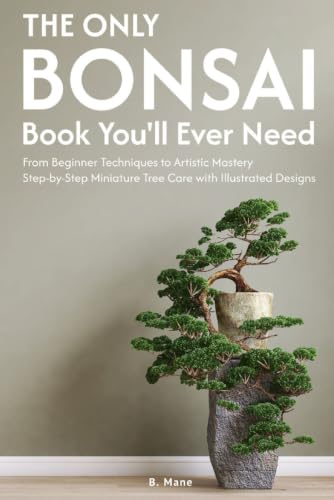
Bonsai cultivation offers a unique opportunity for individuals seeking a fulfilling hobby, particularly those new to gardening. This book demystifies the art, guiding you through each step. You’ll learn how to select your first bonsai, starting with beginner-friendly species. Essential tools are organized by purpose, making your journey easier. As you explore techniques for watering, fertilizing, and pruning, you’ll master the basics of care. The book also helps create an ideal environment for your tree’s growth. Plus, access exclusive online resources for ongoing support. Embrace the challenges, and watch your patience and creativity flourish alongside your bonsai!
Best For: Individuals new to gardening who seek a fulfilling and creative hobby in bonsai cultivation without prior experience.
Pros:
- Accessible guidance: Step-by-step instructions simplify the bonsai cultivation process for beginners.
- Stress relief: Engaging in bonsai care fosters mindfulness and creativity, leading to emotional benefits.
- Comprehensive support: Access to online resources and a structured approach aids in ongoing learning and growth.
Cons:
- Time commitment: Proper care requires regular attention and maintenance, which may be challenging for busy individuals.
- Initial cost: Buying tools and a starter bonsai may require an initial investment that could be a barrier for some.
- Learning curve: While simplified, mastering bonsai techniques still requires patience and practice, which might discourage some beginners.
Pruned to Grow: Life Lessons Rooted in the Art of Bonsai
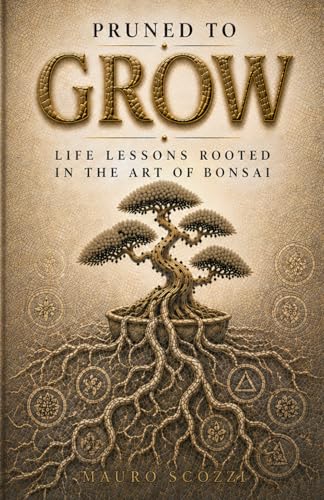
Finding tranquility in today’s fast-paced world can be challenging, especially for those seeking personal growth and inner peace. “Pruned to Grow: Life Lessons Rooted in the Art of Bonsai” is an ideal choice for you if you appreciate reflections that nurture both your mind and soul. This book teaches you about patience, restraint, and renewal through the art of bonsai. Each short reflection invites you to pause and breathe, helping you see that your attention reveals strength. Just as pruning shapes a bonsai tree, you’ll learn how careful actions can nurture your own growth and promote balance in life.
Best For: “Pruned to Grow” is best for individuals seeking inspiration for personal growth and a deeper connection to mindfulness through nature.
Pros:
- Encourages mindfulness: The book promotes a serene perspective on life, helping readers find peace amid chaos.
- Nurtures personal development: Each lesson ties back to the art of bonsai, offering practical insights for self-improvement and inner calm.
- Minimalist prose: The writing style is simple yet profound, making it accessible and thought-provoking for all readers.
Cons:
- Limited content: The reflections may feel brief or insufficient for readers seeking in-depth exploration of each theme.
- Niche appeal: Those unfamiliar with bonsai might find the connections less impactful or relatable.
- Pacing may not suit everyone: The focus on slow living and patience could be challenging for those preferring a more dynamic or fast-paced approach to personal growth.
Bonsai (101 Essential Tips)
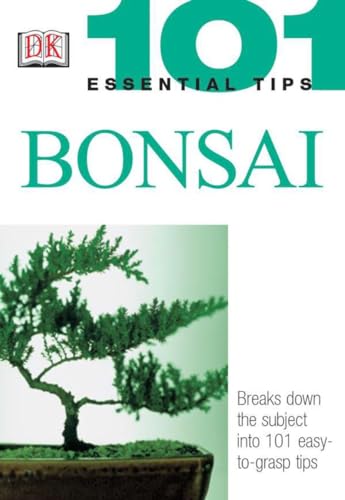
Cultivating a bonsai tree can be an incredibly rewarding experience, especially if you’ve always wanted to explore the world of gardening. Start by learning the basics of bonsai care, like watering routines and pruning techniques. Choose suitable species, such as the Japanese red maple or Scots pine, for your first attempts. Design principles matter, too—think about balance and the container’s depth. Don’t be afraid to start simple; skill development comes with practice. Remember, bonsai isn’t just a hobby; it’s an art that grows with you. Embrace the journey, and you’ll find joy in every twist and turn of your miniature tree.
Best For: Beginners and gardening enthusiasts looking to cultivate miniature trees with rewarding artistic expression.
Pros:
- Develops patience and mindfulness: Engaging with bonsai encourages thoughtful interaction with nature.
- Enhances creativity: The design principles and styling options allow for personal artistic expression.
- Suitable for various skills: Accessible to novices while providing skills development for more experienced gardeners.
Cons:
- Time-consuming: Requires a commitment to regular care and maintenance to thrive.
- Steep learning curve: Mastering techniques like pruning and wiring can be challenging for beginners.
- Species limitations: Not all plants thrive as bonsai, requiring careful selection of suitable species.
The Complete Practical Encyclopedia of Bonsai
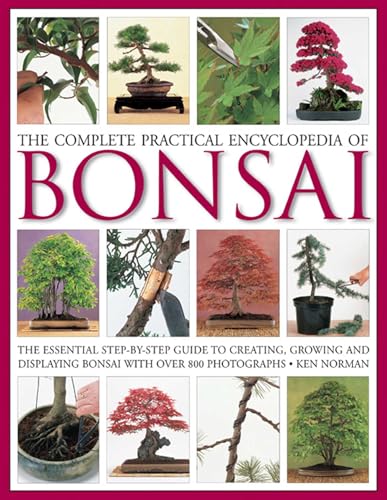
For anyone looking to plunge into the beautiful art of bonsai, “The Complete Practical Encyclopedia of Bonsai” is an excellent choice. This book starts with a solid introduction, teaching you about the history and aesthetics of bonsai. It guides you through seasonal care, highlighting stunning specimens like cerise azaleas in spring. You’ll learn essential techniques, such as pruning and shaping, along with advanced tips for flowering bonsai. The visual directory showcases over 40 species, helping you choose the right tree. Plus, it offers expert advice on displaying your bonsai beautifully. With this guide, you’ll cultivate your bonsai skills and enjoy your journey!
Best For: Beginners and experienced bonsai enthusiasts who want to deepen their understanding and skills in the art of bonsai cultivation.
Pros:
- Provides comprehensive guidance on bonsai aesthetics, techniques, and seasonal care.
- Features over 40 species in a visual directory, making species selection easier.
- Includes expert advice on displaying bonsai for optimal aesthetics in both indoor and outdoor settings.
Cons:
- May have complex advanced techniques that could be overwhelming for absolute beginners.
- The book’s focus on aesthetics might not appeal to those interested solely in maintenance or technical care.
- Limited coverage of specific pests and diseases may leave some users wanting more detailed information.
Factors to Consider When Choosing a Bonsai Book

When choosing a bonsai book, consider your experience level; a beginner might need something different than an advanced grower. Look for specific techniques covered and whether the book includes helpful visual aids or illustrations. Finally, check the author’s expertise and background to guarantee you’re learning from someone knowledgeable, and see if the book offers access to additional resources for further learning.
Target Audience’s Experience Level
Selecting the right bonsai book can make a world of difference in your learning journey. If you’re a beginner, look for guides that offer step-by-step instructions. These books simplify complex concepts, helping you learn how to care for your bonsai trees. Advanced enthusiasts might prefer books that explore intricate techniques like decandling and defoliating, which aren’t usually found in beginner resources. Consider your experience level when choosing a book, as it should align with your existing knowledge. Books that include video tutorials or case studies can greatly enhance your understanding. Remember, selecting a book tailored to your experience not only teaches bonsai techniques but also enriches your personal growth and mindfulness in this rewarding art form.
Specific Techniques Covered
Your bonsai journey shouldn’t just rely on experience level; the specific techniques covered in your chosen book play a significant role too. For beginners, look for books that focus on foundational techniques like pruning, wiring, and repotting. These skills guarantee you start your bonsai cultivation on the right foot. If you’re ready to advance, seek extensive guides that explore decandling, defoliating, and expert-level care. Additionally, some books discuss propagation methods, such as cuttings and air layering, which help you expand your collection economically. Don’t forget seasonal care and design tips to adapt your practices throughout the year, promoting peak plant health. These techniques give you a well-rounded understanding of bonsai cultivation.
Visual Aids and Illustrations
Visual aids and illustrations can greatly enhance your understanding of bonsai techniques and care. When choosing a bonsai book, look for full-color photographs that inspire you and showcase the beauty of mature bonsai trees. Step-by-step images are essential for beginners, especially when learning techniques like pruning and wiring. They make complex concepts clear and digestible. A well-organized layout with visual elements helps you find important care tips quickly. Additionally, books featuring visual directories of bonsai species allow you to compare and select varieties based on their appearance and specific care needs. By choosing a book rich in illustrations, you’ll foster your green thumb and cultivate beautiful bonsai with confidence.
Author’s Expertise and Background
Gaining insight into an author’s expertise is essential when choosing a bonsai book. Look for authors who have a solid background in bonsai cultivation. Those with years of experience can guide you through common pitfalls and advanced techniques. Check if they’ve published multiple works or have a recognized online presence, which shows their commitment to the craft. Engaging with bonsai communities keeps them updated on the latest trends and practices. It’s also beneficial to take into account authors with educational credentials in horticulture or professional recognition in bonsai. Their depth of knowledge often combines both theory and hands-on experience, providing you with well-rounded guidance. Choosing a knowledgeable author guarantees a reliable learning experience for your bonsai journey.
Access to Additional Resources
When selecting a bonsai book, it’s important to evaluate the additional resources that accompany the text. Look for exclusive access to online video tutorials, which can guide you through techniques visually. Some books also offer downloadable sheets that summarize key care advice, making it simple for you to refer back quickly. Consider resources that include case studies, as they show practical applications of what you’re learning. Additionally, certain books may integrate mindfulness practices, helping you connect emotionally with bonsai cultivation. Finally, check out community feedback and testimonials. They can provide insights into how effective these resources are, helping you make a more informed choice in your bonsai journey.
Personal Growth Integration
Choosing a bonsai book that emphasizes personal growth can really enhance your experience with this art form. Look for guides that incorporate mindfulness techniques, as these can foster patience and self-reflection. Many bonsai books explore Zen philosophy, offering insights into the therapeutic benefits of cultivation. Consider those that include practices like “Moments of Stillness,” which help you connect emotionally with your trees. This connection can lead to greater calm and presence in your daily life. Remember, bonsai isn’t just about plants; it’s a metaphor for personal growth. By nurturing these miniature trees, you can experience transformation in yourself, encouraging creative expression and emotional balance as you care for them. Happy cultivating!
Frequently Asked Questions
What Are the Most Common Bonsai Tree Species for Beginners?
If you’re starting your bonsai journey, you’ll want to focus on a few beginner-friendly species. Consider the Ficus, known for its adaptability and resilience. The Juniper, with its stunning foliage, adds character and is easy to shape. Don’t overlook the Chinese Elm, popular for its hardiness. Each tree thrives with basic care, so remember to water regularly and provide adequate light. You’ll uncover the joys of bonsai cultivation through these choices!
How Often Should I Water My Bonsai Tree?
You should water your bonsai tree about once a week, but this might change based on the season and your indoor climate. Check the soil moisture regularly; if the top inch feels dry, it’s time to water. Make sure to soak the entire root system, allowing excess water to drain out. In warmer months, your tree might need more frequent watering, so stay attentive to its needs and adjust accordingly!
Can Bonsai Trees Survive Indoors?
Yes, bonsai trees can thrive indoors, but they need specific care. Make sure you place them near a bright window for plenty of indirect sunlight. Water them when the top inch of soil feels dry, but don’t soak them too much. Maintain a consistent temperature, ideally between 65°F and 75°F. Humidity is important too, so consider using a pebble tray with water. Regularly check for pests to keep your bonsai healthy and happy.
What Tools Do I Need for Bonsai Care?
For bonsai care, you need a few essential tools. Start with sharp pruning shears to trim branches and leaves accurately. You’ll also want concave cutters for removing thicker branches cleanly. A wire cutter helps you shape your bonsai effectively, while bonsai wire is vital for training branches. Don’t forget a root rake and a scoop for repotting, along with a moisture meter to guarantee your soil’s just right. Happy cultivating!
How Do I Prevent Pests on My Bonsai Tree?
To prevent pests on your bonsai tree, regularly inspect the leaves and soil for signs of trouble. If you see any pests, act quickly! You can wash them off with a gentle spray from a hose or use insecticidal soap. Keep your bonsai healthy by providing ideal sunlight, watering appropriately, and maintaining good air circulation. Remember, a healthy tree is less likely to attract pests, so care for it well!


