As an Amazon Associate, we earn from qualifying purchases. Some links on this site are affiliate links at no extra cost to you. Our recommendations are based on thorough research and editorial judgment.


10 Best Bonsai Care Books to Help You Cultivate Stunning Miniature Trees

To cultivate stunning miniature trees, start with top bonsai care books like “Bonsai: The Art of Growing and Keeping Miniature Trees” by Peter Chan and “The Only Bonsai Book You’ll Ever Need”. These guides offer step-by-step care techniques, essential watering routines, and insights into various species. Look for visuals that simplify complex tasks, like pruning and watering. As you explore these resources, you’ll gain the confidence needed to nurture your bonsai successfully, so keep going to discover more tips!
Key Takeaways
- “Bonsai: The Art of Growing and Keeping Miniature Trees” by Peter Chan is ideal for beginners with its essential guidance and clear instructions.
- “The Complete Book of Bonsai” offers comprehensive coverage of techniques, styles, and step-by-step methods for both novices and experienced practitioners.
- Look for visual aids in books, as high-quality images enhance understanding of complex techniques and inspire creativity in bonsai design.
- Beginners should prioritize books with simplified terminology, while intermediate and advanced gardeners may seek texts covering specialized techniques and species.
- Community support and author credibility are vital; consider books with strong followings or endorsements to ensure reliable information and tips.
Bonsai: The Art of Growing and Keeping Miniature Trees
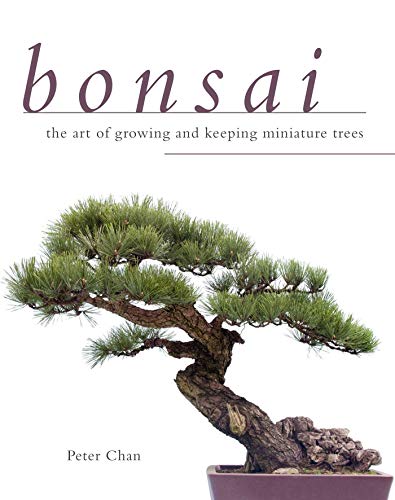
If you’re new to gardening or just curious about bonsai, “Bonsai: The Art of Growing and Keeping Miniature Trees” is the perfect choice for you. Written by Peter Chan, this book offers essential guidance for beginners and seasoned enthusiasts alike. You’ll discover how to choose the right bonsai for your space, along with the tools and supplies you need for effective care. Chan simplifies the shaping techniques, making it easy for you to create beautiful designs. Plus, he explains how different pots can influence growth, ensuring that your miniature tree thrives in its new home. Enjoy the art of bonsai!
Best For: Beginners who are curious about bonsai and looking for comprehensive guidance on growing and maintaining miniature trees.
Pros:
- Offers easy-to-follow instructions for beginners and experienced users.
- Provides valuable insights on choosing the right bonsai and necessary tools.
- Simplifies shaping techniques to help users create beautiful bonsai designs.
Cons:
- May not delve deeply enough into advanced techniques for expert practitioners.
- Limited information on specific bonsai species and their care needs.
- The complexity of certain horticultural principles might still intimidate some new gardeners.
The Only Bonsai Book You’ll Ever Need: Step-by-Step Miniature Tree Care


Bonsai Care Books is perfect for beginners enthusiastic to explore the tranquil art of bonsai cultivation. This book guides you through your first steps, helping you choose your first bonsai tree from a curated list of easy-to-care-for species. You’ll find essential tools organized by purpose, making it simple to start. The book covers key techniques like watering, pruning, and light management, ensuring your trees thrive. It also offers practical tips on creating a nurturing environment tailored to each tree’s needs. With ongoing resources and support, you’ll cultivate patience and creativity while transforming your space into a green sanctuary.
Best For: Beginners looking to explore the calming and rewarding art of bonsai cultivation without prior gardening experience.
Pros:
- Provides a step-by-step guide to selecting and caring for beginner-friendly bonsai species.
- Offers essential techniques for watering, pruning, and maintaining a nurturing environment.
- Includes ongoing resources and support to encourage growth in patience and creativity.
Cons:
- May not delve deeply into advanced techniques for experienced bonsai enthusiasts.
- Limited details on specific species care beyond the curated starter list.
- The focus on simplicity may overlook some complexities of bonsai cultivation that advanced users might expect.
Bonsai (101 Essential Tips)
For those enthusiastic to immerse themselves in the world of bonsai, the “Bonsai Care Books” series offers invaluable guidance tailored precisely for beginners. You’ll find step-by-step tips to cultivate your miniature trees with confidence. Start by learning essential watering routines, as consistency is key to plant health. Explore design principles, such as balance and serenity, using styles like Saikei. Choose species like Japanese red maple or Scots pine for your first bonsai. As you develop skills, focus on pruning techniques and wiring methods. Remember, everyone starts somewhere, and this journey can be incredibly rewarding. Immerse yourself, and enjoy your bonsai adventure!
Best For: Beginners looking to build confidence and knowledge in bonsai cultivation and care.
Pros:
- Offers step-by-step guidance tailored specifically for novice bonsai enthusiasts.
- Encourages a consistent watering routine, which is essential for plant health.
- Provides inspiration and empowers users to develop their bonsai skills over time.
Cons:
- May lack advanced techniques for experienced bonsai practitioners.
- Some readers may find the terminology and concepts initially overwhelming.
- Limited information on specific pest management strategies for bonsai care.
The Essential Bonsai Book: Techniques for Creating Beautiful Trees
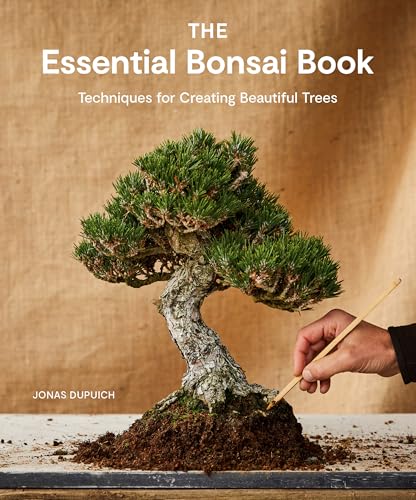
Creating beautiful bonsai trees begins with a solid foundation of knowledge, and “The Essential Bonsai Book” is perfect for both beginners and experienced hobbyists. Authored by Jonas Dupuich, this guide breaks down essential techniques like pruning, wiring, and repotting. You’ll also explore advanced skills such as decandling and defoliating. Understanding seasonal care is vital, and this book offers design tips to elevate your bonsai’s aesthetic. With practical case studies, you’ll see techniques in action. By following Dupuich’s insights, you can cultivate a stunning bonsai collection that thrives in your home or garden as you learn and grow.
Best For: Anyone interested in cultivating bonsai trees, from beginners to experienced hobbyists looking to enhance their skills.
Pros:
- Covers a wide range of techniques from basic to advanced, catering to all skill levels.
- Provides seasonal care tips and design insights, enhancing the aesthetic appeal of bonsai trees.
- Features practical case studies and expert insights, aiding in real-world application of techniques.
Cons:
- May be overwhelming for complete beginners due to the variety of techniques and information presented.
- Some advanced techniques may require additional resources or tools not covered in the book.
- Limited focus on specific bonsai species, which may leave readers wanting more tailored guidance.
The Complete Book of Bonsai: A Practical Guide to Its Art and Cultivation
Sale


The Complete Book of Bonsai: A Practical Guide to Its Art and Cultivation
- Used Book in Good Condition
If you’re enthusiastic to explore the fascinating world of bonsai, “The Complete Book of Bonsai: A Practical Guide to Its Art and Cultivation” is your ideal companion. This book offers an in-depth exploration into bonsai’s origins and artistic principles, helping you understand its rich history. You’ll discover classic styles, complete with descriptions and beautiful examples, showcasing the artistry involved. The practical sections reveal step-by-step techniques to create bonsai from seedlings or cuttings. Plus, it covers essential maintenance strategies for keeping your trees healthy. With over 100 species detailed, you’ll find the perfect plant for your bonsai journey.
Best For: Beginners and enthusiasts looking to delve into the art and cultivation of bonsai trees.
Pros:
- Comprehensive information on bonsai origins, styles, and cultivation techniques.
- Step-by-step guidance for creating bonsai from various plant materials, making it accessible for all skill levels.
- Detailed photographic catalogue of over 100 bonsai species to help users choose and care for their plants.
Cons:
- May be overwhelming for absolute beginners due to the depth of information presented.
- The book might require regular references for maintenance strategies, which could be cumbersome.
- Limited discussion on advanced techniques, possibly leaving experienced enthusiasts wanting more.
Bonsai for the Beginner: Basic Techniques and Mindfulness
Bonsai care books are perfect for anyone keen to explore this serene art form without feeling overwhelmed. You don’t need prior experience to start this fulfilling journey. These guides teach you essential techniques like proper watering, soil mixing, and pest management. You’ll learn about pruning and leaf reduction, making your bonsai healthier and more attractive. Choosing beginner-friendly species guarantees early success, and understanding their sunlight needs enhances growth. Incorporating bonsai care into mindfulness practices also helps you unwind. Each tree reflects your personal touch, so embrace this art at your own pace and transform curiosity into a beautiful masterpiece.
Best For: Beginners looking to embark on a fulfilling journey into the serene art of bonsai without any prior gardening or art experience.
Pros:
- Clear, easy-to-follow techniques for bonsai care, including watering, soil mixing, and pest management.
- Guidance on selecting beginner-friendly species that increase chances of early success.
- Integration of mindfulness practices with bonsai care promotes relaxation and enhances overall well-being.
Cons:
- May require additional investment in tools and supplies that some beginners might not have.
- Initial learning curve could be intimidating for those who prefer instant results.
- Lack of personalization in care techniques may not suit everyone’s unique preferences or circumstances.
Bonsai Basics: Step-by-Step Guide to Transforming Miniature Trees
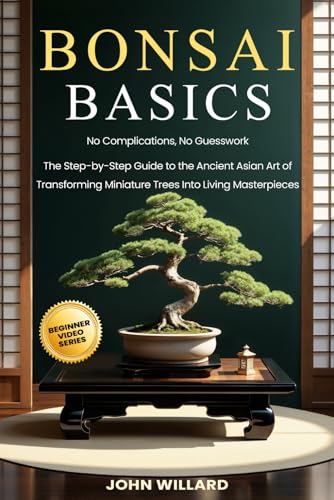
For anyone ready to immerse themselves in the beautiful world of bonsai, “Bonsai Basics: Step-by-Step Guide to Transforming Miniature Trees” serves as the perfect introduction. This beginner-friendly resource offers step-by-step instructions for creating stunning miniature trees. You’ll learn how to choose the right tree, prune it properly, and wire it for shaping. The guide includes helpful video tutorials accessed through QR codes, so you can visualize techniques in real time. Plus, it integrates mindfulness practices, helping you focus and grow alongside your bonsai. Readers praise its simplicity and practical tips, making it an essential companion on your bonsai journey.
Best For: Beginners and individuals seeking to cultivate mindfulness through the art of bonsai.
Pros:
- Clear, step-by-step instructions make it easy for novices to follow.
- Includes engaging video tutorials that enhance understanding of techniques.
- Integrates mindfulness practices to promote personal growth while caring for bonsai.
Cons:
- Focused primarily on beginner techniques, limiting advanced guidance.
- May require purchasing specific tools or materials to fully benefit from the guide.
- Some users may prefer a more detailed exploration of particular bonsai species or styles.
Pruned to Grow: Life Lessons Rooted in the Art of Bonsai
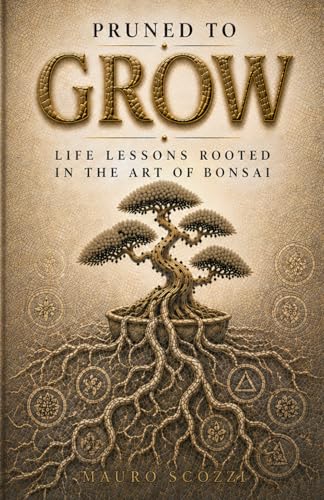
Discovering life lessons through the art of bonsai can be a transformative experience. “Pruned to Grow” isn’t just a book about caring for miniature trees; it invites you to explore the deeper connections between nature and personal growth. You’ll learn about patience and how true growth often requires time and care. The act of pruning reflects life’s challenges, teaching you to accept limitations while fostering balance. Each quiet reflection encourages you to pause, breathe, and notice your inner strengths. This book can be a thoughtful gift, inspiring you and others on the journey toward mindfulness and self-improvement.
Best For: Readers seeking personal growth, mindfulness, and a deeper connection to nature through the art of bonsai.
Pros:
- Inspires mindfulness: Encourages readers to slow down and appreciate the present moment.
- Life lessons: Offers practical wisdom that can be applied to personal challenges and growth.
- Minimalist prose: The calm writing style enhances reflection and deep thought.
Cons:
- Niche interest: May not appeal to those unfamiliar with bonsai or gardening.
- Pacing: The slow approach may not resonate with readers looking for quick, actionable advice.
- Limited scope: Focuses primarily on bonsai, which may constrain wider life lessons for some readers.
The Practical Bonsai Bible for Beginners

If you’re starting your journey into bonsai cultivation, “The Practical Bonsai Bible for Beginners” is an excellent choice. This book guides you through the essentials of bonsai care, making it easy to understand. You’ll learn about propagation techniques, like cuttings and air layering, to help your trees grow cost-effectively. The book also offers valuable tips on watering, fertilizing, and pest control. With detailed instructions and illustrations on shaping and styling, you’ll turn your bonsai into beautiful living sculptures. Plus, you’ll gain access to exclusive video tutorials, which help enhance your learning experience and boost your confidence in bonsai mastery!
Best For: Beginners eager to learn the art of bonsai cultivation in a simple and accessible way.
Pros:
- Comprehensive guidance: Covers essential bonsai care techniques and artistic styling methods for novices.
- Visual learning resources: Access to exclusive video tutorials that enhance the understanding of bonsai practices.
- Detailed illustrations: Clear, step-by-step instructions and visuals help simplify complex concepts for new growers.
Cons:
- Limited advanced techniques: May not cover advanced bonsai techniques in-depth, which could frustrate seasoned practitioners.
- Focus on beginners: The beginner-centric approach may not cater to experienced bonsai enthusiasts looking for more challenging material.
- Potential information overload: The amount of information provided could be overwhelming for some first-time readers.
The Little Book of Bonsai: An Easy Guide to Caring for Your Bonsai Tree

Anyone interested in starting their journey into the art of bonsai will find “The Little Book of Bonsai” an invaluable resource. Author Jonas Dupuich shares his expertise, guiding you through bonsai care basics like watering, pruning, and repotting. He breaks down techniques into clear steps, ensuring you can nurture healthy trees. Whether you’re working with indoor or outdoor bonsai, this guide covers the unique needs of each environment. With beautiful photos and detailed instructions, you’ll learn about selecting species and displaying your miniatures. This book makes bonsai care enjoyable and accessible, helping you grow stunning trees that reflect your passion.
Best For: Beginners seeking a practical and visually appealing guide to the art of bonsai care.
Pros:
- Provides clear, step-by-step instructions for essential bonsai care techniques.
- Includes visually appealing photographs and design, enhancing the learning experience.
- Covers both indoor and outdoor bonsai care, catering to a wide range of environments.
Cons:
- May lack advanced techniques for more experienced bonsai enthusiasts.
- Limited information on the historical or cultural significance of bonsai.
- Focuses primarily on basic care, which might not satisfy those looking for in-depth knowledge.
Factors to Consider When Choosing a Bonsai Care Book

When you’re choosing a bonsai care book, consider the author’s expertise and background to guarantee you’re getting reliable information. Think about your own skill level, too; some books cater to beginners, while others are better for advanced enthusiasts. You’ll also want to check if the book covers key techniques, features quality visuals, and has a well-organized structure to make learning easier.
Author’s Expertise and Background
Selecting the right bonsai care book can be a rewarding experience, especially if you consider the author’s expertise and background. First, check the author’s credentials. Books written by well-known experts, like professional horticulturists or seasoned bonsai practitioners, often offer reliable techniques. Also, look for authors with a strong community following; this usually indicates their ability to effectively teach the subject. Experienced authors, with years in bonsai cultivation or involvement in societies, present deeper knowledge. Consider whether they’ve published multiple works on bonsai care, as this suggests dedication. Finally, endorsements from established bonsai organizations or testimonials from experts can provide assurance of the author’s credibility and authority in the field, guiding your choice effectively.
Target Audience and Skill Level
Understanding your target audience and skill level is key to finding the right bonsai care book. If you’re a beginner, look for books that simplify bonsai care with step-by-step instructions. These texts often use visuals and structured layouts to make learning easier. For those with some experience, seek resources that explore advanced techniques like wiring or design styles. If nurturing a calming hobby is your goal, consider books that emphasize mindfulness. Meanwhile, seasoned gardeners might prefer texts that build on their existing knowledge and introduce unique bonsai styles. By focusing on your skills and intentions, you’ll easily find a book that matches your needs and helps you succeed in your bonsai journey.
Key Techniques Covered
A well-rounded bonsai care book should cover at least five key techniques to guarantee your trees thrive. Start with essential skills like pruning, wiring, and repotting, as these directly shape and maintain your bonsai’s health. Look for detailed instructions on watering, fertilization, and light management, essential for ideal growth. It’s also important the book addresses preventive care and treatments for common ailments, enhancing your confidence in maintaining robust plants. Seasonal care techniques are critical, too, since your approach to caring for bonsai changes with the seasons. Finally, choose a guide that provides thorough advice on selecting suitable tree species and their specific care requirements, ensuring your success as a dedicated bonsai enthusiast.
Visuals and Illustrations Quality
When diving into the world of bonsai, the quality of visuals and illustrations in a care book can greatly enhance your learning experience. Look for high-quality images that clearly show techniques like pruning, wiring, and repotting. Step-by-step visuals make complex processes much easier to grasp, so you won’t feel intimidated. Full-color designs can spark your creativity and help you visualize what your bonsai can become. Additionally, books that include illustrations of common mistakes are invaluable; they help you avoid pitfalls and build confidence in your skills. By prioritizing books with detailed visuals, you’ll create a more engaging and informative journey into the art of bonsai. Happy cultivating!
Structure and Format Design
Quality visuals only enhance the learning experience; however, the structure and format of a bonsai care book play a vital role in guiding you through the art of bonsai. Look for books with clear headings and sections to help you navigate care techniques and species selection easily. Step-by-step instructions paired with images or diagrams make complex tasks more manageable, especially for beginners. A visually appealing layout with full-color photographs can inspire you, showcasing various bonsai styles. Books that offer downloadable resources or links to video tutorials enrich your learning. Confirm the topics progress logically, starting with basic care and advancing to more complex techniques, helping you build your confidence and skills methodically.
Practical Tips and Resources
Choosing a bonsai care book is crucial for your cultivation journey, especially since it can greatly influence your learning. Start by looking for guides tailored to your skill level, ensuring it suits either your beginner or advanced needs. Evaluate the book’s focus on core techniques like pruning, watering, and repotting, which are essential for your success. It’s also important to find books that cover various bonsai species, as this information helps you choose the right tree for your environment. Visual aids, such as photographs and illustrations, make techniques easier to understand. Finally, consider additional resources, like video tutorials or online communities, for ongoing support as you plunge into the fascinating world of bonsai.
Species-Specific Guidance Offered
Selecting a bonsai care book that offers species-specific guidance can greatly enhance your bonsai experience. Look for books that detail the unique requirements for different species, like the Japanese red maple or Scots pine. You’ll want information on watering, soil needs, and light exposure tailored to each tree type. It’s also helpful if the book discusses common ailments linked to specific species and provides preventive solutions. Guidance on suitable containers and design principles will improve the aesthetic appeal of your bonsai while meeting its growth needs. By choosing a book that offers this specific advice, you’ll be better equipped to select trees that match your care preferences and create a more enjoyable bonsai journey.
Frequently Asked Questions
What Common Mistakes Do Beginners Make in Bonsai Care?
Beginners often make several common mistakes in bonsai care. One major error is overwatering, which can lead to root rot. Make sure you check the soil moisture before watering. Another mistake is using inappropriate soil, so consider a mix designed for bonsai. Additionally, neglecting to prune can cause your tree to become unbalanced or overly dense. Finally, be cautious with sunlight; too much can scorch leaves while too little can stunt growth.
How Often Should Bonsai Trees Be Watered?
You should water your bonsai trees when the top inch of soil feels dry. Check this about once or twice a week, depending on the season and your climate. In warmer months, they might need more frequent watering, while in winter, less is better. Always water thoroughly until you see it draining from the bottom. Using a moisture meter can help, too, ensuring your bonsai stays healthy and thrives in its environment.
Which Tools Are Essential for Bonsai Maintenance?
For bonsai maintenance, you’ll need a few essential tools. Start with sharp pruning shears for trimming branches cleanly. A concave cutter helps when removing larger branches, promoting healthy growth. Use wire cutters to remove training wire and prevent damage. A root rake’s great for untangling roots during repotting. Finally, a watering can with a fine spout guarantees even moisture. With these tools, your bonsai will thrive and look incredible!
What Are the Best Bonsai Species for Beginners?
To start your bonsai journey, consider species like Ficus, Juniper, and Chinese Elm. They’re forgiving and resilient, making them ideal for beginners. Ficus responds well to pruning, while Junipers adapt easily to various environments. Chinese Elms can thrive indoors and outdoors, providing versatility. Choose a tree that matches your space and commitment. With patience, you’ll cultivate a stunning tree that tells a story. Embrace the process—nurture your bonsai, and it’ll flourish beautifully.
Can Bonsai Trees Be Grown Indoors Successfully?
Yes, you can successfully grow bonsai trees indoors! Choose species like Ficus or Jade, which adapt well to indoor conditions. Make certain they get adequate light, ideally from a south-facing window, as they need about four to six hours daily. Water them when the topsoil feels dry, but don’t overdo it. Additionally, maintain humidity with a pebble tray or misting. With proper care, your indoor bonsai can thrive and bring joy to your space!


