As an Amazon Associate, we earn from qualifying purchases. Some links on this site are affiliate links at no extra cost to you. Our recommendations are based on thorough research and editorial judgment.


10 Best Bonsai Coffee Table Books to Inspire Your Green Thumb

If you want to explore the art of bonsai and inspire your green thumb, consider these top coffee table books. “The Art of Bonsai: A Visual Journey of Patience and Harmony” features stunning photography, while “The Little Book of Bonsai” offers practical care tips. Check out “Literati Style Penjing” for a glimpse into Chinese bonsai. Each book combines beautiful visuals with essential guidance, perfect for anyone enthusiastic to start or enhance their bonsai journey. There’s plenty more to uncover in this enchanting world.
Key Takeaways
- Look for visually appealing books that feature high-quality images of bonsai trees to inspire and educate your gardening journey.
- Select titles that integrate historical insights and cultural significance, enhancing appreciation for bonsai as an art form.
- Choose books with practical techniques that cater to all skill levels, providing step-by-step guidance on bonsai care and maintenance.
- Consider recommendations from recognized bonsai professionals to ensure reliable and engaging content for both novices and enthusiasts.
- Explore books that offer unique styles, such as penjing, to diversify your understanding of bonsai and related gardening arts.
The Japanese Garden


If you’re a garden enthusiast or someone looking to immerse yourself in the tranquil world of Japanese gardens, “The Japanese Garden” is the perfect choice for your coffee table book collection. This book explores over 800 years of history, showcasing ancient Shinto shrines and contemporary Zen designs. With contributions from artists and architects, it offers fresh insights alongside a stunning array of 100 featured gardens. You’ll appreciate the variety of styles and historical contexts captured in Sophie Walker’s thoughtful essays. By reading it, you’ll deepen your understanding of these serene landscapes and perhaps inspire your own garden creations.
Best For: Garden enthusiasts and individuals seeking to explore the rich history and serene aesthetic of Japanese gardens.
Pros:
- In-depth exploration: Covers over 800 years of Japanese garden history, providing a comprehensive understanding.
- Variety of styles: Features 100 gardens that highlight diverse styles and cultural contexts.
- Expert insights: Includes contributions from leading artists and architects, adding fresh perspectives to the content.
Cons:
- Niche appeal: May not be suitable for readers uninterested in gardens or Japanese culture.
- Size and weight: As a coffee table book, it may be bulky and less portable for everyday reading.
- Depth of content: Some readers may find the essays too detailed or academic for casual reading.
The Art of Bonsai: A Visual Journey of Patience and Harmony Coffee Table Book
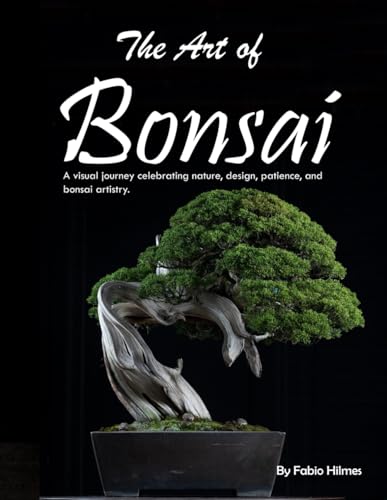
The Art of Bonsai: A Visual Journey of Patience and Harmony coffee table book stands out as the ideal choice for both seasoned gardeners and curious beginners. This high-quality guide is packed with beautiful pictures that inspire and educate. As you explore various bonsai styles, you’ll learn essential techniques like pruning, shaping, and proper watering. Each simple step helps you create living art while promoting mindfulness. Perfect for anyone interested in gardening, this book encourages you to choose your first bonsai tree and understand seasonal care. It’s an inviting tool that’ll nurture your green thumb and sense of serenity.
Best For: Gardeners and nature lovers of all ages who are interested in growing and caring for bonsai trees.
Pros:
- High-quality, full-color visuals that enhance understanding of bonsai techniques.
- Simple and easy-to-follow guidance tailored for beginners.
- Encourages mindfulness and promotes a sense of serenity through gardening.
Cons:
- May not provide advanced techniques for experienced bonsai enthusiasts.
- Limited to bonsai care, which may not appeal to all gardening interests.
- The focus on visual elements might overshadow detailed written instructions for some readers.
The Little Book of Bonsai: An Easy Guide to Caring for Your Bonsai Tree

For anyone enthusiastic to nurture a beautiful bonsai tree, *The Little Book of Bonsai* serves as an essential guide. Written by Jonas Dupuich, this book simplifies bonsai care for beginners, helping you develop your skills. You’ll learn the basics of watering, pruning, and fertilizing, ensuring your trees thrive. Dupuich also explains how to care for indoor and outdoor bonsai, addressing their unique needs. Plus, the book helps you select the right species and display your trees beautifully. Its full-color photos and step-by-step images inspire creativity and add value, making it a must-have for aspiring bonsai enthusiasts.
Best For: Beginners eager to learn about caring for bonsai trees and enhance their gardening skills.
Pros:
- Clear and effective guidance on essential bonsai care techniques, making it accessible for newcomers.
- Covers both indoor and outdoor bonsai care, ensuring a comprehensive understanding of different environments.
- Stylish full-color design with inspiring photographs and step-by-step images that enhance learning and creativity.
Cons:
- May not provide in-depth techniques for advanced bonsai artists.
- Limited coverage on certain rare or specialized bonsai species.
- Some readers might find the beginner-focused approach too simplistic for their needs.
Literati Style Penjing: Chinese Bonsai Masterworks
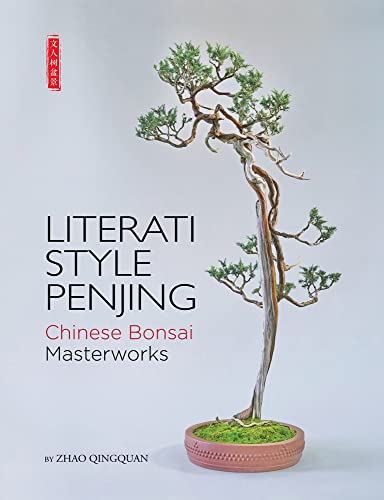
Exploring Literati Style Penjing in “Bonsai Coffee Table Books” is perfect for art enthusiasts and budding bonsai gardeners alike. This unique style, inspired by Chinese scholar-bureaucrats, emphasizes simplicity and elegance, featuring a slender trunk with minimal foliage. As you investigate the book, admire the twelve showcased creations that seamlessly blend art, culture, and nature. Pay attention to the cultivation techniques and aesthetic principles employed in each design. Engaging with Literati Style Penjing allows you to appreciate the rich history and techniques behind this art form. Start exploring, and let your creativity flourish within this enchanting bonsai tradition.
Best For: Art enthusiasts and budding bonsai gardeners looking to explore traditional Chinese penjing artistry.
Pros:
- Inspires creativity by showcasing unique literati style penjing creations that blend art and nature.
- Provides valuable cultivation techniques and aesthetic principles to enhance understanding of bonsai artistry.
- Rich historical context offers deeper appreciation of the cultural significance behind the art form.
Cons:
- May require prior knowledge of bonsai techniques, which could be challenging for complete beginners.
- Limited hands-on guidance might leave some readers wanting more practical instructions for creating their own penjing.
- Specific aesthetic focus may not appeal to all bonsai enthusiasts, particularly those who prefer more traditional styles.
Penjing: The Chinese Art of Bonsai Pictorial Exploration
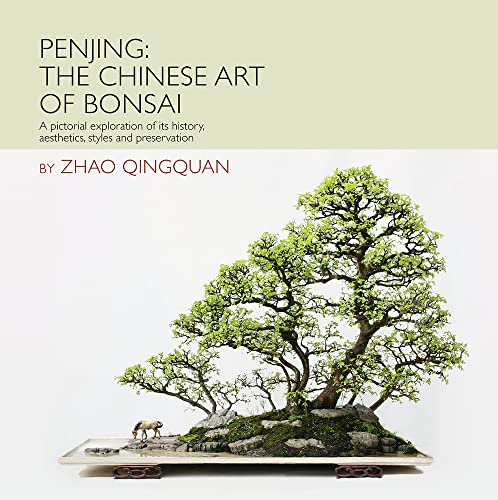
If you’re captivated by the beauty and tranquility that miniature landscapes can bring to your home, “Penjing: The Chinese Art of Bonsai Pictorial Exploration” is a perfect choice for you. This book immerses you in the ancient Chinese craft of penjing, which fuses plants, rocks, and water into stunning microcosms. You’ll discover tree penjing, rock penjing, and water-and-land penjing styles. The over 300 vibrant photographs showcase intricate designs that reflect the harmony found in nature. Both educational and practical, this book guides you in preserving this art form. Explore its rich history and learn techniques to create your own penjing masterpiece.
Best For: Anyone interested in the serene beauty and artistry of miniature landscapes, particularly those with an appreciation for Chinese culture and gardening.
Pros:
- Educational resource: Offers extensive information on penjing history, aesthetics, and techniques.
- Visual appeal: Contains over 300 vibrant photographs that inspire creativity and appreciation for nature.
- Catering to all levels: Suitable for both beginners and seasoned enthusiasts wanting to enhance their penjing skills.
Cons:
- Limited scope: Focuses solely on Chinese penjing, which may not satisfy those interested in other bonsai traditions.
- Requires commitment: Mastering the techniques and maintaining penjing landscapes can be time-consuming.
- Availability: May be difficult to find in some regions or may require special ordering.
Bonsai Life Histories: The Lives of over 50 Bonsai Trees
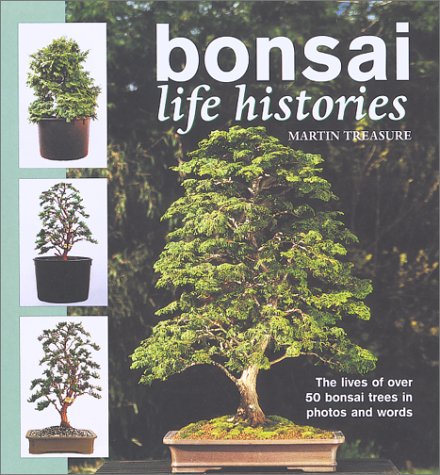
Bonsai Life Histories: The Lives of over 50 Bonsai Trees in Photos and Words
- Used Book in Good Condition
Bonsai Life Histories: The Lives of over 50 Bonsai Trees is the perfect choice for anyone looking to deepen their appreciation for this ancient art form. In this book, you’ll explore the transformation of raw plant material into stunning bonsai specimens. With detailed photographs and enthralling stories, you’ll learn about over 50 unique bonsai trees. The author, Martin Treasure, shares valuable techniques for styling, pruning, and maintaining your bonsai. Plus, you’ll gain insight into the origins of bonsai and the characteristics that define a quality tree. This resource will keep your green thumb thriving as you initiate your bonsai journey.
Best For: Those who are passionate about bonsai and want to enhance their skills and knowledge in cultivating and caring for these unique trees.
Pros:
- In-depth content: Offers comprehensive information on bonsai history, techniques, and species.
- Visual appeal: Features stunning photographs that illustrate the beauty of bonsai trees and their transformation.
- Expert insights: Written by bonsai expert Martin Treasure, providing credible and valuable advice for enthusiasts.
Cons:
- Niche audience: Primarily targeted at bonsai enthusiasts, which may limit appeal to a broader audience.
- Complex techniques: Advanced techniques may be challenging for complete beginners to grasp without prior experience.
- Limited availability: May not be widely available in all bookstores, making it harder for interested readers to access.
Bonsai and Penjing: Ambassadors of Peace & Beauty
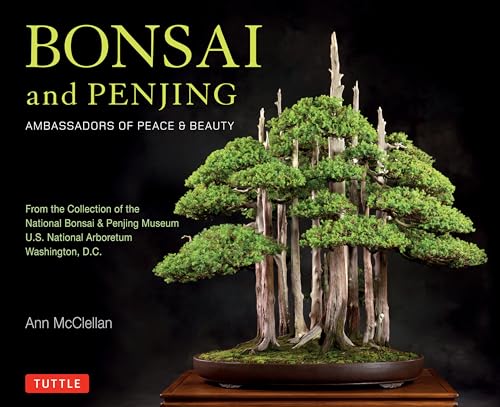
For art lovers and nature enthusiasts alike, “Bonsai and Penjing: Ambassadors of Peace & Beauty” offers a fascinating journey into the world of miniature trees. This book takes you through the National Arboretum, showcasing how bonsai and penjing serve as symbols of peace and diplomacy. Discover the inspiring story of the 53 bonsai trees gifted to the U.S. in 1976, leading to the museum’s creation. You’ll learn about influential artists like John Naka and appreciate the diverse collection of trees—from Chinese penjing to North American bonsai—inviting you to explore these living artworks that capture beauty and history.
Best For: Art lovers, nature enthusiasts, and individuals interested in the cultural significance of bonsai and penjing.
Pros:
- Comprehensive Collection: The museum houses the most extensive collection of bonsai and penjing globally, providing a rich variety for visitors to explore.
- Cultural Diplomacy: Highlights how bonsai and penjing serve as ambassadors of peace and beauty, enhancing international relations through art.
- Inspirational Stories: Engaging narratives of influential artists and individual trees enhance the reader’s appreciation of the art form.
Cons:
- Limited Accessibility: Depending on location, not everyone may have the opportunity to visit the museum in person.
- Potential Overwhelm: The diversity of the collection may be overwhelming for those new to bonsai and penjing, requiring time to fully appreciate.
- Niche Interest: The specific focus on bonsai and penjing might not appeal to all readers or art enthusiasts, as interests can vary widely.
Bonsai

Searching for a guide that’s perfect for both beginners and seasoned bonsai enthusiasts? Consider exploring the art of bonsai, which symbolizes serenity through miniature trees in beautiful containers. This practice blends artistic expression with horticultural skills, creating a deeply respected craft. In your journey, look for clear, step-by-step methods to grow and care for your bonsai. Easy-to-follow care instructions and simple photography will help demystify techniques. Immerse yourself in traditional styles like Chokkan or Moyogi, and don’t shy away from innovative styles, such as Sharimiki. Embrace your creativity, and let each bonsai become a reflection of you.
Best For: Bonsai enthusiasts seeking a comprehensive guide that caters to both beginners and experienced practitioners looking to refine their skills.
Pros:
- Clear, step-by-step methods make it accessible for beginners.
- Covers both traditional and innovative bonsai styles, allowing for creativity and exploration.
- Easy-to-follow care instructions paired with simple photography help demystify the art of bonsai gardening.
Cons:
- Might lack advanced techniques that seasoned bonsai practitioners are seeking.
- Focus on simplicity could overlook some nuances important for expert growers.
- Limited coverage on specific species or regional variations in bonsai care.
In Training, a book of bonsai photos
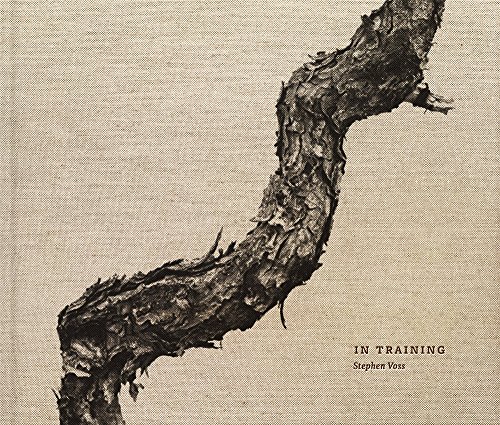
If you appreciate the delicate balance of art and nature, “In Training” is a perfect addition to your coffee table. This fascinating book showcases stunning bonsai photos, inviting you to explore an ancient art form. You’ll find each image not only beautiful but also full of history. The National Bonsai & Penjing Museum, located in a unique urban setting, serves as the backdrop for many of these trees. You may connect personally with the collection, visiting it like the author did with his family. Take time to enjoy each photo, learning patience, beauty, and the timelessness bonsai trees offer.
Best For: Those who appreciate the intersection of art and nature, especially bonsai enthusiasts and families seeking a thoughtful addition to their home decor.
Pros:
- Beautifully captures the intricate details of bonsai trees, enhancing any living space.
- Provides a rich historical context for each image, deepening the understanding of the bonsai art form.
- Encourages mindfulness and appreciation for patience and longevity in contrast to modern life’s pace.
Cons:
- May not appeal to those without an interest in gardening or nature.
- The focus on bonsai might limit its audience compared to more diverse photography books.
- Requires a certain level of appreciation for fine art, which could alienate casual readers.
The Complete Book of Bonsai: A Practical Guide to Its Art and Cultivation
Sale


The Complete Book of Bonsai: A Practical Guide to Its Art and Cultivation
- Used Book in Good Condition
Learning the enchanting art of bonsai becomes much easier with “The Complete Book of Bonsai: A Practical Guide to Its Art and Cultivation.” This book stands out as an invaluable resource for both beginners and seasoned enthusiasts who want to dive deeper into bonsai cultivation. Inside, you’ll find a thorough overview of bonsai’s history and principles. It beautifully illustrates classic styles, helping you understand their unique aesthetics. You’ll also learn essential techniques for creating bonsai from seedlings or cuttings. With detailed instructions and a photographic catalog of over 100 species, this guide guarantees your bonsai journey will be both enjoyable and successful.
Best For: Beginners and seasoned bonsai enthusiasts seeking a comprehensive guide to the art and cultivation of bonsai trees.
Pros:
- Detailed exploration of bonsai history, principles, and classic styles enhances understanding and appreciation of the art form.
- Step-by-step cultivation techniques allow readers to create bonsai from various starting materials, making it accessible for all skill levels.
- Photographic catalog of over 100 species provides valuable visual aids and information for successful cultivation.
Cons:
- The comprehensive nature of the book may be overwhelming for complete beginners without any prior knowledge of gardening.
- Some advanced bonsai techniques may not be covered in depth, leaving experienced practitioners wanting more specialized information.
- The requirement of specific tools and materials may present an initial cost barrier for those just starting out.
Factors to Consider When Choosing a Bonsai Coffee Table Book

When you’re choosing a bonsai coffee table book, consider several key factors. First, look for visual appeal; vibrant photos can make a big difference in showcasing these beautiful trees. You’ll also want to assess the content depth and clarity, ensuring the author’s expertise shines through with practical tips that are easy to understand.
Visual Appeal Importance
Visual appeal plays an essential role in choosing a bonsai coffee table book. High-quality, full-color photographs enhance your understanding of the intricate beauty of bonsai art. Look for books that feature visually striking images showcasing various bonsai styles. This will help you appreciate the aesthetic diversity within this enchanting art form. Engaging visuals not only aid in learning but also make the book an attractive decorative piece on your coffee table, sparking conversations. Additionally, consider books with step-by-step visual aids; these can greatly improve comprehension, especially for beginners. A well-designed presentation promotes mindfulness, making your bonsai exploration feel serene and enjoyable—perfectly aligning with the philosophy of this living art.
Content Depth and Clarity
Finding the right bonsai coffee table book means looking beyond visuals; you also need content that connects deeply. Look for books that provide clear, step-by-step guidance on watering, pruning, and shaping techniques. This makes it easier for beginners like you to start cultivating your bonsai. High-quality photographs are a huge plus, helping you visualize different styles and care methods.
Ensure the book covers essential topics like species selection and seasonal maintenance, yet remains concise. Practical tips and troubleshooting advice can boost your confidence when issues arise. Finally, choose a book with a clear organization. Sections should flow logically from basics to advanced techniques, making it easy to navigate as you enhance your skills.
Author’s Expertise and Credentials
Choosing a bonsai coffee table book with the right author can make a big difference in your learning journey. Look for authors with solid expertise in bonsai care and cultivation, as their insights guarantee you receive reliable advice. Those with backgrounds in horticulture or who are recognized bonsai professionals can provide valuable techniques and modern approaches that resonate with today’s enthusiasts. Engaging narratives from seasoned authors can inspire you, too. When you read their personal stories, you’ll feel more motivated to practice bonsai yourself. Finally, consider books resulting from collaborations with esteemed bonsai artists; they often blend historical context with contemporary practices, giving you a well-rounded understanding of this fascinating art form.
Photography Quality and Style
When exploring bonsai coffee table books, photography quality and style are essential factors to enhance your experience. Look for high-quality, full-color images that truly capture the artistry of bonsai trees. A variety of different bonsai styles and arrangements in the photographs will help you appreciate their intricate details, such as leaves, bark, and branches. Additionally, a mix of wide shots and close-ups highlights both the overall beauty of the landscapes and specific techniques. Pay attention to the arrangement and composition; they tell the story of harmony in nature. Finally, guarantee the photographic style remains consistent throughout the book, reinforcing your understanding and appreciation of bonsai art seamlessly.
Practical Guidance and Tips
Selecting a bonsai coffee table book involves some key factors that can substantially enhance your experience. First, identify the audience level, whether it’s beginners or advanced enthusiasts, so the book matches your skill. Next, prioritize books with high-quality, full-color photographs. These visuals make it easier to grasp various bonsai styles. Also, look for practical guidance, including easy care instructions and tips for maintaining your bonsai trees. A thorough exploration of bonsai history and culture enriches your understanding of the art. Finally, consider books with insights from experts or cultural practitioners, as diverse perspectives offer unique knowledge on techniques and styles. Making these considerations will guarantee you choose a truly engaging and informative bonsai coffee table book.
Frequently Asked Questions
Where Can I Purchase Bonsai Coffee Table Books?
You can purchase bonsai coffee table books at local bookstores, or check online retailers like Amazon and eBay. If you prefer to browse, visit specialty gardening shops or big-box stores that have garden sections. Libraries often have great collections, so you might find what you need there too. Don’t forget to explore thrift shops or used bookstores for unique finds. Happy searching, and enjoy discovering the art of bonsai!
Are There Bonsai Books Suitable for Beginners?
Absolutely, there are bonsai books perfect for beginners! Think of them as the guiding stars on your journey. Look for titles like “The Bonsai Beginner’s Bible” or “Bonsai: The Complete Illustrated Guide.” These books offer step-by-step instructions, practical tips on watering, pruning, and shaping your trees. You’ll learn about different styles, tools, and potting techniques. With each page, you’ll grow more confident, nurturing both your bonsai and your green thumb!
How Do I Choose a Bonsai Tree for My Home?
To choose a bonsai tree for your home, start by considering your space and lighting. If you have bright light, a Ficus or Juniper could thrive. For lower light, try a Chinese Elm. Think about your skill level too; beginners often prefer easier varieties like the Pomegranate. Finally, check for healthy leaves and roots when selecting. With the right choice, you’ll have a beautiful addition to your home that inspires growth!
What Is the Difference Between Bonsai and Traditional Gardening?
Bonsai and traditional gardening differ mainly in scale and technique. In bonsai, you’re cultivating miniature trees, while traditional gardening focuses on full-sized plants. Bonsai requires specific techniques like pruning and wiring to shape the tree, promoting artistic forms. You’ll often place bonsai in decorative pots, whereas traditional gardens use larger beds or containers. Ultimately, bonsai emphasizes patience and precision, giving you a unique way to express creativity through nature. Enjoy the journey!
Can I Create a Bonsai Garden Indoors?
Yes, you can create a bonsai garden indoors! Start by choosing suitable mini trees like Ficus or Juniper. Use a shallow pot with drainage holes to keep roots healthy. Position your bonsai near a window, where it gets bright, indirect light. Water your bonsai regularly, ensuring the soil remains moist but not soggy. Prune and nurture your trees to shape them and encourage growth. With care, your indoor bonsai garden will thrive beautifully!


