As an Amazon Associate, we earn from qualifying purchases. Some links on this site are affiliate links at no extra cost to you. Our recommendations are based on thorough research and editorial judgment.


10 Best Bonsai Forest Planting Techniques for Stunning Miniature Landscapes

To create stunning bonsai forests, start by choosing the right seeds like Redwood or Italian Cypress. Use durable black plastic trays measuring about 13.75 by 11 inches for planting. Guarantee quality soil that retains moisture yet drains well, like Fox Farms Ocean Forest Soil. Prune and water regularly to promote growth. Position taller trees at the back for depth and create appealing arrangements with odd-numbered groupings. Discover practical maintenance tips to enhance your bonsai experience.
Key Takeaways
- Select hardy species like Japanese Black Pine and Redwood that adapt well in grouped landscapes for creating resilient bonsai forests.
- Arrange trees with taller species in the back and shorter in the front to add depth and visual interest to your design.
- Incorporate natural elements like stones and driftwood to enhance realism and integrate your bonsai forest with its environment.
- Maintain proper soil hydration and balanced fertilization to support healthy root growth and vigorous foliage throughout the growing season.
- Use odd-number groupings of trees to create an aesthetically pleasing composition, promoting harmony in the miniature landscape.
2 x Black Plastic Tray for Propagation and Planting
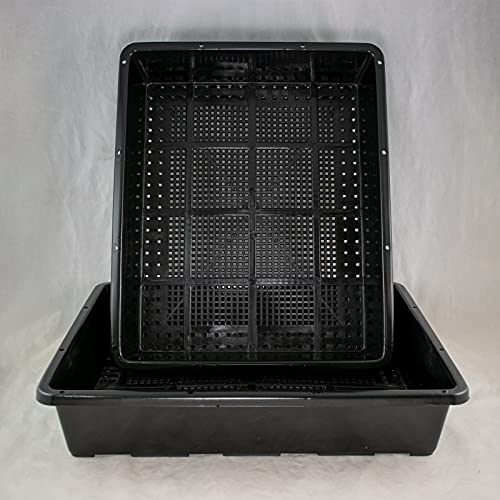
2 x Black Plastic Tray for Propagation, Bonsai Forest/Group Planting 15"x 12"x 3"
- 2 x New Black Plastic Tray for Propagation, Bonsai Forest/Group Planting
- INSIDE DIMENSIONS: 13.75"(L)x 11"(W)x 2.75"(D)
- OUTSIDE DIMENSIONS: 15"(L)x 12"(W)x 3"(H)
When you’re ready to immerse yourself in bonsai planting, a black plastic tray for propagation and planting is a fantastic choice, especially for beginners. These trays measure 13.75 inches long by 11 inches wide, allowing ample space for your bonsai seeds or cuttings. With a depth of 2.75 inches, you can fill them with approximately 1.8 gallons of soil, perfect for group planting. Made from durable black plastic, they’ll withstand outdoor elements while keeping your plants secure. Using these trays will help you efficiently care for multiple bonsai at once, creating a beautiful miniature forest that thrives under your care.
Best For: Beginners and bonsai enthusiasts who want to efficiently propagate and group plant their miniature forests.
Pros:
- Durable Material: Made of robust black plastic that can withstand outdoor conditions.
- Ample Space: Generous dimensions provide enough area for bonsai seeds or cuttings.
- Efficient Care: Allows for simultaneous care of multiple bonsai plants, enhancing gardening productivity.
Cons:
- Measurement Variation: All dimensions are approximations and may vary slightly by 0.25 inches.
- Limited Depth: At 2.75 inches, may not be suitable for deeper root systems.
- Single Color Option: Available only in black, which may not appeal to all aesthetic preferences.
Redwood Forest Bonsai Tree Seeds (40 Seeds)
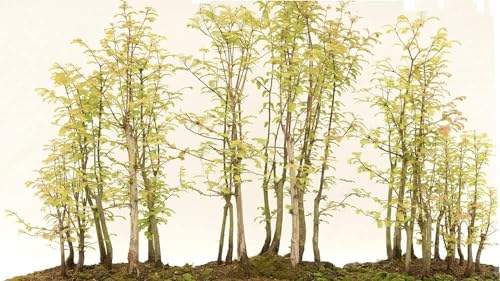
Redwood Forest Bonsai Tree Seeds - 40 Seeds - Sequoia Bonsai Seeds for Planting - Sequoia...
- REDWOOD BONSAI: One of the more popular forest bonsai specimen, Sequoia sempervirens. Grow them in a large pot that looks like a mini Giant Redwood Sequoia Forest.
- READY TO PLANT: Seeds arrive ready to grow. Start them using the wet paper towel method, or start them directly in soil.
- BONSAI SPECIMEN: Excellent bonsai specimen. Hardy and great as indoor or outdoor bonsai.
If you’re looking for a rewarding experience in bonsai cultivation, Redwood Forest Bonsai Tree Seeds are an excellent choice. These Sequoia sempervirens seeds come in a pack of 40, so you’ll have plenty to work with. To start, you can use the wet paper towel method or plant them directly in soil. This hardy specimen thrives in both indoor and outdoor settings. CZ Grain guarantees you get complete instructions, helping you care for your new bonsai. As they grow, you’ll appreciate the beauty of these majestic trees, bringing a touch of nature right into your home or garden.
Best For: Bonsai enthusiasts and gardeners looking to cultivate a hardy and beautiful tree in their home or garden.
Pros:
- Popular choice for bonsai cultivation with a rewarding growth process.
- Suitable for both indoor and outdoor settings, enhancing your living space.
- Comes with complete planting instructions and support for successful care.
Cons:
- Requires patience and commitment to grow from seeds.
- Growing conditions must be monitored to ensure successful germination and development.
- Not ideal for those seeking instant results, as trees take time to mature.
Italian Cypress Bonsai Forest Seeds for Planting – 50 Seeds
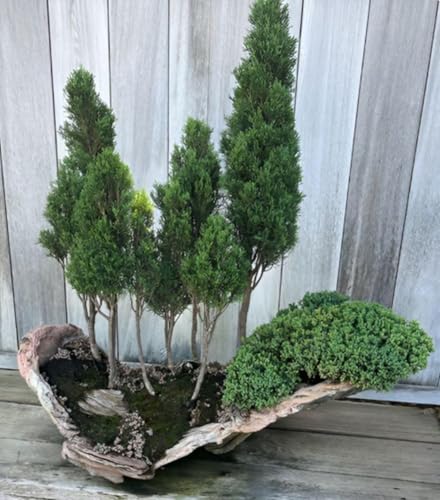
Italian Cypress Bonsai Forest Seeds for Planting - 50 Seeds
- FRESH SEEDS: 50 fresh seeds to grow a cool bonsai forest
- EXOTIC PLANT: Grow indoors or outdoors
- EXOTIC PLANTS: Exotic Plant to Grow as Bonsai or Outdoors. A true classic by CZ Grain.
Italian Cypress Bonsai Forest Seeds are an excellent choice for anyone looking to create a stunning bonsai forest, whether you’re a novice or an experienced gardener. With 50 seeds in each pack, you can grow your miniature landscape both indoors or outdoors. To help your trees thrive, consider using all-natural soil like CZ Grain Soil or Fox Farms Ocean Forest Soil. These options guarantee ideal growth for your Italian cypress. Remember, quality matters; you’re getting guaranteed authentic seeds from CZ Grain. So, plant them carefully, nurture your seedlings, and watch your beautiful bonsai forest come to life!
Best For: This product is best for both novice and experienced gardeners looking to create a beautiful bonsai forest.
Pros:
- Guaranteed authentic seeds from a reputable source (CZ Grain).
- Suitable for indoor and outdoor growth, providing versatility.
- Ideal growth when planted in all-natural soil, like CZ Grain Soil or Fox Farms Ocean Forest Soil.
Cons:
- Customer ratings are average, with only 3.0 out of 5 stars based on limited reviews.
- Relatively low Best Sellers Rank may indicate less popularity or demand.
- Limited information on germination success rates or care instructions provided.
Bonsai Tree Bundle – Collection of 5 Live Tree Seedlings
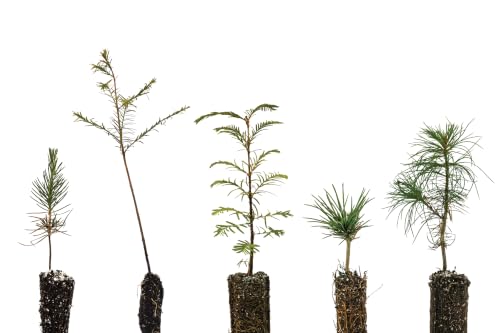
Bonsai Tree Bundle | Collection of 5 Live Tree Seedlings | The Jonsteen Company
- A collection of seedlings selected for their suitability for shaping, including Japanese Black Pine, Dawn Redwood, Eastern White Pine, Limber Pine, and Baldcypress
- Seed-grown on California's Redwood Coast
- Transplanting and care instructions included
The Bonsai Tree Bundle by The Jonsteen Company is perfect for aspiring gardeners who want to start their journey with five unique live tree seedlings. Included are the Japanese Black Pine, Ponderosa Pine, Dawn Redwood, American Sweetgum, and Baldcypress. Each seedling is selected for its suitability in shaping, allowing you to craft stunning bonsai. You’ll receive clear transplanting and care instructions that make nurturing these trees easy. Planting these seedlings not only enhances your garden’s beauty but also helps improve air quality and combat erosion. Grow your collection, and watch your landscape flourish with these remarkable trees!
Best For: aspiring gardeners who want to cultivate and shape unique bonsai trees.
Pros:
- Variety: Includes five different tree species for diverse shaping options.
- Easy Care: Comes with clear transplanting and care instructions for beginners.
- Environmental Benefits: Contributes to improved air quality and promotes biodiversity.
Cons:
- Time-Consuming: Bonsai cultivation requires patience and long-term commitment.
- Climate Sensitivity: Some species may have specific climate needs, limiting where they can be grown.
- Initial Investment: Purchasing live seedlings can be more expensive than starting from seeds.
Bonsai Orange Tree Seeds (20 Seeds)
Sale


Bonsai Orange Tree Seeds, 20 Seeds to Grow a Delicious Fruit Bearing Bonsai Tree.
- CITRUS BONSAI TREE SEEDS: Easy to Grow Orange Tree Seeds. Grow as Bonsai or for food.
- UNIQUE PLANTS: Turn heads with this fast grower. Tasty Edible Fruit.
- GROWING TIPS: Sew 1/2 deep in good organic soil. Keep the seed bed moist while the plants germinate.
Bonsai Orange Tree Seeds are a fantastic choice for anyone interested in cultivating a unique and fruitful bonsai. These seeds, sold in packs of 20, are easy to grow and promise a delightful addition to your garden. Start by planting them 1/2 inch deep in quality organic soil, such as CZ Grain Soil or Fox Farms Ocean Forest Soil. Keep the soil moist during germination to guarantee success. You’ll love watching these fast-growing plants develop into stunning trees that bear tasty fruit. With a satisfaction guarantee from CZ Grain, you can confidently start your bonsai journey!
Best For: Gardening enthusiasts and bonsai lovers who want to grow their own fruit-bearing bonsai trees.
Pros:
- Fast-growing: These seeds develop quickly, providing rapid satisfaction as they transform into beautiful trees.
- Dual purpose: They can be cultivated for both aesthetic enjoyment as bonsai and for harvesting tasty edible fruit.
- Satisfaction guarantee: Purchase confidently with the assurance of quality and support from CZ Grain.
Cons:
- Requires specific soil: Optimal growth is dependent on using recommended soil types, which may not be readily available for all.
- Moisture maintenance: Keeping the soil consistently moist during germination can be challenging for new gardeners.
- Space considerations: Even bonsai trees need adequate space to thrive, which may be limited in smaller homes or apartments.
Bonsai Tree Seeds – Japanese Cherry Blossom (10 Seeds)
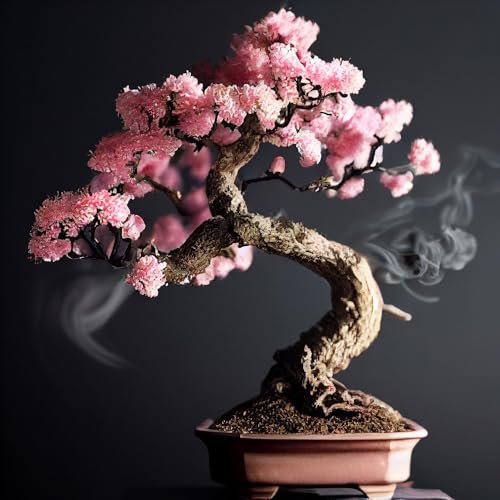
Bonsai Tree Seeds - Japanese Cherry Blossom (10 Seeds)
- FRESH SEEDS: 10 Healthy Seeds to Plant. Japanese Cherry Blossom. A Must Have
- PLANTING TIPS: 30 days of cold stratifcation is benefical. Use good starter soil like CZ Grain Bonsai Soil. Exotic Bonsai Seeds
- MADE IN USA: Buy with confidence from CZ Grain. You get authentic Cherry BlossomSeeds. Satisfaction Guaranteed.
If you’re looking to add a touch of beauty to your garden, the Japanese Cherry Blossom bonsai seeds are a fantastic choice. You’ll receive ten healthy seeds that can transform your space into a stunning landscape. Start by cold stratifying your seeds for 30 days, which greatly benefits germination. Use high-quality starter soil, like CZ Grain Bonsai Soil or Fox Farms Ocean Forest, for best results. Follow the growing instructions included with your seeds, and soon you’ll enjoy watching your bonsai flourish. With a little care, you can grow this beautiful tree and brighten your garden every day!
Best For: Gardening enthusiasts and bonsai lovers looking to enhance their outdoor space with beautiful Japanese Cherry Blossom trees.
Pros:
- Fresh Seeds: Comes with 10 healthy seeds ready for planting.
- Easy to Grow: Suitable for beginners with clear growing instructions provided.
- Quality Assurance: Authentically made in the USA and backed by satisfaction guarantee.
Cons:
- Cold Stratification Required: Needs 30 days of cold treatment before planting.
- Soil Specific Requirements: Requires specific types of soil for best growth.
- Time to Maturity: Takes time to grow into a fully developed bonsai tree.
Indian Banyan Bonsai Tree Seeds for Planting – Ficus benghalensis
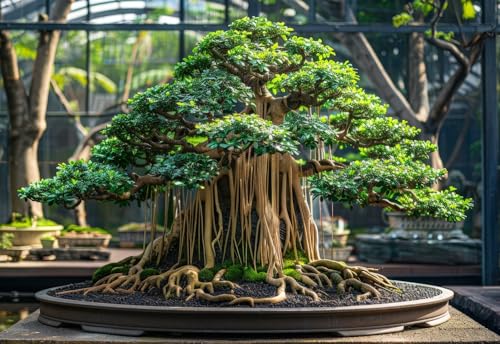
Indian Banyan Bonsai Tree Seeds for Planting - Ficus benghalensis
- BONSAI: Its fun to grow your own bonsai trees.
- STUNNING BONSAI: Beautiful leaves and blooms make this a unique specimen indeed. Great Bonsai Material
- CZ GRAIN GUARANTEE: Buy with confidence from CZ Grain. You get authentic seeds. Satisfaction Guaranteed. All Natural Soil Like CZ Grain Soil, or Fox Farms Ocean Forest...
For anyone looking to cultivate a stunning bonsai tree, the Indian Banyan (Ficus benghalensis) presents an exceptional choice. These seeds offer a unique opportunity for bonsai enthusiasts to create a beautiful piece of art. To make certain your tree flourishes, use all-natural soil, like CZ Grain Soil or Fox Farms Ocean Forest Soil. The leaves and blooms of the Indian Banyan will add charm to your miniature landscape. You can buy with confidence, as CZ Grain guarantees seed authenticity and customer satisfaction. Start planting today, and watch your bonsai tree grow into a magnificent specimen that impresses everyone!
Best For: Bonsai enthusiasts and gardeners looking to cultivate a unique and aesthetically pleasing tree.
Pros:
- Bold foliage and attractive blooms enhance the beauty of any bonsai collection.
- Guaranteed seed authenticity from CZ Grain ensures quality planting material.
- All-natural soil recommendations help optimize growth for healthy bonsai trees.
Cons:
- Growth may require specific care and attention, which can be challenging for beginners.
- Limited availability depending on season and sourcing of seeds.
- Potential for slow growth compared to other bonsai tree varieties.
30 California Coast Redwood Seeds Giant Sequoia Bonsai
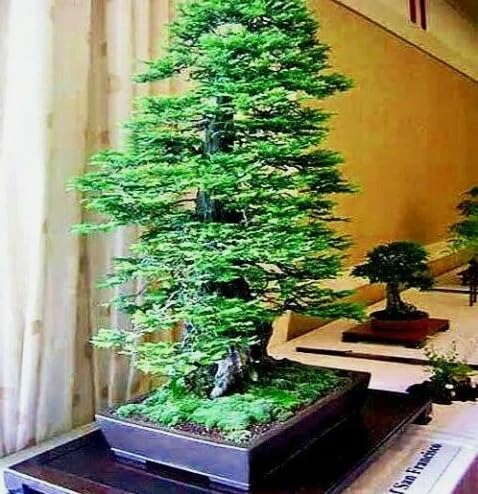
30 California Coast Redwood Seeds Giant Sequoia Bonsai
- FRESH SEEDS: 30 seeds of Redwood Tree for Bonsai. Popular for a mini Bonsai Forest
- CZ GRAIN GUARANTEE: Buy with confidence from CZ Grain. You get authentic Redwood Tree seeds. Satisfaction Guaranteed.
- PLANTING TIPS: All Natural Soil Like CZ Grain Soil, or Fox Farms Ocean Forest Soil is very good soil!
Creating a striking mini Bonsai forest with California Coast Redwood seeds can be an exciting project for both novice and experienced gardeners. You’ll receive 30 authentic seeds from CZ Grain, ensuring freshness and quality. For optimal performance, use all-natural soil, like CZ Grain Soil or Fox Farms Ocean Forest Soil. Plant the seeds following specific instructions that provide the best results. Keep the soil moist, and position your seedlings where they’ll get plenty of light. By nurturing these Giant Sequoia bonsai, you’ll achieve a breathtaking natural landscape right at home. Enjoy the journey of cultivating your unique mini forest!
Best For: Gardeners looking to create a unique mini Bonsai forest with authentic California Coast Redwood seeds.
Pros:
- Guaranteed fresh seeds ensure high germination rates and robust growth.
- All-natural soil recommendations enhance the health and vitality of the plants.
- Satisfaction guaranteed provides confidence in the quality of the purchase.
Cons:
- Requires specific planting instructions for best results, which may be challenging for beginners.
- Needs consistent moisture and light, demanding regular attention and care.
- Limited to California Coast Redwood species, which may not appeal to those seeking diverse plant options.
2 Pcs – 20″ Japanese Plastic Propagation, Bonsai Forest/Group Planting Tray
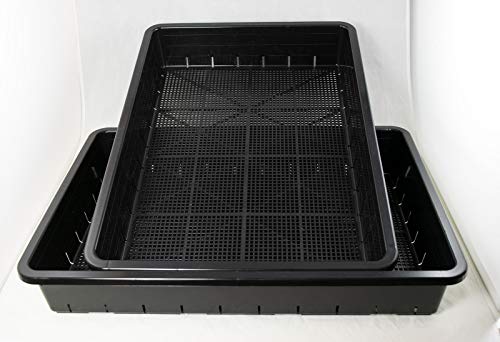
Calibonsai 2 Pcs - 20" Japanese Plastic Propagation, Bonsai Forest/Group Planting Tray
- 2 New Japanese Plastic Propagation, Bonsai Forest / Group Planting Tray
- INSIDE DIMENSIONS: 18.5"(L) x 12.5"(W)x 3"(D)
- OUTSIDE DIMENSIONS: 20"(L)x 14"(W)x 3.25"(H)
The 20″ Japanese Plastic Propagation and Bonsai Forest/Group Planting Tray is an excellent choice for both novice and experienced bonsai enthusiasts. This tray comes in a set of two and is designed to foster healthy growth for your bonsai trees. Measuring 18.5 inches long, 12.5 inches wide, and 3 inches deep, it holds about 3.5 gallons of soil. Use this tray for propagation or planting a stunning bonsai forest grouping. Its durable plastic construction guarantees longevity, while its Japanese design enhances your gardening experience. Employ this tray to create beautiful, miniature landscapes that thrive in a nurturing environment.
Best For: This product is best for both novice and experienced bonsai enthusiasts looking to propagate or create beautiful bonsai forest groupings.
Pros:
- Durable plastic construction ensures longevity and resilience.
- Ideal dimensions accommodate various bonsai tree sizes while retaining sufficient soil volume.
- Japanese design enhances the aesthetic appeal of your gardening setup.
Cons:
- Limited to a specific size, which may not suit larger bonsai trees.
- Plastic material may not appeal to all eco-conscious gardeners.
- Requires separate purchase of soil and bonsai trees.
The Bonsai Beginner’s Bible


Bonsai gardening offers a fascinating avenue for those looking to cultivate a unique blend of artistry and nature, especially if you’re new to plant care. Start by understanding bonsai’s rich history, originating from Japan and China. To nurture your trees, learn essential techniques like wiring, watering, feeding, and repotting. Seasonal maintenance is vital for their health. Don’t shy away from common issues; know how to identify and solve them. Carefully select your containers, considering size and aesthetics. Finally, explore a species directory with over 180 options, supported by photographs, to help you choose the perfect bonsai for your journey.
Best For: Anyone interested in starting their journey in bonsai gardening, whether they’re complete beginners or enthusiasts looking to expand their knowledge.
Pros:
- Comprehensive guide covering all essential techniques for nurturing bonsai trees.
- Extensive species directory with over 180 options and illustrative photographs to assist in selection.
- Practical solutions for common issues, aiding in maintaining tree health and vitality.
Cons:
- Potentially overwhelming for absolute beginners due to the breadth of information provided.
- May require significant time investment for proper seasonal maintenance and care.
- Container selection guidance may not cover every possible aesthetic preference or regional availability.
Factors to Consider When Choosing Bonsai Forest Planting

When you’re choosing bonsai forest planting, several key factors can impact your success. You’ll want to contemplate tray dimensions and volume, as well as the type of seeds you select. Also, think about soil quality, whether your plants will grow indoors or outdoors, and the maintenance they’ll require throughout the year.
Tray Dimensions and Volume
Selecting the right tray dimensions and volume is essential for nurturing a vibrant bonsai forest. Start by considering the tray’s inside dimensions, as they directly impact root space. For smaller bonsai setups, dimensions like 13.75 inches by 11 inches work well. Next, pay attention to the tray depth; around 2.75 inches allows enough soil volume for nourishment without being too difficult to manage. Aim for a tray that holds about 1.8 gallons of soil, promoting strong root development. Additionally, verify the outside dimensions, like 15 inches by 12 inches, provide stability, especially when planting multiple trees together. Always prioritize capacity to support the growth of all your bonsai forest specimens, keeping them healthy and thriving.
Seed Type Selection
Choosing the right seeds for your bonsai forest can greatly influence the growth and harmony of your trees. Start by considering the growth habits of different species. Some may need more space or have specific water and light requirements. It’s smart to choose hardy species like Japanese Black Pine or Sequoia, as they thrive in varying conditions. Don’t forget to check the germination needs of your seeds, including any stratification, as this can affect success. Look for visually appealing seedlings with attractive leaf shapes and colors to create a harmonious scene. Additionally, when planting outdoors, selecting native seeds can enhance adaptability to your local climate and soil, ensuring a stronger bonsai forest overall.
Soil Quality Considerations
The right soil can make a big difference in the success of your bonsai forest. Start by choosing all-natural soils, like organic mixes, which enhance nutrient availability and moisture retention. High-quality bonsai soils typically blend peat, compost, and drainage materials to provide proper aeration and drainage. This balance prevents root rot while ensuring roots receive sufficient hydration. Regularly test your soil to check pH levels and nutrient content. This insight lets you tailor amendments that support growth effectively. Additionally, consider using fertilizers specially designed for bonsai. These provide essential nutrients in balanced proportions, optimizing your trees’ health and growth. With the right soil, your bonsai forest will thrive beautifully over time.
Indoor Vs Outdoor Growth
When deciding between indoor and outdoor growth for your bonsai forest, consider several key factors that can affect the health and success of your plants. Indoor bonsai often require specific light conditions and protection from drafts, while outdoor varieties enjoy natural sunlight and fresh air circulation. Temperature control is essential indoors, since fluctuations can hinder growth. Conversely, outdoor bonsai must adapt to seasonal changes and local climates. Managing soil moisture is easier indoors with controlled watering, but outdoor plants face varying rain patterns. Additionally, indoor trees experience fewer pests and diseases, whereas outdoor bonsai may suffer from infestations. Choose species wisely; hardy types like Ponderosa Pine thrive outdoors, embracing natural elements and conditions.
Maintenance and Care Guidelines
To guarantee your bonsai forest thrives, meticulous attention to maintenance and care is essential. Start with a balanced watering schedule, making sure the soil stays moist but not swampy to prevent root rot. During the growing season, fertilize every 4-6 weeks with balanced nutrients to support growth. Regular pruning is vital; trim your trees to encourage new growth and control their size effectively. Confirm your bonsai receives 4-6 hours of bright, indirect sunlight each day to guarantee robust health. Additionally, keep an eye out for pests or diseases. If you see signs of trouble, act quickly with organic insecticides or proper sanitation. Following these steps will help your bonsai forest flourish beautifully!
Aesthetic Arrangement Techniques
Choosing the right aesthetic arrangement for your bonsai forest can truly transform its appeal. Start by creating depth; place taller trees in the back and shorter ones in the front. This layout draws the eye and enhances visual interest. Aim for odd number groupings, like three or five trees, as they naturally please the eye. Don’t forget to mix different species and shapes; this diversity mimics real forests and adds complexity. Pay attention to the spacing between trees, leaving enough room for growth while keeping a cohesive look. Finally, enhance your design with natural elements like rocks or driftwood. These additions simulate a realistic environment, making your bonsai forest even more enchanting.
Climate Adaptability Factors
Understanding climate adaptability is essential for successful bonsai planting. Different bonsai species tolerate varying conditions, like temperature and humidity, which affect their growth and survival. For instance, Sequoia sempervirens is hardy and can thrive both indoors and outdoors. However, some bonsai need specific environments.
Consider local seasonal changes, too. Certain trees may need cold stratification or special care in winter months. Also, understanding your region’s climate helps you choose the best species, as some may attract pests or diseases. Soil moisture retention and drainage are important, so make sure your bonsai’s pot allows for proper watering. By focusing on these factors, you’ll create a vibrant, thriving bonsai forest that flourishes. Happy planting!
Propagation Methods and Tools
When commencing your bonsai journey, it’s essential to explore the different propagation methods and tools available. You can choose from direct sowing seeds, taking cuttings, or layering techniques. Each method offers unique benefits and success rates, so select what suits your preferences. Using moisture-retaining propagation trays can create an ideal environment for seedlings by maintaining humidity and ensuring good drainage. For seeds, remember to employ pre-treatment techniques like cold stratification to boost germination rates. Always use quality, all-natural soil rich in nutrients to promote healthy root development. Regularly monitor moisture levels and adjust light exposure to keep growing conditions favorable. These practices will help you cultivate stunning bonsai forests with ease.
Frequently Asked Questions
How Long Does It Take for Bonsai Trees to Mature?
Bonsai trees take anywhere from three to ten years to mature, depending on the species and your care. For quicker growth, you’ll need to provide the right environment, like adequate sunlight and humidity. Regular pruning and wiring will help shape them beautifully as they develop. Just remember, patience is key in bonsai cultivation! Stay attentive to their needs, and you could create a stunning miniature tree that you’ll love for years.
What Soil Type Is Best for Bonsai Forest Planting?
For bonsai forest planting, use well-draining soil like a mix of akadama, pumice, and lava rock. This combination allows roots to breathe while retaining moisture. Imagine a riverbed, where each component serves a purpose: akadama absorbs nutrients, pumice adds stability, and lava rock prevents compaction. Make certain your soil is loose yet balanced, so it nurtures young trees effectively. With the right mix, your miniature forest will thrive, resembling a vibrant woodland scene in miniature.
Can I Mix Different Species in My Bonsai Forest?
Yes, you can mix different species in your bonsai forest. Just make sure the species you choose have similar water and light needs. For example, combining junipers and pines works well, as they thrive under similar conditions. Plant them at varying heights to create depth and interest. Keep an eye on their growth, and prune as needed to maintain balance in your miniature landscape. Enjoy the creativity this mix allows!
How Often Should I Water My Bonsai Forest?
You should water your bonsai forest every few days, but it can depend on the season and conditions. On hot days, you might need to water daily. A good rule of thumb is to check the soil; if it feels dry an inch down, it’s time to water. Aim for consistent moisture, but avoid waterlogging, which can harm the roots. Observing your plants closely will guide you in finding the right balance.
What Tools Do I Need for Bonsai Forest Maintenance?
For bonsai forest maintenance, you’ll need a few essential tools. Grab a pair of sharp pruning shears for trimming branches and shaping your trees. Don’t forget a root rake for untangling roots during repotting. You’ll also want a pair of concave cutters to make clean cuts. A small watering can with a fine spout helps you water precisely, while a humidity tray keeps moisture levels stable. These tools will make caring for your bonsai forest easier!


