As an Amazon Associate, we earn from qualifying purchases. Some links on this site are affiliate links at no extra cost to you. Our recommendations are based on thorough research and editorial judgment.


10 Best Bonsai Handbooks to Cultivate Your Green Thumb (Expert Picks!)

To cultivate your green thumb in bonsai, consider handbooks like *The Complete Book of Bonsai* for all-encompassing techniques and *The Little Book of Bonsai* for easy-to-follow care tips. *Bonsai (101 Essential Tips)* is perfect for beginners keen to learn essentials, while *The Ultimate Bonsai Handbook* refines skills for both novices and seasoned enthusiasts. Each title offers guidance on propagation, pruning, and maintenance tailored to different species. Explore further to uncover more valuable insights for your bonsai journey!
Key Takeaways
- Diverse Guides: Explore a variety of handbooks tailored for both beginners and advanced bonsai enthusiasts, covering essential cultivation techniques and care tips.
- Visual Learning: Many titles feature vivid photographs and diagrams, making complex techniques accessible and engaging for novice practitioners.
- Comprehensive Coverage: Look for books like *The Complete Book of Bonsai*, which offers an extensive photographic catalogue of over 100 species and cultivation methods.
- Seasonal Maintenance: Expert handbooks provide organized seasonal tips for watering, fertilizing, and pest management to ensure healthy bonsai growth year-round.
- Accessible Language: Select books with clear, beginner-friendly language and concise instructions to facilitate a smooth entry into the world of bonsai gardening.
The Complete Book of Bonsai: A Practical Guide to Its Art and Cultivation
Sale


The Complete Book of Bonsai: A Practical Guide to Its Art and Cultivation
- Used Book in Good Condition

If you’re enthusiastic to immerse yourself in the art of bonsai, “The Complete Book of Bonsai” is your ideal guide. This book gives you a rich overview of bonsai’s origins and artistic principles. You’ll discover classic styles, along with examples that show the beauty of diverse tree forms. It walks you through bonsai cultivation, offering step-by-step directions from seedlings to mature trees. Essential maintenance tips guarantee your bonsai stays healthy and thriving. Plus, you’ll find a photographic catalogue featuring over 100 species, making it easy to choose what suits you best. Immerse yourself, and let’s cultivate your green thumb together!
Best For: Beginners and enthusiasts looking to learn and master the art of bonsai cultivation.
Pros:
- Comprehensive Guide: Covers everything from origins and styles to cultivation techniques.
- Visual Appeal: Contains a photographic catalogue with over 100 species, aiding in selection and inspiration.
- Step-by-Step Instructions: Provides detailed guidance for transforming seedlings into mature bonsai trees.
Cons:
- Potential Overload of Information: Beginners might find the extensive content overwhelming at first.
- Requires Commitment: Cultivating bonsai can be time-consuming and demands patience.
- Tool Investment Needed: Additional tools may be necessary, which could involve extra costs for beginners.
The Little Book of Bonsai: An Easy Guide to Caring for Your Bonsai Tree

For anyone stepping into the world of bonsai, “The Little Book of Bonsai” is an invaluable resource. Author Jonas Dupuich, known for his expertise, simplifies bonsai care into easy steps. You’ll learn essential techniques like watering, pruning, and pest control to keep your tree healthy. The book addresses both indoor and outdoor bonsai, detailing the unique needs of each environment. Plus, it offers advice on selecting species and the best containers for display. With its stylish design and vivid photographs, the guide not only educates but also inspires you to cultivate a flourishing bonsai collection.
Best For: Beginners who want an easy and comprehensive guide to cultivating and caring for bonsai trees.
Pros:
- Clear and concise guidance on essential bonsai care techniques makes it perfect for novices.
- Covers both indoor and outdoor bonsai environments, ensuring readers can thrive in any setting.
- Stylish design with vivid photographs inspires creativity and provides visual aids for better understanding.
Cons:
- May not delve deeply into advanced techniques, making it less suitable for experienced bonsai enthusiasts.
- Limited coverage on rare or specialized bonsai species could be a drawback for collectors.
- Some beginners might find specific care instructions overwhelming without prior gardening experience.
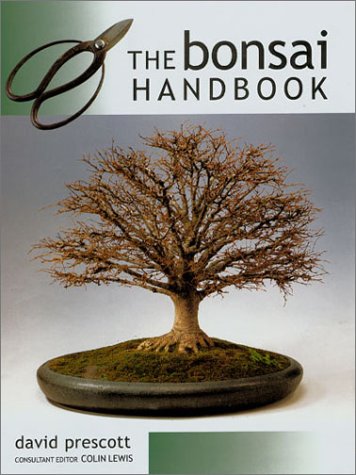
The Bonsai Handbook
The Bonsai Handbook
- Used Book in Good Condition
The Bonsai Handbook serves as an essential guide for both beginners and experienced enthusiasts looking to deepen their understanding of this intricate art. You’ll find detailed descriptions of bonsai aesthetics and anatomy, helping you appreciate various styles. Beautiful artwork and stunning photographs illustrate different bonsai varieties, enhancing your learning experience. The book offers guidance on growing your own bonsai, with tips on selecting the right species and environment. You’ll also discover effective maintenance strategies to keep your bonsai healthy and pest-free. This thorough handbook inspires your bonsai practice while providing clear direction for successful care and display.
Best For: Those seeking to deepen their knowledge and practice of bonsai, whether they are beginners or experienced enthusiasts.
Pros:
- Detailed guidance on bonsai aesthetics, styles, and anatomy for effective learning.
- Beautiful visuals through artwork and photographs that enhance understanding and appreciation of various bonsai varieties.
- Comprehensive tips on cultivation, maintenance, and health to ensure successful bonsai care.
Cons:
- May be overwhelming for complete beginners due to the depth of information provided.
- Limited focus on specific geographical conditions for growing certain species.
- Some readers might find the aesthetic discussions less applicable if they do not prioritize art in bonsai.
Bonsai (101 Essential Tips)
Bonsai Handbooks serves as an ideal resource for beginners enthusiastic to immerse themselves in the art of bonsai cultivation. You’ll learn essential tips like maintaining a consistent watering routine, which is crucial for your plant’s health. Start with species like the Japanese red maple or Scots pine; these are great for beginners. Focus on creating balance and serenity in your design. Use appropriate containers to enhance aesthetics while ensuring good drainage. As you develop your skills, remember there’s always something new to explore. With these foundational tips, you’ll gain the confidence to nurture your miniature trees successfully.
Best For: Beginners who are eager to learn the art of bonsai cultivation and develop their gardening skills.
Pros:
- Comprehensive Guide: Offers essential tips and step-by-step instructions for successful bonsai care.
- Species Recommendations: Suggests beginner-friendly species like Japanese red maple and Scots pine.
- Skill Development: Encourages progression from basic to expert-level knowledge in bonsai techniques.
Cons:
- Maintenance Commitment: Requires a consistent watering routine which may be challenging for some.
- Time-Consuming: Cultivating bonsai can be a slow process, requiring patience and dedication.
- Tools and Materials: Initial investment in proper tools and suitable containers may be necessary.
The Bonsai Handbook: The Science and Art of Bonsai
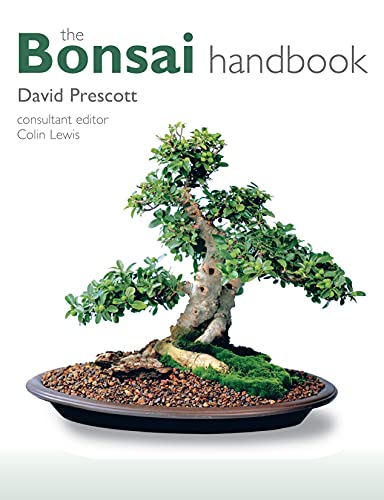
If you’re looking to immerse yourself in the world of bonsai, “The Bonsai Handbook: The Science and Art of Bonsai” is an excellent choice. This guide covers everything from indoor and outdoor cultivation to artistic styles. You’ll find step-by-step instructions on techniques like pruning, wiring, and propagation. The book also highlights various bonsai styles, balancing the rules of art with your creativity. A stunning photo gallery showcases 24 top plant species, helping you select the right one for your bonsai journey. Written by expert David Prescott and editor Colin Lewis, it offers valuable insights for bonsai enthusiasts at any skill level.
Best For: This handbook is best for beginners and seasoned bonsai enthusiasts seeking comprehensive guidance on cultivation techniques and artistic styling.
Pros:
- Comprehensive Coverage: Offers detailed instructions on various bonsai cultivation techniques, suitable for all skill levels.
- Aesthetic Exploration: Balances artistic style with technical knowledge, encouraging creativity in bonsai art.
- Visual Reference: Features a photo gallery of top plant species, making plant selection easier and visually appealing.
Cons:
- Potentially Overwhelming: Beginners may find the extensive information a bit daunting at first.
- Limited Advanced Techniques: More advanced practitioners might seek deeper insights that go beyond basic techniques.
- Availability Issue: Copies may be hard to find if out of print, limiting access for interested readers.
The Ultimate Bonsai Handbook
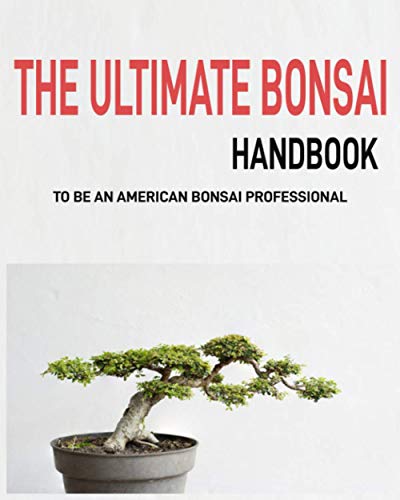
Looking to plunge into the art of bonsai? “The Ultimate Bonsai Handbook” is perfect for both beginners and those enthusiastic to deepen their skills. This guide introduces you to various types of bonsai and helps you choose the right tree for your environment. You’ll learn basic techniques, from shaping to displaying your bonsai for maximum appeal. Once you’ve adopted essential care practices—like watering, fertilizing, and root trimming—your tree will thrive. Explore propagation methods and the skills of pruning and wiring to promote health. With additional resources included, you’ll gain practical advice for flourishing in this enthralling hobby!
Best For: This handbook is best for both beginners and those looking to improve their bonsai skills.
Pros:
- Comprehensive coverage of various bonsai types and their care.
- Step-by-step guidance on basic techniques and display methods.
- Practical tips for propagation and bonsai health management.
Cons:
- Some advanced techniques may be lacking for experienced bonsai enthusiasts.
- Limited emphasis on specific regional care instructions for diverse climates.
- May require additional resources for those seeking deep technical knowledge.
The Bonsai Beginner’s Bible

For anyone stepping into the world of bonsai, “The Bonsai Beginner’s Bible” serves as an invaluable guide. This book covers everything from understanding what bonsai is, to popular cultivation techniques like wiring and watering. You’ll find seasonal tips to keep your tree healthy and vibrant. The book also addresses common issues, helping you quickly identify and solve problems, ensuring your bonsai thrives. It emphasizes the right container selection, essential for supporting growth and aesthetics. Plus, you’ll enjoy a directory of over 180 bonsai species, complete with photographs, making your selection process simple and engaging. Happy cultivating!
Best For: Beginners in bonsai gardening looking for a comprehensive guide to start and maintain their trees successfully.
Pros:
- Offers detailed guidance on essential cultivation techniques and seasonal maintenance tips.
- Provides solutions for common issues, helping ensure the health and vitality of the bonsai.
- Includes a directory of over 180 popular bonsai species with illustrative photographs for easy selection.
Cons:
- May be overwhelming for complete novices due to the extensive information provided.
- Certain advanced techniques might not be covered in depth, limiting progression for experienced growers.
- The emphasis on container selection may not appeal to those wanting a more traditional approach to bonsai.
Introduction to Bonsai: The Complete Illustrated Guide for Beginners
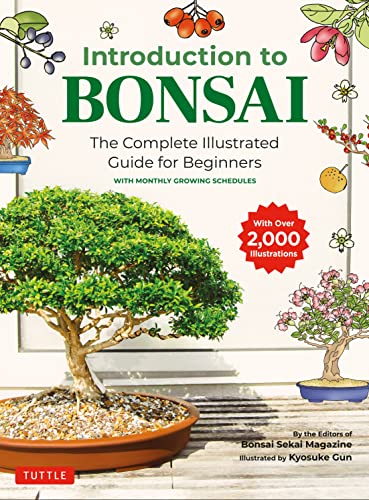
The “Bonsai Handbooks” serves as the perfect starting point for those new to bonsai care, especially if you’re enthusiastic to grow and nurture these miniature trees. This guide features over 2,000 illustrations to help you visualize essential techniques. You’ll find monthly maintenance schedules that break down tasks like watering, pruning, wiring, and transplanting into manageable steps. It covers over 40 types of bonsai, including flowering and fruiting varieties. With clear diagrams aiding your learning, you won’t feel lost. The editors of Japan’s Bonsai Sekai magazine made sure it’s accessible, making your bonsai journey enjoyable and rewarding from the very first step.
Best For: Beginners looking to learn the essentials of bonsai care with visual aids and structured maintenance schedules.
Pros:
- Comprehensive Guide: Covers a wide range of topics, from basic care to specific techniques.
- Visual Learning: Over 2,000 illustrations make understanding complex processes easier.
- Monthly Maintenance Schedules: Breaks down care tasks into manageable, time-specific steps.
Cons:
- Limited to Beginners: Advanced techniques may not be covered, making it less suitable for experienced bonsai cultivators.
- Illustration Dependence: Heavy reliance on visuals may not cater to those who prefer text-based instructions.
- Specific Tree Focus: While it covers 40 types of bonsai, some users may seek information on less common varieties.
The Ultimate Bonsai Handbook: The Complete Guide for Beginners

Ready to immerse yourself in the art of cultivating bonsai? “The Ultimate Bonsai Handbook” serves as an ideal choice for beginners who want an all-encompassing guide tailored just for them. Authored by one of Japan’s foremost experts, this handbook features over 1,000 photos showing how to care for 70 types of bonsai, including pines and flowering trees. You’ll learn essential techniques like pruning, watering, and fertilizing, alongside guidance on selecting the right tree. With practical tips and easy-to-follow instructions, you’ll be well-prepared to create stunning bonsai that reflect your unique style and dedication. Jump in and start your bonsai journey!
Best For: Beginners looking to learn the art of bonsai cultivation with step-by-step guidance from an expert.
Pros:
- Comprehensive Guide: Offers detailed instructions and over 1,000 photos for 70 types of bonsai.
- Expert Knowledge: Authored by one of Japan’s leading bonsai experts, ensuring reliable information.
- Accessible Techniques: Easy-to-follow tips on essential care techniques, making it suitable for novices.
Cons:
- Limited Advanced Techniques: May not provide in-depth guidance for experienced bonsai practitioners.
- Requires Ongoing Commitment: Successfully cultivating bonsai is time-consuming and requires regular maintenance.
- Potential Overwhelm: The large amount of information and choices may be intimidating for some beginners.
The Only Bonsai Book You’ll Ever Need: Beginner to Artistic Mastery

If you’ve ever been curious about starting your bonsai journey but felt intimidated, this handbook is designed just for you. It takes you through the basics of bonsai cultivation, helping you cultivate inner peace while nurturing your creativity. You’ll start by choosing your first tree with a curated list of beginner-friendly species. Essential tools are clearly outlined to ease your progress. As you plunge into care techniques, you’ll learn about watering, fertilization, and pruning to keep your bonsai thriving. Plus, guidelines for creating the perfect environment guarantee your miniature trees flourish throughout the seasons. You’ve got this!
Best For: Beginners looking to explore bonsai cultivation without prior gardening experience.
Pros:
- Encourages mindfulness and creativity through a hands-on hobby.
- Provides a comprehensive step-by-step guide tailored for novices.
- Includes a curated list of beginner-friendly tree species and essential tools.
Cons:
- May require a commitment to ongoing care and maintenance of the bonsai.
- Initial investment in tools and materials can be a barrier for some.
- Learning curve involved in mastering care techniques, such as pruning and shaping.
Factors to Consider When Choosing a Bonsai Handbook
When you’re picking a bonsai handbook, the author’s expertise can make a big difference. You’ll want to take into account their cultivation techniques, the variety of species included, and the visual materials provided. Also, don’t forget to check how well the book covers maintenance and care guidance to guarantee your success with bonsai.
Author’s Expertise and Style
Choosing the right bonsai handbook can be a game changer in your journey as a bonsai enthusiast. First, look for authors with strong backgrounds in bonsai practice or horticulture. Their expertise guarantees the information you receive is reliable. Next, consider whether the author’s writing style is clear and engaging. It’s crucial that complex concepts become accessible to you as a beginner. You might check if they’ve published other recognized resources or contributed to bonsai magazines—these credentials can indicate authority. Also, a unique perspective can make a handbook stand out. Finally, while the visuals aren’t our focus here, remember that illustrations can greatly enhance your understanding of techniques and varieties.
Visual Learning Materials
Visual learning materials can play an essential role in mastering bonsai techniques, especially for beginners. Look for handbooks featuring over 1,000 colorful photographs that illustrate various techniques and bonsai species. Step-by-step diagrams can effectively teach you essential care skills like pruning, wiring, and watering. Handbooks with monthly maintenance schedules visually outline tasks for the entire year, giving you a clear roadmap to follow. Extensive pictorial species directories showcase the unique traits and beauty of different bonsai, enhancing your appreciation for each variety. By engaging with vibrant artwork and photographs, you’ll not only learn but also find inspiration for your own cultivation efforts. Choose a handbook that speaks to you visually and practically to kickstart your bonsai journey!
Cultivation Techniques Covered
Selecting a bonsai handbook requires careful consideration of the cultivation techniques covered within its pages. Look for books that offer detailed step-by-step guides on propagation, pruning, and wiring, especially if you’re just starting out. It’s vital to understand bonsai anatomy and aesthetics, as these concepts help you shape and maintain your trees effectively. Additionally, select a handbook that includes seasonal tips on watering, fertilizing, and pest management, ensuring your bonsai thrives year-round. Some handbooks even provide insights on the essential tools and materials for bonsai care, which can make your journey easier. Overall, the right handbook should help you develop your skills and guide you towards becoming a successful bonsai cultivator.
Species Variety Included
A well-rounded bonsai handbook should feature a variety of species to accommodate different interests and skill levels. Look for books that present information on over 100 species, offering detailed descriptions and cultivation techniques. This approach guarantees you gain a broader understanding of bonsai growth. Some handbooks even include a photographic catalogue, which can enhance your visual learning and help with species identification. A species directory detailing characteristics, care requirements, and styling options is essential for selecting the right bonsai for your environment. To fully explore your options, consider guides that cover over 300 species suitable for bonsai. This breadth not only fuels your experimentation but also encourages artistic expression in your bonsai journey.
Maintenance and Care Guidance
When you plunge into the world of bonsai, choosing a handbook that offers solid maintenance and care guidance is important for your success. Look for books that clearly explain care techniques like proper watering, pruning, wiring, and repotting, as these are essential for your tree’s health. Seasonal maintenance schedules can help you stay organized, guiding you on when to fertilize or trim roots. Keep an eye on humidity and light, too; these factors are critical for indoor and outdoor bonsai. Familiarizing yourself with common ailments and their treatments will keep your trees thriving. Finally, make certain the handbook discusses the right tools and materials for effective shaping and transplanting practices. Your bonsai journey starts here, so choose wisely!
Target Audience and Accessibility
You might not realize how important it is to understand your target audience when choosing a bonsai handbook. If you’re a beginner, look for books with simple language, clear illustrations, and helpful visual aids. These features, like step-by-step diagrams and photographs, make learning easier. Handbooks that include monthly maintenance schedules can guide you through the year, ensuring your bonsai stays healthy. Advanced practitioners might prefer detailed technical guidance, focusing on species selection and care conditions. Remember, the overall presentation matters too. A well-designed layout helps you find information quickly, making your learning experience more engaging. Choose a handbook that suits your skill level, and you’ll cultivate your green thumb more effectively.
Frequently Asked Questions
How Do I Choose the Right Bonsai Species for My Climate?
To choose the right bonsai species for your climate, start by identifying your local temperature and humidity levels. For warm areas, try tropical species like Ficus or Banyan. In cooler climates, consider deciduous trees, such as Maple or Birch. Research your region’s hardiness zone to guarantee your bonsai thrives. Finally, think about how much sunlight your setup gets; some species prefer full sun, while others do well in partial shade.
What Tools Are Essential for Beginner Bonsai Care?
To care for your bonsai, you’ll need a few essential tools. Start with pruning shears for trimming branches and foliage. A root rake helps manage roots during repotting. You’ll also want a bonsai potting mix for proper drainage. Don’t forget a moisture meter to gauge the soil’s wetness. Finally, a small watering can guarantees you water your bonsai gently. With these tools, you’ll be set for successful bonsai care!
How Often Should I Water My Bonsai Tree?
You should water your bonsai tree when the top inch of soil feels dry. This usually means every few days, but it can vary with temperature and humidity. Make sure to soak the soil thoroughly until water drains from the bottom. Check daily during hot weather or if your tree is outside. Too much water can harm it, so always feel the soil first. Keeping a consistent schedule will help your bonsai thrive!
Can Bonsai Trees Be Kept Indoors or Only Outdoors?
Yes, bonsai trees can be kept indoors, but they do need some outdoor time for health. Think of them as little nature buddies who need sunlight and fresh air. If you’re keeping one indoors, place it near a window for bright, indirect light. Water it regularly, but don’t let it sit in standing water. Make sure to provide humidity, too; a humidity tray can help. This balance keeps your bonsai thriving!
What Common Pests Affect Bonsai Trees and How to Prevent Them?
Common pests that affect bonsai trees include aphids, spider mites, and scale insects. To prevent these pests, regularly inspect your trees for signs of infestation. You can wash off smaller pests with a strong stream of water. For tougher cases, consider using insecticidal soap or neem oil. Keeping your bonsai in peak health through proper watering and pruning also strengthens its resilience. Remember, early detection is key to effective pest management.


