As an Amazon Associate, we earn from qualifying purchases. Some links on this site are affiliate links at no extra cost to you. Our recommendations are based on thorough research and editorial judgment.


3 Best Bonsai Literati Style Trees for Your Collection: Expert Picks

If you’re looking to start a bonsai collection in the literati style, consider the Chinese Elm, Juniper, and Black Pine. The Chinese Elm is popular for its fine branching and resilience. Junipers excel with creative cascading designs, while Black Pines offer rugged bark and striking silhouettes. Each of these species embodies simplicity and elegance, essential to literati aesthetics. By selecting these trees, you’ll connect with a rich tradition and culture, and there’s more to explore about their care.
Key Takeaways
- Chinese Elm is highly regarded for its fine branching and resilience, making it ideal for literati bonsai artistry.
- Junipers offer flexibility in styling with cascading foliage, enhancing the minimalistic elegance of literati designs.
- Black Pine provides rugged bark and striking silhouettes, symbolizing strength and beauty in simple forms.
- Focus on species with elongated trunks, as they are particularly suited for the slender, resilient aesthetic of literati bonsai.
- Proper maintenance through regular pruning and repotting is essential to preserve the elegance and vitality of your literati bonsai collection.
Bonsai and Penjing: Ambassadors of Peace & Beauty
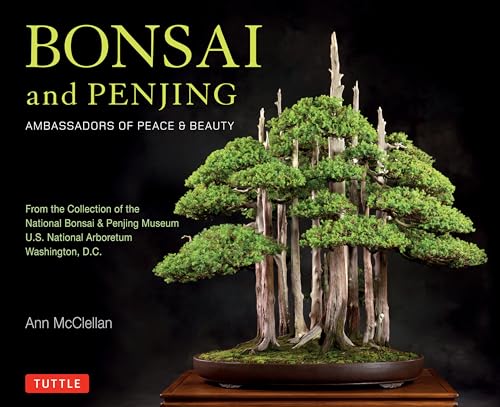
If you’re someone who appreciates the artistry of nature and enjoys cultivating living artworks, then Bonsai Literati Style Trees might be the perfect fit for you. Bonsai and penjing serve as ambassadors of peace and beauty, showcasing the elegance of nature in miniature form. In Washington D.C., the National Bonsai & Penjing Museum holds the world’s most extensive collection, highlighting diverse tree species from both China and North America. As you explore these enchanting trees, remember that each one carries a story, emphasizing their role in diplomacy and cultural exchange. Cultivating such trees enriches your life and connects you with global artistry.
Best For: Individuals who appreciate the artistry of miniaturized nature and wish to cultivate unique living artworks in their homes or gardens.
Pros:
- Cultural Significance: Each bonsai and penjing carries a rich history and is a symbol of international diplomacy and cultural exchange.
- Diverse Collection: Offers a vast array of tree species, showcasing both Chinese penjing and North American bonsai, which enhances the aesthetic diversity.
- Educational Experience: Engaging with these living artworks promotes a deeper understanding of horticulture and the artistry behind bonsai and penjing.
Cons:
- Care Requirements: Cultivating bonsai requires specific skills and ongoing maintenance, which may be challenging for beginners.
- Space Limitations: Depending on the size of your living space, it might be difficult to accommodate larger trees or collections.
- Cost of Investment: Quality bonsai and penjing can be expensive, presenting a financial barrier for some aspiring enthusiasts.
Practical Art of Bonsai: Establishing and Cultivating Your Living Collection
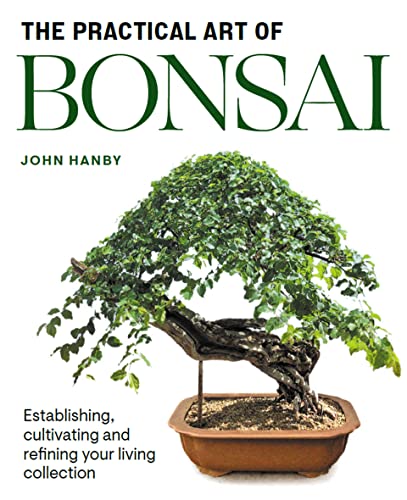
Bonsai Literati Style trees are an excellent choice for those who appreciate elegance and simplicity in their living collection. To start your bonsai journey, acquire your first trees from local nurseries or garden centers. Use good quality pots and tools for effective cultivation. Pay close attention to watering, letting soil dry out between sessions, and positioning trees for ideal light. Feeding them with balanced fertilizer keeps them healthy. Whenever you notice roots outgrowing their pots, repot your trees carefully. With patience and dedication, you’ll cultivate stunning specimens that reflect the beauty of nature in a miniature form. Enjoy your artistic adventure!
Best For: Bonsai enthusiasts seeking to create elegant and simple Literati Style trees in their living collection.
Pros:
- Guidance on acquiring trees: Offers practical recommendations for sourcing your first bonsai specimens.
- Comprehensive care instructions: Provides detailed advice to ensure trees remain healthy and thrive.
- Artistic inspiration: Encourages creativity through aesthetics and design principles in bonsai styling.
Cons:
- Time-intensive: Cultivating bonsai requires patience and long-term commitment.
- Skill level variability: Beginners may find some techniques challenging without prior experience.
- Resource-intensive: Requires initial investment in quality pots, tools, and materials.
Literati Style Penjing: Chinese Bonsai Masterworks
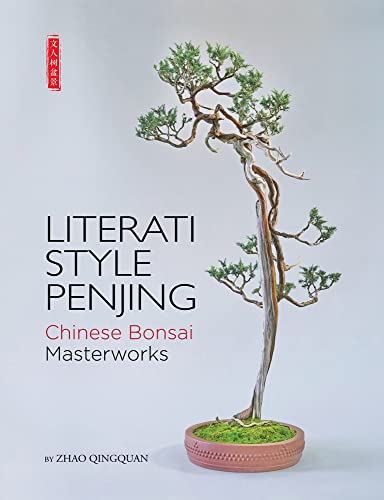

For anyone drawn to the simplicity and elegance of nature, Literati Style Penjing offers a unique way to connect with traditional Chinese artistry. This style, reflecting the scholar-bureaucrats’ ideals, showcases a solitary trunk and sparse foliage, much like graceful ink paintings. To begin exploring Literati Style Penjing, consider creating a miniature landscape that highlights balance and serenity. Focus on selecting a tree with an elongated trunk, allowing room for creativity in shaping. Each piece embodies themes from Chinese poetry and Zen philosophy, inviting you to appreciate artistry and nature’s harmony. Immerse yourself in this enthralling world, and be inspired!
Best For: Individuals interested in blending artistry with nature through the practice of traditional Chinese bonsai in a serene, contemplative manner.
Pros:
- Focuses on elegance and simplicity, appealing to lovers of minimalistic aesthetics.
- Encourages a deep connection with nature and mindfulness through cultivation.
- Incorporates cultural and artistic themes, enhancing appreciation for Chinese heritage.
Cons:
- May require a significant time commitment for cultivation and maintenance.
- Can be challenging for beginners due to the need for specific techniques and knowledge.
- Limited selection of plant types that fit the literati style aesthetic may restrict creativity.
Factors to Consider When Choosing Bonsai Literati Style

Choosing a Bonsai in the literati style involves several key factors. You’ll want to contemplate aesthetic design principles, such as balance and simplicity, while also thinking about the trunk and foliage characteristics of suitable tree species. Don’t overlook the tree’s cultural significance and its maintenance needs, as these elements can greatly impact your enjoyment and success in caring for your bonsai.
Aesthetic Design Principles
Crafting a bonsai literati style tree offers a unique opportunity to blend artistry with nature. Focus on simplicity and elegance as you create your design. A lone, lean trunk with sparse foliage captures this style beautifully. Pay attention to the balance between your tree and its surrounding space; this harmony enhances the natural beauty and evokes tranquility. Incorporate “negative space” by leaving areas unadorned, which helps draw attention to your tree’s form. Use color and texture thoughtfully; choose foliage and bark that create visual interest and support the overall mood. Consider adding elements like rocks to symbolize landscapes, further enriching your artistic expression. Each choice you make shapes a mesmerizing vision that reflects nature’s elegance.
Suitable Tree Species
When selecting suitable tree species for your bonsai literati style, it’s essential to take into account their natural growth characteristics and adaptability. Consider using the Chinese Elm, which is favored for its fine branching and resilience. It beautifully captures the elegance of literati aesthetics. Junipers are another excellent choice; their cascading foliage and flexible growth allow for creative styling while keeping the minimalist look intact. Pines, like the Black Pine, add rugged bark and unique silhouettes that enhance the tree’s form. You should prioritize species that naturally develop elongated trunks and can withstand rigorous pruning. Choosing the right tree species sets the foundation for a stunning literati bonsai masterpiece.
Trunk and Foliage Characteristics
In creating a bonsai literati style tree, trunk and foliage characteristics play an essential role in establishing its beauty and elegance. Aim for a slender, lone trunk that reflects sophistication. A graceful curve not only enhances the design but also conveys age and resilience. When it comes to foliage, less is often more; sparse leaves emphasize the trunk’s form and maintain a minimalist aesthetic. Small leaves are ideal, as they complement the tree’s scale and promote an overall harmonious appearance. Remember to encourage open spaces in both the trunk and foliage; this allows light and air, which are vital for maintaining the health of your bonsai. Keep these factors in mind to create a stunning literati masterpiece!
Cultural Significance and Symbolism
Understanding the cultural significance and symbolism behind bonsai literati style trees can enhance your appreciation and care for them. These trees reflect the values of elite scholar-bureaucrats in imperial China, emphasizing simplicity and intellectual refinement. When you study these trees, notice their lone, slender trunks with minimal foliage. This design symbolizes resilience and the beauty of solitude, resonating with Zen philosophical concepts. Additionally, literati style embodies harmony and balance, principles mirrored in Chinese painting and poetry. Choosing a literati bonsai encourages you to embrace the ideal of wu wei, or effortless action. This perspective allows your tree to grow naturally, blending your emotions with the essence of nature, fostering a profound connection to your art.
Maintenance and Care Requirements
Caring for bonsai literati style trees involves several important factors that can help you maintain their health and beauty. First, water your tree regularly, keeping the soil slightly moist but not soggy. You’ll also need to prune carefully to maintain those elegant lines and promote growth. Monitor your tree’s light requirements to guarantee it gets the right amount of sun, as different species have varied needs. Because literati trees have minimal foliage, keep an eye out for pests and diseases. Repotting every two to three years is essential to support root health and prevent binding. By following these guidelines, you’ll keep your bonsai thriving and looking its best for years to come!
Frequently Asked Questions
What Tools Do I Need for Maintaining a Literati Bonsai?
To maintain a literati bonsai, you’ll need a few essential tools. Start with sharp pruning shears for trimming branches and leaves effectively. Use a chopstick or wire for adjusting branch positions and securing them if needed. A small rake helps with soil aeration, while a spray bottle guarantees your tree stays hydrated. Finally, consider wire cutters for removing excess wire as your bonsai grows. With these tools, you’ll keep your tree healthy and well-shaped.
How Often Should I Water My Literati Bonsai?
You should water your literati bonsai when the top inch of soil feels dry to the touch. Generally, this means watering every 5 to 10 days, depending on your climate and the season. On hot days, check more often. Make certain the pot drains well to prevent waterlogging, which can harm the roots. Remember, your tree thrives on consistent care, so pay close attention and adapt your routine as needed!
What Pests Commonly Affect Literati-Style Bonsai Trees?
Common pests that affect literati-style bonsai trees include spider mites, aphids, and scale insects. To keep your tree healthy, inspect it regularly for these pests. If you spot them, spray your tree with insecticidal soap or neem oil, following product instructions carefully. You can also boost your tree’s resilience by maintaining proper humidity and light levels. Remember, early detection is key, so stay vigilant and enjoy your bonsai journey!
Can Literati Bonsai Survive Indoors?
Yes, literati bonsai can survive indoors but with some care. Research shows that many species thrive better in bright, indirect sunlight. Place your bonsai near a window, ensuring it gets at least four to six hours of light daily. Maintain humidity and keep your bonsai’s soil slightly moist, but avoid overwatering. Regularly check for pests and rotate the tree occasionally for balanced growth. With proper attention, your literati bonsai can flourish indoors!
How Long Does It Take for a Bonsai Literati Tree to Mature?
A bonsai literati tree typically takes between five to ten years to mature. Growth depends on the species, care, and environment. To speed up maturation, make sure you’re providing proper sunlight, water, and nutrients. Regular pruning helps shape your tree, encouraging a more elegant style. You’ll likely see noticeable changes in the first few years, but patience is key. Enjoy the journey as your literati tree develops its unique character over time!


