As an Amazon Associate, we earn from qualifying purchases. Some links on this site are affiliate links at no extra cost to you. Our recommendations are based on thorough research and editorial judgment.


5 Best Tips for Successful Bonsai Moss Propagation You Need to Know

To guarantee successful bonsai moss propagation, start with quality sphagnum moss for its excellent moisture retention. Always soak the moss before use to enhance its water-holding ability. Choose the right soil mix that combines organic materials and perlite for better drainage. Regularly fertilize with a balanced solution to provide necessary nutrients. Finally, monitor humidity levels closely, adjusting as needed for your bonsai species. Keep these tips in mind to boost your propagation success and improve your bonsai’s health.
Key Takeaways
- Start with high-quality moss, like sphagnum, for excellent moisture retention and optimal root growth during propagation.
- Soak the moss in water before use to enhance hydration and improve its moisture-holding capabilities.
- Maintain proper soil composition using a mix of sustainable moss, organic materials, and perlite to ensure adequate drainage and aeration.
- Customize moss selection based on specific bonsai species’ moisture and nutrient needs to promote successful propagation.
- Regularly monitor humidity levels and fertilize with a balanced solution, ensuring nutrient availability for healthy moss growth.
5oz Sphagnum Moss for Plant Propagation
Sale

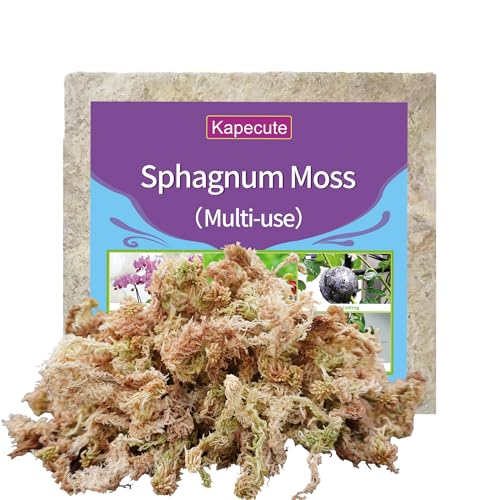
Kapecute 5oz Sphagnum Moss for Plant Propagation, Great Orchid Potting Mix, Help with Maintain...
- Natural: Kapecute sphagnum moss is hand picked from carefully managed, sustainable swamps, naturally air dried to preserve the optimal quality, without any additives, you...
- Package Include: You will receive 5 oz weight of dry compressed sphagnum moss bricks, soak it in water for about 10 minutes, you can get about 9 QT moist and fluffy...
- Application: Kapecute sphagnum moss retains water well, and provides a soil like structure for new roots to develop, It also excellent for reptiles and amphibians.
If you’re diving into the world of bonsai propagation, using 5oz of sphagnum moss is a fantastic choice. This hand-picked, additive-free moss retains water beautifully, supporting your plants’ root development. Start by soaking it in water for about 10 minutes. Once hydrated, you’ll have approximately 9 quarts of moist, fluffy moss, perfect for your bonsai needs. Don’t be surprised if the water looks slightly dirty—that’s normal! You can use this moss for various plants, like orchids and ferns, or even for creating moss poles. With its excellent moisture retention, you’ll see successful growth in no time.
Best For: This product is best for plant enthusiasts looking to propagate a variety of plants such as orchids, ferns, and carnivorous plants using sustainable and natural materials.
Pros:
- Excellent water retention supports healthy root development for various plants.
- Additive-free and hand-picked, ensuring a natural growing medium.
- Versatile applications, suitable for plant propagation, potting mix, and terrariums.
Cons:
- Appearance may include debris such as sticks, which may not appeal to all users.
- Soaking is required before use, adding an extra preparation step.
- Water may appear slightly dirty due to the natural characteristics of the moss.
Halatool 4QT Premium Sphagnum Moss for Indoor Plants
Sale
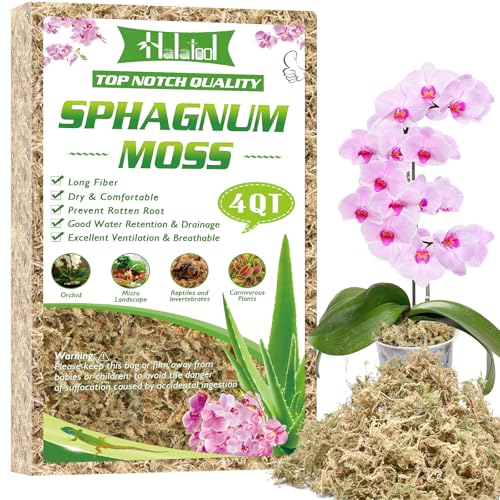
Halatool 3.6 OZ Sphagnum Moss for Plants, 4 QT Long Fiber Dried Orchid Moss
- Package Includes: You will get 4 quart dry plant moss (Appx. 3.6oz). Our sphagnum moss can be used as transportation packaging materials for some plants and living...
- Natural Material: It is high quality pure natural dry moss, without any artificial colourings. It can cover seedbeds. You can mix sphagnum moss with soil to increase soil...
- Great Media For: Our dry plant moss are comfortable growth environment for carnivorous plants because of their water retention. They are also a good substrate for...
For indoor gardeners seeking a high-quality substrate, Halatool 4QT Premium Sphagnum Moss stands out as an excellent choice. It’s perfect for a variety of plants, including orchids and succulents. Made from pure natural moss, it retains moisture and enhances soil properties. To use it, simply soak the moss in clean water until it’s saturated, then wring out the excess. Place it in your pot to provide a stable environment for your plants. You’ll appreciate how it supports air layering and promotes healthy root growth. With low maintenance and ideal moisture retention, your indoor plants will thrive!
Best For: Indoor gardeners looking for a versatile and moisture-retentive substrate for plants like orchids and succulents.
Pros:
- Improves soil properties by enhancing porosity and acidity, benefiting a variety of plant types.
- Supports air layering, promoting healthy root growth for optimally growing plants.
- Low maintenance due to its moisture retention capabilities, keeping plants hydrated for longer periods.
Cons:
- Requires initial soaking before use, which may not be convenient for all gardeners.
- May not be suitable for plants that prefer drier conditions, as it retains a lot of moisture.
- The texture may not appeal to all gardeners for all types of planting applications.
Air Layering Pods for Plant Rooting (6 Pack)
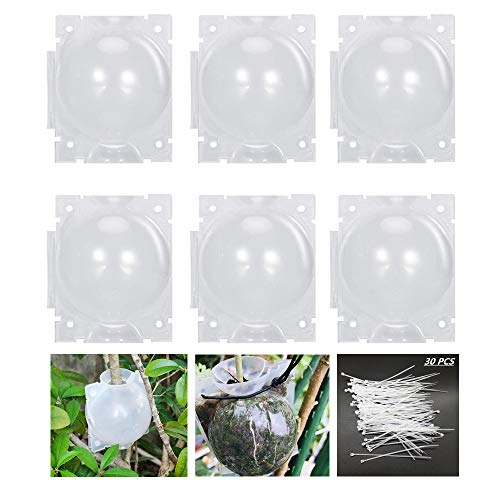
HAIZHINA Air Layering pods, Reusable Plant Rooting Device Plant Rooting Grow Box High Pressure...
- High quality materials: High quality PP plastic is professional for plant breeding, give opportunities for cultivating a variety of plants. The plant rooting device are...
- Air layering technique: applying the air layering technique, this rooter box encourages faster initial rooting and creates offshoots with 2x growing rate. also helps...
- Secure Lock: Designed with stoppers and corner locks which interlock with each other and secure on the branch to hold the propagator in place even without a stem...
Air layering pods stand out as an excellent choice for both novice and experienced plant enthusiasts looking to propagate new plants efficiently. Made from high-quality PP plastic, these sturdy devices are reusable, allowing you to clone multiple plants over time. Using the air layering technique, you can achieve a 2x growth rate, promoting faster rooting and offshoots. The secure design features stoppers and locks, ensuring stability during the process. In just 6-8 weeks, you’ll see visible results with minimal damage to your parent tree. These pods work well with various species, including fruit trees and climbing plants. Enjoy your propagation journey!
Best For: Both novice and experienced plant enthusiasts looking to efficiently propagate new plants.
Pros:
- Durable and reusable design allows cloning of multiple plants.
- Achieves 2x growth rate with the air layering technique, promoting faster rooting.
- Suitable for a variety of species, including challenging plants like magnolia and camellia.
Cons:
- Requires some knowledge of the air layering technique for best results.
- Initial investment may be higher compared to traditional propagation methods.
- Results may vary based on the species and environmental conditions.
Live Moss – Leucobryum Moss (2 Sheets for Terrariums and Plants)
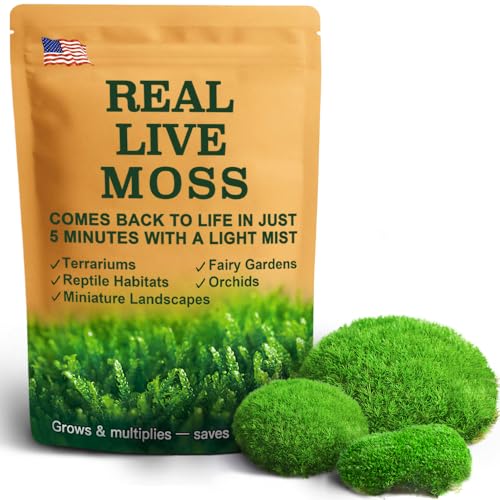
Live Moss – Leucobryum Moss (2 Sheets, Each Approx. 3.5"x7") for Terrariums, Bonsai, Potted Plants...
- 1.2 Sheets of Real Leucobryum Moss – Safe to Ship, Easy to Revive Each approx. 3.5"x7", professionally dried for shipping. Rehydrates easily with water before use.
- 2.Distinct Cushion-Like Texture – Great for Focal Points Works beautifully in moss bowls, terrariums, and tabletop gardens as a soft visual anchor.
- 3.Naturally Grown – No Dyes, No Artificial Additives Fully real, soft moss with natural green color. No synthetic materials, safe for living plant layouts.
Bonsai enthusiasts and plant lovers will find that Leucobryum Moss is an excellent choice for enhancing their terrariums and bonsai displays. Each sheet measures about 3.5″x7″ and offers a lush, cushion-like texture that adds visual appeal. This moss is easy to revive with water, making it perfect for beginners. Simply lay it in your desired container, and it’ll thrive in proper humidity. You can even divide the moss for various projects. Remember to store it dry for up to two months in a cool, shaded spot, ensuring you have viable moss ready for your next creative endeavor.
Best For: Bonsai enthusiasts and plant lovers looking to enhance their terrariums and displays with natural moss.
Pros:
- Soft, cushion-like texture enhances visual appeal in various plant projects.
- Easy to revive with water, making it user-friendly for beginners.
- Reusable and storable, allowing for multiple uses across different containers.
Cons:
- Requires proper humidity to thrive, which may not be suitable for all environments.
- Limited lifespan of two months in dry storage may necessitate timely use.
- Slow growth rate may not meet the expectations of those seeking rapid results.
Sphagnum Peat Moss Potting Mix (3qt)
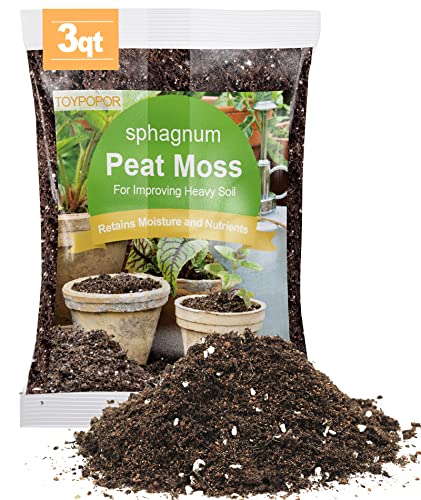
Sphagnum Peat Moss, Natural Bonsai Potting Mix, Succulent and Cactus Potting Soil, Organic Garden...
- Top Quality Soil: Ensures healthy growth of your plants with this premium sphagnum peat moss, perfect for bonsai, succulents, cactus, and indoor houseplants
- Versatile Use: Ideal for various gardening needs, including vegetables, herbs, flowers, orchids, and organic garden soil amendment
- Compact Style: This 3qt potting soil is compact and lightweight, making it easy to handle and transport, perfect for both indoor and outdoor use
When cultivating your bonsai, selecting the right potting mix is essential for success. The Sphagnum Peat Moss Potting Mix (3qt) is specifically designed for this purpose. Its premium quality sphagnum helps guarantee healthy growth for your bonsai. This mix is not just for bonsais; it supports succulents, cacti, and even indoor houseplants.
To use it effectively, apply it according to the specific needs of your plants. Remember to maintain proper moisture levels for peak growth, as this mix retains moisture while allowing for drainage. It’s compact and lightweight, making it easy to handle for both indoor and outdoor gardening.
Best For: Gardeners looking for a versatile potting mix that promotes healthy growth for bonsais, succulents, cacti, and various houseplants.
Pros:
- Premium quality sphagnum peat moss ensures healthy plant growth.
- Compact and lightweight design makes it easy to handle and transport.
- Suitable for a wide range of plants including flowers, vegetables, herbs, and orchids.
Cons:
- May require additional amendments for specific plant nutrient needs.
- Can retain moisture too well for plants that prefer drier conditions.
- Size (3qt) may be insufficient for larger gardening projects.
Factors to Consider When Choosing Bonsai Moss Propagation

When you choose bonsai moss for propagation, consider several important factors. Start with the type of moss you’ll use, as different varieties have unique moisture retention abilities and nutrient needs. Additionally, think about how fast you want your moss to grow and the importance of soil composition for your bonsai’s overall health.
Type of Moss
Choosing the right type of moss for bonsai propagation is crucial to your plants’ success. Consider options like sphagnum and Leucobryum moss, as they have different water and nutrient retention properties. Sphagnum moss is popular because it holds moisture well, making it perfect for air layering and strong root growth. Pay attention to the texture and structure, since good air circulation and drainage help prevent root rot. Make sure to use moss that’s free from artificial additives and dyes; this keeps the environment natural and promotes plant health. Finally, choose a type of moss that matches your bonsai species’ humidity and moisture needs. Doing so supports root establishment and enhances your plant’s overall vigor.
Moisture Retention Ability
Moss plays an important role in bonsai propagation, especially regarding how well it retains moisture. Selecting moss with excellent moisture retention is crucial. For instance, sphagnum moss can hold up to 20 times its weight in water, which is perfect for keeping your bonsai hydrated. This consistent moisture level helps prevent root rot, as it balances moisture with necessary air circulation. Different moss types have varying moisture retention abilities, so choose wisely. The right moss can create a beneficial microenvironment that encourages root growth and overall health. By prioritizing moisture retention, you give your bonsai a better chance at thriving during propagation. Remember, healthy roots mean a strong, vibrant bonsai!
Nutrient Supply Needs
Selecting the right moss for bonsai propagation is crucial because nutrient supply directly affects the health and growth of your plants. Focus on choosing moss that offers balanced micronutrients to support their liveliness. Look for moss containing humic acid, which boosts nutrient availability and improves soil structure, leading to better root development. Keep the pH level of your moss substrate between 5.5 and 6.5 for peak nutrient uptake. Select moss with good moisture retention to help retain dissolved nutrients, allowing your plants to absorb them more efficiently. Finally, regular fertilization with a diluted balanced fertilizer can sustain moss health. This practice guarantees your plants receive a steady supply of essential nutrients during the propagation process.
Growth Rate Expectations
While propagating bonsai moss, understanding growth rate expectations is essential for success. Different moss species can grow at varying rates, especially when using techniques like air layering that can double growth speed. Keep in mind that factors like humidity and nutrient availability play a crucial role in enhancing these rates. Under ideal conditions, you might notice visible growth within just a few weeks. Sphagnum moss, known for its excellent water retention, can help speed up root development, promoting faster growth overall. Remember, patience is key. The initial rooting phase typically takes about 6-8 weeks, so don’t rush the process. Focus on creating the right environment, and your moss will thrive, leading to beautiful bonsai.
Soil Composition Importance
When it comes to bonsai moss propagation, choosing the right soil composition is essential for ensuring your moss roots develop strong and healthy. Start with a mix that provides excellent drainage and aeration, preventing the dreaded root rot. Incorporate sustainable sphagnum moss; it retains moisture while allowing airflow, which is vital. Organic materials, like sphagnum peat moss, help achieve slightly acidic conditions, perfect for certain bonsai species. Adding perlite or gravel improves soil structure and prevents compaction, promoting root growth. Remember, the right soil affects nutrient availability, fostering effective uptake. This combination fosters not just growth but also the longevity of your bonsai. Choose wisely, and you’ll create a thriving environment for your moss!
Customization for Species
Understanding the unique needs of different bonsai species helps you make the best choices for moss propagation. Start by considering moisture retention; species thriving in wet conditions work well with sphagnum moss. For bonsai that prefer acidic substrates, try sphagnum peat moss to enhance soil acidity. Pay attention to texture, too; finer moss supports delicate roots, while coarser options benefit sturdier plants. If your bonsai needs excellent aeration, choose moss blends that boost porosity and drainage. Finally, remember that each species might require specific propagation techniques, so customize your moss selection and application method accordingly. Tailoring your approach guarantees your bonsai gets the best chance to thrive, ultimately leading to successful growth and propagation.
Light Requirements Consideration
Light is one of the most critical factors in bonsai moss propagation, and it can make or break your efforts. Your moss thrives best in bright, indirect light; too much direct sunlight can scorch it and hinder growth. Aim for about 6-8 hours of filtered light each day to achieve the best conditions. If your moss doesn’t get enough light, it may grow slowly and look sparse, becoming thin and less vibrant over time. You can use artificial grow lights to supplement natural light, especially during winter or in dim indoor spaces. Keep an eye on light levels and adjust exposure as needed to help your moss stay healthy and retain moisture effectively.
Container Size Selection
Selecting the right container for your bonsai moss propagation can greatly impact its growth and health. First, consider the size of the root system; a container should be spacious enough to encourage healthy development. For small bonsai plants, a pot with a diameter of 6-8 inches typically works well. Larger specimens, however, may need bigger containers to accommodate their roots. Drainage is key—choose pots with multiple holes to avoid waterlogging. Don’t forget container depth; shallow pots are fine for smaller trees, but deeper ones help stabilize larger varieties. Finally, opt for lightweight materials that can hold moisture while ensuring good aeration. This balance fosters successful moss propagation and strong root formation. Happy planting!
Frequently Asked Questions
How Long Does It Take for Moss to Propagate Successfully?
Moss typically takes about two to three weeks to propagate successfully, but this can vary. Factors like light, moisture, and temperature play vital roles in the process. Make sure you keep the moss in a shaded, humid environment; this mimics its natural habitat. Regularly misting the moss can help it thrive. With patience and the right conditions, you’ll watch your moss transform into a lush green carpet, bringing life to your bonsai project.
Can I Use Regular Soil Instead of Moss for Propagation?
You can’t use regular soil for moss propagation. Moss thrives in a specific environment that regular soil can’t provide. For best results, stick to materials like sphagnum moss or a mix of fine gravel and peat. These options offer the moisture and acidity moss needs to grow effectively. When propagating, confirm the surface stays damp, but not waterlogged. With the right conditions, your moss can flourish beautifully in its new home.
What Tools Do I Need for Moss Propagation?
For moss propagation, you’ll need a few essential tools. First, gather scissors or small shears to trim the moss effectively. You’ll also want a clean container to hold the moss and a spray bottle for misting. It’s beneficial to have tweezers for precise placement when transferring moss. Finally, consider using a humidity dome or plastic wrap to maintain moist conditions. These tools will help you guarantee successful moss growth throughout the propagation process!
Is It Necessary to Mist the Moss During Propagation?
Yes, you should mist the moss during propagation. This helps maintain moisture, which is essential for healthy growth. Use a spray bottle to lightly mist the moss daily, especially if the air is dry. Watch for signs of dehydration, like browning edges. However, avoid over-misting, as sogginess can lead to mold. Striking that balance is key. With consistent care, you’ll encourage lush, beautiful moss for your bonsai.
How Often Should I Check the Moisture Level of the Moss?
You should check the moisture level of your moss every few days, especially during initial growth. If the moss looks dry or feels crumbly, it’s time to mist it again. Aim for a balance; too much moisture can lead to mold. Use your finger to feel the surface—if it’s damp but not soggy, you’re on the right track. Keeping an eye on the moisture will help your moss thrive considerably.


