As an Amazon Associate, we earn from qualifying purchases. Some links on this site are affiliate links at no extra cost to you. Our recommendations are based on thorough research and editorial judgment.


3 Best Bonsai Mycorrhizae Inoculants for Thriving Miniature Trees

To boost your bonsai’s growth, consider using DYNOMYCO Granular Mycorrhizal Fungi Inoculant, which supports root health and is safe for pets. Mycorrhizae 16 Species Inoculant (1 oz) enhances drought tolerance by reducing water needs. For larger areas, the 1 lb pack treats thousands of plants and is certified organic. Remember to choose based on your specific bonsai’s soil and growth needs for best results. Keep exploring to discover more about mycorrhizae benefits!
Key Takeaways
- DYNOMYCO Granular Mycorrhizal Fungi Inoculant is ideal for up to 20 bonsai, enhancing root growth and yields with rapid colonization.
- Mycorrhizae 16 Species Inoculant (1 oz) combines 16 species that reduce water needs by 30% and covers extensive garden areas.
- Mycorrhizae 16 Species Inoculant (1 lb) effectively treats around 19,200 four-inch plants and is certified organic for safety.
- Evaluate whether endomycorrhizae or ectomycorrhizae suits your bonsai’s specific soil and moisture needs for optimal growth.
- Ensure correct application methods for inoculants, whether granular or liquid, to effectively nurture fragile bonsai roots.
DYNOMYCO Granular Mycorrhizal Fungi Inoculant (100g)
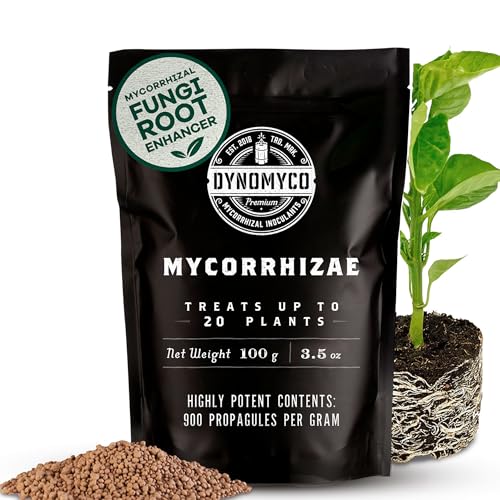
DYNOMYCO Granular Mycorrhizal Fungi Inoculant, 100g / 3.5oz – Boosts Root Growth, Yields...
- EXPLOSIVE ROOT GROWTH – 900 propagules per gram of premium mycorrhizae for plants. The formula colonizes roots fast, unleashes locked nutrients, thickens feeder roots...
- BIGGER, BETTER HARVESTS – A unique whole inoculum formula including live spores, hyphae, and root fragments amplify nutrient uptake, fueling lush foliage, sweeter...
- PLANT STRESS SHIELD – Unique desert‑adapted strains recharge plant nutrient pathways, helping crops shrug off pH swings, heat waves, drought spells, and transplant...
If you’re looking to boost the growth of your bonsai plants, DYNOMYCO Granular Mycorrhizal Fungi Inoculant is an excellent choice. This biofertilizer enhances root growth and improves yields, helping your trees thrive. With 900 propagules per gram, it rapidly colonizes roots, thickening feeder roots and releasing essential nutrients. You’ll notice sturdier, more vibrant foliage and even sweeter fruits over time.
Use the 100g pouch for up to 20 plants, and apply it to various setups like seed starting soil or raised beds. Plus, it’s safe for children and pets, promoting ecological health in your garden.
Best For: Home gardeners and bonsai enthusiasts looking to enhance plant growth and yield with a natural biofertilizer.
Pros:
- Enhances root growth and nutrient uptake, promoting healthier plants and increased yields.
- Suitable for a variety of plants and growing setups, making it versatile for different gardening needs.
- Safe for children and pets, supporting eco-friendly gardening practices.
Cons:
- Limited to a 100g pouch, which may not be sufficient for larger gardens.
- Requires proper application techniques to maximize effectiveness.
- Results may vary based on specific plant types and environmental conditions.
Mycorrhizae 16 Species Inoculant (1 oz) for Plant Growth
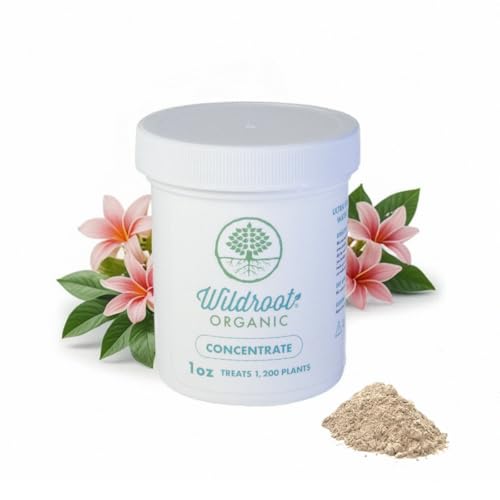
Mycorrhizae 16 Species Inoculant (1 oz) Improves Drought Tolerance + Saves Precious Water...
- EXPLODES ROOT GROWTH LIKE MOTHER NATURE INTENDED – The problem is that most soil doesn’t have enough Mycorrhizae. Wildroot Mycorrhizae facilitates the underground...
- EXCLUSIVE 16 SPECIES BLEND TREATS 95% OF GLOBAL PLANT LIFE – Unlike single species inoculants, our proprietary blend performs in different soils, water, temperatures...
- A LITTLE GOES A LONG LONG WAY – Wildroot Mycorrhizae is a true root stimulator and comes ready to use. 1 scoop (about 1/4 teaspoon included in each Pack) makes...
The Mycorrhizae 16 Species Inoculant (1 oz) is an excellent choice for gardeners looking to enhance plant growth and health. This unique blend of 16 mycorrhizal species boosts drought tolerance, reduces water needs by up to 30%, and cuts down fertilizer requirements. It’s specially formulated to support 95% of global plant life, ensuring strong roots and nutrient exchange. Simply apply a spoonful directly to the roots or mix it with water for soil application. One ounce treats about 1,200 four-inch plants or covers up to 5,000 square feet, making it a practical solution for any garden. You’ll love the results!
Best For: Gardeners looking to improve plant growth, drought resistance, and reduce water and fertilizer needs.
Pros:
- Reduces water requirements by up to 30%, saving resources.
- Supports 95% of global plant life with a diverse 16 species blend.
- Easy application options allow flexibility for various gardening methods.
Cons:
- Requires consistent application for best results, which may be inconvenient for some users.
- Limited to plants that respond well to mycorrhizal associations.
- Initial investment may be perceived as high for casual gardeners.
Mycorrhizae 16 Species Inoculant (1 lb)
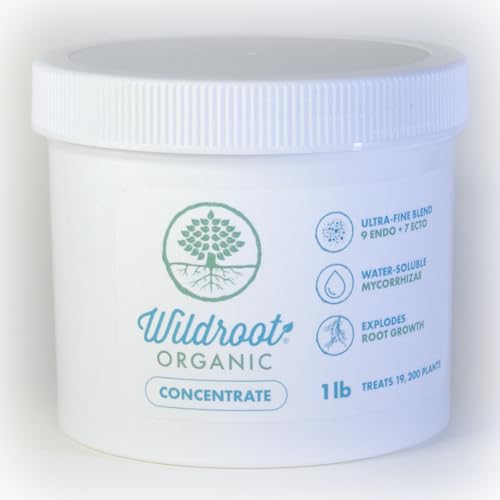
Mycorrhizae 16 Species Inoculant (1 lb) Improves Drought Tolerance + Saves Precious Water...
- EXPLODES ROOT GROWTH LIKE MOTHER NATURE INTENDED – The problem is that most soil doesn’t have enough Mycorrhizae. Wildroot Mycorrhizae facilitates the underground...
- EXCLUSIVE 16 SPECIES BLEND TREATS 95% OF GLOBAL PLANT LIFE – Unlike single species inoculants, our proprietary blend performs in different soils, water, temperatures...
- A LITTLE GOES A LONG LONG WAY – Wildroot Mycorrhizae is a true root stimulator and comes ready to use. 1 scoop (about 1/4 teaspoon included in each Pack) makes...
Bonsai Mycorrhizae 16 Species Inoculant (1 lb) is an outstanding choice for gardeners looking to boost plant health and manage their water use effectively. This product enhances root growth, improves drought tolerance, and reduces your watering needs by about 30%. With a proprietary blend of 16 mycorrhizal species, it supports healthy nutrient interactions in diverse soils. You can treat around 19,200 four-inch plants with just one pound. Simply apply a dry spoonful directly to the roots, or mix it with water for soil application. It’s safe for kids and pets, making it an excellent addition to your gardening toolkit.
Best For: Gardeners and plant enthusiasts looking to enhance the health and efficiency of their plants while minimizing water usage.
Pros:
- Enhances root growth and overall plant health.
- Reduces water consumption by approximately 30%.
- Safe for children, pets, and the environment; certified organic.
Cons:
- Requires specific application methods that may be unfamiliar to some users.
- May take time to see noticeable results in plant growth.
- Limited to use for only certain types of plants (not all plant species may benefit equally).
Factors to Consider When Choosing Bonsai Mycorrhizae Inoculant

When choosing a bonsai mycorrhizae inoculant, it’s crucial to evaluate several factors. You’ll want to look at the type of mycorrhizae, how you’ll apply it, and whether it matches your plant size and soil type. Understanding these points will help guarantee your bonsai thrives with the right support.
Type of Mycorrhizae
Selecting the right type of mycorrhizae is crucial for enhancing the health of your bonsai. There are two primary types: endomycorrhizae and ectomycorrhizae. Endomycorrhizae, like Glomus and Gigaspora, penetrate the plant’s root cells and mainly benefit flowering plants and vegetables. In contrast, ectomycorrhizae, such as Rhizopogon and Pisolithus, form a protective sheath around roots, benefiting trees and shrubs.
To maximize nutrient uptake, consider a mix of both types in your inoculant. This approach caters to approximately 95% of global plant life. Don’t forget that factors like soil type, pH, and moisture levels can influence efficacy. Matching your inoculant to your bonsai’s specific needs guarantees ideal growth. Choose wisely for a thriving plant!
Application Method
Choosing the right application method for mycorrhizae inoculant can greatly impact your bonsai’s growth. First, decide whether to use a granular or liquid form. Granular options are often easier and less messy, making them great for indoor bonsai. Some inoculants can be applied directly to the roots, while others need dilution in water for soil drenching. Consider the ease of use. Some products include measuring scoops for precise dosing, while others may require larger quantities. Check the treatment coverage; some can manage hundreds of plants per ounce. Finally, remember that some inoculants are one-time applications, but others will need to be reapplied during different growth stages. Choose the method that best fits your bonsai care routine!
Nutrient Bioavailability
To enhance your bonsai’s growth, understanding nutrient bioavailability is key when you pick a mycorrhizae inoculant. Mycorrhizal fungi form symbiotic relationships with your bonsai’s roots, breaking down organic matter and releasing essential nutrients like phosphorus and nitrogen. This connection increases your plant’s root surface area, helping it absorb nutrients more effectively. In nutrient-poor soils, mycorrhizal colonization can boost nutrient uptake by 20-50%. When choosing an inoculant, consider its compatibility with your specific bonsai species and local soil conditions to guarantee peak nutrient transfer. By improving water retention and nutrient sharing through mycorrhizal networks, you create a thriving environment for your trees, making them healthier and more resilient in diverse conditions.
Soil Compatibility
When selecting a mycorrhizae inoculant for your bonsai, understanding soil compatibility is crucial for success. Different mycorrhizal fungi thrive in specific soil types, so choose one that suits yours. Guarantee it works well in both well-draining and moisture-retaining soils, as bonsai need precise watering conditions. For example, sandy or loamy soils may require a different inoculant than clay-based mixes. Check the formulation for species that adapt to your bonsai’s nutrient needs, especially if you use specialized soil blends. Remember, various bonsai species may benefit from diverse mycorrhizal interactions, so pick an inoculant that encourages a rich microbial community, enhancing nutrient uptake and promoting overall plant health. This will help your bonsai flourish beautifully.
Plant Size Compatibility
Since different bonsai sizes require various considerations, selecting the right mycorrhizae inoculant becomes essential. First, think about how many plants the inoculant can treat per ounce or gram. For smaller bonsai, choose products designed for compact root systems. These help guarantee proper colonization without overwhelming your trees. Pay close attention to the concentration of propagules in your inoculant; higher concentrations are more effective for small roots. Also, make certain the mycorrhizae species in your choice match your bonsai’s type. Finally, consider how easy it is to apply the inoculant. It should be simple to use without damaging the fragile roots of your delicate bonsai. Making informed choices will lead to thriving miniature trees!
Organic Certifications
Choosing the right mycorrhizae inoculant becomes even more essential if you aim to support organic gardening practices. Start by looking for organic certifications like OMRI Listed or ECOcert approvals. These labels guarantee that the inoculant meets strict organic farming standards, making it safe for your bonsai. Products compliant with Washington State Certified National Organic Program can also be labeled organic. You’ll want to avoid synthetic additives and harsh chemicals that harm the soil ecosystem. Additionally, certified organic products have lower heavy metal levels, ensuring they’re safe for children, pets, and pollinators. By selecting organically certified mycorrhizae, you can boost soil biodiversity, enhancing your garden’s long-term health and well-being.
Environmental Safety
Considering environmental safety is essential when selecting a mycorrhizae inoculant for your bonsai. First, look for products with low heavy metal content, ensuring they’re safe for kids, pets, and pollinators. It’s also wise to choose inoculants free from synthetic additives and harsh chemicals. This approach helps maintain ecological health and supports sustainable gardening practices. Opt for products certified organic by bodies like the Washington State Certified National Organic Program; this guarantees they follow environmentally-friendly standards. Additionally, using biofertilizers encourages long-term soil biodiversity, which makes your plants healthier. By selecting items with clean formulations and verified safety profiles, you’ll enhance your gardening efforts and minimize harm to the environment. Happy gardening!
Application Rate Efficiency
When selecting a mycorrhizae inoculant for your bonsai, it’s essential to understand the application rate efficiency to maximize your investment. Start by evaluating the product’s concentration; a higher concentration means you might need less for your roots, saving you money. Check how many plants a unit can treat; some products are effective for thousands, perfect for larger collections. Always follow application instructions related to soil or root volume to guarantee proper colonization without wasting the product. Granular inoculants offer the added benefit of easy, direct application. Finally, consider how different mycorrhizal species may influence the effectiveness for specific bonsai types. This knowledge will help you make the best choice for healthy, thriving trees.
Frequently Asked Questions
How Often Should I Apply Mycorrhizae Inoculants to My Bonsai Trees?
You should apply mycorrhizae inoculants to your bonsai trees about once or twice a year. Start in early spring, when growth kicks off, and then again in the fall, preparing your trees for dormancy. Simply mix the inoculant into the soil or water it in, ensuring it reaches the roots. This rhythmic routine encourages healthy root systems, helping your bonsai flourish. With consistency, you’ll see vibrant growth and resilience in your trees.
Can I Use Mycorrhizae With All Bonsai Species?
Yes, you can use mycorrhizae with most bonsai species, as they benefit from the enhanced nutrient absorption. However, certain species, like tropical bonsai, might require specific conditions. To guarantee success, check the needs of your bonsai type. Generally, applying mycorrhizae during repotting promotes root health. Don’t worry if you’re unsure; start with a recommended inoculant for your species, and observe the growth. It’ll elevate your bonsai experience considerably!
Are There Any Side Effects of Using Mycorrhizal Inoculants?
Using mycorrhizal inoculants can sometimes lead to a few side effects. You might notice slight changes in your plant’s growth patterns or nutrient uptake. In some cases, over-application can cause an imbalance in soil nutrients. Be cautious if your bonsai shows signs of stress or slow growth—lower the dosage. Always monitor your trees closely, adjusting the amounts as needed, and remember that healthy soil practices can prevent many issues.
Where Can I Buy High-Quality Mycorrhizal Inoculants for Bonsai?
You can buy high-quality mycorrhizal inoculants for bonsai at local garden centers, nurseries, or online retailers like Amazon. Have you checked out sites such as eBay or specialty gardening stores? They often carry a variety of brands. Look for products specifically labeled for bonsai use to guarantee you’re getting the right mix. Be sure to read reviews, too, as they can guide you to the best options for your needs.
How Do I Store Leftover Mycorrhizal Inoculants?
To store leftover mycorrhizal inoculants, keep them in a cool, dry place. You can use an airtight container, like a glass jar or zip-top bag, to prevent moisture. Make sure it’s labeled with the date of purchase for easy tracking. Avoid storing them in direct sunlight or extreme temperatures, as these conditions can reduce their effectiveness. Regularly check the contents, and use them within their shelf life for best results in your gardening projects.


