As an Amazon Associate, we earn from qualifying purchases. Some links on this site are affiliate links at no extra cost to you. Our recommendations are based on thorough research and editorial judgment.


10 Best Bonsai Netting Options for Successful Tree Cultivation

To cultivate successful bonsai trees, you need the right netting options. Consider using flower pot hole mesh pads for drainage, bio trellis netting for support, and bottom grid mats to prevent soil loss. Look for durable, UV-resistant materials that allow for proper water drainage. Easy installation is key, so choose lightweight netting. Make certain the netting matches your tree species for ideal growth. There’s more to explore, so keep discovering the best solutions for your bonsai garden!
Key Takeaways
- High-density polyethylene options ensure durability and compliance with food safety regulations for edible bonsai plants.
- Effective drainage capabilities prevent root rot by allowing excess water to flow while retaining essential moisture.
- Lightweight and pliable netting allows for easy customization and installation on various pot sizes.
- User-friendly designs with pre-measured grid patterns simplify plant training and spacing for optimal growth.
- Compatibility with specific plant species ensures non-toxic materials are used for healthy bonsai care.
23.6″ Outdoor Mesh Plant Enclosure for Pests Protection
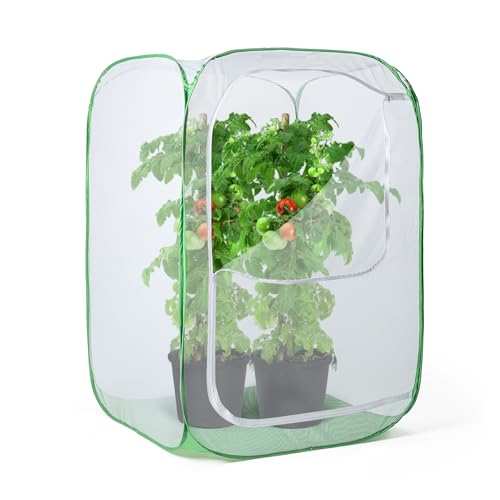
23.6" Outdoor Mesh Plant Enclosure, Plant Cover for Pests, Bird and Pest Protection Guard for Fruit...
- Plant grow tent with mesh all around, instant pest guard and plant shade cover to grow and protect fruit, vegetables, herbs, flowers and shrubs.
- About 1/8" (2mm) square mesh size to let more light in and keeps out birds, butterflies and other garden pests.
- Collapsible design for easy storage and reusable, the unfolded measures: 15.7 x 15.7 x 23.6 inches. Tall and wide, can hold large 2 of 23.6 inches tall plants.
If you’re looking to protect your delicate bonsai trees from pests, the 6″ Outdoor Mesh Plant Enclosure is an excellent choice. This compact enclosure provides a safe haven for your mini trees. Its 1/8-inch square mesh design admits light, while keeping out pesky birds and insects. Simply assemble it without tools, and it collapses for easy storage when not in use. The large zipper opening allows quick access to your plants, making maintenance a breeze. Use it for your bonsais, seedlings, or small fruit bushes, ensuring they thrive without unwanted visitors. This durable enclosure helps your plants flourish in peace!
Best For: Those looking to protect their outdoor plants from pests while ensuring adequate light for growth.
Pros:
- Durable mesh design allows light in while effectively keeping out birds, butterflies, and garden pests.
- Tool-free assembly makes it quick and easy to set up and take down, plus it collapses for convenient storage.
- Large zipper opening provides easy access to plants for maintenance and care.
Cons:
- Limited to plants no taller than 23.6 inches, which may not accommodate larger plants.
- The polyester bottom may require careful handling to avoid tears or damage.
- May not be suitable for very strong winds or storms due to its lightweight design.
10pcs Flower Pot Hole Mesh Pad for Plant Drainage
Sale


10pcs Flower Pot Hole Mesh Pad, 11.8x7.8 Inch Bonsai Mesh Drainage Screens Plant Pot Drainage Mesh...
- Package Content: You will receive 10 pieces of flower pot hole mesh pads designed with 1.5x1.5mm/0.06x0.06 inch small holes for better drainage and promoting plant...
- Product Size: The size of each flower pot hole mesh pad is 30x20cm/11.81x7.87 inch and can be easily cut and stacked, suitable for any pot size and all types of plants.
- Product Material: Made of glass fiber material, reusable and long-lasting and can be used for years.
The 10pcs Flower Pot Hole Mesh Pad is an excellent choice for anyone looking to improve plant drainage in their bonsai cultivation. These pads, sized at 30x20cm, fit various pot sizes, making them versatile for your needs. The small holes enhance drainage while preventing soil from leaking out. You won’t need rocks anymore! They’re lightweight and easy to clean—just rinse them with water. Plus, you can cut and stack the pads for custom applications. With a 4.6-star rating from users, this product stands out. Installing these pads makes caring for your bonsai effortless and enjoyable, which is always a plus!
Best For: Gardening enthusiasts looking to enhance drainage for potted plants without the mess of rocks.
Pros:
- Enhances drainage: Small holes allow for optimal water flow, promoting healthy plant growth.
- Customizable: Can be easily cut and stacked to fit various pot sizes and plant types.
- Lightweight and reusable: Reduces pot weight and can be cleaned effortlessly for multiple uses.
Cons:
- Possible size variations: Measurements may vary due to manual handling, impacting fit for some pots.
- Color differences: There may be slight variations in color due to monitor discrepancies.
- Durability concerns: As a lightweight material, it may wear out faster with frequent use or handling.
Jute Erosion Control Mesh Blanket (48″ Wide x 20 Yards)

Jute Erosion Control, Soil Saver Mesh Blanket - 48" Wide x 20 Yards (60 feet Long) - 240 Sq. Ft...
- Premium Jute Construction: Our Soil Saver Erosion Control Fabric is made from premium-quality jute, a natural and biodegradable material renowned for its superior erosion...
- Extensive Coverage for Soil Protection: With a length of 20 yards, this roll of fabric covers an approximate area of 240 square feet, delivering extensive coverage for...
- Environmentally Sustainable Solution: Harness the power of nature with our eco-friendly jute erosion control fabric. As a natural and biodegradable material, it promotes...

For those looking to protect their bonsai trees and support healthy growth, the Jute Erosion Control Mesh Blanket is an excellent choice. Measuring 48 inches wide and 20 yards long, it covers 240 square feet, making it versatile for your landscape needs. Made from biodegradable jute, this mesh blanket enhances soil quality as it decomposes, which is eco-friendly. You can easily cut it to fit various areas, like slopes or garden beds. Installation is simple, saving you time and effort. By using this mesh blanket, you’ll effectively prevent erosion while nurturing your bonsai’s roots for healthier growth.
Best For: Gardeners and landscapers seeking an eco-friendly solution to prevent erosion and enhance soil quality around their bonsai trees.
Pros:
- Biodegradable material enriches soil as it decomposes, promoting a healthy environment for plants.
- Versatile design easily adapts to various terrains and can be customized for different gardening needs.
- User-friendly installation saves time and effort, making it accessible for all levels of gardening enthusiasts.
Cons:
- Limited to a coverage area of only 240 square feet, which may not be sufficient for larger projects.
- May require additional materials or methods for securing on steep slopes to provide added stability.
- As a natural product, it could attract pests if not monitored properly.
15Pcs Flower Pot Hole Mesh Pad for Plant Drainage
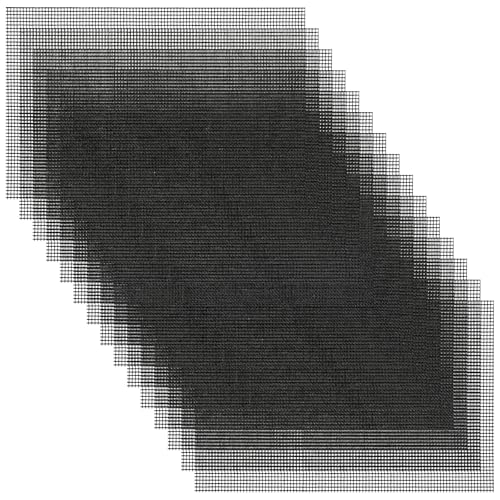
Mabor 15Pcs Flower Pot Hole Mesh Pad, 11.8 x 7.8 Inches Square Plastic Bonsai Screen Mesh Sheet...
- Convenient to Use: The plant pot mesh mat is easy to clean, just rinse it with water and the bonsai mesh mat will be clean, very easy to use, making gardening worry-free...
- Practical Drainage Mesh: Pot drainage mesh uses smaller holes to prevent soil leakage and is placed at the bottom of the pot to cover the drainage holes, so you don't...
- Wide Application: DIY drainage net pot bottom mesh pad is applied at the bottom of flower pots to prevent soil loss caused by oversized bottom holes and prevent small...
Choosing the right tools for plant care is essential, and the 15Pcs Flower Pot Hole Mesh Pad is an excellent option for anyone looking to enhance their gardening experience. These pads, measuring 11.8 by 7.8 inches, fit perfectly over pot drainage holes. The small holes allow for improved water drainage, promoting healthy root breathing. You won’t need to use rocks, reducing the pot’s weight. It’s easy to cut these pads for a custom fit, making them versatile for any pot size. Plus, they’re reusable and simple to clean, ensuring your plants thrive without hassle. Enjoy gardening success with these handy pads!
Best For: Gardeners looking for an efficient and lightweight solution to prevent soil leakage while promoting healthy plant growth.
Pros:
- Lightweight and reusable: Made from durable plastic that maintains its shape for long-term use.
- Improved drainage: Small holes enhance water flow and allow for better root breathing.
- Customizable size: Can be easily cut to fit various pot sizes or combined to cover larger drainage holes.
Cons:
- Limited durability against heavy use: May need replacing if frequently manipulated or exposed to harsh conditions.
- Not ideal for oversized pots: While it helps with some size adjustments, very large pots may still require additional support.
- Dependent on cleanliness: Must be cleaned periodically to maintain effectiveness, which may be an extra step for some users.
Ouligay 100pcs Flower Pot Hole Mesh Pad

Ouligay 100pcs Flower Pot Hole Mesh Pad, 4 inch Rounds Plastic Mesh Sheet, Bonsai Bottom Grid Mat...
- 【Large Size】: The flower pot hole mesh pad has a diameter of 4 inches, making it suitable for larger planter pots
- 【Drainage】: The rounds plastic mesh sheet has a drainage hole to prevent soil from migrating out of the pot
- 【Anti-Slip】: The bonsai bottom grid mat has an anti-slip feature to prevent the pad from sliding around
When you’re looking to enhance your tree cultivation efforts, the Ouligay 100pcs Flower Pot Hole Mesh Pad stands out as a practical solution. These 4-inch pads are perfect for larger planter pots and are designed to prevent soil migration. They allow water to drain while keeping soil in, which is essential for healthy trees. The anti-slip design guarantees they stay in place, even with frequent watering. Made from flexible, durable polyamide, these pads are reusable, extending their lifespan. Plus, they’re easy to install, making them ideal for your DIY gardening projects. Enjoy better cultivation results with this handy tool!
Best For: The Ouligay Flower Pot Hole Mesh Pad is best for gardeners seeking to improve soil retention and drainage in larger planter pots.
Pros:
- Prevents soil migration while allowing for effective water drainage.
- Durable and flexible construction ensures long-lasting use.
- Easy to install, making it suitable for DIY gardening projects.
Cons:
- May not fit smaller pots due to its 4-inch diameter size.
- Requires regular cleaning to maintain effectiveness.
- The anti-slip feature may not work as well on uneven surfaces.
Flower Pot Hole Mesh Pad (10PCS)

Flower Pot Hole Mesh Pad 10PCS 11.8 X 7.8 Inch/ 3.9 X 3.9 Inch Plastic Mesh Screen DIY Drainage...
- VERSATILE AND CUSTOMIZABLE: you will receive 5 pcs 30 × 20cm/11.8 × 7.8inch and 5 pcs 10 × 10cm/3.9× 3.9inch Aperture of about 2.5mm/0.1inch mesh pad. And the ability...
- LONG-LASTING AND DURABLE: Made from high-quality polyethylene, these mesh pads for pots are highly durable and can maintain their original shape for a long time...
- PREVENTS SOIL LOSS AND DAMAGE: The small aperture of the plant drainage screen mesh prevents soil from falling out of the bottom of the flower pot, while also preventing...
The Flower Pot Hole Mesh Pad set, featuring ten pieces, is an excellent option for anyone looking to cultivate healthy bonsai trees. This set includes five large and five small mesh screens, allowing you to customize for any pot size. Each pad can be easily cut to fit your specific needs. They’re durable, made from high-quality polyethylene, and maintain their shape over time. By placing a mesh pad at the bottom of your pot, you’ll prevent soil loss and block debris while promoting proper drainage. These pads guarantee that moisture and air easily nourish your plants, improving their overall health.
Best For: Plant enthusiasts and bonsai tree cultivators looking for effective soil retention and drainage solutions.
Pros:
- Durable material ensures long-lasting use and maintains shape over time.
- Versatile customization allows users to cut pads to fit any pot size and shape.
- Promotes healthy plant growth by preventing soil loss while allowing moisture and air passage.
Cons:
- Limited number of pads (10 pieces) may not be sufficient for larger gardening projects.
- Aperture size might not block very small debris for extremely fine soil.
- Initial installation required, which may not be ideal for users seeking ready-to-use solutions.
Anodized Aluminum Bonsai Training Wire (250g, 2.0mm)

Anodized Aluminum 2.0mm Bonsai Training Wire 250g Large Roll (95 feet) - Choose Your Size and Color...
- QUALITY WIRE: Grow A Bonsai Tree's anodized aluminum wire is easy to work with, holds its shape, is resistant to corrosion, and comes in your choice of beautiful colors...
- INDIVIDUAL ROLLS: 250g of wire so you can stock up on exactly the size you need. Replenish your Grow A Bonsai Tree Starter Set wire or supplement your existing wire...
- 95 FEET OF WIRE: 250g of 2.0mm gauge wire translates to 95 feet (29m) of wire. Medium thickness gauge ideal for use on medium-sized branches.
Anodized aluminum bonsai training wire, especially the 2.0mm gauge, is an excellent choice for both novice gardeners and experienced bonsai artists. This medium-thickness wire is perfect for shaping medium-sized branches. Each 250g roll offers about 95 feet of easy-to-work-with material that holds its shape well. You can find it in classic colors like black and brown, which nicely complement your trees. Plus, it’s corrosion-resistant and reusable, so you won’t damage your plants. This wire is also light enough for beginners to bend easily, making it a fantastic addition to your bonsai toolkit or floral projects.
Best For: This anodized aluminum bonsai training wire is best for both novice gardeners seeking to learn the art of bonsai and experienced bonsai artists looking for reliable wiring solutions.
Pros:
- Easy to use: The medium thickness (2.0mm) makes it simple to manipulate and shape branches.
- Corrosion-resistant: Designed to withstand the elements, ensuring it lasts for multiple uses.
- Aesthetic appeal: Available in classic black and brown colors that enhance the visual aspect of bonsai projects.
Cons:
- Limited thickness options: Only offered in a 2.0mm gauge, which may not suit very large branches.
- Weight: At 250g per roll, it may not be as portable as lighter alternatives.
- Color choices: Limited to classic colors, which may not suit every artist’s preference for unique aesthetics.
Ouligay Flower Pot Hole Mesh Pads (10pcs)
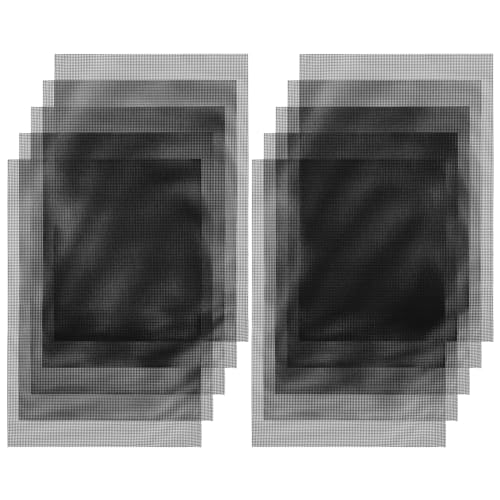
Ouligay 10pcs 11.8 X 7.8inch Flower Pot Hole Mesh Pad, Plastic Mesh Sheet, Eye Mesh, Keep Soil from...
- 【Versatile And DIY】: With a size of 30 x 20cm/11.81 x 7.87inch , the ability to cut the plastic mesh sheet into any shape, our flower pot hole mesh pad is perfect for...
- 【Easy To Use And Install】: Simply place the diy pot bottom flower pot hole mesh pad at the bottom of your flower pot to prevent soil loss and ensure proper drainage...
- 【Long-Lasting And Durable】: Made from quality polyethylene, these eye mesh for pots are durable and can maintain their original shape for a long time, providing...
If you’re looking for a practical solution to keep your plants thriving, Ouligay Flower Pot Hole Mesh Pads are an excellent choice. These 30 x 20 cm pads fit most pots and can easily be cut for custom sizes. Just place one at the bottom of your pot before adding soil. This mesh prevents soil loss while allowing air and moisture to reach your plant roots. Made from durable polyethylene, these pads won’t deform over time. They’re perfect for indoor and outdoor use. With ten in a pack, you’ll have plenty to guarantee your plants get the proper drainage they need!
Best For: Garden enthusiasts and plant lovers seeking an effective way to enhance pot drainage and protect soil.
Pros:
- Customizable Size: Can be easily cut to fit various pot sizes and shapes.
- Durable Materials: Made from high-quality polyethylene, ensuring long-lasting use without deformation.
- Multi-functional: Suitable for both indoor and outdoor plants, allowing proper drainage while retaining moisture.
Cons:
- Limited Absorption: Mesh pads do not retain water, relying on the soil for moisture retention.
- Requires Installation: Needs to be placed at the bottom of pots before soil is added, which may be seen as an extra step.
- Potential for Larger Pots: Larger pots may require multiple pads for adequate coverage, increasing overall cost.
Common Culture Bio Trellis Netting Bulk Roll (5 ft x 15 ft)

Common Culture Bio Trellis Netting Bulk Roll | 5 ft x 15 ft with 6-Inch Squares | Heavy-Duty Plant...
- Easy Installation: The bulk roll format simplifies application across large areas, designed to minimize tangling and ease maintenance efforts, making it a user-friendly...
- Food Safe: Suitable for food contact according to FDA & EU food contact regulations.
- Versatile Use: Can be applied both vertically and horizontally, suitable for a variety of plant types and cultivation methods. Whether for climbing vegetables, heavy...
For gardeners seeking reliable support for climbing plants or heavy crops, the Common Culture Bio Trellis Netting Bulk Roll (5 ft x 15 ft) is an excellent choice. This heavy-duty netting features 6-inch squares, perfect for keeping your plants upright. It’s made from strong, high-density polyethylene, resistant to chemicals and UV rays, which means it lasts through multiple seasons. Installing the netting is simple; just unroll and attach it across your garden. You can use it both vertically and horizontally, making it versatile for various gardening techniques. Plus, it’s safe for edible plants, ensuring a worry-free harvest. Enjoy your gardening!
Best For: Gardeners looking for a durable and versatile support system for climbing plants and heavy crops.
Pros:
- Heavy-duty construction ensures longevity and reliable support for various plant types.
- Resistant to chemicals, UV rays, and rotting, making it suitable for long-term use.
- Compliant with food safety regulations, ensuring safety for edible plants.
Cons:
- The bulk roll size may be challenging for smaller gardens or limited spaces.
- Requires some installation effort, which may not be ideal for all gardeners.
- Limited aesthetic appeal compared to more visually pleasing garden supports.
100PCS Bonsai Pot Bottom Grid Mat Mesh for Plant Drainage

shemist Plant Mesh Drainage Screens - 100PCS 2-Inch Reusable Grid Mats, Keep Soil in Pots for...
- ◆【Stops Soil Loss, Promotes Healthy Roots】These durable mesh screens cover drainage holes perfectly, keeping soil in while letting excess water drain out freely...
- ◆【Made of Sturdy, Long-Lasting Polyester】Constructed from 100% polyester, these grids are wear-resistant and hold their shape. They won‘t degrade over time...
- ◆【The Essential Companion for Repotting】A must-have tool for any repotting project. Simply place a screen at the bottom of any planter, ceramic pot, or bonsai...
When you’re serious about bonsai cultivation, having the right drainage solution is essential. The PCS Bonsai Pot Bottom Grid Mat Mesh is a fantastic choice. Each of the 100 mats measures 2 inches in diameter and fits snugly in ceramic basins or pots. Crafted from sturdy polyester, these mats keep their shape for long-lasting use. They prevent soil from escaping through small drainage holes while allowing excess water to drain away, minimizing root rot risks. With a pack of 100, you’ve got plenty to tackle various planting needs. It’s truly a smart investment for any bonsai enthusiast.
Best For: Bonsai enthusiasts and gardeners looking for an effective solution to protect soil and enhance drainage in pots with small holes.
Pros:
- Durable Material: Made from sturdy polyester, ensuring long-lasting use and shape retention.
- Prevent Soil Loss: Effectively keeps soil in place while allowing excess water to drain, reducing root rot risks.
- Bulk Packaging: Comes with 100 mats, providing ample supply for various planting needs.
Cons:
- Limited Size: Each mat measures only 2 inches in diameter, which may not fit larger pots.
- Single Functionality: Primarily designed for drainage; may not be suitable for other gardening purposes.
- Material Sensitivity: Polyester may degrade over time when exposed to intense sunlight or extreme weather conditions.
Factors to Consider When Choosing Bonsai Netting

When you choose bonsai netting, contemplate a few key factors. You’ll want to evaluate material durability and quality to guarantee your netting lasts, as well as size and customization options to fit your specific tree. Ease of installation and drainage efficiency are also important, so pay attention to these aspects for the best results.
Material Durability and Quality
Choosing the right netting for your bonsai trees is essential for their growth and support. Select materials that are UV-resistant and can withstand various weather conditions, guaranteeing durability over time. High-density polyethylene is a great choice due to its strength, chemical resistance, and ability to maintain shape under stress. Don’t forget to look for biodegradable options that decompose safely, promoting environmental sustainability. The thickness of the netting also matters; medium to heavy-duty options provide better support for larger branches. Finally, make sure the netting’s easy to install and versatile, whether you’re using it vertically or horizontally. With the right netting, your bonsai trees will have the strength they need to thrive in your care.
Size and Customization Options
Selecting the right size and customization options for your bonsai netting can greatly impact your tree’s growth and maintenance. First, measure the area you want to cover. Standard sizes, like 5 ft x 15 ft, make it easier to cover larger surfaces. Next, consider customization. Many netting types can be cut to fit your specific bonsai pot shape, allowing for a precise fit. Look for square mesh sizes, often seen in 6-inch squares, as they encourage proper drainage and support plant health. It’s important to choose durable materials, like high-density polyethylene, which withstands environmental factors. Finally, if you’re growing edible plants, verify your netting complies with food safety regulations to protect your bonsai’s health.
Ease of Installation
Bonsai netting should be easy to install, especially if you’re enjoying the cultivation process. First, choose netting that comes in a bulk roll; this makes applying it across larger areas hassle-free. Look for lightweight, pliable materials that you can easily cut and shape for your specific needs. A user-friendly design also matters, as it allows for quick attachment to pots and support structures, saving you valuable time. Opt for netting with pre-measured grid patterns, which helps with plant training and guarantees even spacing as your trees grow. Finally, make certain the netting is durable enough to withstand weather changes while still being simple to remove for maintenance and harvesting. Happy cultivating!
Drainage Efficiency
When you’re caring for bonsai trees, drainage efficiency plays a critical role in their health and growth. Choose netting with small holes to let excess water drain while keeping soil in place. This design minimizes the risk of root rot, which is essential for your tree’s longevity. Look for materials that are both durable and breathable, allowing water passage but also helping maintain soil integrity beneath. Netting with larger or strategically placed apertures enhances moisture retention, benefiting your bonsai. Plus, flexible yet structurally sound netting can adapt to various pot sizes, ensuring effective drainage. A well-designed netting will maintain its shape over time, providing consistent drainage and supporting your bonsai’s long-term health.
Environmental Impact
Choosing the right netting for your bonsai trees can greatly impact both their growth and the environment. Start by selecting biodegradable and eco-friendly materials to minimize harm and support sustainability. High-density polyethylene netting is a great choice; it resists rot and UV degradation, reducing the need for replacements. Verify the netting complies with FDA and EU food regulations if your bonsai includes edible plants, which prevents harmful substances from entering the soil. Look for netting that promotes soil health by allowing moisture and air to pass while preventing erosion. Finally, opt for netting made from recycled materials to support a circular economy. By making these choices, you contribute to healthy bonsai cultivation and the planet’s well-being.
Plant Compatibility
Selecting the right netting for your bonsai trees involves understanding the specific growth requirements of your plants. Different species need different support, so consider what you’re working with. If you have climbing plants or dense foliages, heavy-duty netting will provide the stability they require. The mesh size should align with your plant’s stems and leaves for proper air circulation while preventing tangling. For delicate seedlings, opt for finer mesh netting. This helps avoid damage while still giving support. Always choose safe, non-toxic materials if you’re growing edible plants. Your choices in netting directly influence your plants’ health and overall growth, so take the time to find what works best for each variety.
Versatility of Use
Understanding the versatility of bonsai netting can greatly enhance your gardening efforts. You can use bonsai netting for various applications, like supporting climbing plants or creating trellises. Many nettings adapt both vertically and horizontally, fitting different plant types and growth patterns. This flexibility allows you to customize their use in your garden. With a mesh size of about 6 inches, the netting promotes airflow while preventing tangling, making maintenance a breeze. Plus, the sturdy materials resist environmental stressors like UV rays and chemicals, ensuring long-lasting use. Don’t forget, you can cut netting to fit your space, accommodating various pot sizes and configurations. Embrace these features to optimize your bonsai cultivation!
Frequently Asked Questions
What Materials Are Best for Bonsai Netting?
For bonsai netting, you’ll want to use sturdy, synthetic materials like nylon or polyester. These are strong, durable, and weather-resistant, perfect for supporting your bonsai roots. Additionally, consider mesh netting with small holes; it allows for proper drainage while preventing soil loss. Remember to cut the netting to fit your pot snugly, ensuring it holds firmly in place. This simple step really helps your bonsai thrive while making maintenance easier.
How Do I Install Bonsai Netting Correctly?
To install bonsai netting correctly, start by cutting a piece to fit your container’s drainage hole. Secure it over the hole using adhesive or small rocks to hold it in place. Make sure the netting is tight yet allows water to pass through. Trim any excess netting along the edges for a clean look. Finally, place your soil mixture on top, ensuring proper airflow and drainage for your bonsai tree.
Can Bonsai Netting Be Reused?
Yes, you can reuse bonsai netting! After using it, gently clean off any debris and inspect for damage. If it’s still in good shape, you can roll it up and store it for next time. Make sure it fits well with your next planting, too. Just remember, frequent use can wear out the netting, so check its condition before reusing. Keeping it in good condition can save you time and money!
What Is the Lifespan of Bonsai Netting?
The lifespan of bonsai netting typically ranges from one to three years, depending on factors like material and environmental conditions. If you’re using plastic netting, it may last longer, especially if it’s kept out of harsh sun and rain. On the other hand, natural fibers tend to degrade faster. To maximize netting’s lifespan, inspect it regularly for wear and replace it when it shows signs of damage or deterioration.
Is Bonsai Netting Safe for All Plant Types?
Bonsai netting is generally safe for most plant types, but you should always check before using it. Some delicate plants might struggle with the netting’s pressure, while others thrive under it. Ideally, you want to use it with plants that benefit from proper airflow and root health. For instance, flowering plants often appreciate the support. Just remember to monitor your plants regularly, adjusting the netting if you notice any stress. Happy gardening!


