As an Amazon Associate, we earn from qualifying purchases. Some links on this site are affiliate links at no extra cost to you. Our recommendations are based on thorough research and editorial judgment.


3 Best Online Bonsai Courses to Cultivate Your Green Thumb

To cultivate your green thumb with bonsai, check out these three online courses: “Bonsai: The Complete Step-by-Step Guide for Beginners,” which offers essential care techniques and covers foundational styles. Next, explore “Make Money From Online Courses,” helping you monetize your bonsai knowledge. Finally, consider “Online Course Design,” a resource that provides engaging instructional strategies. These courses are perfect for both beginners and enthusiasts. Stick around to discover even more valuable insights on your bonsai journey!
Key Takeaways
- Bonsai: The Complete Step-by-Step Guide for Beginners offers foundational care techniques and seasonal advice, suitable for novices and those seeking to enhance their skills.
- Advanced Bonsai Techniques focuses on intricate styling and pruning methods, ideal for experienced practitioners aiming to refine their artistry.
- Bonsai Project-Based Learning engages learners in hands-on practices, promoting skill application through interactive projects and assessments for deeper understanding.
- Flexible Learning Options allow students to access course materials at their convenience, ensuring a balance between personal commitments and bonsai education.
- Instructor Support and Community Engagement provide vital feedback through forums and live Q&A sessions, fostering collaboration and motivation among participants.
Make Money From Online Courses: Create and Sell Your First Online Course

If you’re looking to turn your passion for bonsai into a profitable venture, the “Best Online Bonsai Courses” can be your perfect starting point. To succeed, consider creating and selling your own online courses. First, choose a unique idea related to bonsai that you’re excited about. Next, develop teachable content that others will find valuable and engaging. You might want to test your course idea by getting feedback from friends or fellow enthusiasts. Finally, market your course effectively by connecting with your target audience through social media and forums. With dedication, you can enjoy financial freedom while sharing your passion!
Best For: Individuals passionate about bonsai who want to turn their expertise into a profitable online course.
Pros:
- Easy to access and learn from a variety of online platforms.
- Opportunity to share your passion and knowledge with a broader audience.
- Potential for passive income once courses are established and marketed effectively.
Cons:
- Initial effort and time required to create high-quality course content.
- Competition from other online courses in the niche may be high.
- Marketing your course effectively can be challenging and requires additional skills.
ONLINE COURSE DESIGN: An Easy And Practical Approach To Instructional Design
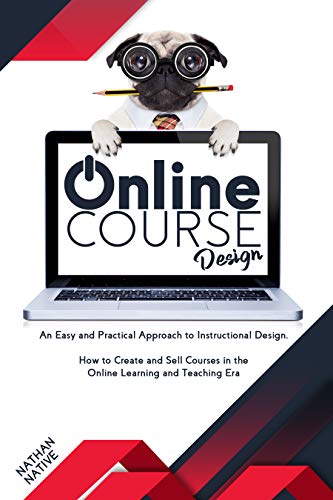
For anyone enthusiastic to plunge into the world of bonsai, the best online courses combine practical techniques with engaging teaching methods. To design your course, start by identifying your target audience and the learning outcomes you want to achieve. Think about what skills you want your students to master, like pruning or styling techniques. Next, develop your content by selecting multimedia resources and instructional materials that support these outcomes. Guide your students step-by-step through the process, enhancing engagement with varied formats. Finally, continuously review your course to improve and keep learners motivated. This approach will lead to a rewarding teaching experience.
Best For: Individuals eager to learn online course design and enhance their skills in creating engaging outcome-based learning experiences.
Pros:
- Provides a practical, non-academic approach to course design suitable for all skill levels.
- Includes a structured, step-by-step guide that simplifies the design process.
- Encourages continuous improvement and quality enhancement of course content.
Cons:
- May not cover advanced academic theories in instructional design for those seeking a deeper understanding.
- Some readers might find the focus on practicality limiting if they prefer theoretical approaches.
- The guidance offered may require additional resources or tools that are not included in the book.
Bonsai: The Complete Step-by-Step Guide for Beginners
Bonsai cultivation offers a unique blend of artistry and gardening, making it an ideal choice for those seeking a rewarding hobby. In “Bonsai: The Complete Step-by-Step Guide for Beginners,” you’ll learn everything you need to start. This guide covers the basics, like how often to water your bonsai and the best shaping techniques. You’ll discover five foundational bonsai styles and how to choose the right tree for your goals. Kitaro Takagi provides expert tips on potting and seasonal care, ensuring your bonsai thrives. With this guide, you’ll cultivate your green thumb and experience the joy of bonsai artistry.
Best For: Beginners or individuals with prior experience looking to enhance their bonsai cultivation skills and knowledge.
Pros:
- Comprehensive step-by-step guidance on bonsai care and cultivation.
- Tips from an expert, Kitaro Takagi, ensuring reliable information and techniques.
- Covers a wide range of topics, including various bonsai styles and seasonal care recommendations.
Cons:
- May lack advanced techniques for experienced bonsai practitioners.
- Some readers might find the information too basic if they already have a solid understanding of bonsai.
- The focus on foundational styles might not cater to those looking for more unique or complex designs.
Factors to Consider When Choosing a Bonsai Online Course

When choosing a bonsai online course, consider several key factors to get the most value. Look at the instructor’s qualifications, the course structure, and the availability of hands-on learning opportunities. Also, think about the tools offered and whether the schedule fits your lifestyle, so you can learn effectively.
Instructor’s Qualifications and Expertise
Choosing the right instructor is crucial for your bonsai journey. Look for an instructor with formal training or extensive experience in bonsai cultivation. This background guarantees they have a deep understanding of both the art and science of bonsai care. Expertise in various styles and techniques allows them to teach you skills tailored to your level. If they have a background in horticulture or botany, you’ll gain valuable insights into plant biology necessary for healthy bonsai. Additionally, an instructor’s previous teaching experience often means they can explain complex concepts clearly. Finally, check positive testimonials and reviews from former students, as these can indicate the instructor’s effectiveness and knowledge in the field.
Course Content and Structure
Finding the right course content is just as important as selecting an instructor. Start by evaluating the topics covered, ensuring they’re essentials like cultivation techniques, watering frequency, and suitable container choices. A well-structured course should offer a step-by-step guide to various bonsai styles, allowing you to progress clearly in your learning. Look for practical guidance on seasonal care, since this is key for your bonsai’s health and growth. Make sure the course includes expert advice from experienced cultivators; tips from pros can greatly enhance your understanding. While hands-on practice isn’t the focus here, considering opportunities for interactive learning can bolster skill retention. Choose wisely, and you’ll find your green thumb flourishing!
Hands-On Learning Opportunities
While delving into the world of bonsai, incorporating hands-on learning opportunities can greatly boost your skills and confidence. Look for courses with interactive elements, like video demonstrations. These help you visualize and replicate pruning and shaping techniques. Workshops or live sessions are valuable too, as they offer real-time feedback. This support can be essential when troubleshooting your bonsai care practices. Additionally, assessments that require submitting images of your projects encourage peer reviews, fostering a community of shared learning. Finally, choose courses that provide downloadable resources, such as care schedules and tool lists. These will allow you to practice outside the online environment, reinforcing what you’ve learned and helping you grow as a bonsai enthusiast.
Tools and Resources Offered
When selecting an online bonsai course, it’s essential to take into account the tools and resources provided. Look for instructional videos that clearly demonstrate techniques like pruning and shaping. These visuals enhance your understanding and make learning more engaging. Extensive written resources, such as PDFs or e-books, are equally important for in-depth study and reference. Interactive tools like forums or chat features allow you to connect with instructors and peers, boosting your learning experience. A project-based approach keeps you actively involved by encouraging hands-on practice with specific bonsai styles. Additionally, make sure the course offers curated lists of recommended tools and materials, helping you gather everything needed to succeed in your bonsai cultivation journey.
Flexibility of Learning Schedule
How can you guarantee your learning experience is both effective and enjoyable? When choosing a bonsai online course, prioritize flexibility in your learning schedule. Look for self-paced formats that let you study without strict deadlines. This kind of flexibility can boost your motivation, adapting to your personal commitments and learning speed. Courses with asynchronous content, like pre-recorded video lectures and downloadable resources, allow you to access materials whenever it suits you. Plus, check for live sessions held at various times. This affirms you can participate, regardless of your time zone or availability. Also, being able to revisit course materials helps reinforce your understanding of bonsai cultivation techniques. Choose wisely, and enjoy your journey into bonsai!
Price and Value Assessment
Evaluating the price and value of a bonsai online course is essential for making a wise investment in your learning journey. First, check if the course covers key topics like cultivation techniques and seasonal care. Consider the duration and how deeply it dives into both basic and advanced styles. Additional resources, such as videos and downloadable guides, can enrich your experience and justify the cost. It’s also important to see if you’ll receive insights or feedback from qualified instructors, as this offers value beyond free resources. Finally, compare prices across platforms to guarantee you’re getting a course that reflects expertise and includes practical assessments. This way, you can choose the right fit for your bonsai adventure.
Community Engagement and Support
A supportive community can make a significant difference in your bonsai learning experience. Look for online courses that offer discussion groups or forums where you can ask questions and share your experiences. This engagement helps you feel less alone as you navigate challenges in bonsai cultivation. Many courses provide live Q&A sessions, allowing you to interact directly with seasoned bonsai practitioners. These opportunities offer valuable insights in real-time. Also, seek programs that encourage networking with fellow enthusiasts. Being part of an active community increases your motivation and commitment, as you’ll feel more invested in your learning. Choose a course that fosters this collaborative environment, making your bonsai journey enjoyable and effective.
Frequently Asked Questions
Can I Take These Courses on Mobile Devices?
Yes, you can take these courses on mobile devices. Most platforms offer user-friendly apps or responsive websites that work well on smartphones and tablets. You’ll find lessons, videos, and resources easily accessible, so you can learn on the go. Just make sure you have a stable internet connection and enough storage space for any downloadable materials. This way, you can cultivate your bonsai skills anytime, anywhere, fitting study into your busy life.
Are the Courses Suitable for Children?
Yes, the courses are suitable for children, especially if they have an interest in plants or nature. You’ll find that many lessons are designed to engage younger learners, using fun visuals and simple instructions. Encourage your child to explore their creativity by selecting their favorite bonsai style. Remind them to ask questions, as curiosity drives learning. With your guidance, they can enjoy understanding and nurturing their very own bonsai tree.
How Much Time Do I Need to Complete a Course?
You’ll typically need about four to six weeks to complete an online bonsai course. Each week, you should plan to spend around two to three hours on lessons, videos, and practice. Some courses may offer a flexible schedule, allowing you to go at your own pace. Make sure to engage with the course materials, connect with fellow learners, and put the techniques into practice to fully grasp the art of bonsai.
What Materials Are Needed for These Courses?
You’ll need a few basic materials to get started with your bonsai course. First, grab a small bonsai tree or a sapling. Next, gather quality potting soil, a bonsai pot, and tools like pruning shears and wire for shaping. Don’t forget to have a watering can and fertilizer on hand. Finally, having a notebook for notes and observations can help you track your plant’s progress. Enjoy your journey in bonsai!
Is There a Community for Students to Interact?
Yes, there’s a vibrant community for students to interact in these courses. You’ll find forums, chat groups, and social media pages where fellow learners share tips, showcase their bonsai progress, and ask questions. Engaging with others not only deepens your understanding but also keeps your passion alive. So, don’t hesitate to ask for advice or offer your own insights; collaboration enriches your bonsai journey and makes it even more rewarding!


