As an Amazon Associate, we earn from qualifying purchases. Some links on this site are affiliate links at no extra cost to you. Our recommendations are based on thorough research and editorial judgment.


10 Best Bonsai Penjing Landscapes to Inspire Your Green Thumb

Creating stunning bonsai penjing landscapes can inspire your green thumb. Start with diverse tree selections, like junipers or dwarf gardenias, for unique designs. Consider layering elements like rocks and plants to enhance visual appeal. Projects like the Eve’s Garden Juniper Kit or Dwarf Gardenia Kit are beginner-friendly and come with all the essentials. Remember to focus on balance and simplicity for a tranquil feel. You’ll discover more about enchanting bonsai techniques and tips as you explore further.
Key Takeaways
- Explore diverse bonsai styles, including traditional Penjing, to appreciate their cultural significance and artistry in miniature landscapes.
- Consider unique projects like the Eve’s Garden Juniper Kit and Dwarf Gardenia Kit for hands-on experience in creating intricate bonsai landscapes.
- Study design principles emphasizing balance and harmony to enhance the visual appeal of your bonsai arrangements and create tranquil environments.
- Select plants based on USDA hardiness zones to ensure compatibility and healthy growth, enhancing landscape diversity and resilience.
- Engage with online bonsai communities for inspiration and support, fostering creative expression and learning from experienced bonsai enthusiasts.
Living Sculptures: Mastering the Art of Bonsai Techniques
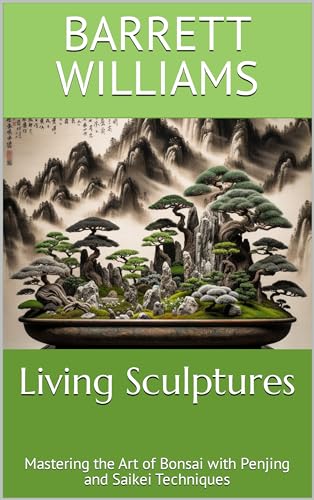
If you’re someone who appreciates nature’s beauty but may feel overwhelmed by traditional gardening methods, “Living Sculptures: Mastering the Art of Bonsai Techniques” is perfect for you. This guide helps you explore the art of Bonsai, as well as its counterparts, Penjing and Saikei. You’ll learn to create miniature landscapes that reflect nature’s beauty through strategic placement of plants and stones. Start with selecting suitable materials, like specific tree species and unique rocks. Master basic techniques like wiring and shaping. This book invites you to cultivate not just plants, but personal expression, deepening your connection with nature along the way.
Best For: Those who appreciate nature’s beauty and are seeking a manageable and artistic approach to gardening through Bonsai, Penjing, and Saikei techniques.
Pros:
- Comprehensive Guide: Covers Bonsai, Penjing, and Saikei techniques, appealing to various interests in miniature landscape creation.
- Artistic and Philosophical Insight: Encourages personal expression and deepens the connection with nature through artful practices.
- Accessible for Beginners: Simplifies complex gardening concepts, making it approachable for those who may feel overwhelmed by traditional methods.
Cons:
- Time-Consuming: Creating and maintaining Bonsai or Penjing landscapes can require significant time and dedication.
- Requires Patience: Mastering techniques may take time and practice, which could be frustrating for some beginners.
- Material Costs: Ideal plants and stones for creating landscapes can be expensive, which may limit accessibility for some enthusiasts.
Bonsai Care for Beginners: A Simple Guide to Miniature Trees
Bonsai Penjing Landscapes are perfect for anyone wanting to explore the art of miniature trees, especially beginners who appreciate nature’s beauty. Start by selecting the right materials, like a small plant and appropriate soil. Use simple wiring techniques to shape your tree’s branches as you envision. Remember to prune the roots during repotting, ensuring healthy growth. Water them according to their type, and feed them with care throughout the seasons. Don’t forget to check for pests and keep a calendar for seasonal tasks. Join online bonsai groups to connect, ask questions, and share your journey with others!
Best For: Beginners and nature lovers seeking to explore the art of bonsai tree care.
Pros:
- Easy-to-follow step-by-step instructions for bonsai care techniques.
- Seasonal care calendar helps to keep track of watering and feeding schedules.
- Access to a community of bonsai enthusiasts for support and advice.
Cons:
- Requires knowledge of different plant types for tailored care.
- May involve a learning curve for wiring and shaping techniques.
- Potential for pests and diseases that require ongoing management.
Eve’s Garden Juniper Penjing Seed Kit for Bonsai
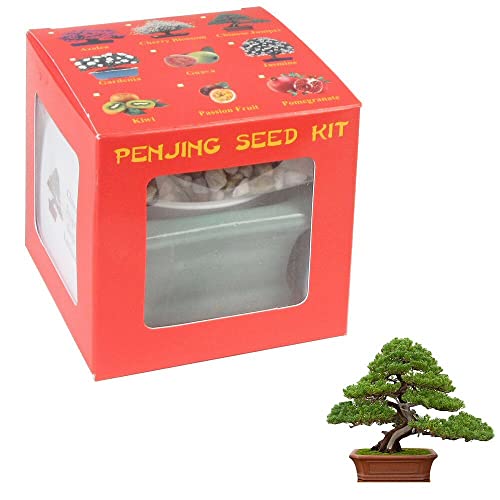
Eve's Garden Juniper Penjing Seed Kit, The Chinese Art of Bonsai. Complete Kit to Grow Chinese...
- Eve's Garden Complete Penjing Seed Kit with everything you need to grow Chinese Juniper from seed
- Seed kit includes Chinese Juniper Seeds, Ceramic Container, Special Potting Mix, Pebbles, and Instruction Guide
- Kit includes enough Chinese Juniper seeds to germinate several starter plants
For those looking to explore the art of Penjing, the Eve’s Garden Juniper Penjing Seed Kit is an excellent choice, especially for beginners, children, and hobbyists. This complete kit includes Chinese Juniper seeds, a ceramic container, potting mix, and pebbles, making it easy to get started. You’ll find clear instructions to help you along the way. With the right partial sunlight and regular watering, you can successfully germinate several starter plants. Plus, the kit’s compact size means it fits neatly in any space. Immerse yourself in creating your miniature landscape and watch your unique Penjing flourish!
Best For: Beginners, children, and hobbyists looking to explore the art of Penjing and grow their own miniature landscapes.
Pros:
- Complete kit with all necessary components for easy setup and growing.
- Clear instructions provided to support novice gardeners through the process.
- Compact size and versatile ceramic container make it suitable for various spaces.
Cons:
- Growth may require specific conditions (partial sunlight and regular watering) that some may find challenging.
- Limited to growing Chinese Juniper, which may not appeal to everyone.
- The ceramic container size and color may vary, leading to potential aesthetic differences.
Eve’s Garden Dwarf Gardenia Penjing Seed Kit
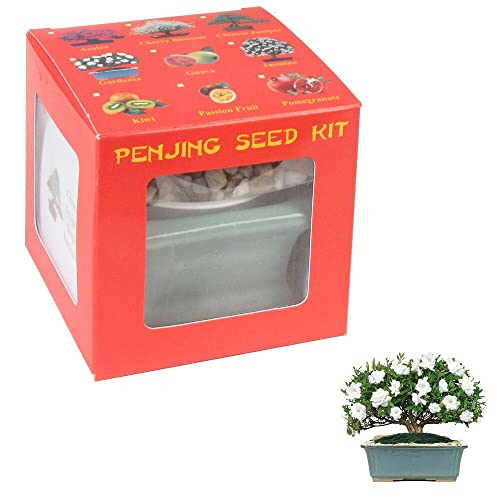
Eve's Garden Dwarf Gardenia Penjing Seed Kit, The Chinese Art of Bonsai, Complete Kit to Grow...
- Eve's Garden Complete Penjing Seed Kit with everything you need to grow Flowering Dwarf Gardenia Penjing Tree from seed.
- Seed kit includes Dwarf Gardenia Penjing Seeds, Ceramic Container, Special Potting Mix, Pebbles, and Instruction Guide
- Kit includes enough Dwarf Gardenia seeds to germinate several starter plants
The Eve’s Garden Dwarf Gardenia Penjing Seed Kit is perfect for anyone who wants to explore the art of bonsai gardening at home. This complete kit provides everything you need, including Dwarf Gardenia seeds, a ceramic container, special potting mix, and pebbles. The container, measuring 3L x 3W x 3H, varies in size and color, adding to its charm. When grown, these trees produce beautiful, fragrant flowers, enhancing your garden’s appeal. With enough seeds to sprout several starter plants, you’ll enjoy watching them thrive. Plus, it comes in a lovely gift box, making it an excellent present for gardening friends!
Best For: Gardening enthusiasts and beginners interested in bonsai gardening and growing fragrant flowering plants at home.
Pros:
- Complete kit includes everything needed to grow Dwarf Gardenia Penjing trees from seed, making it beginner-friendly.
- Produces beautiful and fragrant flowers, enhancing the aesthetic appeal of any garden.
- Packaged in a gift box, perfect for presenting as a thoughtful gift to friends or family.
Cons:
- The container size and color may vary, which may not meet specific aesthetic preferences.
- Growing from seed requires patience, as it may take time for plants to germinate and flourish.
- Limited to Dwarf Gardenia, which may not appeal to those looking for a variety of plant options.
Creating Bonsai Landscapes: 18 Miniature Garden Projects
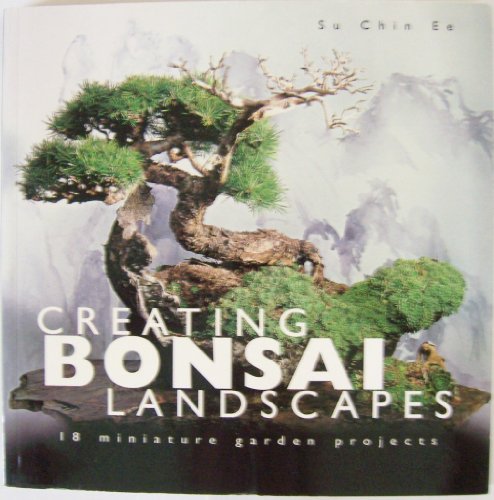
Creating Bonsai Landscapes: 18 Miniature Garden Projects
- Used Book in Good Condition
Creating stunning bonsai landscapes is perfect for anyone enthusiastic to explore a blend of artistry and nature. You can start with 18 miniature garden projects that bring the beauty of Eastern traditions into your home. Each project offers clear advice on selecting the right plants and their ideal positions. You’ll find colorful photographs and detailed drawings to guide your design. Practical tips on construction techniques guarantee you use the right materials while caring for your bonsai. Finally, maintain your garden by pruning and managing common issues, so you create a thriving, serene landscape that reflects your creativity and care.
Best For: Those seeking a creative and meditative hobby while incorporating beautiful Eastern-inspired designs into their home gardens.
Pros:
- Diverse Projects: Features 18 unique miniature garden projects suitable for various skill levels.
- Visual Guidance: Includes colorful photographs and detailed drawings for easy understanding and inspiration.
- Comprehensive Care Tips: Offers maintenance advice to ensure long-term success of your bonsai landscapes.
Cons:
- Initial Setup Time: Creating bonsai landscapes may require a significant time investment for beginners.
- Specific Material Needs: May necessitate special materials and tools that aren’t typical gardening supplies.
- Learning Curve: Understanding the intricacies of bonsai care can be challenging for those unfamiliar with gardening techniques.
Bonsai and Penjing: Ambassadors of Peace & Beauty
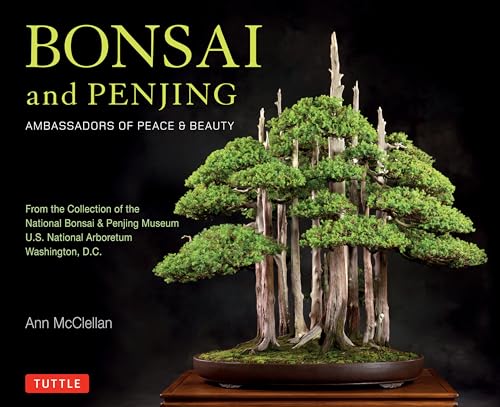
Bonsai and penjing serve as powerful symbols of peace and beauty, making them perfect for art enthusiasts and nature lovers alike. These miniature landscapes tell stories linked to international diplomacy, like the gift of 53 bonsai from Japan in 1976, which inspired the National Bonsai & Penjing Museum. By exploring the diverse collections, including Chinese penjing and North American bonsai, you’ll gain insights into the artistry that shapes these living sculptures. Visiting the museum can enrich your understanding of bonsai culture, showcasing remarkable trees and educational exhibits. Embrace the tranquility these miniature worlds offer, cultivating your own oasis at home.
Best For: Art enthusiasts and nature lovers seeking to deepen their appreciation for bonsai and penjing culture.
Pros:
- Cultural Significance: Offers insights into the historical and diplomatic importance of bonsai and penjing.
- Diverse Collection: Features a variety of styles, including Chinese penjing and North American bonsai, appealing to a wide audience.
- Educational Value: Provides engaging exhibits and stories behind the trees, enhancing the visitor experience.
Cons:
- Limited Accessibility: The museum may be located far from some readers, making visits challenging without travel.
- Potential Cost: Some might find the admission fee or associated costs for traveling to the museum to be a barrier.
- Learning Curve: Beginners might find the depth of information overwhelming, requiring additional resources to fully appreciate the art.
Bonsai | Penjing: The Collections of the Montréal Botanitcal Garden
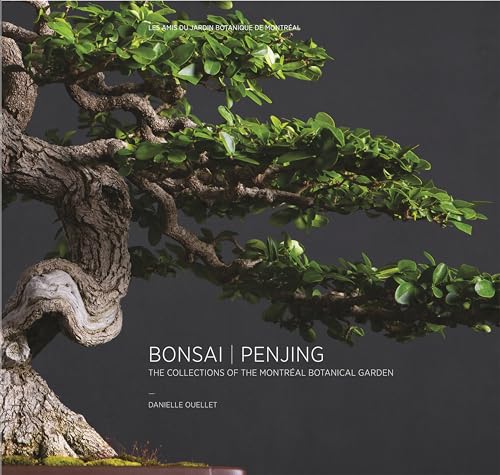
For anyone interested in exploring the intricate art of bonsai and penjing, the Montréal Botanical Garden offers a remarkable opportunity. Housing over 350 trees, this collection is one of North America’s finest. Some trees even date back to the 17th century! You’ll see how bonsai and penjing reflect their natural environments. They also represent the philosophies of their creators. As you view these miniature masterpieces, notice the blend of traditional Asian aesthetics with contemporary North American interpretations. To enhance your experience, check out the stunning photographs in the publication “Bonsai | Penjing: The Collections of the Montréal Botanical Garden.”
Best For: Anyone interested in exploring the art and cultural significance of bonsai and penjing will find this collection at the Montréal Botanical Garden invaluable.
Pros:
- Over 350 unique and historical bonsai and penjing trees, some dating back to the 17th century.
- A rich blend of traditional Asian aesthetics and contemporary North American interpretations enhances the viewing experience.
- The accompanying publication features stunning photographs that bring the beauty of these miniature trees to life.
Cons:
- Accessibility may be limited for those unable to travel to Montréal.
- The collection may not encompass all styles and variations of bonsai and penjing.
- Some visitors may find the intricate details difficult to appreciate without prior knowledge of the art form.
Forest Penjing: Miniature Chinese Bonsai Tree Care Guide
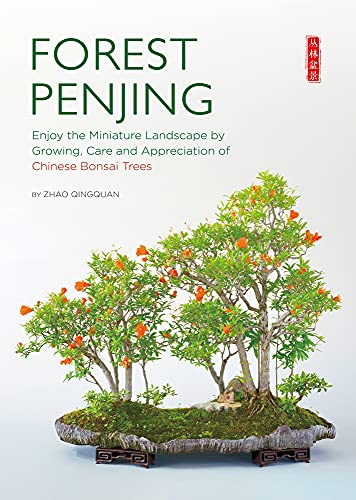

If you want to immerse yourself in the art of miniature landscapes, Forest Penjing offers an enchanting way to explore this unique form of Chinese bonsai. Start by selecting a suitable container and a mix of well-draining soil. For your trees, choose species that thrive together, like junipers or pines. They need regular watering; keep the soil moist but not soggy. Trim back branches and roots annually to maintain shape and promote healthy growth. Incorporate stones and moss for an authentic scene, reflecting nature’s beauty. Finally, sunlight is essential—place your penjing in a bright spot, and enjoy your miniature forest’s progress!
Best For: Individuals interested in cultivating their appreciation for nature through the art of miniature landscapes, from beginners to seasoned designers.
Pros:
- Provides detailed guidance suitable for all skill levels, making it easy to get started.
- Encourages creativity and personal expression through the design of miniature landscapes.
- Enhances understanding of natural aesthetics by incorporating stones, trees, and water elements.
Cons:
- Requires regular maintenance and care, which can be time-consuming for busy individuals.
- Initial setup can be complex, especially for newcomers to bonsai or penjing.
- Limited plant species compatibility may restrict design options in certain climates.
Penjing: Worlds of Wonderment – A Journey Exploring an Ancient Chinese Art

Penjing: Worlds of Wonderment: A Journey Exploring an Ancient Chinese Art and Its History, Cultural...
- Used Book in Good Condition
Creating a miniature landscape in your own home can be a fulfilling journey with “Penjing: Worlds of Wonderment.” This enchanting guide is perfect for anyone interested in exploring the ancient Chinese art of penjing, whether you’re a seasoned gardener or just starting out. You’ll learn how to combine trees and rocks to express your unique vision of nature. As you cultivate these tiny worlds, you’ll also appreciate the cultural significance behind penjing, reflecting deep emotions and artistic sensitivity. This book is beautifully illustrated, offering ideas and inspiration that extend to anyone intrigued by Chinese culture, gardening, and aesthetics.
Best For: This book is best for gardening enthusiasts, cultural explorers, and anyone interested in the artistic expression of nature.
Pros:
- Comprehensive Introduction: Provides substantial information on penjing, making it accessible for novices and enriching for experienced practitioners.
- Cultural Insights: Offers insights into the significance of penjing in Chinese culture, enhancing the reader’s understanding of its philosophical roots.
- Illustrative Inspiration: Lavishly illustrated, the book serves as a visual guide, inspiring creativity and personal expression in creating miniature landscapes.
Cons:
- Limited Practical Instructions: Some readers might find the guidance on technical skills less detailed compared to other gardening books.
- Niche Interest: The focus on penjing may not appeal to all gardening enthusiasts, especially those more interested in traditional gardening or other forms of landscape design.
- Potentially Overwhelming for Beginners: The artistic concepts might be daunting for those completely new to gardening or artistic expression.
A Deep Dive into Bonsai and Penjing: Miniature Tree and Landscape Design
Bonsai and Penjing represent a fascinating journey into the world of miniature tree and landscape design, perfect for those who appreciate nature’s beauty in compact forms. You’ll want to explore both art forms, which have rich histories and cultural significance. Start by learning essential techniques like pruning, shaping, and nurturing your miniature trees. Follow expert tips to create tranquil landscapes that evoke serenity. As you cultivate these tiny worlds, you’ll connect with nature and find peace in the process. Whether you’re a seasoned pro or just starting out, this practice will unlock the door to creativity and self-discovery in your life.
Best For: Those seeking a serene and creative outlet through the art of miniature tree and landscape design, regardless of experience level.
Pros:
- Cultivates mindfulness and promotes relaxation through engaging with nature.
- Enhances creativity by allowing for personal expression in landscape design.
- Accessible to all skill levels, providing clear guidance for beginners while offering advanced techniques for seasoned enthusiasts.
Cons:
- Time-consuming process that requires patience and dedication for optimal results.
- Initial costs for tools and materials may be higher than expected for beginners.
- Requires maintenance and care, which may be a commitment for those with busy lifestyles.
Factors to Consider When Choosing a Bonsai Penjing Landscape

When choosing a bonsai penjing landscape, you’ll want to contemplate various factors that affect your success. Start by selecting the right plants and understanding their specific environmental needs, as different varieties thrive in unique conditions. Additionally, think about design principles and maintenance requirements to create an inspiring and enjoyable landscape.
Plant Selection and Variety
Selecting the right plants is essential for your Bonsai penjing landscape. Start by considering your climate and USDA hardiness zone; verify your chosen plants will thrive in your environment. Look for a variety of trees and shrubs that complement each other in size, shape, and texture. Junipers, pines, and maples are excellent options because they’re adaptable to pruning and shaping, allowing for intricate designs. Factor in the aesthetic qualities of foliage, flowering abilities, and seasonal changes to keep your landscape attractive year-round. Additionally, incorporating plants with varying growth rates can add depth and complexity, creating a more dynamic appearance. With thoughtful plant selection, you’ll set the foundation for a stunning Bonsai penjing landscape.
Design and Aesthetic Principles
Creating a mesmerizing bonsai penjing landscape requires a keen eye for design and aesthetics. Start by considering the spatial relationships among trees, rocks, and other elements. Aim for harmony that reflects nature. Balance and proportion are key—embrace asymmetry and simplicity to evoke tranquility. Choose plants and stones thoughtfully, as their arrangements symbolize harmony, longevity, and nature’s interconnectedness. Pay attention to seasonal variations; colors and textures can transform your landscape throughout the year, enhancing its visual allure. Techniques like layering and perspective manipulation will add depth and interest, inviting viewers to explore your miniature scene. Remember, a well-designed bonsai penjing landscape should engage the emotions while showcasing the beauty of nature in a compact form.
Environmental Conditions Required
Achieving a thriving bonsai penjing landscape goes beyond artistic design; understanding environmental conditions is vital. First, consider sunlight; most species enjoy partial sunlight, so aim for a mix of light and shade daily. Watering is essential, too; keep the soil moist but avoid waterlogging to prevent root rot. Check that your trees stay in a comfortable temperature range, ideally between 60°F and 75°F. Humidity matters, especially for tropical varieties, so mist them or use humidity trays to create a suitable environment. Finally, choose a well-draining potting mix. This mixture should support healthy root growth while retaining enough moisture. Focusing on these factors will help you create a robust bonsai penjing landscape that flourishes beautifully.
Maintenance and Care Needs
When you grow a bonsai penjing landscape, understanding its maintenance and care needs is essential for success. Different species require different watering schedules; some need regular moisture, while others prefer drier soil to avoid root rot. Choosing a well-draining soil mix is imperative, often made of soil, sand, and organic matter. Pruning helps maintain the shape and size of your bonsai, so trim roots and foliage regularly for healthy growth. Seasonal care varies as well; during the growing season, follow specific fertilization schedules, while winter may require reduced watering and frost protection. Don’t forget routine pest management, as common pests can harm your landscape if not addressed promptly.
Educational and Inspirational Resources
Have you ever wondered what resources can truly enhance your journey into bonsai penjing landscapes? Start with “Living Sculptures: Mastering the Art of Bonsai Techniques.” It immerses you in the rich philosophies behind this art form, helping you appreciate its cultural significance. For practical care tips, “Bonsai Care for Beginners: A Simple Guide to Miniature Trees” gives essential watering schedules and seasonal techniques. Looking to create? “Creating Bonsai Landscapes: 18 Miniature Garden Projects” offers illustrated guidance for your creative projects. Finally, explore “Forest Penjing: Miniature Chinese Bonsai Tree Care Guide,” which caters to both beginners and experienced practitioners. Immerse yourself in “Penjing: Worlds of Wonderment” for an all-encompassing understanding and inspiration to express yourself through your miniature landscapes. Happy gardening!
Frequently Asked Questions
What Are the Best Bonsai Trees for Beginners?
The best bonsai trees for beginners are the Ficus, Juniper, and Chinese Elm. Ficus is forgiving, tolerating low light and humidity changes. Junipers are hardy, perfect for outdoor environments, and come in various styles. Chinese Elms adapt to different conditions, making them versatile options. Start with a small tree and focus on regular watering, pruning, and providing adequate sunlight. You’ll develop your skills and gain confidence in your bonsai journey. Enjoy the process!
How Long Does It Take to Create a Bonsai Landscape?
Creating a bonsai landscape can take anywhere from a few months to several years, depending on the complexity and types of plants you choose. Start with small, well-established bonsai trees and arrange them thoughtfully in your chosen container. As you shape and trim, be patient—nature needs time to grow. Regular care, including watering and pruning, keeps your landscape thriving. Enjoy the process, and you’ll see your green masterpiece evolve beautifully.
Can I Use Regular Soil for Bonsai Trees?
You shouldn’t use regular soil for bonsai trees. Regular soil often retains too much moisture, which can harm the roots. Instead, opt for a well-draining mix specifically designed for bonsai. A good blend might include akadama, pumice, and lava rock. These materials allow for proper aeration and drainage, helping your bonsai thrive. Remember, it’s essential to check the soil moisture regularly to keep your trees healthy and vibrant!
Where Can I Find Bonsai Workshops or Classes?
You can find bonsai workshops or classes at local botanical gardens, community centers, and specialty nurseries. Look online for classes in your area or check websites like Meetup for bonsai groups. Many enthusiasts also offer online tutorials which are fantastic for beginners. If you want personalized guidance, consider private lessons with experienced bonsai artists. Engaging in these workshops will not only enhance your skills but also connect you with fellow bonsai lovers.
What Tools Do I Need for Bonsai Pruning?
For bonsai pruning, you’ll need a few essential tools. Start with sharp, clean pruning shears to make precise cuts. A concave cutter is great for removing larger branches, as it helps the tree heal better. Use wire cutters for managing any wiring you’ve applied for shaping. Don’t forget a good pair of tweezers to remove unwanted leaves or pests. These tools will help you create a beautiful bonsai with ease.


