As an Amazon Associate, we earn from qualifying purchases. Some links on this site are affiliate links at no extra cost to you. Our recommendations are based on thorough research and editorial judgment.

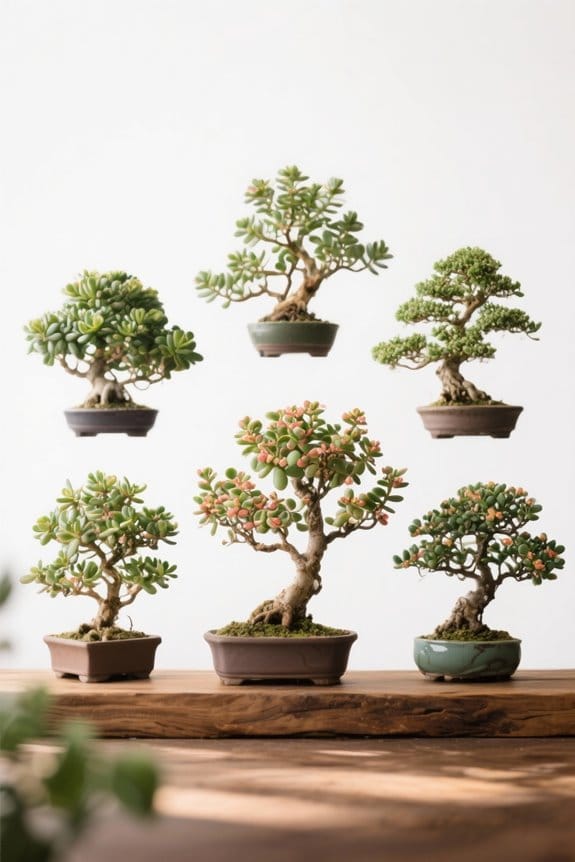
6 Best Bonsai Portulacaria Afra Varieties to Elevate Your Indoor Garden

To elevate your indoor garden, consider these six great Bonsai Portulacaria Afra varieties: Variegated Elephant Bush for its visual appeal, the 1QT Portulacaria Afra Live Succulents pack for versatility, Portulacaria afra Decumbent for its unique shape, Spekboom Elephant Bush for its handpicked quality, and Live Succulent Plants from USKC for colorful foliage. Each variety thrives with moderate care, making them perfect for beginners. Stay tuned, as there’s more to learn about ideal care!
Key Takeaways
- Variegated Elephant Bush: Adds year-round visual interest with its unique leaves and requires moderate care, perfect for enhancing indoor aesthetics.
- Portulacaria Afra Decumbent: Known for its small, round leaves, it thrives in bright light and minimal watering, making it an ideal choice for indoor bonsai.
- Spekboom Elephant Bush: A rare, low-maintenance succulent that complements various decor styles while thriving in non-direct light, suitable for hobbyists.
- 1QT Portulacaria Afra Live Succulents (4 Pack): Beginner-friendly and versatile, this pack suits both indoor and outdoor settings, great for gifting and enhancing indoor spaces.
- Live Succulent Plants from USKC: Features colorful foliage that adapts well to different lighting conditions, providing an aesthetic boost while requiring careful watering management.
Variegated Elephant Bush Succulent Live Plant (4 inch)
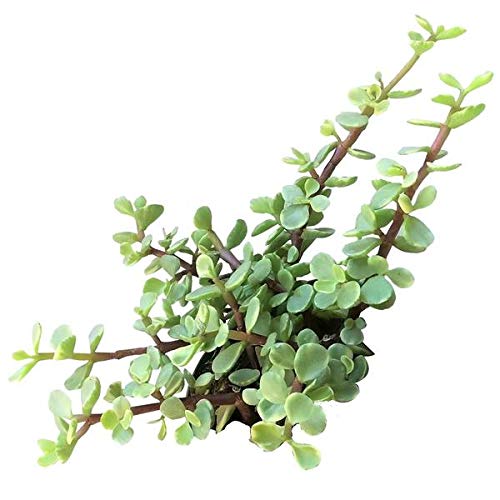
Variegated Elephant Bush | Portulacaria afra Succulent Live Plant | Unique Succulent Gift Decoration...
- 8-10 Plants with Roots, No Soil nor Pot included
If you’re looking to add a touch of greenery to your home without the fuss of high-maintenance plants, the Variegated Elephant Bush (Portulacaria afra) is a fantastic choice for you. This 4-inch succulent thrives in partial shade and requires moderate watering, making it easy to care for. You’ll receive 8-10 healthy plants, perfect for creating a stunning indoor garden. They bloom beautifully in winter, but even without flowers, their variegated leaves create visual interest. To enhance growth, use sandy soil and check the USDA hardiness zone, which is 3. With a 4.1-star rating, you won’t be disappointed!
Best For: Anyone looking for low-maintenance, visually appealing plants to enhance their home or indoor garden.
Pros:
- Easy Care: Requires only moderate watering and thrives in partial shade.
- Multiple Plants: Comes with 8-10 healthy plants, allowing for a lush display.
- Attractive Foliage: Variegated leaves provide visual interest year-round, even when not in bloom.
Cons:
- No Soil or Pots Included: Requires additional purchase of pots and soil for planting.
- Limited Blooming Period: Primarily blooms in winter, which may not appeal to all.
- USDA Hardiness Zone Limitations: Best suited for USDA zone 3, limiting outdoor planting options in warmer climates.
1QT Portulacaria Afra Live Succulents Plants (4 Pack)

1QT Portulacaria Afra 4PK, Live Succulents Plants Live Indoor Plants Bonsai Tree Live, Jade Plants...
- REAL PLANTS: Each plant box includes 4 portulacaria in 1 quart plant pots. Plant with decorative plants in an indoor planter, as front porch plants, or give as a...
- EASY TO GROW INDOOR PLANTS: These real succulents are easy plants to keep alive. As a desk plant and beyond, our easy to grow plants can brighten a typical workday unlike...
- OUTDOOR PLANTS: Grow our beautiful, easy live plants outdoor as patio plants outside to enhance your curb appeal. This unique succulent plant collection of moderately...
The QT Portulacaria Afra Live Succulents Plants (4 Pack) is an ideal choice for anyone seeking low-maintenance greenery that brightens up any space. These four real succulent plants come in 1-quart pots, making them perfect for indoor planters or front porches. You can easily grow these plants on your desk to create an inviting indoor garden or use them outdoors to boost curb appeal.
Additionally, they’re excellent party favors or wedding gifts for fellow plant lovers. Best of all, your purchase helps support shelter animals, adding joy not just to your home, but to others as well.
Best For: Anyone looking for low-maintenance, versatile plants that enhance both indoor and outdoor spaces.
Pros:
- Low-maintenance: These succulents are easy to care for, making them perfect for beginners.
- Versatile use: Suitable for indoor gardens, outdoor patios, party favors, or gifts.
- Supports a cause: A part of the purchase goes towards helping shelter animals find homes.
Cons:
- Limited plant variety: The pack includes only Portulacaria Afra, which may not appeal to those seeking diverse succulent types.
- Size constraints: Being in 1-quart pots, they may require repotting as they grow.
- Potential sensitivity: While generally easy to care for, they still need attention to prevent overwatering.
Portulacaria afra Decumbent | Elephant Bush Succulent (4 inch)

Portulacaria afra Decumbent | Elephant Bush Succulent | Dwarf Jade Plant (4 inch) | Lucky Plant for...
- We guarantee plant's safe arrival otherwise we will refund or send you a replacement plant
- Portulacaria afra Decumbent is very widespread in the east of South Africa. Small, round, apple green leaves stand out against flexible red stems. It reaches a height of...
- The flowers are grouped into inflorescences and appear in summer. All of the plants will be shipped bare root. Portulacaria afra house plants thrive in bright light in a...
Portulacaria afra Decumbent, commonly known as the Elephant Bush, makes an excellent choice for beginners enthusiastic to nurture their green thumb. This charming succulent, native to eastern South Africa, features small, round, apple green leaves and flexible red stems. It grows best in bright light. Place it in a warm, draft-free room for ideal growth. Water it thoroughly only when the soil feels dry. Confirm you’re using porous soil and pots with drainage holes to prevent root rot. With care, your Elephant Bush can flourish and potentially reach heights of 2.5 to 4.5 meters, adding life to your indoor garden!
Best For: Beginners looking to nurture easy-care indoor plants.
Pros:
- Versatile and thrives in various lighting conditions, especially bright light.
- Requires minimal maintenance, making it perfect for novice gardeners.
- Has a unique aesthetic with attractive leaves and stems that enhance indoor decor.
Cons:
- Sensitive to overwatering, which can lead to root rot if not careful.
- Limited flowering potential indoors, as flowers typically appear in summer in suitable outdoor conditions.
- May require repotting every couple of years due to growth, which can be challenging for some.
Spekboom Elephant Bush ‘Portulacaria Afra’ Live Plant in 4″ Pot

Spekboom Elephant Bush 'Portulacaria Afra' Rare Succulents Live Plant in 4" inch Pot with Soil Fully...
- TOP-NOTCH QUALITY: Our succulents are handpicked from a top-rated greenhouse, so you’ll always receive a vibrant, healthy plant. These low-maintenance beauties don’t...
- SUPER EASY CARE: Worried about taking care of plants? Don’t be! Just unbox your succulent, check if the soil is dry, and give it a little water if needed. They love...
- ELEVATE YOUR DECOR: Succulents are the ultimate way to level up your home decor! Place them on windowsills, desks, or as part of a stylish centerpiece. Their versatility...
For anyone who appreciates easy-to-care-for plants, the Spekboom Elephant Bush ‘Portulacaria Afra’ in a 4″ pot is a fantastic choice. This rare succulent is handpicked from a top-rated greenhouse, ensuring you get a vibrant and healthy plant. It’s low-maintenance, making it perfect for busy people or beginners. Just check the soil dryness and water when needed. It thrives in bright light but avoids direct sunlight. Use it as a decorative piece on your windowsill or desk; it complements various room styles. Plus, it makes a unique gift for birthdays or housewarmings, brightening anyone’s day!
Best For: Individuals who appreciate low-maintenance plants and are looking for decorative options or unique gifts.
Pros:
- Low-maintenance care: Ideal for busy lifestyles or those new to plant care.
- Vibrant and healthy: Handpicked from a top-rated greenhouse, ensuring quality.
- Versatile decoration: Complements a variety of room styles and decor.
Cons:
- Limited sunlight tolerance: Prefers bright light but must avoid direct sunlight.
- Infrequent watering needs: Requires attention to soil dryness, which may not suit everyone.
- Size constraints: The 4″ pot may not be ideal for those seeking larger plants.
Live Succulent Plants from USKC (2″Pot Portulacaria Variegata)
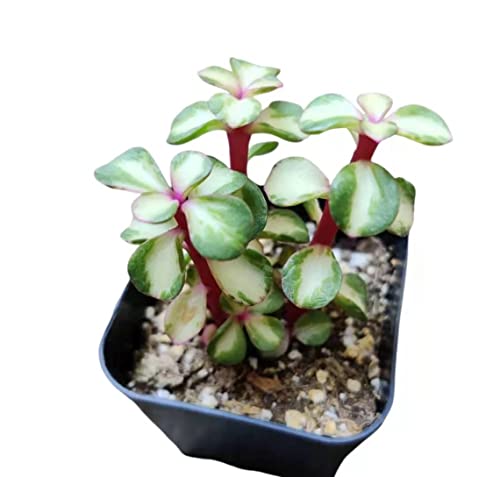
FOLIAGEMS Live Succulent Plants from USKC (2" Pot Portulacaria Variegata)
- Important Info to Consider:Succulents display a wide range of shapes and colors. Depending on the lighting and watering conditions, they will exhibit different hues.
- Easy to care for: Succulents don't demand extensive maintenance, making them a versatile choice for different lifestyles.
- Thoughtful Gifts:Succulents make wonderful gifts for various occasions.
If you’re searching for a low-maintenance plant that adds vibrant life to your space, Live Succulent Plants from USKC may be perfect for you. The 2″ Pot Portulacaria Variegata is an attractive option with its unique shapes and colorful foliage. It thrives in various lighting conditions, adapting hues based on its environment. Water it sparingly, as succulents love dry soil. These plants not only enhance your home decor but can also be heartfelt gifts for friends or family. With a bit of creativity, you can incorporate them into designs, making every corner of your home lively and inviting.
Best For: Those looking for a low-maintenance and visually appealing plant to enhance their home decor or as a thoughtful gift.
Pros:
- Minimal maintenance: Succulents require less frequent watering and care, making them suitable for busy individuals.
- Versatile aesthetic appeal: The unique shapes and colors of Portulacaria Variegata can complement various interior styles.
- Creative potential: These plants can be used in crafting and design projects, adding character to your spaces.
Cons:
- Water sensitivity: Overwatering can lead to root rot, requiring careful attention to soil moisture.
- Light requirements: While adaptable, they may not thrive in overly shaded areas and need adequate sunlight for color vibrancy.
- Size limitations: The 2″ pot size may be too small for some, potentially necessitating a transfer to larger pots as they grow.
Succulent Plants Live Indoor Houseplants by Plants for Pets

Succulents Plants Live Indoor Plants, Portulacaria Afra Live Houseplants, Live Succulents Live...
- LIVE PURSLANE TREE: Portulacaria afra, aka Elephant Food plant, dwarf jade plant, or spekboom plant, is a slow-growing succulent shrub with small, rounded foliage...
- HOUSE PLANT HOME DECOR: Design an inviting display with cacti & succulent plants in stylish succulent pots. Showcase as a desktop succulent live plant or arrange on a...
- SUCCULENT GIFT IDEAS: These ultra easy-care, drought tolerant succulents make great gifts or succulent favors. Personalize your gift by planting them in a unique hanging...
Looking for a unique indoor houseplant that stands out in both beauty and ease of care? Consider the Portulacaria afra, often called the Elephant Food plant. This slow-growing succulent thrives in various environments, making it a perfect choice for your home. You can display it in stylish pots on your desk or even use it to create a dwarf jade bonsai tree. It requires minimal care, needing only succulent soil and occasional fertilizer. Plus, it’s drought-tolerant, so don’t worry about frequent watering. As a bonus, it makes an excellent gift when planted in decorative planters. Enjoy this versatile beauty!
Best For: Individuals looking for an easy-care indoor plant that adds beauty and versatility to their space.
Pros:
- Minimal maintenance required, making it ideal for busy lifestyles.
- Drought-tolerant, reducing the need for frequent watering.
- Can be creatively displayed in various decorative settings, including terrariums and as bonsai.
Cons:
- Slow-growing, which may not satisfy those wanting quick results.
- Requires specific succulent soil and fertilizer for optimal growth.
- May need specific lighting conditions to thrive indoors.
Factors to Consider When Choosing Bonsai Portulacaria Afra
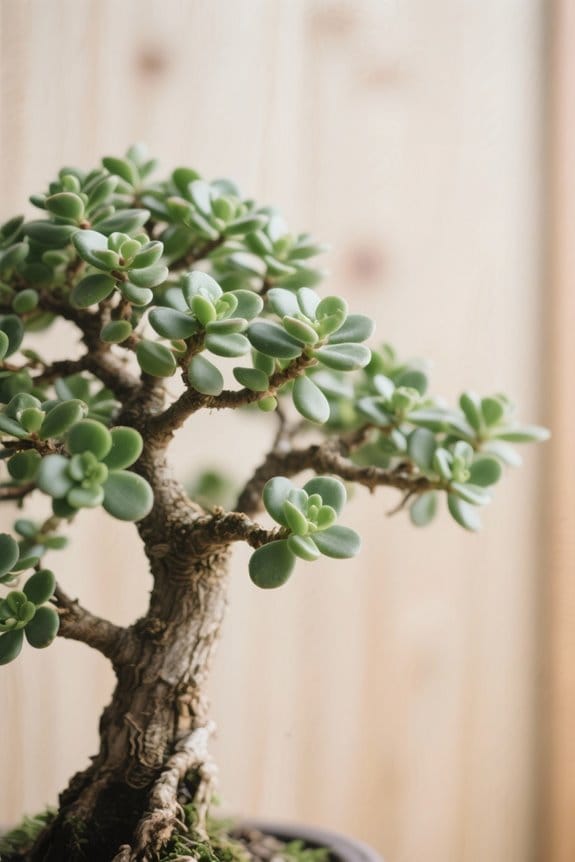
When choosing a Bonsai Portulacaria Afra, consider several key factors to guarantee your plant thrives. You’ll want to think about the size of the plant, its soil needs, and the amount of light it requires. Additionally, understanding its watering habits and growth patterns is essential for maintaining its health and beauty.
Size of Plant
Choosing the right size for your Portulacaria afra bonsai is vital for its health and appearance. Smaller bonsai, around 4 inches, fit perfectly in compact spaces like desks and windowsills. When selecting a pot, a 4-inch container helps maintain a healthy root system for these smaller plants. On the other hand, larger specimens can reach up to 4.5 meters, making them visually stunning but requiring more space. Keep in mind that bigger bonsai need careful pruning to maintain their shape. As your bonsai grows, regular repotting into larger containers is key. This guarantees your plant has ample room for root development and won’t become stunted. Size matters, so choose wisely for a thriving indoor garden!
Soil Requirements
To guarantee your Portulacaria afra thrives, selecting the right soil is essential for its overall health. This plant prefers sandy soil that drains well, preventing root rot. Create a porous mix with materials like perlite or pumice, which enhances airflow to the roots. Aim for a soil pH between 6.0 and 7.0 to confirm nutrients are available. When choosing pots, make sure they have drainage holes so excess water can escape, helping maintain appropriate moisture levels. Be careful with compact or moisture-retentive soils, as they can harm your plant. Regularly check the soil’s dryness before watering to keep your Elephant Bush healthy. Following these guidelines will give your bonsai its best chance to flourish!
Light Conditions
Understanding the light conditions for your Portulacaria afra is essential for its growth and health. This plant thrives in bright light, so placing it near sunny windows or in open indoor areas is ideal. However, remember that direct sunlight should be limited to prevent leaf scorch. If you keep your bonsai outdoors, a location with partial shade will promote excellent growth. Watch out for signs of insufficient light, like leggy growth and a dull appearance; these suggest it needs better lighting. During winter months, when natural light decreases, consider using supplemental lighting to keep your plant vibrant. With the right light conditions, your Portulacaria afra will flourish beautifully in your indoor garden!
Watering Needs
Watering your Portulacaria afra, commonly known as the Elephant Bush, is essential to keeping it healthy and thriving. This plant requires moderate watering, so allow the soil to dry out completely between waterings. Before you water, always check the soil moisture to prevent root rot. During the growing season in spring and summer, you might need to water more frequently. However, be aware that your plant’s water needs will drop considerably in winter. Use well-draining soil to manage moisture effectively, avoiding excess water around the roots. A good rule of thumb is to water when the top inch of soil feels dry to the touch, adjusting for factors like humidity and temperature.
Growth Habit
When you’re selecting a Portulacaria afra for bonsai, consider its unique growth habit, as this plant tends to spread out horizontally rather than growing tall. Typically, it’s a slow-growing succulent, often reaching about 2.5 to 4.5 meters in nature, but it’ll remain much smaller indoors. Look for its small, round, apple-green leaves and flexible red stems, which enhance its appearance and make it easy to shape. You can train these pliable branches to create stunning designs. Just remember, its growth can be influenced by its environment—like light and watering. By adjusting these factors, you can achieve a compact and well-structured bonsai that showcases the distinctive characteristics of this wonderful plant.
Pot Selection
Choosing the right pot for your Bonsai Portulacaria afra is essential to its health and growth. Opt for a pot with adequate drainage holes, as these succulents dislike waterlogged conditions. A pot around 4 inches in diameter is perfect, providing enough space for roots to grow without feeling restricted. Lightweight materials like plastic or clay help retain warmth, benefiting your plant in controlled spaces. It’s best to avoid deep pots since they retain excess moisture; shallow containers promote healthy root development and airflow. Finally, don’t forget to contemplate the pot’s aesthetic. A pot that complements the natural form and size of your Bonsai Portulacaria afra will enhance its overall beauty in your indoor garden.
Pruning Techniques
Pruning your Bonsai Portulacaria afra is essential for nurturing its health and shape, especially during the growing season. Aim to prune in spring or summer to encourage bushier growth. Use clean, sharp scissors or pruning shears to make precise cuts, minimizing damage and preventing disease. When removing dead or leggy stems, cut just above a leaf node; this prompts fresh growth and a more compact look. Regularly trim excessive growth to enhance sunlight penetration for better leaf development. Remember not to prune more than one-third of the plant at a time, as excessive cutting can stress the bonsai. By following these tips, you’ll keep your Bonsai Portulacaria afra thriving and looking its best!
Pest Management
Caring for your Bonsai Portulacaria afra involves being mindful of potential pests that can jeopardize its health. Regularly inspect your plant for common issues like mealybugs, spider mites, and aphids. If you spot any, use insecticidal soap or neem oil directly on the affected areas. Good air circulation is crucial; it helps reduce humidity and discourages pests and fungal diseases. Be diligent about removing dead leaves or debris from the base, creating a less inviting home for pests. Additionally, when introducing new plants, quarantine them first to avoid spreading pests to your healthy Portulacaria afra. With these practices, you guarantee a thriving, pest-free indoor garden. Enjoy the process—healthy plants bring joy!
Frequently Asked Questions
How Often Should I Water My Portulacaria Afra Bonsai?
You should water your Portulacaria afra bonsai when the top inch of soil feels dry. Typically, this means watering every two to three weeks, but it depends on humidity and temperature. Always check the soil’s moisture level, as over-watering can lead to root rot. When you do water, give it a thorough soak until water drains out the bottom. Remember, it’s better to underwater than overwater!
What Light Conditions Are Best for Portulacaria Afra?
Portulacaria afra thrives in bright, indirect light. Place it near a window with filtered sunlight, avoiding harsh afternoon rays that can burn the leaves. If natural light is limited, consider using a grow light for about 12 hours a day. This’ll help your plant stay healthy and vibrant. Regularly check for signs of stress, like leggy growth or fading color, which can indicate it’s not getting enough light. Adjust accordingly!
Can Portulacaria Afra Survive Winter Indoors?
Yes, Portulacaria afra can survive winter indoors with the right care. Keep it in a bright spot, ideally near a south-facing window, to guarantee it gets enough light. Maintain indoor temperatures between 60-75°F (15-24°C) and avoid cold drafts. Water the plant sparingly, letting the soil dry out between waterings. Watch for any signs of stress, like drooping leaves, and adjust conditions as needed to keep your plant healthy during the winter.
How Do I Propagate Portulacaria Afra Succulents?
To propagate Portulacaria Afra succulents, you’ll want to take a healthy stem cutting about four to six inches long. Let it dry for a day or two to callous over. Once it’s ready, plant it in well-draining soil. Water lightly and place it in bright, indirect light. Within a few weeks, you should see roots developing. With patience and care, you’ll cultivate beautiful additions to your indoor garden.
What Pests Are Common With Portulacaria Afra Plants?
Common pests for Portulacaria afra plants include mealybugs, spider mites, and aphids. To keep your plant healthy, check the leaves regularly. If you spot pests, wipe them off with a damp cloth or spray them with a diluted soap solution. For heavier infestations, consider using neem oil. Always guarantee good air circulation around your plant and avoid overwatering, as these conditions can attract pests. Keep a close eye, and your plant will thrive!


