As an Amazon Associate, we earn from qualifying purchases. Some links on this site are affiliate links at no extra cost to you. Our recommendations are based on thorough research and editorial judgment.


10 Best Bonsai Pruning Guides for Perfecting Your Miniature Trees

If you want to perfect your bonsai skills, check out the top guides available. Start with *The Little Book of Bonsai* for basic care techniques. For a more extensive approach, try the *Bonsai Comprehensive Guide*. If you’re serious about pests and species-specific care, the *Bonsai Specialist Guide for Home Gardeners* is great. Don’t forget *Cass Turnbull’s Guide to Pruning* for pruning techniques. Each guide offers unique insights, so explore more to discover what’s best for you!
Key Takeaways
- Look for guides tailored to your experience level, with clear instructions and visuals for effective bonsai pruning.
- Choose resources that emphasize both basic techniques and advanced methods for a well-rounded understanding of bonsai care.
- Consider specialized guides that address specific bonsai species and their unique pruning requirements.
- Select guides with step-by-step instructions and visual aids to boost confidence in pruning techniques and care practices.
- Evaluate the time commitment required by each guide to maintain healthy bonsai while ensuring ongoing learning and community support.
The Little Book of Bonsai: An Easy Guide to Caring for Your Bonsai Tree


If you’re new to bonsai and seeking a trustworthy resource, “The Little Book of Bonsai” by Jonas Dupuich is an excellent choice. This guide simplifies bonsai care for beginners, covering essential techniques like watering, pruning, and pest control. You’ll learn how to maintain healthy trees by following clear instructions tailored for both indoor and outdoor environments.
Dupuich also helps you select the right bonsai species and choose appropriate containers. With colorful images, you’ll find inspiration and guidance on displaying your bonsai artfully. Immerse yourself, and you’ll quickly gain confidence and skill in cultivating these miniature masterpieces.
Best For: Beginners interested in learning about bonsai care and cultivation.
Pros:
- Clear and effective guidance: Offers straightforward instructions on essential bonsai care techniques.
- Covers various environments: Includes care tips for both indoor and outdoor bonsai, catering to different growing conditions.
- Visually appealing: Features full-color photographs and step-by-step images for better understanding and inspiration.
Cons:
- Limited advanced techniques: May not satisfy experienced practitioners seeking advanced bonsai techniques.
- Niche subject matter: Focuses solely on bonsai, which may not appeal to a broader gardening audience.
- Possibly overwhelming for absolute beginners: Those completely new to gardening may find the concepts initially daunting.
Bonsai Comprehensive Guide to Growing and Caring for Trees
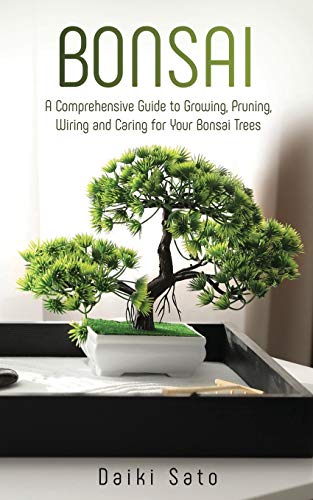
Bonsai pruning guides are perfect for anyone enthusiastic to cultivate resilient, beautifully shaped trees, regardless of their experience level. To start your bonsai journey, familiarize yourself with the five basic styles. This helps you choose one that fits your taste and skill. Next, select the right tree type; consider your lifestyle and local climate. Potting is critical—focus on size and drainage to guarantee robust growth. For real success, master wiring and pruning techniques. These skills will shape your trees beautifully. With dedication and the right tools, you’ll create stunning bonsai that bring joy and tranquility into your life.
Best For: Individuals looking to enhance their gardening skills while enjoying the therapeutic benefits of cultivating bonsai trees.
Pros:
- Comprehensive Guidance: The guide covers all essential aspects of bonsai gardening, making it suitable for beginners and experienced gardeners alike.
- Customization Options: Offers insights on selecting the right tree type based on personal lifestyle and preferences.
- Stress Relief: Engaging in bonsai cultivation promotes mindfulness and reduces stress.
Cons:
- Time-Consuming: Growing and maintaining bonsai trees requires significant time and commitment.
- Initial Cost: Setting up with the required tools and materials can be expensive at the beginning.
- Learning Curve: Mastering techniques like wiring and pruning may take time and practice to achieve desired results.
Bonsai Specialist Guide for Home Gardeners
For anyone keen to nurture their gardening skills, this “Bonsai Specialist Guide for Home Gardeners” is an invaluable resource. It offers essential techniques for taking care of your bonsai, including how to water, feed, prune, and pot your trees. You’ll learn to identify pests and manage diseases that might trouble your plants. The guide also features an A-Z listing of bonsai species, so you can easily find the right fit for your indoor or outdoor space. Plus, it highlights the aesthetics of bonsai, helping you display your creations beautifully and enhance their natural appeal. Happy gardening!
Best For: Home gardeners looking to learn the techniques and skills needed to grow and maintain bonsai trees effectively.
Pros:
- Covers comprehensive care techniques including watering, feeding, pruning, and potting, making it suitable for all skill levels.
- In-depth pest and disease management strategies help ensure your bonsai trees remain healthy and vibrant.
- A-Z species guide allows easy selection and care recommendations for a wide variety of bonsai trees suitable for indoor and outdoor environments.
Cons:
- May require a significant time commitment for proper care and maintenance of bonsai trees compared to traditional gardening.
- Limited to bonsai-specific information, which might not cater to gardeners interested in other types of plants.
- Initial setup costs for pots, tools, and materials can be higher than standard gardening.
Introduction to Bonsai: The Complete Illustrated Guide for Beginners
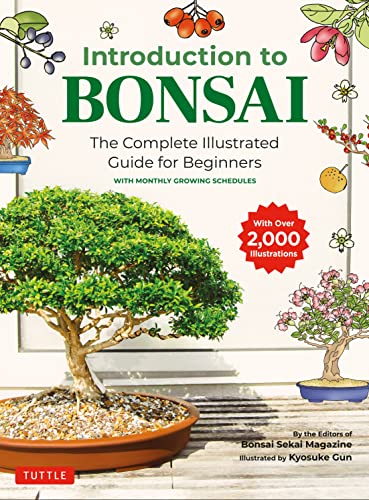
Whether you’re a complete novice or someone looking to refine your bonsai skills, “Introduction to Bonsai: The Complete Illustrated Guide for Beginners” is your essential companion for mastering the art of bonsai care. This guide is packed with over 2,000 illustrations, helping you visualize each step in the bonsai process. Monthly maintenance schedules simplify tasks like watering and pruning, ensuring you stay on track throughout the year. You’ll learn about caring for over 40 types of bonsai trees, including flowering and fruiting varieties. With clear diagrams and step-by-step instructions, this book makes bonsai care accessible and engaging for you.
Best For: Beginners looking to learn the fundamentals of bonsai care and enhance their skills through visual guides and detailed instructions.
Pros:
- Comprehensive Coverage: The guide provides information on over 40 types of bonsai trees, catering to diverse interests.
- Visual Learning: With over 2,000 illustrations, it effectively aids understanding of bonsai techniques and processes.
- Monthly Maintenance Schedules: Easy-to-follow timelines help users manage their bonsai care throughout the year.
Cons:
- Beginner Focused: Advanced bonsai practitioners may find the information too basic for their needs.
- Potential Overload of Visuals: Some readers may feel overwhelmed by the extensive number of illustrations.
- Limited Tree Types: While it covers many varieties, it does not include less common bonsai species, which may disappoint some enthusiasts.
AVERGO Bonsai Tree Kit for Beginners
Sale

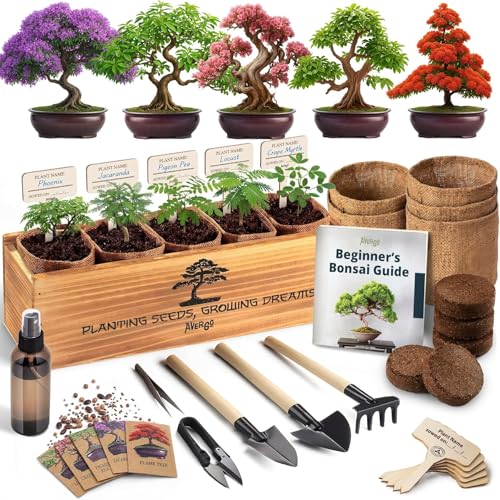
Bonsai Tree Kit Deluxe - 5X Unique Japanese Bonzai Trees | Complete Indoor Bonsai Starter Kits for...
- FREE EXTRA SEEDS!! Avergo’s bonzie starter kit comes with additional seed packets just in case you’ll need more
- COMPLETE BONSAI STARTER KITS – Avergo’s DIY bonsai kit for beginners contains everything you need for growing your own bonsai plants
- BONSAI TREE STARTER KIT - With seeds of Avergo's most popular bonsai mini tree Crape Myrtle, Flame tree (Delonix Regia), Blue jacaranda (Jacaranda Mimosifolia), Pigeon...
The AVERGO Bonsai Tree Kit is perfect for anyone looking to cultivate their green thumb with ease. Included are five unique Japanese bonsai tree seeds, such as Crape Myrtle and Blue Jacaranda. This kit not only offers additional seed packets for better germination success but also provides essential bonsai tools and easy-to-follow instructions. Suitable for both kids and adults, it makes a fantastic gift for special occasions. When using the kit, remember to water moderately and provide partial sunlight. With care and the right techniques, you’ll enjoy year-round blooming from your beautiful bonsai plants. Happy gardening!
Best For: Individuals of all ages, including beginners and experienced plant enthusiasts, looking to cultivate bonsai trees indoors.
Pros:
- Includes five unique bonsai tree seeds, enhancing variety and interest in plant cultivation.
- Comes with comprehensive tools and instructions, making it easy for beginners to succeed.
- High customer rating of 4.4 stars indicates overall satisfaction and quality of the product.
Cons:
- Requires moderate watering and specific sunlight exposure, which may not suit all environments.
- The germination success may vary despite additional seed packets provided.
- Year-round blooming may require consistent care and attention, which some users might find challenging.
The Bonsai Essential Guide for Women
Bonsai enthusiasts, especially women seeking both creativity and calm, will find this guide invaluable. You can transform simple plants into stunning art pieces, cultivating not only beauty but also peace. Start with easy steps for pruning, wiring, and watering your bonsai. Each section provides clear techniques that help you avoid common mistakes. A routine care plan guarantees your tree stays vibrant throughout the year. This guide encourages you to express your unique style, blending elegance with strength in your bonsai designs. Enjoy the therapeutic process and build your confidence while creating living art that reflects your individuality.
Best For: Women who want to cultivate both creativity and calm through the art of bonsai.
Pros:
- Provides clear, step-by-step instructions that simplify the bonsai care process.
- Encourages personal expression and creativity, allowing for unique designs.
- Offers a therapeutic gardening experience that promotes mindfulness and confidence.
Cons:
- Might be too specialized for individuals who are not specifically interested in bonsai.
- Requires ongoing commitment and care, which could be challenging for those with busy schedules.
- Initial learning curve may be steep for complete beginners to gardening.
Complete Starter Guide to Bonsai Tree Care

Starting your journey into bonsai care is an exciting venture for anyone looking to add a touch of nature to their home. Begin with choosing the right species, like Juniper or Ficus, that suits your indoor or outdoor space. Gather essential materials: containers, well-draining soil, and tools for pruning, wiring, and watering. You can grow your bonsai from seeds or seedlings. Make sure to water it properly, feed it with nutrients, and be aware of pests. Finally, learn from experts, admire stunning designs, and allow your creativity to flourish as you cultivate your own miniature tree masterpiece.
Best For: Beginners seeking a creative and rewarding hobby that enhances home aesthetics through the art of bonsai cultivation.
Pros:
- Encourages Creativity: Offers a chance to express artistry through the unique shaping and designing of miniature trees.
- Space Efficient: Perfect for small living spaces, providing a touch of nature without requiring much room.
- Educational Experience: Teaches patience, responsibility, and gardening skills while promoting mindfulness through care routines.
Cons:
- Time-Consuming: Requires regular attention and care, which may be challenging for busy individuals.
- Pest Challenges: Susceptible to various pests and diseases, necessitating ongoing vigilance and treatment.
- Initial Learning Curve: Beginners may face difficulties mastering bonsai techniques such as wiring and pruning.
Cass Turnbull’s Guide to Pruning, 3rd Edition
If you’re looking to cultivate a thriving garden filled with healthy plants, Cass Turnbull’s Guide to Pruning, 3rd Edition, is an essential resource for you. This guide covers pruning techniques for 160 plants, giving you clear instructions and helpful illustrations. You’ll find advice tailored for various types, like vines, trees, and shrubs. Turnbull’s ten gardener commandments, such as avoiding shearing and not topping trees, help prevent common mistakes. By following her expert tips, you’ll create a more beautiful garden while promoting robust plant growth. This guide empowers you to prune with confidence, ensuring your plants flourish beautifully.
Best For: Home gardeners seeking a comprehensive guide to effective pruning techniques for a variety of plants.
Pros:
- Provides clear instructions and helpful illustrations for pruning 160 different plants.
- Includes tailored advice for various plant types, ensuring proper care and maintenance.
- Offers expert tips and ten gardener commandments to help prevent common gardening mistakes.
Cons:
- May be overwhelming for beginners due to the extensive information and number of plants covered.
- Some gardeners might find the focus on specific techniques limiting for their unique gardening styles.
- The guide may require frequent referencing, making it less convenient for quick consultations.
The Complete Book of Bonsai: A Practical Guide to Its Art and Cultivation
Sale


The Complete Book of Bonsai: A Practical Guide to Its Art and Cultivation
- Used Book in Good Condition
For anyone enthusiastic to plunge into the world of bonsai, “The Complete Book of Bonsai: A Practical Guide to Its Art and Cultivation” stands out as an essential resource. It covers the history, artistic principles, and various classic styles you’ll encounter. You’ll find detailed descriptions and examples that highlight the diversity of bonsai art. The book guides you step-by-step in growing bonsai from seedlings or cuttings, ensuring you have the right tools and techniques. Additionally, you’ll learn vital care and propagation strategies to keep your miniature trees healthy. Ultimately, this guide helps turn your bonsai dreams into splendid realities.
Best For: Individuals seeking a comprehensive guide to understanding, cultivating, and maintaining bonsai trees of various styles and species.
Pros:
- In-depth coverage of bonsai history, artistic principles, and classic styles, making it suitable for both beginners and experienced enthusiasts.
- Step-by-step instructions on cultivation techniques from seedlings or cuttings, ensuring successful bonsai creation.
- Extensive photographic catalogue featuring over 100 species, enhancing visual understanding and aiding in species selection for cultivation.
Cons:
- The book may be overwhelming for beginners due to the extensive detail and information provided.
- Some cultivation techniques may require specialized tools that could be costly or hard to find.
- The focus on many species might divert attention from mastering a few preferred bonsai varieties initially.
Bonsai for the Beginner: Master Basic Techniques of Care and Styling
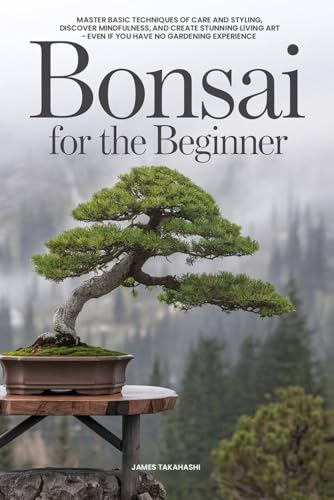
Bonsai Pruning Guides offer a valuable resource for beginners looking to master the art of bonsai care and styling. Start by selecting one of the recommended beginner-friendly species, like Ficus or Juniper. Learn essential techniques, such as proper watering and soil mixing, to keep your bonsai healthy. It’s vital to understand pruning basics, including “leaf reduction,” which helps shape your tree. Don’t forget pest management and the right tools to make your work more enjoyable. As you grow your bonsai, remember this journey is about mindfulness, allowing you to relax and appreciate each unique masterpiece you create.
Best For: Beginners interested in exploring the tranquil art of bonsai without prior gardening or art experience.
Pros:
- Clear guidelines on essential care techniques such as watering, soil mixing, and pest management.
- Offers mindfulness practices that enhance relaxation and appreciation during bonsai care.
- Provides beginner-friendly species recommendations to facilitate a smoother start.
Cons:
- May require time and patience to see the results of pruning and styling techniques.
- Limited to specific species that may not suit everyone’s aesthetic preferences.
- The initial learning curve might be challenging for some individuals.
Factors to Consider When Choosing a Bonsai Pruning Guide

When choosing a bonsai pruning guide, you need to take into account several key factors. Think about your experience level, as some guides cater better to beginners while others suit advanced pruners. Also, check if the guide includes specific techniques, visual aids, and instructions tailored to the tree species you plan to work with.
Experience Level of User
Selecting the right bonsai pruning guide is essential, especially based on your experience level. If you’re a beginner, seek guides with step-by-step instructions and visual aids. Focus on basic principles like pruning times and fundamental techniques. This approach will help you build confidence without feeling overwhelmed. As an intermediate practitioner, consider guides that cater to specific species, allowing you to understand how different trees respond to various techniques. For seasoned bonsai artists, detailed guides exploring aesthetics and advanced styling techniques can enhance your artistry. Remember to choose a guide that aligns with your preferred learning style—whether you like text, illustrations, or photos. This fit will make your bonsai journey more enjoyable and effective.
Specific Pruning Techniques Offered
Understanding specific pruning techniques can greatly improve your bonsai skills and outcomes. Start with wiring, as it helps shape branches and guides growth direction for artistic styling. Next, try leaf reduction techniques to minimize leaf size, making your bonsai visually appealing. Seasonal pruning schedules are crucial; knowing when to prune guarantees ideal growth and health.
Thinning out foliage is another important step; it allows light to penetrate and air to circulate within the canopy. It’s also necessary to differentiate between pruning for health and for design. Health-focused pruning keeps your tree vibrant, while design-focused pruning helps achieve your artistic vision. By learning these techniques, you’ll cultivate a stunning bonsai that flourishes and impresses.
Visual Learning Aids Provided
How do visual learning aids enhance your bonsai pruning experience? These tools, like diagrams and illustrations, clarify pruning techniques. They break down each step, so you can confidently know where and how to cut. With step-by-step images, even beginners can follow along with ease. Extensive visual aids showcase different pruning styles, helping you visualize aesthetic outcomes. These illustrations also reveal the anatomy of bonsai trees, pinpointing ideal cutting areas for effective pruning. Additionally, photographs of beautifully pruned bonsai provide inspiration and creative ideas for your own trees. By carefully choosing guides with robust visual components, you’ll feel empowered and equipped to elevate your bonsai skills. Happy pruning!
Tree Species Compatibility Covered
When choosing a bonsai pruning guide, it’s essential to contemplate the unique needs of different tree species. Each type has specific requirements for effective care and shaping. For instance, flowering bonsai, like cherry blossoms, should be pruned after they bloom to enhance future flowers. Fruiting bonsai need careful techniques that support fruit growth, usually pruned post-harvest. Coniferous bonsai, such as black pine, benefit from a mix of needle reduction and selective pruning to maintain health. Deciduous trees, including maples, thrive with seasonal pruning in late winter or early spring, improving their structure. By considering these factors based on the tree species, you can choose the right guide that will set you on the path to bonsai success.
Step-by-Step Instructions Included
Selecting a bonsai pruning guide that includes step-by-step instructions is key to your success. A good guide should provide clear, illustrated techniques that you can easily follow. Look for ones featuring detailed diagrams or photographs showing where to make cuts and what tools to use. These visual aids can greatly enhance your understanding.
Ensure the instructions cover essential techniques, like pruning for shape and wiring branches. They should also mention the best timing for pruning different species, as seasonal approaches can vary. Additionally, an extensive guide addresses common pruning mistakes and offers troubleshooting tips. This way, you’ll feel confident refining your skills and ensuring your miniature trees flourish. Happy pruning!
Additional Resources and Support
Finding useful resources and support is crucial for mastering bonsai pruning. Look for guides that feature step-by-step illustrations or diagrams; visual aids can greatly enhance your understanding of pruning techniques. It’s also beneficial to take into account resources that offer monthly maintenance schedules to make sure you’re pruning and caring for your trees at the right times throughout the year. Choose books that cover various bonsai species, providing specific advice tailored to their unique needs. Include guides that tackle pest management and disease control, as these elements are essential for your trees’ health post-pruning. Additionally, explore community-supported resources like online forums or social media groups for more tips and real-life experiences from fellow beginners.
Frequently Asked Questions
What Tools Are Essential for Bonsai Pruning?
To prune your bonsai effectively, you need a few essential tools. Start with sharp pruning shears for clean cuts, and add concave cutters for precise branches removal. Consider rounded-tip scissors for delicate leaf trimming. Use a root rake to untangle roots, ensuring healthy growth. Finally, keep tweezers handy for shaping and styling your bonsai. With these tools, you’ll nurture your miniature tree’s beauty and health. Remember, it’s all about patience and practice!
How Often Should I Prune My Bonsai Tree?
You should prune your bonsai tree about every few months, depending on its growth rate. During the growing season, usually spring and summer, check every four to six weeks. For deciduous trees, a good rule is to prune after new leaves have fully opened. In contrast, evergreens can be pruned more casually. Always remove dead or unhealthy branches first, and remember to maintain the shape you desire for your mini masterpiece.
Can I Prune My Bonsai During Any Season?
You can prune your bonsai tree during any season, but it’s best to be mindful of specific growth patterns. For example, late winter or early spring is ideal for major pruning when trees are dormant. In contrast, light trimming can happen throughout the growing season to maintain shape. Just avoid pruning in extreme temperatures, as it can stress your tree. Always observe your bonsai’s health and growth before making cuts. Happy gardening!
What Are the Signs That My Bonsai Needs Pruning?
Your bonsai needs pruning when you notice excessive branch growth, stray shoots, or crowded foliage. If the tree’s shape looks uneven or unwieldy, it’s time to act. Look for small, dense leaves that signal overgrowth; these often block light to inner branches. Additionally, if you spot dead or yellowing leaves, they should be removed to promote health. Regular pruning helps maintain your bonsai’s aesthetic and encourages new growth. Happy pruning!
Is There a Specific Pruning Technique for Different Tree Species?
Yes, different tree species often require specific pruning techniques. For example, deciduous trees like maples respond well to structural pruning in early spring. Conversely, conifers thrive with maintenance during late summer for healthy growth. Use sharp, clean tools to avoid damaging branches. Remember to prune for shape and health, removing dead or overlapping branches. Observing your tree’s growth pattern will guide you in mastering the right technique for each species.


