As an Amazon Associate, we earn from qualifying purchases. Some links on this site are affiliate links at no extra cost to you. Our recommendations are based on thorough research and editorial judgment.


A Complete Guide to Bonsai Repotting: 10 Best Tips for Success

To successfully repot your bonsai, start in early spring, just before new growth begins. Remove about one-third of the root mass and guarantee you use a well-draining soil mix, like akadama and pumice. Make sure your new pot has sufficient drainage holes, and choose a size that’s appropriate for your bonsai’s growth. After repotting, adjust your watering routine to keep the soil moist but not soggy. Master these tips, and you’ll be set to enhance your bonsai’s health!
Key Takeaways
- Choose early spring for repotting to ensure the best time for growth before new leaves emerge.
- Use a well-draining soil mix, ideally 60% inorganic and 40% organic materials, for optimal root health.
- Prune roots during repotting by removing up to one-third of the root mass for better nutrient absorption.
- Select a pot with adequate drainage holes and ensure it is appropriately sized for the bonsai to avoid overwatering.
- Observe signs of root binding and maintain a seasonal care routine to promote overall bonsai health post-repotting.
Houseplant Handbook: Basic Growing Techniques and Directory of Houseplants
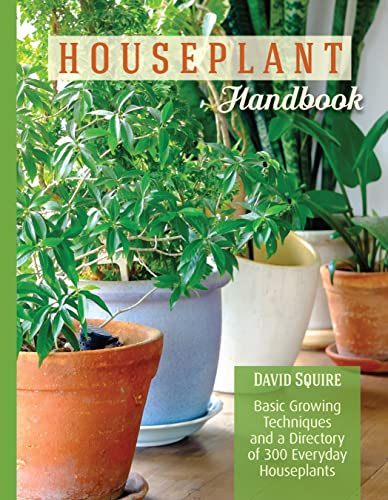

If you’re looking to elevate your indoor garden with a bonsai tree, the “Bonsai Repotting Guide” is the perfect choice for beginner gardeners. This thorough Houseplant Handbook breaks down basic growing techniques. It covers everything from selecting a bonsai to watering, feeding, and repotting. David Squire’s user-friendly step-by-step guides help you understand each process clearly. You’ll also find a directory featuring over 300 popular houseplants, complete with photos and care tips. Quick reference panels offer essential data on temperature, light, and watering needs, making it easier for you to succeed with your bonsai and other houseplants, ensuring a vibrant indoor environment.
Best For: Beginner gardeners looking to cultivate a bonsai tree and enhance their indoor gardening skills.
Pros:
- User-friendly step-by-step guides make learning easy and accessible for beginners.
- Comprehensive directory of over 300 houseplants includes vital care information and visuals.
- Quick reference panels provide essential data on temperature, light, and watering needs, simplifying plant care.
Cons:
- May lack advanced techniques for experienced gardeners seeking in-depth knowledge.
- Focused primarily on houseplants, limiting information for outdoor gardening enthusiasts.
- Some users might find the amount of information overwhelming if they prefer a more concise guide.
Indoor Bonsai: An Expert Guide to Indoor Bonsai Care and Design

Indoor bonsai is an enchanting hobby for anyone looking to cultivate a unique atmosphere in their home. Begin by choosing a suitable tree variety, like a Ficus or Jade, that thrives indoors. Familiarize yourself with various bonsai styles, such as informal upright or cascading, to design a beautiful arrangement. Provide proper care by ensuring adequate sunlight and watering according to soil moisture. Regular pruning encourages growth and maintains shape. Finally, utilize the Indoor Bonsai Book for detailed guidance, as it offers valuable insights on creating your indoor garden. Embrace this peaceful practice and transform your living space into a personal oasis!
Best For: Indoor bonsai enthusiasts looking to enhance their living space with tranquility and unique plant arrangements.
Pros:
- Diverse styles allow for creative expression in designing indoor landscapes.
- Promotes relaxation and connection with nature through nurturing practices.
- Comprehensive guidance available in the Indoor Bonsai Book aids in successful care and maintenance.
Cons:
- Requires commitment and regular maintenance, which may be time-consuming for some.
- Limited variety of trees suitable for indoor growth may restrict choices.
- Growth speed may be slow, requiring patience for desired aesthetic results.
The Secret Techniques of Bonsai: A Guide to Starting, Raising, and Shaping Bonsai
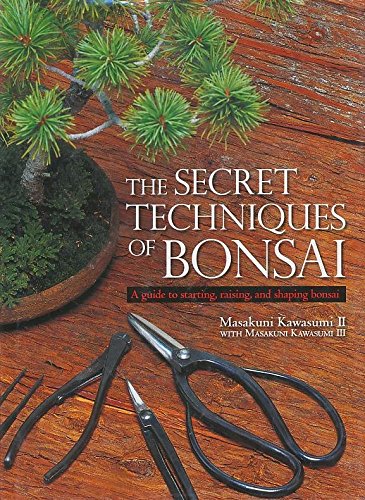
The Secret Techniques of Bonsai: A Guide to Starting, Raising, and Shaping Bonsai
- Used Book in Good Condition
Starting your journey into bonsai can feel intimidating, but the “Bonsai Repotting Guide” is perfect for both beginners and seasoned enthusiasts. You’ll learn essential techniques from Masakuni Kawasumi III and his son, who offer insights from years of hands-on experience. Begin with seedlings or beginner plants; these are great to raise. Focus on shaping, pruning, and training to achieve your desired form. Don’t worry about fancy tools; use what you have on hand. Visual aids throughout the book will guide you step by step, making it easier to apply advanced techniques. Embark on this journey, and let your creativity flourish!
Best For: Beginners and experienced bonsai enthusiasts looking to improve their skills and techniques in bonsai cultivation.
Pros:
- Offers a blend of basic and advanced techniques suitable for all skill levels.
- Encourages improvisation with commonly available tools, making it accessible for everyone.
- Step-by-step photographs enhance understanding and facilitate execution of bonsai techniques.
Cons:
- May lack in-depth coverage for highly specialized or rare bonsai techniques.
- Beginners might need additional resources to fully grasp some advanced concepts.
- The focus on improvisation might not appeal to those looking for specific high-end tools and equipment.
Bonsai Basics – A Comprehensive Guide to Care and Cultivation
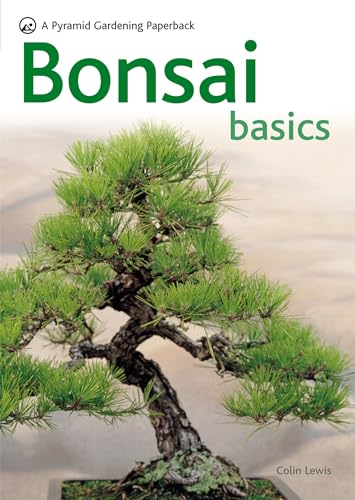
For anyone new to the art of bonsai, “Bonsai Repotting Guide” is an invaluable resource tailored specifically for beginners. This guide covers essential care techniques, helping you nurture and shape your bonsai trees. You’ll find detailed descriptions of various tree types, with tips for both indoor and outdoor species. Step-by-step illustrations simplify complex tasks, boosting your confidence as you learn. Over 120 photographs enhance your understanding, making the journey enjoyable. Remember, caring for bonsai requires patience and regular attention. So, get ready to explore this fascinating art form, and watch your bonsai flourish with your nurturing hands!
Best For: Beginners looking to learn the fundamentals of bonsai care and cultivation.
Pros:
- Clear, step-by-step illustrations make complex techniques easier to understand.
- Extensive coverage of indoor and outdoor bonsai species provides a broad selection for new owners.
- Over 120 high-quality photographs enhance visual learning and appreciation of the art.
Cons:
- May not offer advanced techniques for experienced bonsai enthusiasts.
- Limited information on exotic or less common species might not cater to every interest.
- Some readers may find the content too basic if they have prior gardening experience.
Bonsai Care for Beginners: A Simple Guide to Nurturing Miniature Trees
Bonsai care is a fascinating hobby that anyone can enjoy, especially if you appreciate the beauty of nature. To nurture your miniature trees, start by choosing the right materials. Use proper soil mix, and follow specific watering rules to keep your bonsai healthy. Remember to prune roots and shape branches regularly. Check your tree’s needs with seasonal care calendars, and address any issues promptly. Essential tools, like pruning shears and wire, will help you succeed. Finally, engage with fellow enthusiasts online for tips and support. With patience and attention, you’ll transform your tree into a living work of art!
Best For: Beginners and nature lovers who want to explore the art of nurturing miniature trees.
Pros:
- Comprehensive guidelines make it easy to follow.
- Engaging community support for sharing experiences and advice.
- Encourages creativity and patience through the bonsai nurturing process.
Cons:
- Requires consistent care and attention to detail.
- Initial setup (materials and tools) can be costlier than expected.
- Potential for frustration with troubleshooting common issues like pests and overwatering.
The Complete Manual for Juniper Bonsai Trees
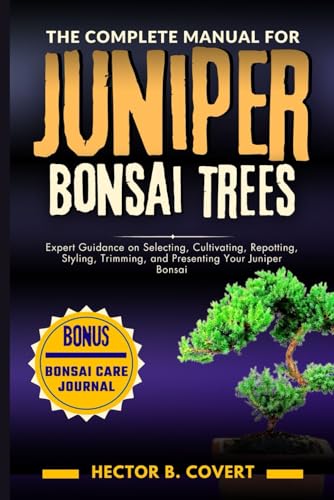
Transforming your juniper bonsai into a stunning work of art becomes an exciting journey with “The Complete Manual for Juniper Bonsai Trees.” This guide is perfect for anyone keen to connect with the age-old tradition of bonsai, whether you’re just starting out or looking to refine your skills. It offers detailed care schedules, helping you keep your tree healthy year-round. You’ll learn about styling and presentation, ensuring your bonsai stands out in any setting. Additionally, the manual promotes mindfulness, encouraging you to incorporate your bonsai into daily life for peace and reflection. Immerse yourself and enjoy each step of your bonsai journey!
Best For: This manual is best for bonsai enthusiasts at all levels looking to deepen their connection to the art and practice of nurturing juniper bonsai trees.
Pros:
- Provides detailed care schedules for year-round tree vitality.
- Offers expert guidance on styling and showcasing bonsai for aesthetic appeal.
- Encourages mindfulness by integrating bonsai care into daily life for enhanced tranquility.
Cons:
- May be overwhelming for complete beginners without prior gardening experience.
- Some advanced techniques may require more specialized tools or knowledge.
- The focus on mindfulness may not appeal to those looking for purely technical gardening advice.
The Complete and Practical Guide to Bonsai for Beginners
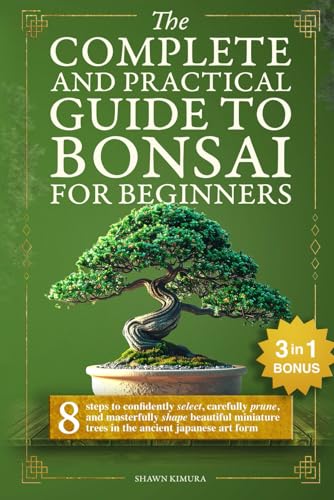
If you’re just starting out on your bonsai journey, this guide is perfect for you. Begin by selecting a hardy species like Ficus or Juniper, which are forgiving for beginners. Water regularly, but check the soil’s moisture first to avoid overwatering. For soil, mix standard potting soil with sand for proper drainage. When pruning, focus on small branches to maintain shape; aim for a clean cut. Each spring, repot your tree with fresh soil to encourage growth. Follow your seasonal checklist closely to keep your bonsai healthy, addressing any yellow leaves or pests promptly. Enjoy your nurturing experience!
Best For: Beginners, small-space gardeners, and those who enjoy mindful hobbies in nurturing plants.
Pros:
- Easy-to-follow steps for beginners make starting bonsai accessible and enjoyable.
- Selection of hardy species ensures success and satisfaction in initial bonsai experiences.
- Seasonal care checklists help maintain bonsai health and manage common issues effectively.
Cons:
- Limited selection of species recommended may not appeal to all personal preferences.
- Time commitment required for regular maintenance could deter some potential growers.
- Initial learning curve in techniques like pruning and wiring may challenge some beginners.
The Complete Bonsai Care Handbook for Beginners
Cultivating a thriving Bonsai garden becomes far easier when you have a reliable guide to follow. The Complete Bonsai Care Handbook introduces you to the essential aspects of caring for these miniature trees. You’ll learn to select the right tree species, and master techniques like wiring, pruning, and repotting. It also covers crucial information on soil mixes, watering schedules, and sunlight needs. With clear, step-by-step instructions, you can confidently explore different styling techniques and address any issues like pests or diseases. This handbook encourages a mindful approach, helping you connect deeply with your Bonsai and enhance your overall experience.
Best For: Beginners and enthusiasts looking to learn the art of Bonsai care and styling.
Pros:
- Comprehensive and easy-to-follow guidance tailored specifically for beginners.
- Covers a wide range of topics, including soil mixes, watering schedules, and troubleshooting.
- Encourages mindfulness and deeper connection to nature through the art of Bonsai.
Cons:
- May be overwhelming for those looking for advanced techniques or information.
- Limited focus on specific tree species may not cater to all preferences.
- Requires time and patience, which might not suit everyone’s lifestyle.
Bonsai Made Simple: Step-by-Step Guide for Beginners

Bonsai is an art that invites you to connect with nature while nurturing a beautiful living sculpture. To start, choose a tree species like a Ficus or Juniper; they’re beginner-friendly and thrive indoors. Gather essential tools: pruning shears, wire, and a well-draining pot. Water your bonsai regularly, but don’t overwater—it’s better to let the soil dry out slightly. Prune leaves and branches to shape your tree, and use wire to control its growth. Learn from common mistakes, like root rot or over-fertilization, to avoid setbacks. Enjoy the journey; bonsai is both a relaxing hobby and a meaningful practice!
Best For: This guide is best for complete beginners who want to learn how to cultivate and care for bonsai trees, regardless of prior experience.
Pros:
- Clear and easy-to-follow instructions make bonsai accessible to everyone.
- Provides seasonal care tips to ensure the health and longevity of your bonsai.
- Emphasizes mindfulness and relaxation through the art of bonsai gardening.
Cons:
- Limited to beginner-friendly species, which may not satisfy advanced gardeners.
- Requires a commitment of time and patience which some may find challenging.
- Potential for common mistakes if instructions aren’t followed carefully, leading to frustration.
Bonsai Survival Manual: Tree-by-Tree Guide

For anyone enthusiastic to plunge into the art of bonsai, the “Bonsai Repotting Guide” is an invaluable resource. In this section, you’ll explore a tree-by-tree guide that dives deep into various bonsai species. Starting with easy varieties like Juniper and Ficus, you’ll learn their specific care needs, such as sunlight and watering requirements. Each entry includes useful tips for maintenance and recognizes common issues you might face. For example, if your tree shows yellowing leaves, it might need more light. With Colin Lewis’s expert advice, you’ll gain confidence in nurturing your miniature trees throughout their growth journey.
Best For: Beginners and enthusiasts looking to learn about and cultivate a variety of bonsai species effectively.
Pros:
- Comprehensive guides for over 50 bonsai species, ensuring a suitable match for different skill levels.
- Expert advice from Colin Lewis helps readers troubleshoot common bonsai issues and enhance their gardening skills.
- Step-by-step maintenance instructions covering essential care aspects like feeding, watering, and shaping techniques.
Cons:
- Might be too detailed for those seeking a quick-start guide rather than in-depth information on each species.
- Some readers may find the variety of species overwhelming when choosing their initial bonsai.
- Not all bonsai species may be available or suited for every climate, limiting the options for some gardeners.
Factors to Consider When Choosing a Bonsai Repotting Guide

When you’re choosing a bonsai repotting guide, think about several key factors. You’ll want to contemplate the timing of repotting, the best potting soil for your trees, and root pruning techniques that suit your species. Also, pay attention to the type of container you use and any seasonal care adjustments you might need to make.
Timing of Repotting
Early spring stands out as the prime time for repotting your bonsai, especially before the new growth begins. This timing helps the plant recover quickly as it enters the growing season. Generally, you should repot your bonsai every 1 to 3 years, depending on its species and growth rate. Fast-growing varieties may need yearly repotting, while older trees can go longer between repots. Look for signs your bonsai needs attention: roots pushing through the drainage holes, stunted growth, or soil that dries out too fast. Avoid repotting during winter dormancy, as this can harm your bonsai’s health. Consider your tree’s age and species for the best results, ensuring you maintain its vigor and beauty.
Potting Soil Selection
Selecting the right potting soil for your bonsai can greatly impact its health and growth. You’ll want a well-draining mix to prevent waterlogging and root rot. Look for a combination of akadama, pumice, and lava rock. This mix allows for good aeration while retaining moisture. Ideally, aim for 60% inorganic materials and 40% organic materials to strike a balance between drainage and nutrients. Keep your bonsai species in mind, as some may need specific soil pH levels and nutrient profiles for peak growth. Don’t forget to refresh your potting soil every 1-2 years. This helps maintain soil structure and boosts nutrient content, promoting healthy root development for your bonsai. Happy repotting!
Root Pruning Techniques
Root pruning techniques are fundamental for guaranteeing your bonsai remains healthy and continues to thrive. The best time to prune is during the dormant season, in early spring or late winter. This timing helps minimize stress on your tree. When pruning, aim to remove about one-third of the root mass, focusing mainly on longer, thicker roots while leaving the finer, hair-like roots intact. These smaller roots absorb moisture and nutrients essential for growth. Use sharp, clean pruning shears to make precise cuts, as this promotes faster healing and prevents tearing. After you finish root pruning, it’s important to repot your bonsai in fresh soil. Doing so provides crucial nutrients and guarantees good drainage, further supporting your tree’s health.
Container Type Considerations
When you’re ready to repot your bonsai, you’ll find that choosing the right container is crucial for its well-being. First, pick a pot with adequate drainage holes to prevent waterlogging and root rot. Next, consider the container material; clay pots promote airflow, while plastic pots hold moisture longer. The size matters too; avoid overly large pots that can lead to overwatering. Aim for a pot that allows for root growth without too much excess space. Shallow pots are preferable as they keep roots compact and help shape the bonsai. Finally, verify the container has a stable base, especially if your bonsai has a top-heavy structure. This will keep it upright and safe as it grows.
Seasonal Care Adaptations
Although repotting seems straightforward, adapting your approach based on the seasons is essential for your bonsai’s health. Typically, you’ll want to repot every 1-3 years, ideally in spring when your tree’s roots are actively growing. Pay attention to seasonal changes; during spring and summer, roots expand rapidly, making this the best time for rejuvenation. Adjust your soil mixture too. Use well-draining mixes in warmer months to retain moisture without suffocating roots. Monitor root health regularly, checking for signs of being root-bound. After repotting, you may need to increase watering in warmer months, while in cooler months, balance moisture levels to avoid root rot. These seasonal care adaptations will help your bonsai thrive throughout the year!
Frequently Asked Questions
When Is the Best Time to Repot My Bonsai?
The best time to repot your bonsai is during early spring, just before the growing season begins. This timing helps your tree recover faster, as it’ll be ready to absorb nutrients. Look for when you notice new buds forming, but before they open. If the roots are circling the pot or the soil is degrading, it’s a good sign it’s time. Prepare fresh soil and a new pot to make the change smooth.
What Soil Mix Is Ideal for Bonsai Repotting?
For bonsai repotting, you’ll want a soil mix that drains well yet retains some moisture. A popular mix includes equal parts akadama, pumice, and lava rock. For example, if you’re repotting a juniper bonsai, these components provide excellent aeration and prevent root rot. Make sure to adjust based on your bonsai species’ needs; some may prefer slightly different ratios. Remember, a good soil mix helps your bonsai thrive effectively!
How Often Should I Repot My Bonsai Trees?
You should repot your bonsai trees every one to three years, depending on their growth. Younger trees generally need repotting more often, while older trees can wait longer. Check root growth each spring; if you see roots circling the pot or growing out of drainage holes, it’s time to repot. Always use fresh soil to give your bonsai proper nutrients. Keeping a regular schedule helps your trees thrive and remain healthy.
Can I Repot My Bonsai in the Winter?
You shouldn’t repot your bonsai in winter. During this season, trees are in a dormant state, reducing their ability to recover from repotting stress. Instead, wait until early spring, when temperatures rise and growth resumes. By then, your bonsai will be better equipped to handle the change. When you’re ready, use fresh soil, trim any damaged roots, and guarantee proper drainage for peak health. Happy repotting!
What Tools Do I Need for Bonsai Repotting?
For bonsai repotting, you’ll need a few essential tools. Grab sharp, clean shears for trimming roots and foliage. Use a trowel or bonsai spatula to remove old soil gently. A root rake helps untangle any compacted roots, while wire cutters keep your wiring job tidy. Don’t forget gloves to protect your hands! With these tools in hand, you’re well-equipped for a successful repotting experience, setting your bonsai up for healthy growth.


