As an Amazon Associate, we earn from qualifying purchases. Some links on this site are affiliate links at no extra cost to you. Our recommendations are based on thorough research and editorial judgment.


10 Best Bonsai Soil Recipes for Thriving Miniature Trees

When choosing soil for bonsai trees, consider options like Perfect Plants Avocado Potting Mix and 100% Organic Bonsai Soil. These recipes offer great drainage and moisture retention. Try Gardenera Premium Balsam Camellia Potting Soil as another choice. For added nutrients, consider the Soil Sunrise Calcined Clay Bonsai Soil Additive. Remember to match the soil type with your tree species and growth phase. Stick around to discover more specifics about these recipes and how to make them work for you.
Key Takeaways
- Explore specific bonsai soil recipes tailored for the unique needs of different bonsai species, such as conifers and tropical trees.
- Incorporate ingredients like akadama, perlite, and pumice to enhance drainage and aeration in your bonsai soil mix.
- Utilize organic components, including worm castings and compost, to enrich nutrient content and promote healthy growth.
- Regularly test and adjust soil pH levels to maintain an optimal range of 6.0 to 7.0 for effective nutrient uptake.
- Consider creating DIY soil mixes for cost-effectiveness and customization, benefiting from over 30 years of expertise in bonsai cultivation.
Perfect Plants Avocado Potting Mix (8Qt)
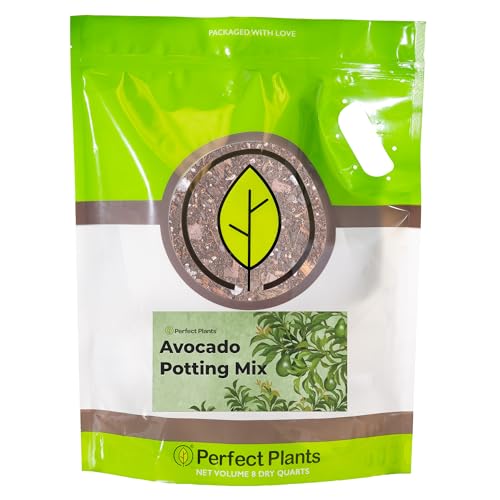
Professional Avocado Potting Mix by Perfect Plants | Premium All-Natural Blend for All Tropical...
- PREMIUM, NATURAL INGREDIENTS- Crafted with a nutrient-rich recipe featuring organic fertilizer (5-5-3), worm castings, and beneficial mycorrhizae to support lush...
- FOR ANY GARDEN SIZE- Available in 4 Quart and 8 Quart heavy-duty, resealable bags — perfect for indoor planters or outdoor starter kits for your avocado or citrus...
- PERFECT FOR ALL AVOCADOS- Whether you're growing outdoors or inside your home, Avocado Potting Mix is the all-in one solution for every avocado variety such as Hass...
If you’re looking to cultivate avocado trees, Perfect Plants Avocado Potting Mix (8Qt) is an excellent choice for your bonsai soil recipes. This nutrient-rich mix contains organic fertilizer and beneficial ingredients like worm castings and mycorrhizae. The blend of peat moss, perlite, and coconut coir creates a well-draining, sandy loam texture, ensuring your avocado roots thrive. It’s compatible with varieties like Hass, Persea, and Maluma, whether you’re growing them indoors or outdoors. When using this mix, you’ll promote vigorous root growth, helping your bonsai flourish. Trust in the expertise of this family-owned brand with over 40 years in horticulture.
Best For: This product is best for avocado enthusiasts looking to successfully grow various avocado tree varieties indoors or outdoors.
Pros:
- Contains nutrient-rich organic fertilizer and beneficial ingredients like worm castings and mycorrhizae.
- Well-draining sandy loam texture promotes vigorous root growth.
- Suitable for all avocado varieties, ensuring compatibility with Hass, Persea, and Maluma.
Cons:
- The 8Qt size may not be sufficient for larger planting projects.
- May require additional amendments for specific soil needs depending on environmental conditions.
- Limited to avocado cultivation, not versatile for other plant types.
Gardenera Premium Balsam Camellia Potting Soil Mix (1 Quart)
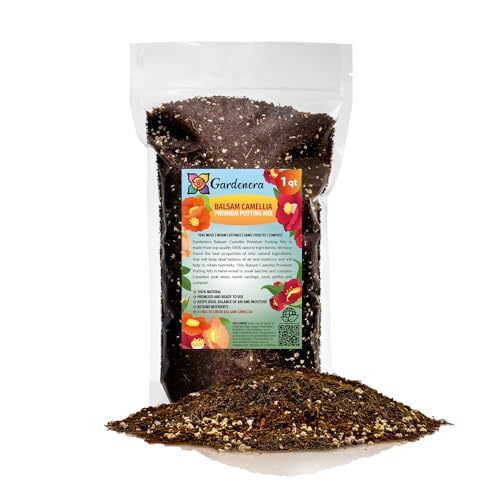
Gardenera Premium Balsam Camellia Potting Soil Mix - Perfect Balance of Nutrients, Drainage, and...
- 🌺 𝐏𝐑𝐄𝐌𝐈𝐔𝐌 𝐁𝐀𝐋𝐒𝐀𝐌 𝐂𝐀𝐌𝐄𝐋𝐋𝐈𝐀 𝐏𝐎𝐓𝐓𝐈𝐍𝐆 𝐌𝐈𝐗: Our Balsam Camellia Potting Mix is...
- 🌱 𝐑𝐈𝐂𝐇 𝐈𝐍 𝐏𝐄𝐀𝐓 𝐌𝐎𝐒𝐒: Contains premium peat moss, offering excellent moisture retention and aeration, crucial for robust...
- 🪱 𝐍𝐀𝐓𝐔𝐑𝐀𝐋 𝐖𝐎𝐑𝐌 𝐂𝐀𝐒𝐓𝐈𝐍𝐆𝐒: Infused with worm castings, providing a natural and rich source of nutrients that...
Gardenera Premium Balsam Camellia Potting Soil Mix is the ideal choice for gardeners looking to grow vibrant Balsam Camellia plants. This mix combines peat moss, worm castings, sand, perlite, and organic compost to create a nurturing environment. When you use it, you’ll notice improved moisture retention and enhanced drainage, which prevents root rot. To pot your plants, simply fill your container, plant the Balsam Camellias, and water thoroughly. This user-friendly mix works well for all gardeners, whether you’re just starting or you’ve got experience. With a customer rating of 4.4 stars, many love this soil for its performance and convenience.
Best For: Gardeners seeking to cultivate healthy and vibrant Balsam Camellia plants in indoor or container settings.
Pros:
- Excellent drainage properties that prevent root rot, ensuring plant health.
- Balanced blend of organic ingredients promotes strong growth and vibrant blooms.
- User-friendly application suitable for both novice and experienced gardeners.
Cons:
- Limited to a specific type of plant (Balsam Camellias), may not be suitable for all garden plants.
- Only available in a 1-quart size, which may not be sufficient for larger gardening projects.
- The price point may be higher compared to generic potting soils.
Freestyle Bonsai: How to Pot, Grow, Prune, and Shape


Freestyle bonsai is ideal for those looking to express their artistic side through nature, especially beginners enthusiastic to plunge into this unique hobby. Start by selecting a suitable tree species like ficus or juniper. When potting, make sure your pot has drainage holes, adding bonsai soil for best growth. As your tree grows, try clipping and wiring techniques to shape its style. Remember, it’s about personal expression—don’t stress over perfection. Regularly check for pests and water appropriately to keep your bonsai healthy. Embrace your creativity, shaping your bonsai collection to reflect your unique vision. Enjoy the journey of growing these miniature trees!
Best For: Freestyle bonsai is best for beginners and artistic individuals seeking a unique hobby that allows for personal expression through nature.
Pros:
- Encourages creativity: Freestyle bonsai promotes individual artistic expression, making it a fulfilling hobby.
- Accessible for beginners: Clear guidance on choosing tree species and potting techniques helps newcomers start confidently.
- Versatile care options: Bonsai can be grown indoors or outdoors, allowing flexibility in cultivation.
Cons:
- Requires ongoing maintenance: Regular care and monitoring are essential to keep bonsai healthy, which may be demanding for some.
- Potential for frustration: Beginners may feel overwhelmed by the need to master shaping techniques to achieve desired styles.
- Pest management needed: Bonsai can attract pests, necessitating additional effort to ensure the health of the trees.
Soil Sunrise Calcined Clay Bonsai Soil Additive (4 Quarts)
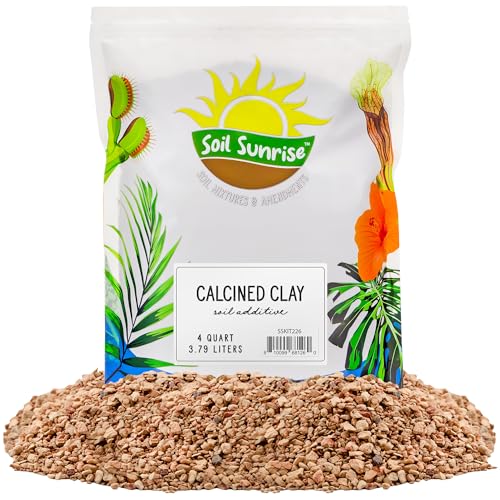
Soil Sunrise Calcined Clay Bonsai Soil Additive (4 Quarts) for Bonsai Tree Potting and Other Plants...
- Bonsai’s Friend: Calcined clay is ideal for various types of bonsai trees, alternative to akadama
- Uses: Add to your bonsai potting mix as an additive; it is also great for cacti and succulents
- Benefits: Improves cation exchange, increases microbi@l activity, provides nutrient retention, and moisture retention, helps increase plant yield by providing more oxygen...
Soil Sunrise Calcined Clay Bonsai Soil Additive (4 Quarts) is an excellent choice for bonsai enthusiasts looking to boost their soil game. This additive works wonders for a variety of bonsai trees and even cacti or succulents. By using it, you’re replacing akadama and enriching your potting mix. It improves cation exchange and promotes microbial activity, enhancing nutrient and moisture retention. Your roots will receive more oxygen, resulting in healthier growth and increased yields. Just mix a few handfuls into your potting soil, and watch your mini trees thrive. It’s a simple yet effective step in your bonsai care routine!
Best For: Bonsai enthusiasts and gardeners seeking to enhance soil quality for healthier plant growth.
Pros:
- Improves cation exchange and microbial activity.
- Increases nutrient and moisture retention for plants.
- Promotes better oxygen flow to roots, enhancing overall plant health.
Cons:
- May not be suitable for all types of gardening beyond bonsai and succulents.
- Replacement of akadama may require adjustment of watering habits.
- Not a complete potting mix; needs to be combined with other soil components.
Houseplant Handbook: Basic Growing Techniques and Directory of 300 Houseplants
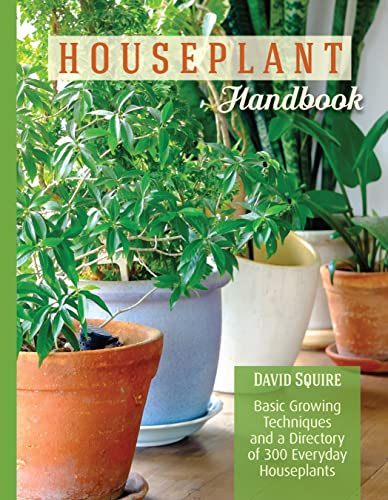
For anyone excited to cultivate vibrant houseplants, the “Houseplant Handbook” serves as an essential resource. This guide, created by horticulturist David Squire, covers everything you need to know. You’ll find easy step-by-step instructions on selecting plants, watering, feeding, and even pest control. Whether you’re growing succulents, ferns, or flowering plants, Squire’s advice is practical and friendly. With over 300 houseplant entries, you’ll enjoy colorful pictures and care tips for each type. Quick reference panels provide vital details like temperature needs and light conditions, ensuring your indoor garden thrives. Immerse yourself in this handbook for a successful houseplant journey!
Best For: Anyone looking to successfully cultivate a variety of houseplants, from beginners to experienced indoor gardeners.
Pros:
- Comprehensive Guide: Offers step-by-step instructions on all aspects of houseplant care, making it suitable for all skill levels.
- Extensive Plant Directory: Features over 300 houseplant varieties with detailed care tips and vibrant photographs.
- Quick Reference Panels: Provides essential information at a glance, including temperature and light requirements, for easy care management.
Cons:
- Limited Advanced Techniques: May not cover advanced gardening techniques in-depth, focusing more on basic care.
- Photo Size Varied: Some users may find the size of the photos inconsistent, impacting the visual experience.
- General Information: While comprehensive, the broad approach may lack personalized advice for specific regional growing conditions.
Bonsai Recipes: Soil Mixes and Fertilizer for Enthusiasts
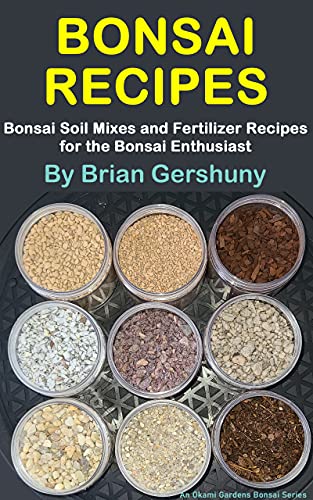
If you’re a bonsai enthusiast looking to enhance your gardening skills, “Bonsai Recipes: Soil Mixes and Fertilizer” is perfect for you. This guide offers tested recipes from Okami Gardens, blending local resources for affordable, effective bonsai care. You’ll learn when and why to use particular mixes, essential for maintaining thriving trees. Remember, different species may require unique blends—such as akadama, pumice, and lava rock for good drainage. Besides, it emphasizes sustainability while keeping costs down. Today, you can create your own soil mixes, just like the experienced practitioners did decades ago, ensuring healthier plants and a flourishing collection.
Best For: Bonsai enthusiasts who want to improve their plant care with cost-effective soil mixes and fertilizers.
Pros:
- Provides tested recipes developed over 30 years of experience at Okami Gardens for effective bonsai maintenance.
- Encourages sustainability by promoting the use of local resources and affordable techniques, reducing costs for enthusiasts.
- Offers practical applications and expert insights tailored to different species’ needs, ensuring healthier bonsai.
Cons:
- May require a learning curve for beginners unfamiliar with specific soil ingredients and their functions.
- Not all ingredients may be local or readily available in every area, potentially making it challenging to source materials.
- Costs could still add up if enthusiasts need to purchase specialized materials not commonly found in their locations.
Soil Sunrise Horticultural Bonsai Pumice Soil Additive (4 Quarts)
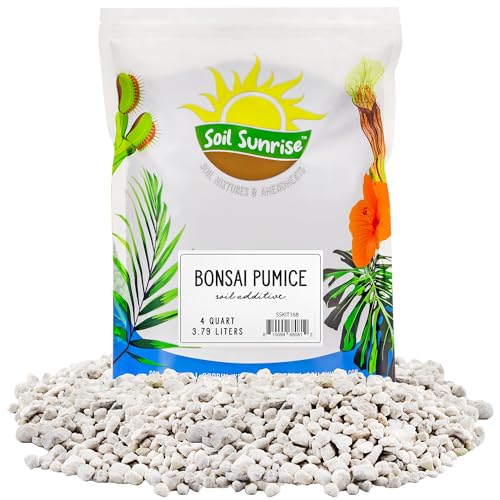
Soil Sunrise Horticultural Bonsai Pumice Soil Additive (4 Quarts) 7LB Ideal Substrate for Bonsai...
- 100% Natural: Expanded clay pellets also known as LECA, No additives or chemicals
- Uses: Soil substrate and additive perfect for bonsai trees, succulents and cactus plants, for indoor / outdoor container gardening
- Benefits: Reduces water runoff and provides fertilization by increasing soil absorption in sandy soils. It also absorbs excess moisture so roots don't rot. Additionally...
Looking for a reliable soil additive for your bonsai trees? Soil Sunrise Horticultural Bonsai Pumice brings you the quality you need. Made from 100% natural expanded clay pellets, this 4-quart bag is perfect for bonsai trees, succulents, and cacti. It helps reduce water runoff by absorbing excess moisture, which prevents root rot. Plus, it improves aeration and encourages mycorrhizae growth, making your plants thrive. At just 4.71 pounds, it’s easy to handle, and with a solid 4.5-star rating, you know you’re getting a trusted product. Add this pumice to your soil mix for healthier, happier plants!
Best For: Enthusiasts and gardeners looking to enhance the soil quality for bonsai trees, succulents, and cacti.
Pros:
- Enhances soil aeration, promoting healthier root systems for plants.
- Reduces the risk of root rot by absorbing excess moisture.
- Composed of 100% natural materials, ensuring no harmful chemicals are present.
Cons:
- May require mixing with other soil components for optimal results.
- Limited application for plants outside the bonsai, succulent, and cactus categories.
- Weight of 4.71 pounds can be cumbersome for some users when handling larger quantities.
The Bonsai Beginner’s Bible

Bonsai enthusiasts often find that mastering the right soil mix is crucial for nurturing their miniature trees effectively. In “The Bonsai Beginner’s Bible,” you’ll discover essential cultivation techniques, like watering, feeding, and repotting. Additionally, the guide provides seasonal care tips, so your bonsai stays healthy year-round. You’ll also learn to choose the right container, which affects both growth and aesthetics. With a directory of over 180 species, you can explore diverse options, each illustrated for easy identification. By following these foundational principles, you’ll enhance your bonsai skills and watch your trees thrive beautifully.
Best For: Bonsai enthusiasts ranging from beginners to experienced gardeners looking to deepen their knowledge and skills in bonsai cultivation.
Pros:
- Comprehensive Resource: Covers essential techniques, care tips, and a wide range of bonsai species.
- Visual Aids: Features illustrative photographs for easy identification and selection of different species.
- Seasonal Guidance: Offers maintenance advice tailored to each season, promoting healthy growth throughout the year.
Cons:
- Potential Overwhelm: The extensive directory of over 180 species might be daunting for very new bonsai enthusiasts.
- Limited Advanced Techniques: May not dive deeply into advanced techniques for highly experienced growers.
- Container Selection Details: While important, the section on container selection may not provide enough specific guidance for unique designs or styles.
100% Organic Bonsai Soil – All-Natural Potting Mix (3L Bag)
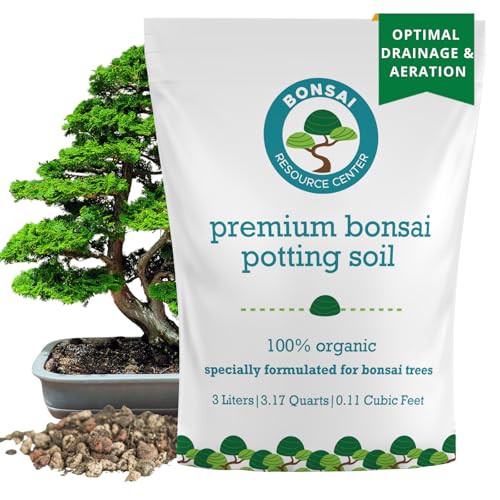
100% Organic Bonsai Soil – All-Natural, Well-Draining Potting Mix for Healthy Bonsai, Succulents...
- 🌱 100% ORGANIC, NUTRIENT-RICH BLEND FOR HEALTHIER BONSAI Handcrafted with pumice, akadama, and aged bark to deliver the ideal balance of water retention and drainage...
- 🌿 FOSTERS VIBRANT GROWTH & ROOT DEVELOPMENT This all-natural mix improves aeration and soil structure while retaining essential nutrients for sustained bonsai health...
- 💦 PREVENTS ROOT ROT & OVERWATERING The lightweight, airy texture allows excess water to drain freely while retaining just enough moisture to prevent drought...
For dedicated bonsai enthusiasts and beginners alike, the 100% Organic Bonsai Soil – All-Natural Potting Mix in a 3L bag is an ideal choice. This well-draining mix comprises pumice, akadama, and aged bark. It balances water retention and drainage, ensuring your bonsai thrives. The lightweight texture improves aeration, helping prevent root rot while retaining moisture. You’ll appreciate how this soil supports vibrant foliage and healthy root systems without chemical buildup. Packaged sustainably in Oregon by a family business, this eco-friendly mix deters pests too. Use it for bonsai, succulents, cacti, or kokedama, and watch your plants flourish!
Best For: Dedicated bonsai enthusiasts and beginners seeking a high-quality, organic potting mix for their plants.
Pros:
- Nutrient-rich blend supports strong root systems and vibrant foliage without chemical buildup.
- Lightweight and airy texture allows for excellent aeration and moisture retention, preventing root rot.
- Eco-friendly packaging and sustainable sourcing from a family business in Oregon.
Cons:
- Limited availability in a 3L bag may not be sufficient for larger gardening projects.
- Higher price point compared to conventional potting mixes due to its organic nature.
- May require additional amendments for specific plant needs beyond the initial blend.
Gardenera Strawberry Premium Potting Soil Mix (2 Quart)
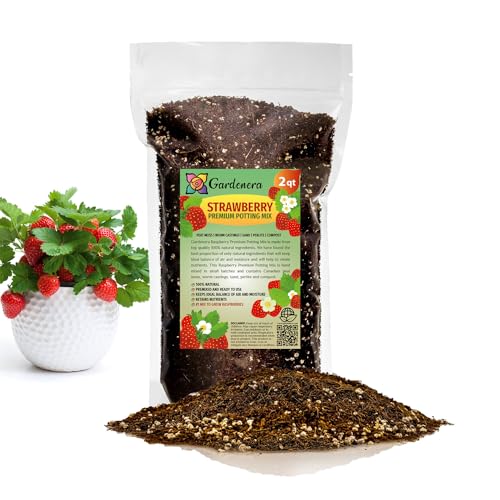
Gardenera Strawberry Premium Potting Soil Mix - Ideal Blend for Growing Robust and Flavorful...
- 🍓 𝐏𝐑𝐄𝐌𝐈𝐔𝐌 𝐒𝐓𝐑𝐀𝐖𝐁𝐄𝐑𝐑𝐘 𝐏𝐎𝐓𝐓𝐈𝐍𝐆 𝐌𝐈𝐗: Our Strawberry Potting Mix is expertly crafted to...
- 🌱 𝐑𝐈𝐂𝐇 𝐈𝐍 𝐏𝐄𝐀𝐓 𝐌𝐎𝐒𝐒: Contains premium peat moss, offering excellent moisture retention and aeration, crucial for robust...
- 🪱 𝐍𝐀𝐓𝐔𝐑𝐀𝐋 𝐖𝐎𝐑𝐌 𝐂𝐀𝐒𝐓𝐈𝐍𝐆𝐒: Infused with worm castings, providing a natural and rich source of nutrients that...
Gardenera Strawberry Premium Potting Soil Mix (2 Quart) is an excellent choice for gardeners aiming to cultivate delicious strawberries both indoors and outdoors. Its premium ingredients, like peat moss and worm castings, promote healthy root growth and provide essential nutrients. The mix also includes lime to balance pH, along with sand for superb drainage, preventing issues like root rot. Simply fill your container with this blend, plant your strawberries, and water as needed. Designed for easy application, this mix supports both novice and experienced gardeners in enjoying vibrant foliage and bountiful strawberry harvests. Happy planting!
Best For: Gardeners seeking to produce healthy strawberries in containers, whether indoors or outdoors.
Pros:
- High-quality ingredients, including peat moss and worm castings, support robust plant growth and nutrient supply.
- Excellent drainage and aeration achieved through the addition of sand and vermiculite, preventing root rot.
- User-friendly application process, making it suitable for both novice and experienced gardeners.
Cons:
- Limited to strawberry cultivation, may not be ideal for other plants.
- The 2-quart size might be insufficient for larger gardening projects or numerous plants.
- Potentially higher cost compared to generic potting soil mixes.
Factors to Consider When Choosing a Bonsai Soil Recipe

When choosing a bonsai soil recipe, consider essential factors like soil texture and drainage capabilities. You’ll want to guarantee the pH level is balanced and the nutrient content suits your bonsai type. Additionally, think about how versatile the ingredients are; they should support different bonsai species and growth stages.
Soil Texture Importance
Choosing the right soil texture is crucial to the health and growth of your bonsai tree. A well-draining texture, mixing components like pumice, akadama, or perlite, prevents root rot by allowing excess water to escape quickly. You want a balance that retains moisture without becoming waterlogged; airy textures achieve this nicely. Consider the size of soil particles, as they influence nutrient availability, impacting your tree’s overall health and growth rate. Combining coarse and fine particles fosters beneficial microbial activity, essential for nutrient cycling. When creating your bonsai soil mix, pay close attention to these factors, ensuring that your chosen texture meets your tree’s specific hydration and nutrient needs for peak development.
Drainage Capabilities Needed
Understanding the right drainage capabilities is essential for keeping your bonsai healthy. Good bonsai soil needs excellent drainage to prevent issues like waterlogging and root rot. To achieve this, choose a mix that includes materials like perlite, pumice, or akadama. These components help with both drainage and aeration, ensuring the soil won’t become overly saturated. You should aim for a balance, allowing the soil to retain moisture while still draining well. Also, consider the texture; sandy loam or mixes with larger particles aid in quicker water movement. Finally, make sure your bonsai pot has adequate drainage holes. This helps excess water escape, maintaining ideal conditions for your miniature tree’s health.
Ph Level Considerations
Maintaining the right pH level is vital for your bonsai’s health and growth. Ideally, you want the pH to range between 6.0 and 7.0. This range guarantees nutrients are available for your bonsai. If the pH is below 6.0, nutrient uptake suffers, causing deficiencies. Conversely, an alkaline pH above 7.0 can lead to toxic build-up. Regularly test your soil using pH meters or test kits to maintain proper levels. You can adjust pH by adding sulfur to lower it or lime to raise it, depending on your bonsai species. Also, remember that soil ingredients impact pH: peat moss is acidic, while limestone is alkaline. Balancing these components is key for a thriving bonsai.
Nutrient Content Balance
When you create a bonsai soil recipe, it’s important to strike the right balance between nutrient content and drainage. A good mix should include both organic and inorganic materials. For instance, incorporating worm castings or organic compost can enrich the soil and support root development. Meanwhile, using akadama, pumice, or perlite will improve drainage and promote healthy microbial activity. Remember, different bonsai species have unique nutrient needs, so tailor your mix accordingly. You should also avoid chemical additives; they can lead to nutrient buildup, potentially harming your bonsai’s health. By focusing on natural components, you maintain a healthy balance that encourages flourishing growth and vibrant foliage in your miniature trees.
Ingredient Versatility Options
Finding the right mix for your bonsai soil can make all the difference in your plant’s health and growth. Focus on ingredient versatility to suit the varying needs of your bonsai. A mixture with pumice, akadama, and organic materials offers good aeration and moisture retention, keeping roots healthy. Adding calcined clay boosts moisture regulation and nutrient exchange, benefiting your bonsai’s liveliness. Components like sand and perlite guarantee proper drainage, essential for preventing root rot in sensitive species. Don’t forget about organic additives like worm castings; they enrich your soil with crucial nutrients, leading to robust growth and enhanced flowering. By choosing the right ingredients, you create an ideal environment for your miniature trees to thrive.
Plant Species Compatibility
Choosing the right bonsai soil recipe isn’t just about personal preference; it’s essential to contemplate the specific needs of your plant species. Different bonsais require unique soil types. For example, coniferous species like Junipers thrive in coarse, gritty mixes that drain well and help prevent root rot. On the other hand, tropical species prefer a more moisture-retentive blend. Think about where your bonsai naturally grows; plants from dry areas need porous soils, while those from wetter regions appreciate mixes that hold more moisture. Additionally, consider the growth phase of your tree. Young bonsais benefit from lighter mixes for better root development, whereas mature trees often require denser soils for stability. Always match your soil choice to your tree’s needs!
Moisture Retention Factors
Selecting the right bonsai soil recipe requires considering how moisture retention impacts your plant’s health. You need a balance between moisture retention and drainage. This helps prevent root rot while ensuring roots get enough oxygen. To improve moisture retention, include organic materials like peat moss or coconut coir. These enhance water retention without suffocating the roots. Additionally, ingredients like vermiculite and pumice can boost your soil’s capacity to hold water while allowing excess moisture to escape. Remember, each bonsai species has different needs; succulents prefer drier soil, while ferns thrive in consistently moist conditions. Regularly monitor your soil’s moisture levels and adjust the composition as needed for ideal growth and longevity of your bonsai trees.
Organic vs. Synthetic Choices
When it comes to bonsai soil, the debate between organic and synthetic choices can be challenging. Organic recipes use natural materials like pumice, akadama, and aged bark. These enhance nutrient retention and support healthier roots without risking chemical buildup. In contrast, synthetic options often contain additives for instant nutrients. However, they can cause harmful chemical accumulation over time, damaging your plant.
Also, organic soils improve aeration and drainage, while synthetic mixes can limit healthy microbial activity. In addition, consider the environment; organic ingredients are usually sustainably sourced and biodegradable, unlike many synthetic materials. Ultimately, choosing organic may foster a thriving ecosystem for your bonsai, providing long-term advantages for both your tree and the planet.
Frequently Asked Questions
How Often Should I Replace My Bonsai Soil?
You should replace your bonsai soil every one to two years, depending on the tree’s growth and health. Start by checking the soil’s texture and drainage; it needs to breathe. If it compacts or drains poorly, it’s time for a change. When repotting, gently remove the old soil and trim the roots if necessary. New soil provides essential nutrients, helping your bonsai thrive, just like a revitalizing rain nourishes a thirsty garden.
Can I Use Regular Potting Soil for Bonsai Trees?
You can’t use regular potting soil for bonsai trees. It retains too much moisture and doesn’t provide the drainage these trees need. Instead, mix components like akadama, pumice, or lava rock for a well-draining soil blend. This helps prevent root rot and guarantees your bonsai thrives. Aim for a mix that retains enough moisture while allowing excess to drain away. Remember, a proper soil mix is essential for your bonsai’s health and growth!
What Ph Level Is Best for Bonsai Soil?
The best pH level for bonsai soil is typically between 6.0 and 7.5. This range promotes healthy growth and nutrient absorption. You can test your soil with a pH meter or test kit. If the pH is too low, add lime to raise it; if it’s too high, sulfur can help lower it. Keeping the pH balanced guarantees your bonsai thrives, so check your soil regularly for ideal results!
How Do I Know if My Soil Is Draining Properly?
You’ll know your soil’s draining properly if water flows through quickly after you water your bonsai. Check by pouring some water onto the soil; if it pools on the surface for too long, it’s not draining well. You might also notice roots poking through the drainage holes if it’s healthy. Finally, touch the soil; if it feels soggy or compacted, consider adjusting your soil mix for better airflow and drainage.
Is It Necessary to Fertilize Bonsai Soil?
Yes, it’s necessary to fertilize bonsai soil. Doing so provides essential nutrients for your tree’s growth. You should start fertilizing during the growing season, typically from spring to fall. Use a balanced fertilizer, applying it every four to six weeks. Dilute it according to package instructions to avoid over-fertilizing, which can harm your bonsai. Pay attention to your tree’s growth and adjust the frequency if needed. Healthy soil supports a thriving bonsai!


