As an Amazon Associate, we earn from qualifying purchases. Some links on this site are affiliate links at no extra cost to you. Our recommendations are based on thorough research and editorial judgment.


10 Best Bonsai Step-by-Step Guides for Aspiring Gardeners

If you’re looking to master bonsai, these ten guides are perfect for you. Start with “Bonsai Basics,” which breaks down the art simply. “Bonsai for Beginners” and “Bonsai (101 Essential Tips)” cover essential care techniques and tree selection. Don’t miss “The Ultimate Bonsai Handbook,” with over 1,000 photos to guide you visually. With resources on watering, pruning, and wiring, you’ll find growing bonsai enjoyable. Keep this journey in mind as you explore these excellent references for growth and skill.
Key Takeaways
- Beginner-Focused Resources: Select guides like “Bonsai Basics” and “The Ultimate Bonsai Handbook” that emphasize foundational skills and beginner-friendly techniques.
- Step-by-Step Techniques: Look for materials covering essential practices, such as tree selection, watering routines, and pruning methods.
- Visual Learning Aids: Utilize guides with extensive illustrations or video tutorials to enhance understanding of bonsai care and styling.
- Mindfulness Integration: Choose resources that emphasize the meditative aspects of bonsai, promoting personal growth and connection with nature.
- Addressing Limitations: Be aware of guides’ limitations regarding advanced techniques, specific regional care, and tropical species to ensure comprehensive learning.
Bonsai Basics: Step-by-Step Guide to Bonsai Art
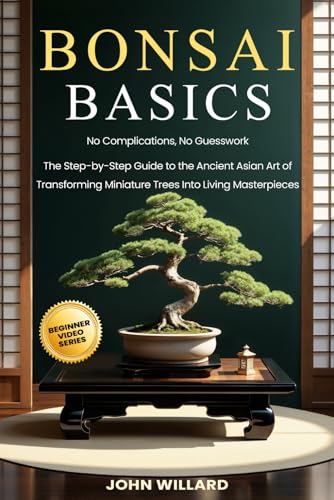

If you’re new to the art of bonsai and want a straightforward way to start, this guide is perfect for you. “Bonsai Basics: No Complications, No Guesswork” simplifies the entire process. It breaks down essential techniques, like selecting the right tree and mastering pruning, wiring, and watering. You’ll find clear step-by-step instructions that make learning enjoyable. The L.I.V.E. Framework enhances your observation and manual skills while fostering a connection with your bonsai. Plus, the guide includes useful video tutorials and “Moments of Stillness” for mindfulness. With practical examples and community feedback, this guide is your trusted companion on your bonsai journey.
Best For: Beginners looking for an enjoyable and straightforward introduction to the art of bonsai without needing extensive prior knowledge.
Pros:
- Clear step-by-step instructions simplify complex techniques.
- Integrates mindfulness practices, promoting personal growth alongside bonsai cultivation.
- Access to video tutorials enhances understanding of techniques in real time.
Cons:
- May lack advanced techniques for more experienced bonsai enthusiasts.
- Some users may find the focus on mindfulness less appealing if they are more technique-oriented.
- Limited mention of tropical bonsai species which may exclude certain preferences.
Bonsai for the Beginner: Basic Techniques of Care and Styling
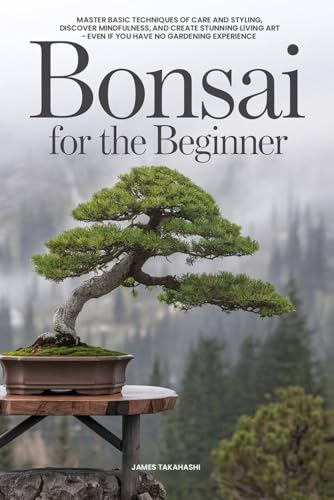
Bonsai is an art form that captivates many, making “Bonsai Step-by-Step Guides for Gardeners” the perfect choice for curious beginners keen to grow their skills. Start by selecting a beginner-friendly species, like the juniper or ficus. Watering is essential—always check soil moisture before watering. Employ pruning techniques to shape your tree, focusing on leaf reduction for a miniature look. Use basic tools like scissors and wire, while avoiding overly complicated gadgets. Remember, bonsai care can be a mindful practice, helping you relax and connect with nature. Each tree is your personal masterpiece, so take your time and enjoy the journey!
Best For: Beginners interested in exploring the art of bonsai without prior gardening or artistic experience.
Pros:
- Provides clear guidelines for essential care techniques like watering and pruning.
- Offers beginner-friendly species recommendations to facilitate a smooth start.
- Encourages mindfulness and relaxation through the practice of bonsai care.
Cons:
- May require a time commitment to fully master techniques and care requirements.
- Limited to specific tree species, which could restrict creative options for advanced enthusiasts.
- Some tools and techniques may still feel intimidating for complete novices.
Bonsai for Beginners: A Step-by-Step Guide to Grow Healthy Bonsai at Home

Looking to start a rewarding gardening journey? Growing bonsai at home is a fantastic way to connect with nature. Begin by learning about different bonsai types and their characteristics. Choose a tree that suits your space and enjoyment level. Next, prepare the right soil and find a sunny spot for growth. Basic care involves proper watering and fertilizing regularly. Don’t forget to prune and shape your bonsai for a beautiful appearance. As you gain confidence, explore advanced techniques like root pruning and pest management. With patience and dedication, your bonsai can thrive, bringing tranquility to your home.
Best For: Beginners who want to cultivate their own bonsai trees and learn about their care and maintenance.
Pros:
- Comprehensive guide: Offers step-by-step instructions from selecting trees to advanced care techniques.
- Variety of techniques: Covers basics as well as advanced methods for nurturing bonsai trees.
- Encouragement of patience: Promotes mindfulness and tranquility through the art of bonsai gardening.
Cons:
- Time-consuming: Requires patience and long-term commitment for successful growth.
- Requires specific conditions: Bonsai trees may have particular needs that can be challenging to meet for beginners.
- Potential for pests and diseases: Without proper care, bonsai trees can be susceptible to health issues.
Bonsai (101 Essential Tips)
For anyone enthusiastic to start their journey into the art of bonsai, the “Bonsai Step-by-Step Guides for Gardeners” is your perfect resource. Begin with understanding bonsai’s significance; it’s a beautiful blend of art and nature. Focus on selecting suitable species, like Japanese red maple or Scots pine, for your first trees. Establish a consistent watering routine to keep them healthy. Remember to create balance and tranquility in your design. Use proper tools for pruning and wiring to shape your trees effectively. Keep learning, stay patient, and you’ll cultivate your skills into an enjoyable bonsai journey. Happy gardening!
Best For: Beginners and gardening enthusiasts looking to explore the art of bonsai cultivation and design.
Pros:
- Comprehensive guide covering essential bonsai care and design principles for all skill levels.
- Helpful tips on species selection and watering routines to promote healthy growth.
- Encouragement for learners to develop their skills progressively, fostering a deep appreciation for bonsai.
Cons:
- Lack of advanced techniques which may not satisfy expert bonsai practitioners seeking higher-level insights.
- General information may not address specific regional care requirements for different climates.
- Limited focus on certain species, potentially leaving out other popular or unique bonsai options.
Bonsai: The Art of Growing and Keeping Miniature Trees
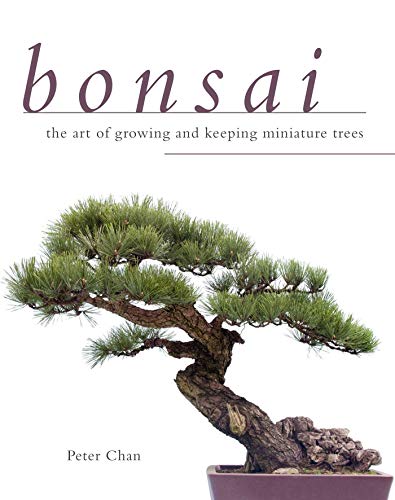
Creating miniature trees through bonsai is a rewarding hobby that’s open to anyone willing to learn. This ancient craft, originating in Japan, teaches you to shape trees into beautiful, tiny versions of themselves. Start by selecting the right bonsai species suited to your environment. You’ll need essential tools like pruning shears and a suitable pot. Remember, proper care and watering are vital to your tree’s health, so get familiar with these practices. As you explore different shaping techniques, you’ll discover a fascinating blend of artistry and horticulture. Immerse yourself, enjoy the experience, and watch your skills grow along with your trees!
Best For: Anyone interested in learning the rewarding art of growing and caring for miniature trees, from beginners to those looking to deepen their skills.
Pros:
- Comprehensive guide covering all aspects of bonsai cultivation and maintenance.
- Written by a world-renowned expert, offering trustworthy and insightful advice.
- Engages both creativity and horticultural skills, making it enjoyable and fulfilling.
Cons:
- May seem overwhelming for complete beginners due to the variety of techniques and styles.
- Initial investment in tools and supplies can be costly.
- Requires ongoing commitment and dedication to nurturing bonsai trees properly.
The Ultimate Bonsai Handbook: The Complete Guide for Beginners

If you’ve ever dreamed of cultivating a miniature tree, “The Ultimate Bonsai Handbook” is your perfect companion. Authored by one of Japan’s foremost bonsai experts, this complete guide opens up the world of bonsai gardening. You’ll find over 1,000 photos that beautifully illustrate each step for 70 different types of bonsai, like pines and flowering trees. The handbook emphasizes learning through imitation and observation, ensuring you grasp essential techniques like root trimming, watering, and pruning. Plus, it provides clear guidance on selecting the right bonsai and showcasing your tree effectively. Immerse yourself and let your bonsai journey begin!
Best For: Beginners interested in cultivating bonsai trees and learning essential gardening techniques.
Pros:
- Comprehensive Guide: Covers over 70 types of bonsai with detailed instructions.
- Visual Learning: Features over 1,000 photos to illustrate each step effectively.
- Practical Techniques: Provides essential techniques for care and maintenance.
Cons:
- Limited Advanced Techniques: May not include in-depth techniques for experienced bonsai gardeners.
- Beginner Focused: Primarily tailored for beginners, potentially lacking complex strategies for advanced cultivation.
- Time-Consuming: Growing bonsai can require a significant investment of time and patience.
Bonsai Made Simple: A Step-by-Step Guide for Beginners

Bonsai Made Simple is the perfect choice for those looking to immerse themselves in the world of miniature tree cultivation, especially if you’re new to gardening or have little experience. This guide walks you through each step, from selecting the right species to understanding essential care techniques. You’ll find clear instructions on watering, pruning, and repotting, making it easy to confidently nurture your bonsai. The mistakes section helps you avoid common pitfalls, ensuring your trees thrive. Plus, the meditative benefits of bonsai practice create a peaceful retreat in your home. Engage and enjoy the relaxing journey of bonsai cultivation!
Best For: Individuals seeking a relaxing hobby and beginners interested in nurturing miniature trees at home.
Pros:
- User-friendly instructions and visual aids for easy understanding.
- Comprehensive guidance on common bonsai care techniques, including pruning and watering.
- Mindful practice that promotes relaxation and connection with nature.
Cons:
- May require patience and time commitment to see results in bonsai growth.
- Initial setup costs for tools, pots, and quality soil may be a barrier for some beginners.
- Potential for confusion with species selection if not following the guidelines closely.
Step-By-Step Bonsai for Beginners: A Complete Guide to Growing and Caring for Your First Bonsai
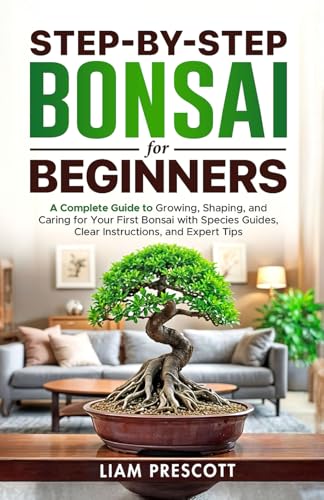
Beginning your bonsai journey is an exciting step for anyone keen to blend artistry with horticulture. Start by choosing the right bonsai species, like a Ficus or Juniper, to match your environment. Once you have your tree, focus on essential techniques: pruning to shape your tree, wiring to guide growth, and repotting for health. Watering correctly and using quality soil mix is vital. Monitor for issues like yellowing leaves or root rot. Don’t forget to connect with other enthusiasts! They can offer support and tips, helping you develop patience and enjoy every moment of this rewarding hobby.
Best For: Beginners who are eager to learn the art of bonsai gardening and cultivate their first bonsai tree successfully.
Pros:
- Comprehensive Guidance: Offers step-by-step instructions from species selection to care techniques.
- Community Support: Encourages connections with fellow bonsai enthusiasts for shared knowledge and encouragement.
- Creative Expression: Provides a unique opportunity to blend gardening with artistry, resulting in beautiful mini trees.
Cons:
- Learning Curve: Initial challenges such as identifying issues like root rot may be overwhelming for some newcomers.
- Time-Consuming: Requires patience and consistent effort for proper maintenance and care.
- Environmental Limitations: Certain bonsai species may not thrive indoors or in specific climates, limiting options.
Bonsai Basics: A Step-By-Step Guide To Growing, Training & General Care

Starting your journey into the world of bonsai can be both exciting and a bit intimidating, especially if you’re new to gardening. Begin by selecting a hardy tree species, like juniper or Ficus. Pruning is vital; it keeps your bonsai healthy and encourages growth. Wiring the branches helps shape your tree to your liking. Explore different bonsai styling techniques to find what appeals to you. Remember, ongoing care is essential for longevity; water regularly and check for pests. With over 200 beautiful photos in your guide, you’ll have plenty of inspiration. Jump in, and enjoy the art of bonsai!
Best For: Beginners who are eager to learn about growing and caring for bonsai trees in a structured and visually guided manner.
Pros:
- Comprehensive Guidance: The book provides step-by-step instructions for all aspects of bonsai care, making it accessible for novices.
- Visual Inspiration: With over 200 full-color photos and drawings, readers can easily visualize techniques and styling options.
- Focus on Health and Longevity: Offers important practices for maintaining the health and longevity of bonsai trees.
Cons:
- Limited Advanced Techniques: May not cover advanced bonsai training methods that experienced gardeners seek.
- Potential Overwhelm: Beginners might feel overwhelmed by the variety of information and techniques presented.
- Requires Ongoing Commitment: Keeping bonsai healthy demands consistent maintenance and care, which can be time-consuming.
The Complete Book of Bonsai: A Practical Guide to Its Art and Cultivation
Sale


The Complete Book of Bonsai: A Practical Guide to Its Art and Cultivation
- Used Book in Good Condition
For anyone enthusiastic to explore the enchanting world of bonsai, “The Complete Book of Bonsai: A Practical Guide to Its Art and Cultivation” serves as an invaluable resource. This thorough guide investigates the origins, styles, and artistic principles of bonsai. You’ll find step-by-step instructions for creating bonsai from seedlings or cuttings, ensuring you have everything you need to start your journey. The book also covers essential maintenance and propagation strategies to keep your trees thriving. With a photographic catalog of over 100 species, you’ll confidently choose plants that suit your space and style while learning valuable cultivation tips.
Best For: Beginners and enthusiasts interested in the art of bonsai cultivation and styling.
Pros:
- Comprehensive coverage of bonsai cultivation techniques from seedlings to finished trees.
- Detailed photographic catalog featuring over 100 species, aiding in plant selection.
- Step-by-step instructions make the art of bonsai accessible for all skill levels.
Cons:
- May be overwhelming for complete novices due to the extensive information provided.
- Some advanced techniques or styles may not be covered in depth.
- Requires commitment and patience, which may deter casual readers.
Factors to Consider When Choosing a Bonsai Step by Step Guide

When choosing a bonsai step-by-step guide, consider factors like tree species selection and pot and soil choices. You’ll also want clear explanations of watering techniques, pruning, and wiring basics, plus an overview of light requirements. By focusing on these key points, you can guarantee your bonsai journey is successful and enjoyable.
Tree Species Selection
Choosing the right tree species for your bonsai is one of the most important steps in this rewarding hobby. Start by considering your local climate; certain trees thrive better in specific environments. For beginners, Ficus, Juniper, and Chinese elm are excellent choices due to their resilience. Look for species with smaller leaves, like Japanese maple, which enhance your bonsai’s aesthetics. Additionally, consider the growth rate of the tree. Slower-growing species generally need less frequent maintenance, making them perfect for novices. Think about your purpose, too. If you want an indoor bonsai or an outdoor display, choose a species suited to that environment. Taking these factors into account will enhance your bonsai journey!
Pot and Soil Choices
Selecting the right pot and soil for your bonsai is essential for its health and growth. Start with choosing pots made from clay or unglazed ceramic; these materials promote air circulation and help retain moisture. Make sure the pot size matches your bonsai tree. A smaller pot restricts growth, while a larger one encourages it. Don’t forget about drainage holes—adequate holes prevent water buildup, stopping root rot. For soil, use a well-draining mix that includes akadama, pumice, and lava rock, ensuring aeration and humidity. Finally, repot your bonsai every 1-3 years. Use fresh soil and prune excess roots to keep your tree healthy and thriving. Happy bonsai gardening!
Watering Techniques Explained
Effective watering techniques are essential for maintaining the health of your bonsai. Start by checking if the topsoil feels dry; this indicates it’s time to water. The frequency of watering varies based on the species of your bonsai, climate, and soil type. Water thoroughly until you see it drain from the bottom of the pot, ensuring all roots get hydrated. Keep an eye on signs of overwatering, such as yellowing leaves, which can signal trouble. It’s best to water in the early morning or late afternoon to reduce evaporation. Finally, consider using distilled or rainwater to avoid chemicals in tap water that could harm your bonsai’s soil quality. Your tree will thank you!
Pruning and Wiring Basics
Pruning and wiring are essential steps in creating and maintaining your bonsai tree’s unique shape and health. Pruning helps you control growth and prevents branches from crowding. Use clean, sharp tools for smooth cuts, healing, and reducing disease risk. Remember to prune during the right season for your bonsai species, as this impacts recovery and growth.
Wiring, on the other hand, involves gently wrapping aluminum or copper wire around branches to guide them into desired positions. Be careful not to apply too much pressure; this could damage the bark. Regularly check the wire to guarantee it isn’t digging into the wood. Mastering these techniques will greatly improve the artistry of your bonsai.
Light Requirements Overview
When you’re starting your bonsai journey, understanding light requirements is crucial for your tree’s success. Different bonsai species need different light levels; some thrive in full sun, while others do better in partial shade. For instance, sensitive species may suffer from leaf burn if exposed to harsh sunlight. If you’re growing indoor bonsai, aim for bright, indirect light near windows. This position helps guarantee they receive the necessary natural light for growth. Always monitor light exposure throughout the seasons, as changing sunlight can impact your plant’s health. By knowing your species’ specific light needs, you’ll greatly enhance your chances of successful cultivation and foster your bonsai’s overall vitality and beauty. Happy growing!
Seasonal Care Strategies
Caring for your bonsai throughout the year requires a thoughtful approach, especially as seasons change. In warmer months, your bonsai needs more water; monitor the soil to avoid root rot. Adjust your fertilizing schedule as well. Use higher nitrogen in spring to boost growth, then switch to lower levels in fall for winter dormancy. Timing your pruning is also key: light pruning in early spring helps shape it, while significant changes are best saved for late summer or early fall. Keep an eye out for pests, especially in spring when new growth appears. Finally, remember to repot every couple of years in early spring to reduce stress, setting your bonsai up for a healthier growing season.
Common Mistakes Avoidance
Even the most passionate bonsai enthusiasts can stumble into common mistakes that impact their trees’ health. First, choose a bonsai species compatible with your climate and light conditions. Next, establish a consistent watering routine; overwatering or underwatering can cause stress and root rot. Remember to prune and shape your tree regularly to prevent overgrowth and maintain its desired form. Also, check if your bonsai needs repotting when it becomes root-bound; ignoring this can stunt growth. Finally, use a well-draining soil blend suited to your bonsai species. Proper soil helps avoid water retention issues. By recognizing these common pitfalls, you can nurture a thriving bonsai and enjoy your gardening journey. Happy growing!
Mindfulness in Bonsai Handling
How can mindfulness transform your bonsai experience? By embracing mindfulness, you can cultivate a deeper emotional connection with your bonsai. Start by engaging in “Moments of Stillness.” As you prune, water, or shape your tree, focus on each rhythmic movement. This turns tasks into a calming ritual, helping you relax and center yourself. Pay attention to your bonsai’s details; mindful observation allows you to notice early signs of distress. When you’re present, you can respond more effectively to its needs. Incorporating mindfulness not only improves your horticultural skills but also acts as a therapeutic outlet. Enjoy the journey—you’ll find that caring for your bonsai becomes an enriching experience that fosters both patience and well-being.
Frequently Asked Questions
How Long Does It Take for a Bonsai Tree to Mature?
Bonsai trees generally take around 5 to 10 years to mature, but this can vary. It depends on the species, your care, and your growing conditions. For instance, Junipers may mature faster, while pines can take longer. Regular pruning, watering, and repotting help shape their growth. So, be patient and enjoy the process. You’ll find that each step brings you closer to a beautifully designed bonsai over time!
Can I Use Any Tree Species for Bonsai?
You can use many tree species for bonsai, but not every tree is suitable. Common choices include junipers, maples, and pines, as they adapt well to pruning and indoor conditions. When selecting a tree, consider its growth habits and climate requirements. Make sure it’s resilient, so it thrives under careful care. Research your chosen species before starting, and you’ll enjoy creating a beautiful bonsai that reflects your gardening skills and dedication.
What Tools Are Essential for Bonsai Beginners?
You’ll need a few essential tools when you start your bonsai journey. First, get a pair of sharp pruning shears for trimming branches. A pair of wire cutters will help you shape your tree, while bonsai wire assists in training branches. Don’t forget a good-quality potting soil and a small rake for maintenance. Having these tools will make your bonsai experience smoother, allowing you to focus on nurturing your tiny masterpiece!
Is Indoor Bonsai Care Different From Outdoor Care?
Yes, indoor bonsai care is different from outdoor care. Indoor trees need consistent humidity, so you should mist them regularly. They thrive in bright, indirect light, so place them near a window but avoid direct sunlight. Keep the temperature stable, ideally between 60-75°F. Outdoor bonsai require more airflow and sunlight, along with prepping for seasonal changes. Each type of bonsai has specific needs, so always observe and adjust your care accordingly.
How Often Should I Repot My Bonsai Tree?
You should repot your bonsai tree every one to two years. This gives the roots room to grow and refreshes the soil. When you notice roots emerging from the drainage holes or if growth slows, it’s time to act. Carefully remove the tree from its pot, trim any overly long roots, and place it in a slightly larger container with fresh soil. Water it well, then enjoy watching your bonsai flourish!


