As an Amazon Associate, we earn from qualifying purchases. Some links on this site are affiliate links at no extra cost to you. Our recommendations are based on thorough research and editorial judgment.


The 10 Best Bonsai Trimming Guides to Master Your Pruning Skills

To master your bonsai trimming skills, consider these top guides: “The Little Book of Bonsai” for easy care tips, “Bonsai for Beginners” for a step-by-step approach, and the “Ficus Bonsai Guide” for specific pruning techniques. “Bonsai (101 Essential Tips)” offers essential principles, while “Juniper Bonsai Guide” emphasizes creativity. Each guide helps refine your care techniques and understanding of bonsai. Stick with it, and you’ll discover even more valuable practices that will enhance your bonsai journey.
Key Takeaways
- “Bonsai Basics” offers clear instructions on pruning techniques and promotes observational skills for a better understanding of bonsai health.
- The “Ficus Bonsai Guide” provides easy-to-follow pruning guidelines specifically for Ficus bonsai, emphasizing patience during the nurturing process.
- “Bonsai (101 Essential Tips)” details essential pruning principles and encourages beginner-friendly species selection, like Japanese red maple or Scots pine.
- Seasonal pruning guidelines in comprehensive guides ensure optimal timing for trimming, enhancing healthy growth for both deciduous and evergreen species.
- Visual resources in guides, including photographs and videos, facilitate effective learning of trimming skills, aiding practitioners in mastering their pruning techniques.
The Little Book of Bonsai: An Easy Guide to Caring for Your Bonsai Tree


If you’re new to bonsai and enthusiastic to nurture your own miniature tree, “The Little Book of Bonsai” is the perfect choice for you. Authored by Jonas Dupuich, this guide equips beginners like you with essential bonsai care techniques. You’ll learn vital skills like watering, pruning, and wiring. The book breaks down each process into simple steps, making it easy to follow. It also covers indoor and outdoor bonsai needs, helping you choose the right environment. With vibrant pictures and stylish design, you’ll find inspiration and guidance throughout. Start your bonsai journey with confidence, turning your tree into a true art form!
Best For: Beginners who are eager to learn the art of bonsai and need straightforward guidance on care techniques.
Pros:
- Comprehensive Guidance: Covers essential techniques like watering, pruning, and wiring in an easy-to-understand format.
- Visual Appeal: Features vibrant photographs and a stylish design that inspire and motivate bonsai enthusiasts.
- Indoor and Outdoor Care: Provides information specific to both indoor and outdoor bonsai environments, catering to various preferences.
Cons:
- Beginner Focused: May not offer advanced techniques or insights for experienced bonsai practitioners.
- Limited Species Information: While it suggests selecting bonsai species, it may not provide extensive information on each species.
- Niche Interest: Bonsai may not appeal to those who are not particularly interested in gardening or plant care.
Bonsai for Beginners: A Step-by-Step Guide to Mastering Bonsai
Bonsai trimming guides are an excellent resource for anyone enthusiastic to immerse themselves in the art of bonsai, especially if you’re just starting out. Begin your journey by exploring bonsai’s rich history and the cultural significance behind it. Choose a resilient species for your first tree, ensuring it suits your environment. When selecting pots, consider size and drainage. As you gain confidence, learn about proper watering practices and nutrient needs. Don’t forget to master shaping techniques with pruning and styling. Use basic tools to care for your bonsai and remember to keep them well-maintained. Enjoy cultivating your own living art!
Best For: Beginners looking to cultivate their first bonsai tree and explore the art of bonsai.
Pros:
- Comprehensive guide that covers everything from history to care techniques, making it easy for novices to understand bonsai art.
- Step-by-step instructions for creating and maintaining bonsai trees, which helps build confidence in new growers.
- Focus on resilient species ensures that beginners can choose trees that thrive in various environments.
Cons:
- May be overwhelming for some beginners due to the extensive information provided.
- Initial costs for tools and pots can be a barrier for those new to the hobby.
- Not all species recommended may be suited to every local climate, which can lead to challenges in care.
Ficus Bonsai Guide for Beginners

Transforming your space with a Ficus bonsai is a fulfilling way to connect with nature, especially for beginners enthusiastic to learn. Start by choosing a healthy Ficus plant. This guide provides easy-to-follow care instructions, helping you master watering, sunlight, and soil needs. Familiarize yourself with pruning techniques to shape your bonsai, ensuring each cut promotes healthy growth. Explore the rich history of bonsai, enhancing your appreciation for this art form. Embrace patience and mindfulness as you nurture your tree. Remember, every beginner’s journey is unique; with practice, you’ll soon create your own piece of living art. Enjoy the experience!
Best For: Beginners looking to cultivate a rewarding and artistic connection with nature through the care of a Ficus bonsai.
Pros:
- Comprehensive Guide: Easy-to-follow instructions with rich illustrations, making it suitable for beginners.
- Cultural Insight: Offers a deep understanding of bonsai’s history and philosophy, enhancing appreciation for the art form.
- Mindfulness Practice: Encourages patience and mindfulness, promoting personal growth and a sense of peace.
Cons:
- Initial Anxiety: Starting the bonsai journey can be intimidating for those new to plant care.
- Time-Consuming: Requires consistent attention and care, which may not suit everyone’s busy lifestyle.
- Learning Curve: It may take time to master the necessary techniques for pruning and styling effectively.
Bonsai (101 Essential Tips)
Caring for bonsai can be a rewarding journey for beginners and experienced gardeners alike. Start by understanding the basic principles of bonsai care, maintenance, and design. Develop a consistent watering routine to guarantee your plants thrive. Balance is essential when arranging your miniature trees, so consider their shapes and sizes. Choose suitable containers that complement their design style, whether it’s Saikei or rock planting. If you’re unsure of what species to select, try Japanese red maple or Scots pine for their resilience. Remember to practice pruning and reshaping regularly to cultivate your skills and confidence in bonsai cultivation.
Best For: Beginners and experienced gardeners looking to enhance their skills in bonsai cultivation and design.
Pros:
- Provides step-by-step guidance for nurturing bonsai plants, making it accessible for all skill levels.
- Covers essential design principles and species selection, helping users create visually appealing arrangements.
- Encourages consistent practice and skill development, fostering confidence in bonsai care.
Cons:
- May require specialized tools and containers that could be an additional cost for beginners.
- The detailed techniques can be overwhelming for newcomers without prior gardening experience.
- Some species may have specific care requirements that could be challenging for those just starting.
Bonsai: A Beginner’s Guide to Indoor Gardening

Starting your journey into indoor bonsai gardening can be an exciting adventure, especially for those looking to enhance their living space with natural beauty. Begin by exploring different bonsai types and finding trees suited for your environment. It’s important to gather essential tools, like pruning shears and pots, to get started. As you learn basic care techniques, focus on watering, soil management, and pruning. To avoid common pitfalls, pay attention to your tree’s health and adjust your care as needed. Embrace this process, and you’ll build not just a garden but also grow personally through this rewarding hobby.
Best For: Beginners looking to start their indoor gardening journey with bonsai trees, seeking to enhance their living space and personal growth.
Pros:
- Comprehensive Guide: Provides step-by-step instructions and essential care techniques for novice bonsai growers.
- Variety of Information: Covers different types of bonsai trees and the necessary tools for successful cultivation.
- Growth Opportunities: Encourages personal growth and enhances horticultural skills through a rewarding hobby.
Cons:
- Learning Curve: Beginners may face challenges and frustrations while adapting to bonsai care techniques.
- Initial Costs: Purchasing tools and bonsai trees can require a financial commitment that may deter some newcomers.
- Time-Consuming: Maintaining bonsai trees requires regular attention and care, which may not suit everyone’s schedule.
2Pcs Tree Branch Modulator DIY Bonsai Pruning Kit
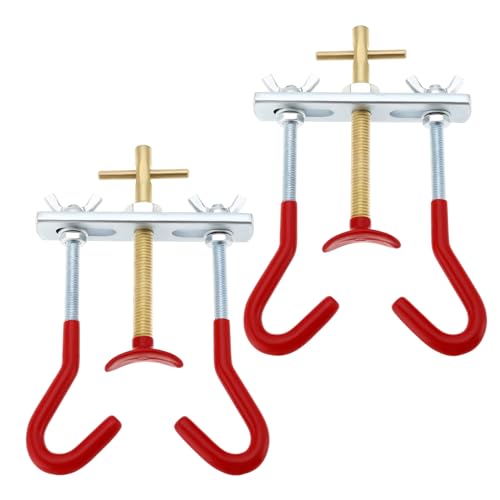
Micro Traders 2Pcs Tree Branch Modulator DIY Bonsai Pruning Kit Carbon Steel Shapes Adjust Trimming...
- 1. Versatile and Adjustable: Our Bonsai Branch Trunk Bender is a must-have tool for any bonsai enthusiast. With its adjustable design, you can easily shape and style your...
- 2. Premium Quality Materials: Crafted from high-quality carbon steel, our Bonsai Branch Trunk Bender offers exceptional durability and strength. It is designed to...
- 3. Safe and User-friendly: The Bonsai Branch Trunk Bender features a soft plastic wrap that effectively protects the tree's bark while ensuring a secure grip. The...
The 2Pcs Tree Branch Modulator DIY Bonsai Pruning Kit is an excellent choice for bonsai enthusiasts who want precise control while shaping their trees. This kit is made from high-quality carbon steel, ensuring durability and strength. You’ll appreciate the soft plastic wrap that protects the bark, giving you a secure grip while you work. The ergonomic design allows for comfortable use, reducing effort when bending branches. The sturdy crossbar provides reliable support for efficient shaping. Whether you’re tackling small bonsai projects or enhancing your home garden, this kit is versatile and perfect for all your pruning needs. Happy trimming!
Best For: Bonsai enthusiasts seeking precise control and comfort while shaping their trees.
Pros:
- Made from high-quality carbon steel, ensuring durability and strength.
- Ergonomic design reduces effort and enhances comfort during use.
- Versatile kit suitable for small bonsai projects and home gardening.
Cons:
- May not be suitable for larger trees or more extensive gardening projects.
- Requires some skill and experience in bonsai shaping for best results.
- Limited to specific applications in bonsai and gardening, which may not appeal to all gardeners.
Bonsai Basics: Step-by-Step Guide to Transforming Miniature Trees
For anyone new to the art of bonsai, “Bonsai Basics: Step-by-Step Guide to Transforming Miniature Trees” is an invaluable tool. This guide simplifies bonsai with clear instructions and practical examples. You’ll learn foolproof tree selection, detailed pruning steps, and wiring techniques. The L.I.V.E. Framework helps you develop observation skills and emotional connections to your plants. Plus, you’ll find downloadable Bonus Sheets and video tutorials that demonstrate techniques in real-time. Embrace mindfulness through guided “Moments of Stillness” to enhance your growth experience. With community feedback and real results, this guide supports your journey toward creating beautiful, serene bonsai masterpieces.
Best For: Beginners seeking a simplified, step-by-step approach to bonsai cultivation.
Pros:
- Clear, beginner-friendly instructions and practical examples make learning accessible.
- Includes video tutorials and downloadable Bonus Sheets for enhanced understanding.
- Integrates mindfulness practices that promote personal growth alongside bonsai artistry.
Cons:
- May not provide advanced techniques for experienced bonsai practitioners.
- Could require additional investment in tools and materials for proper practice.
- The emphasis on mindfulness may not appeal to those solely interested in technical aspects of bonsai.
JUNIPER BONSAI GUIDE FOR BEGINNERS

Embrace the art of Juniper bonsai, where creativity and nature intertwine to create stunning miniature landscapes. Start by choosing a healthy Juniper tree, as this sets the foundation for your bonsai journey. Next, learn the basics of watering and placement, ensuring it receives enough sunlight without direct afternoon rays. As you watch your tree grow, explore styling techniques like wiring and pruning to shape its form. Don’t forget to nurture your skills with our illustrated guides and video tutorials. Each chapter offers clear instructions, helping you develop patience and artistry while enjoying the stress-relieving benefits of bonsai care.
Best For: Beginners seeking a rewarding hobby that combines creativity and mindfulness through the cultivation of Juniper bonsai.
Pros:
- Easy-to-follow instructions ensure a smooth learning experience for novices.
- Illustrated guides and video tutorials provide visual support, boosting confidence in styling techniques.
- Stress-relieving benefits of caring for a bonsai enhance personal growth and mindfulness.
Cons:
- Initial investment in materials and tools for bonsai care may be a barrier for some beginners.
- Time commitment required for regular maintenance and styling can be challenging for busy individuals.
- Learning curve may be steep initially, leading to potential frustration without perseverance.
Bonsai Specialist Guide for Home Gardeners
Bonsai trimming guides are perfect for home gardeners looking to cultivate their own miniature trees without overwhelming complexity. Start by learning essential care techniques like watering, feeding, and pruning. It’s vital to pot your bonsai correctly using quality compost. Be attentive to pests and diseases; identify them early and use effective methods to manage them. When choosing your bonsai species, consult the A-Z guide to find the best fit for your space. Finally, think about aesthetics. Display your bonsai thoughtfully, focusing on balance and harmony to enhance its visual appeal. Remember, practice makes perfect, so enjoy the journey!
Best For: Home gardeners seeking to explore and master the art of bonsai tree cultivation with manageable complexity.
Pros:
- Comprehensive coverage of essential care techniques, making it suited for both beginners and experienced gardeners.
- A-Z species guide helps users select the most appropriate bonsai trees for their indoor or outdoor environments.
- Emphasis on aesthetics encourages thoughtful display, enhancing the visual appeal of bonsai creations.
Cons:
- May require consistent dedication and time commitment for successful bonsai maintenance.
- Identifying pests and diseases may still pose a challenge for novice gardeners despite provided strategies.
- Limited regional advice, as some species may not thrive in certain climates without additional guidance.
The Bonsai Beginner’s Bible

If you’re new to the world of bonsai, the “Bonsai Beginner’s Bible” serves as an essential guide to help you navigate this intricate art form. It offers a detailed overview of bonsai’s rich history and growing popularity. You’ll learn crucial cultivation techniques, like shaping with wires, proper watering, and seasonal maintenance tips. The book also tackles common issues, giving you solutions to keep your trees healthy. Additionally, it emphasizes container selection, explaining how the right pot affects growth. With a directory of over 180 bonsai species and helpful photographs, you’ll easily find the perfect tree for your collection.
Best For: Beginners who want to learn and master the art of bonsai cultivation and care.
Pros:
- Comprehensive guide covering all aspects of bonsai cultivation from history to techniques.
- Visual aids provided through photographs to help identify and select various bonsai species.
- Practical solutions offered for common issues, ensuring tree health and longevity.
Cons:
- May be overwhelming for absolute beginners due to the extensive information provided.
- Some techniques might require additional research or practice to master fully.
- Limited focus on very advanced techniques or professional-level bonsai care.
Factors to Consider When Choosing a Bonsai Trimming Guide

When picking a bonsai trimming guide, you should reflect on your experience level and the tree species you’re working with. Choosing the right tools and understanding various pruning techniques can really make a difference. Also, don’t forget to take into account timing and seasonal factors to guarantee your bonsai thrives beautifully!
Experience Level Assessment
Choosing the right bonsai trimming guide involves understanding your experience level and how it influences your learning journey. Assess your familiarity with bonsai care; if you’re a beginner, look for guides with step-by-step instructions and visuals. More experienced individuals should seek out advanced techniques.
Consider your confidence in using bonsai tools. Beginners may benefit from guides that emphasize safety and ease of use. Evaluate the complexity of the techniques; simplified approaches can prevent frustration.
It’s also essential to find resources that align with your learning style, like videos or visual aids. Finally, identify how much time you can dedicate to bonsai care. A suitable guide should reflect your commitment and availability.
Tree Species Consideration
Understanding the specific needs of your bonsai tree species is essential for effective trimming. Different species have unique growth habits that influence trimming techniques. For instance, you’ll prune deciduous trees, like maples, differently than evergreens, such as junipers. Deciduous trees often need pruning in late winter or early spring, while evergreens thrive with summer trims. Recognizing each species’ growth cycles and disease susceptibility can greatly enhance your bonsai’s health. When selecting a trimming guide, look for one that focuses on your specific tree species. This guarantees the techniques you learn are tailored to address their unique requirements. By understanding these factors, you can boost your bonsai pruning success and aesthetic appeal.
Tool Selection Importance
Selecting the right tools for bonsai trimming is essential for achieving healthy and beautiful trees. Start by choosing specialized tools like pruning shears, concave cutters, and bonsai knives, as these are designed for precise cuts. This helps promote healthy growth and minimizes damage. Use high-quality, sharp tools to maintain clean cuts, which are vital for preventing diseases. Look for ergonomic designs to lessen hand fatigue during long sessions, especially if you’re a beginner. Remember, different bonsai species have varying needs, so align your tool choice with your tree’s requirements. Finally, regularly maintain and sharpen your tools to enhance their effectiveness and longevity. Good tools make a big difference in your pruning journey!
Pruning Techniques Overview
Pruning techniques play an essential role in shaping your bonsai and ensuring its health. To start, you should know about structural pruning, which establishes your tree’s shape, and maintenance pruning, which refines it over time. Make sure you’re using the right tools, like sharp pruning shears and concave cutters, for clean cuts that promote healing. Timing is also important; prune deciduous trees in late winter to early spring, while evergreens benefit from late spring or early summer pruning. Additionally, consider wiring your branches to shape them into your desired form. These techniques not only enhance aesthetics but also encourage healthy growth, leading to a thriving bonsai that you’ll be proud of.
Timing and Seasonal Factors
When you’re planning to trim your bonsai, timing is essential for its health and growth. Start your trimming in early spring, just before new growth begins. This helps promote healthy development. For deciduous bonsai, late summer to early fall is also a good time. It allows the tree to heal before colder months set in. If you have tropical or subtropical bonsai, you can trim throughout the year, but be gentler in winter. Pay attention to your specific tree species, as they may require different approaches. Always monitor your tree’s health and growth patterns, ensuring you avoid trimming during stress or dormancy. This careful timing will lead to a thriving bonsai!
Visual Resources Utilization
Choosing the right visual resources can make a big difference in how effectively you learn bonsai trimming. Start with guides that include clear photographs and illustrations. These visuals help you understand intricate techniques and make complex concepts easier to digest. Look for step-by-step images paired with instructions; this combination gives you a solid reference for each stage of trimming. Video demonstrations are also beneficial, as they allow you to see experienced artists in action, showcasing proper techniques you can mimic. Consider guides that offer downloadable bonus sheets too; they can provide templates and checklists, making practice straightforward and organized. Finally, don’t underestimate how visuals can spark your creativity; they’ll help you envision potential styles for your bonsai tree.
Frequently Asked Questions
What Tools Are Essential for Bonsai Trimming?
When it comes to bonsai trimming, the right tools are your best friends. You’ll need sharp bonsai scissors for precise cuts, wire cutters to manage branches, and a root rake for soil health. A good concave cutter helps with branch removal, too. Remember, “A stitch in time saves nine,” so tackle issues early with proper tools. Invest in quality equipment, and you’ll keep your bonsai healthy and thriving as you prune.
How Often Should I Trim My Bonsai Tree?
You should trim your bonsai tree every few weeks during the growing season, typically in spring and summer. This keeps growth healthy and shapes the tree effectively. Focus on removing unhealthy leaves, unnecessary branches, and any growth that disrupts your tree’s silhouette. In late fall and winter, you can reduce trimming frequency, as the tree goes dormant. Keep an eye on its growth, and adjust your trimming schedule as needed. Happy pruning!
Can I Trim My Bonsai During Winter?
Yes, you can trim your bonsai during winter, like sculpting a statue from ice. However, be careful, as trees are dormant then. Focus on removing dead or damaged branches, not the healthy ones. Trim lightly to avoid stress. If you’ve got a tropical species, it might require different care. Remember, each bonsai type has unique needs, so always check what your specific tree prefers. Stay attentive and enjoy shaping your little masterpiece!
How Do I Propagate a Bonsai Tree?
To propagate a bonsai tree, you can use cuttings or seeds. For cuttings, take a healthy branch, about six inches long, and remove the lower leaves. Dip the cut end in rooting hormone, then plant it in well-draining soil. Keep it moist and in indirect sunlight. For seeds, plant them in a seed tray with quality potting mix. Water them gently, and keep the soil slightly damp until germination. Good luck!
What Are Common Mistakes in Bonsai Pruning?
Common mistakes in bonsai pruning include cutting too much at once, neglecting to understand branch placement, and ignoring the tree’s natural shape. You should trim sparingly, taking a few leaves or branches at a time to avoid shock. Always use sharp, clean tools to guarantee healthy cuts and minimize damage. Also, remember to prune at the right time—typically in spring or late summer—so your bonsai can thrive and grow beautifully.


