As an Amazon Associate, we earn from qualifying purchases. Some links on this site are affiliate links at no extra cost to you. Our recommendations are based on thorough research and editorial judgment.


The Ultimate Guide to Bonsai Wiring: 10 Best Tips for Mastering the Art

To master bonsai wiring, start by selecting the right wire size for your tree’s branches. Use anodized aluminum wire for easier bending and shaping. Wrap the wire at a 45-degree angle and monitor it regularly to avoid damage. Remember to remove the wire after 6-12 months to prevent scarring. Be patient, and practice makes perfect. These tips will help you create beautiful shapes, enhancing your bonsai’s health and appearance. There’s more to discover about this fascinating art!
Key Takeaways
- Select the appropriate wire size based on branch thickness; use thinner wires for delicate branches and thicker wires for robust branches.
- Wrap the wire around branches at a 45-degree angle to ensure effective positioning without damaging the bark.
- Monitor wiring regularly to catch signs of growth constriction, and remove wire after 6-12 months to avoid scarring.
- Use anodized aluminum wire for its ease of use and durability; it provides both flexibility in shaping and aesthetic appeal.
- Consider the bonsai style when wiring; each style, such as cascading or informal upright, requires specific techniques to enhance its characteristics.
Bonsai Year-Round Care Planner

When you’re new to bonsai care, the “Bonsai Year-Round Care Planner” is your best ally. This planner helps you understand the critical timing for tasks like repotting and fertilizing. For instance, if you repot in July, it could stress your tree for a year! You’ll find species-specific calendars that guide you on watering and pruning schedules. It even marks critical tasks, so you won’t harm your bonsai. With this planner, you’ll learn to anticipate your tree’s needs, build confidence, and transform your practice from frustration to a fulfilling hobby. It’s a game changer for every beginner!
Best For: Those starting their bonsai journey who need guidance on timing and care practices to ensure healthy tree growth.
Pros:
- Species-Specific Guidance: Tailored monthly calendars for various bonsai species help avoid common mistakes.
- Stress Reduction for Trees: Properly timed actions prevent stress that can harm the tree’s health and growth.
- Confidence Building: Empowers beginners with the knowledge to anticipate tree needs and confidently expand their bonsai collections.
Cons:
- Initial Learning Curve: Understanding the monthly schedules and guidelines may be overwhelming for absolute beginners.
- Requires Discipline: Success depends on the consistency of following timing and care instructions.
- Limited to Specific Species: The planner primarily supports a select few bonsai types, which may not suit all growers’ collections.
The Ultimate Bonsai Handbook: The Complete Guide for Beginners


The Ultimate Bonsai Handbook is the ideal resource for anyone keen to start their bonsai journey. Authored by one of Japan’s foremost experts, this guide offers you over 1,000 photos to illustrate each step for 70 different bonsai types, including pines, maples, and flowering trees. You’ll learn to care for your trees with essential techniques like watering, fertilizing, and pruning. Additionally, you’ll find guidance on selecting the perfect variety for you. As you observe and imitate these processes, you’ll gain confidence and skill, making your bonsai experience both enjoyable and enriching. Start your bonsai adventure with this thorough, insightful handbook!
Best For: Beginners looking to start their bonsai journey with a comprehensive and visually supported guide.
Pros:
- Extensive Visuals: Over 1,000 photos illustrate each step for cultivating 70 types of bonsai.
- Expert Guidance: Authored by a leading expert from Japan, ensuring credible and effective techniques.
- Comprehensive Coverage: Includes essential care techniques, tools, and display methods for successful bonsai cultivation.
Cons:
- Beginner Focused: Advanced bonsai practitioners may find the content too basic.
- Limited to 70 Types: Some may seek information on more exotic or less common bonsai varieties.
- No Digital Format Mentioned: The absence of a digital version may limit accessibility for some readers.
Bonsai Guide for Beginners: Essential Techniques and Care for Bonsai Trees

Bonsai wiring tips are especially valuable for beginners enthusiastic to shape and style their trees effectively. Start by selecting a suitable tree species, as each has unique care needs. Use well-draining soil and guarantee proper watering without over-saturating. For pruning, remove unwanted branches to create balance and shape. When wiring, wrap the wire gently around branches, avoiding damage. Continually check your tree’s light and temperature needs, adjusting as necessary. Throughout the year, provide a consistent feeding schedule and watch for pests. Remember, patience is key; bonsai growing is a journey that requires time and care to reveal stunning results.
Best For: Beginners looking to learn essential bonsai techniques and care practices for successful cultivation.
Pros:
- Comprehensive Guide: Covers everything from basic care to advanced techniques, making it suitable for all skill levels.
- Emphasis on Patience: Encourages a mindful approach to bonsai growing, fostering personal growth alongside tree cultivation.
- Seasonal Care Tips: Provides practical advice for maintaining bonsai throughout different environments and seasons.
Cons:
- Requires Regular Maintenance: Bonsai care demands consistent attention, which may be challenging for some new growers.
- Initial Learning Curve: Understanding diverse techniques and species requirements can be overwhelming for complete beginners.
- Time Investment: Achieving desired results can take time, requiring patience and dedication from the cultivator.
Bonsai Tree Care Guide for Beginners

If you’re new to bonsai or juggling a busy schedule, mastering wiring techniques becomes essential for shaping your trees. Begin with pruning; harness apical dominance and stimulate back-budding to achieve that compact structure. When wiring, choose the right aluminum size, anchor carefully, and bend branches gradually to avoid damage. Familiarize yourself with classic styles like the Informal Upright or Semi-cascade. Adjust your care routine according to the seasons—schedule structural work and monitor for pests. Remember to prioritize light, air circulation, and a consistent wet-dry watering cycle. Stick to these basics, and you’ll enjoy healthy, beautiful bonsai trees.
Best For: Beginners looking for straightforward guidance on caring for bonsai trees without complex procedures.
Pros:
- Easy to understand: The guide provides actionable content that can be implemented in short time frames, making it user-friendly for first-timers.
- Comprehensive coverage: Includes essential techniques for pruning, wiring, and seasonal care to ensure healthy growth.
- Species-specific advice: Offers tailored tips for various bonsai species to help maximize their potential.
Cons:
- Limited depth: May not cover advanced techniques for experienced growers seeking intricate bonsai care details.
- Time constraints: Busy individuals might still find it challenging to maintain consistent routines despite the quick actions suggested.
- Rare plant species: Information may not extend to less common bonsai species, which could be a drawback for collectors.
Bonsai Book for Beginners: How to Plant and Care for a Bonsai Tree

For anyone enthusiastic to plunge into the art of bonsai, understanding how to properly plant and care for your tree is fundamental. Start by selecting a bonsai style that resonates with you, like informal upright or cascading. You can acquire a bonsai plant or seeds from local nurseries. Once you have your tree, choose the right pot and soil to promote growth. Regularly water your bonsai and guarantee it receives adequate sunlight. Be on the lookout for common pests and treat them promptly. Remember, no experience is necessary; embrace the journey and enjoy nurturing your miniature tree. Happy bonsai-ing!
Best For: Beginners or enthusiasts looking to learn about bonsai cultivation and care, regardless of prior gardening experience.
Pros:
- Accessible Guidance: Step-by-step instructions that cater to all skill levels, making it easy for newcomers to start.
- Diverse Styles: Offers insight into different bonsai styles, allowing individuals to choose what resonates best with their personal preferences.
- Comprehensive Care Tips: Provides essential advice on watering, sunlight needs, and pest management, ensuring healthy tree growth.
Cons:
- Time-Consuming: Growing bonsai requires patience and a long-term commitment which may not suit everyone’s lifestyle.
- Initial Costs: Acquiring a bonsai plant or quality seeds, pots, and soil can involve upfront expenses.
- Potential for Frustration: Beginners may experience challenges with pest management or tree maintenance, which can be discouraging.
Anodized Aluminum Bonsai Training Wire Starter Set (5 Sizes)

Anodized Aluminum Bonsai Training Wire 5-Size Starter Set with Canvas Bag - 1.0mm, 1.5mm, 2.0mm...
- EASY TO BEND: Anodized aluminum training wire is easier to bend than copper yet still very strong, making it better for beginner bonsai trainers and convenient for...
- THICKNESS VARIETY: Comes in 5 most popular sizes - 1.0mm, 1.5mm, 2.0mm, 2.5mm, 3.0mm - so you have a variety of sizes on hand to fit your branches of different...
- 147 FEET OF WIRE: 75 feet of 1.0mm, 34 feet of 1.5mm, 18 feet of 2.0mm, 12 feet of 2.5mm, and 8 feet of 3.0mm. Each roll is 50g. This pack comes with 5 rolls total.
Anodized Aluminum Bonsai Training Wire Starter Set offers a valuable tool for both novice bonsai enthusiasts and seasoned artists looking to refine their skills. This set includes five sizes—1.0mm, 1.5mm, 2.0mm, 2.5mm, and 3.0mm—covering a variety of training needs. Made from anodized aluminum, it’s easy to bend yet strong enough to hold your branches in place. You’ll receive 147 feet in total, with each roll expertly packed in a stylish drawstring canvas bag. Choose from three attractive colors to suit your aesthetic. Embrace this essential tool, and your bonsai will flourish beautifully with guidance!
Best For: This product is best for both beginner bonsai trainers and experienced bonsai artists looking to enhance their skills.
Pros:
- Versatile Sizes: Includes five different wire sizes to accommodate various bonsai training needs.
- Durable Material: Made from anodized aluminum, providing both ease of bending and strength for reliable branch positioning.
- Stylish Storage: Comes in a drawstring canvas bag, making storage convenient and visually appealing as a gift.
Cons:
- Limited Lengths per Size: Some sizes have less wire footage, which may not be sufficient for larger projects.
- Color Options May Not Suit Everyone: The available colors may not align with every bonsai enthusiast’s aesthetic preference.
- Learning Curve: Beginners may require time to learn effective techniques for using training wire properly.
Bonsai (101 Essential Tips)

Bonsai wiring tips are ideal for beginners looking to shape and style their miniature trees effectively. Start by choosing the right size wire—thinner gauges are better for small branches, while thicker ones suit larger limbs. When wiring, wrap the wire around the branch at a 45-degree angle, ensuring it’s not too tight. This way, your tree won’t be damaged, and you can easily adjust its shape later. Remember to wire branches in the direction you want them to grow. Regularly check your bonsai’s progress and adjust as needed. With patience and practice, you’ll soon master the art of bonsai!
Best For: Beginners looking to effectively shape and style their bonsai trees through wiring techniques.
Pros:
- Easily accessible guidance on choosing the right wire for different branch sizes.
- Clear instructions on how to wire branches at a safe angle without damaging the tree.
- Encourages progress checks, allowing for adjustments and fostering patience in bonsai cultivation.
Cons:
- May require practice, as mastering wiring techniques can take time.
- Limited to beginners, potentially leaving out advanced techniques for experienced enthusiasts.
- Need for the right tools, which might be an additional purchase for some beginners.
Anodized Aluminum Bonsai Training Wire Starter Set (5 Sizes)

Anodized Aluminum Bonsai Training Wire 5-Size Starter Set with Canvas Bag - 1.0mm, 1.5mm, 2.0mm...
- EASY TO BEND: Anodized aluminum training wire is easier to bend than copper yet still very strong, making it better for beginner bonsai trainers and convenient for...
- THICKNESS VARIETY: Comes in 5 most popular sizes - 1.0mm, 1.5mm, 2.0mm, 2.5mm, 3.0mm - so you have a variety of sizes on hand to fit your branches of different...
- 147 FEET OF WIRE: 75 feet of 1.0mm, 34 feet of 1.5mm, 18 feet of 2.0mm, 12 feet of 2.5mm, and 8 feet of 3.0mm. Each roll is 50g. This pack comes with 5 rolls total.
If you’re new to the art of bonsai, the Anodized Aluminum Bonsai Training Wire Starter Set is an excellent choice. This set includes five sizes of wire, totaling 147 feet, making it perfect for your various training needs. You get 1.0mm, 1.5mm, 2.0mm, 2.5mm, and 3.0mm wires, each clearly labeled for easy selection.
Using anodized aluminum means it’s easier to bend compared to copper. This feature is helpful for beginners and pros alike. Plus, the set comes in a convenient drawstring bag, so you can store it neatly. Choose from stylish colors that enhance your bonsai’s natural beauty!
Best For: This product is best for both beginners looking to learn bonsai techniques and experienced artists seeking reliable training wire.
Pros:
- Easy to Bend: Anodized aluminum wire is more pliable than copper, making it suitable for all skill levels.
- Variety of Sizes: Includes five different sizes, catering to diverse branch thicknesses for effective training.
- Stylish Storage: Comes in a stylish drawstring canvas bag for organized and convenient storage.
Cons:
- Limited Length Options: The longest wire is only 75 feet, which might not be sufficient for larger projects.
- Weight Restrictions: Each roll weighs 50g, which may be a consideration for users who prefer lighter materials.
- Color Availability: While stylish, the color options may not match every bonsai tree species aesthetically.
Introduction to Bonsai: The Complete Illustrated Guide for Beginners

For those who are just stepping into the world of bonsai, “Introduction to Bonsai: The Complete Illustrated Guide for Beginners” is the ideal resource. This thorough guide offers over 2,000 illustrations to help you understand bonsai care visually. Monthly maintenance schedules simplify your tasks, including watering, pruning, and wiring, giving you step-by-step timelines throughout the year. You’ll also find clear diagrams demonstrating techniques for each process. This book covers over 40 popular bonsai types, from flowering to fruiting trees, making it accessible and informative. It truly simplifies bonsai care, helping you build confidence as you grow your bonsai journey.
Best For: Beginners looking to learn and master the art of bonsai with a comprehensive visual guide.
Pros:
- Provides over 2,000 illustrations, enhancing understanding of bonsai care.
- Includes detailed monthly maintenance schedules, making care tasks easy to follow.
- Covers a wide variety of over 40 bonsai types, catering to different interests and preferences.
Cons:
- May be overwhelming for complete novices due to the extensive information provided.
- Focused primarily on beginners, which might not satisfy advanced bonsai enthusiasts.
- Some techniques may require additional practice beyond what is illustrated in the guide.
Bonsai: A Comprehensive Guide to Growing and Caring for Bonsai Trees
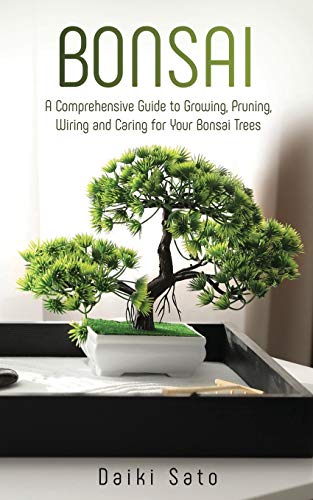
Cultivating bonsai can be an incredibly rewarding experience, especially for those enthusiastic to learn the art of shaping these miniature trees. Start by exploring different bonsai styles and finding one that suits your taste and skill level. Choose a tree type that matches your lifestyle, like a Ficus or Juniper, and gather essential tools such as pruning scissors and wire. When potting, consider drainage and soil type for healthy growth. Regularly practice wiring and pruning to maintain your tree’s shape and health. With patience and care, you’ll create stunning bonsai that enhance your space while providing a relaxing hobby.
Best For: Individuals seeking a rewarding hobby that combines creativity and relaxation through the cultivation of miniature trees.
Pros:
- Promotes mindfulness by allowing individuals to focus on the intricate details of tree shaping and care.
- Flexible for skill levels, accommodating both beginners with simpler varieties and experts with more challenging species.
- Enhances living spaces with beautiful, natural decor that can be personalized.
Cons:
- Time-consuming as bonsai gardening requires consistent care and patience for optimal growth and aesthetic appeal.
- Initial costs for tools, soil, and pots can add up, especially for those just starting out.
- Requires knowledge on specific care needs which can be overwhelming for new gardeners without guidance.
Factors to Consider When Choosing a Bonsai Wiring Guide

When you choose a bonsai wiring guide, consider a few key factors. Wire material and flexibility matter for how well you can shape your tree, while size variations impact what you’ll need for different bonsai styles. Understanding application techniques, maintenance, and removal guidelines will also help you wire your bonsai effectively without causing damage.
Wire Material and Flexibility
Selecting the right wire material and flexibility is essential for successful bonsai training. Anodized aluminum is popular among beginners because it’s lightweight and easy to bend. This wire is coated to prevent rust and can take multiple bends without breaking, allowing for precise shaping. On the other hand, copper wire is more durable but can be tricky to handle due to its stiffness. Be careful, as it can bite into the bark if left too long. Remember to choose wire thickness based on your tree branches. Use thinner wires (1.0mm to 2.0mm) for smaller branches and thicker ones (2.5mm to 3.0mm) for larger branches. Proper sizing guarantees support without damaging your bonsai.
Size Variations and Uses
Choosing the right wire size is critical for the success of your bonsai wiring. Wire typically ranges from 1.0mm to 3.0mm. Smaller sizes, like 1.0mm and 1.5mm, suit delicate branches and young saplings, allowing for intricate shaping. For medium-thickness branches, opt for 2.0mm or 2.5mm; these sizes balance strength and ease of use. If you’re dealing with robust branches, 3.0mm wire provides the necessary strength to secure your design without risking breakage. It’s essential to match the wire size to the branch thickness to enhance the aesthetics of your bonsai. This careful selection promotes healthy growth and prevents long-term damage. Take the time to choose wisely, and your bonsai will thrive.
Application Techniques and Tips
To achieve the best results when wiring your bonsai, understanding a few key application techniques will make your experience smoother and more successful. First, choose the right gauge of wire; use thinner wires (1.0mm to 1.5mm) for delicate branches and thicker ones (2.0mm to 3.0mm) for sturdier trunks. When bending branches, take micro-steps to avoid breaking the wood, ensuring gradual shaping. Secure the wire cleanly around the trunk or branch, but don’t apply too much pressure to protect the bark. Monitor your wiring closely, and remove it once you’ve achieved the desired shape, usually within a few months. Finally, consider using guy-wires alongside training wire for larger branches to keep everything stable without excessive force.
Compatible Bonsai Styles
When exploring bonsai styles, understanding how wiring techniques align with each style’s unique needs is essential. For example, cascading styles require flexible wiring to support dramatic downward branches. Informal upright styles benefit from wiring that promotes natural asymmetry. On the other hand, literati styles need minimal wiring, focusing on placements that enhance their twisted trunks. If you’re working with slanting styles, aim to highlight the tree’s tilt with strategic wiring. Additionally, consider wire size: thicker styles need stronger gauge wires for larger branches, whereas delicate styles thrive with thinner wires to prevent damage. Matching your wiring technique to the specific bonsai style will help you achieve the desired visual impact and health for your tree.
Maintenance and Removal Guidelines
Wiring your bonsai isn’t just about shaping; it also involves careful maintenance and timely removal to keep your tree healthy. Remember to check your wiring every few weeks to look for signs of constriction or growth. Don’t leave the wire on for more than 6-12 months, as this can lead to wire scars and damage. When you’re ready to remove the wire, use wire cutters to snip it at tension points instead of pulling it off, which can harm your branches. After removal, apply protective wax to any exposed wounds; this helps your tree heal and avoids infection. Always plan for your bonsai’s future growth to guarantee the wire placement supports your desired shape.
Frequently Asked Questions
How Long Should I Leave the Wiring on My Bonsai?
You should leave the wiring on your bonsai for about six months. If you notice the branches starting to lose their shape, it’s time to remove the wire. Keep an eye on the tree; the longer you leave it on, the more it can cut into the bark. You can check the wiring frequently, and if you see signs of discomfort, take it off sooner to avoid damage.
Can I Use Copper Wire Instead of Aluminum for Bonsai Wiring?
Yes, you can use copper wire for bonsai wiring, but it has some differences from aluminum. Copper’s stronger and can hold shapes more permanently, but it might damage your tree’s bark if left on too long. When using copper, be careful with the tension and monitor your bonsai closely. If you’re new to wiring, aluminum’s often easier to work with. Experiment with both and see which you prefer!
What Tools Do I Need for Bonsai Wiring?
For bonsai wiring, you’ll need a few essential tools. Start with bonsai wire in copper or aluminum, which you can purchase in different gauges. Next, grab a pair of wire cutters to trim the wire accurately. You’ll also want pliers for bending and shaping the wire around your branches. Finally, a clean workspace helps you stay organized while you work on your bonsai. Happy wiring!
When Is the Best Time to Wire My Bonsai Tree?
The best time to wire your bonsai tree is during its growing season, typically in spring or early summer. This is when the branches are flexible and easier to shape. Remember, don’t wire when the tree is dormant, as branches can break easily. Also, check the plant regularly after wiring, as you’ll need to remove the wire after a few weeks to avoid damage. Happy shaping! Your bonsai will flourish with your care.
Is Wiring Harmful to My Bonsai’s Health?
Wiring isn’t harmful to your bonsai’s health when done correctly. It can actually help shape and guide growth. To avoid injury, use the right gauge wire and check regularly for signs of wire digging into the bark. Aim to wire your bonsai just enough to hold its shape without constricting growth. Remember, practice makes perfect, so don’t be discouraged if you face challenges in the beginning. Just keep learning and adjusting!


