As an Amazon Associate, we earn from qualifying purchases. Some links on this site are affiliate links at no extra cost to you. Our recommendations are based on thorough research and editorial judgment.

How to Use Soil Sieves and Scoops When Repotting Bonsai

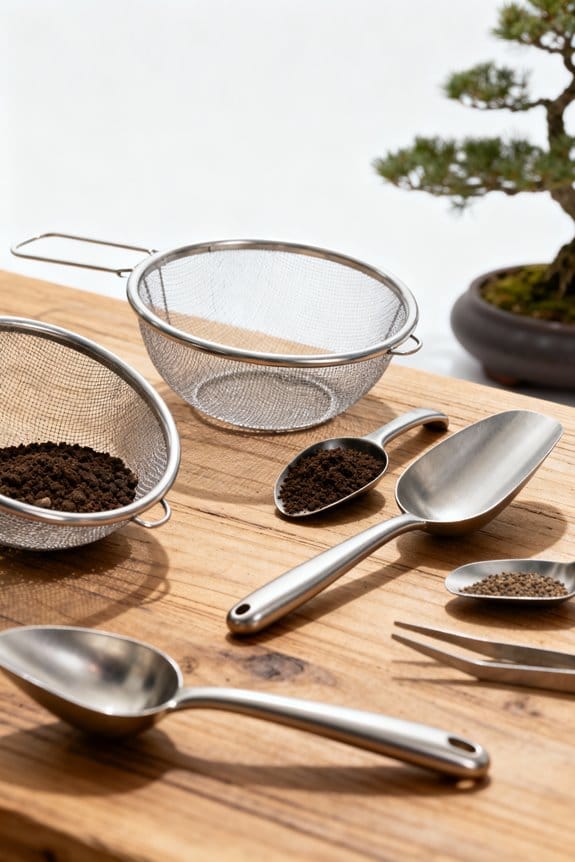
When repotting bonsai, use soil sieves to separate fine particles and larger components. This improves aeration and drainage. Employ different mesh sizes, like 3mm, 5mm, and 7mm, to achieve the right soil mix. Soil scoops are useful for transferring soil into pots, so select one that fits your pot sizes. Avoid overloading the scoop to maintain control. Proper techniques enhance the repotting experience, and more tips are available to refine your approach.
Key Takeaways
- Use soil sieves with various mesh sizes (3mm, 5mm, 7mm) to separate different particle sizes and improve soil aeration.
- Prepare a designated sieving area with a wheelbarrow for efficient collection and avoid soil compaction by using gentle shaking motions.
- Choose the right size soil scoop for transferring soil, using larger ones for big transfers and smaller ones for precision adjustments.
- Clean soil scoops after each use to prevent residue buildup, ensuring smooth transitions between pots and soil mixes.
- Regularly sieve and scoop to maintain high-quality soil, enhancing drainage and nutrient availability for healthy root growth.
The Role of Soil Sieves in Bonsai Repotting
When preparing to repot bonsai trees, using soil sieves plays an important role in creating the ideal growing medium. Soil sieves help remove old soil and fines from materials such as stone or bark. This process is vital, as it guarantees peak drainage holes and prevents soil compaction. Different mesh sizes, like 3mm, 5mm, and 7mm, target specific particle sizes for better aeration and moisture retention. Confirming a well-balanced mix supports the root system’s health during the transplant process. It’s also a good idea to sieve the soil before repotting to minimize drying, keeping roots moist. Additionally, an effective sieving system eases the physical strain of handling materials, making the repotting experience more efficient overall. Choosing the right bonsai mortar mix is essential, as it ensures proper drainage and aeration, which are crucial for preventing waterlogging and root rot.
Recommended Products

【METAL MATERIAL】This soil sifter is made of metal iron, sturdy and durable with strong load-bearing and deformation resistance. It withstands impact and friction from sand, stones and soil without easy damage. Measuring 39×19.5×2.75 inches, its large screen handles more materials at once for higher efficiency.
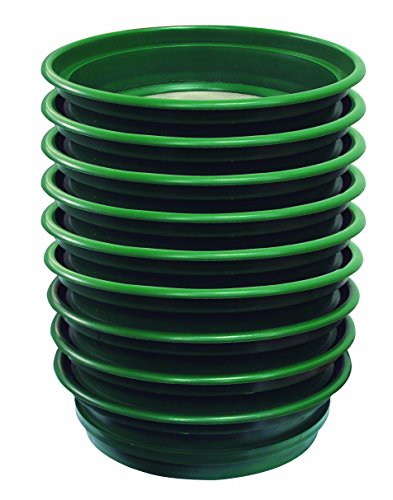
Complete Classification Kit Includes 9 stackable sifting pans with mesh sizes from 1/100" to 1/2", optimizing gold recovery and material sizing

【40W 110V Speed Regulation – Precision Rock & Compost Sifter】Adjustable 40W vibration motor lets you dial in the perfect speed. Low for gentle compost sifter for sand, high for fast gravel sifter duty. This isn’t just a soil sifter—it’s a versatile rock sifter and compost sifter in one.
Selecting the Right Soil Scoops
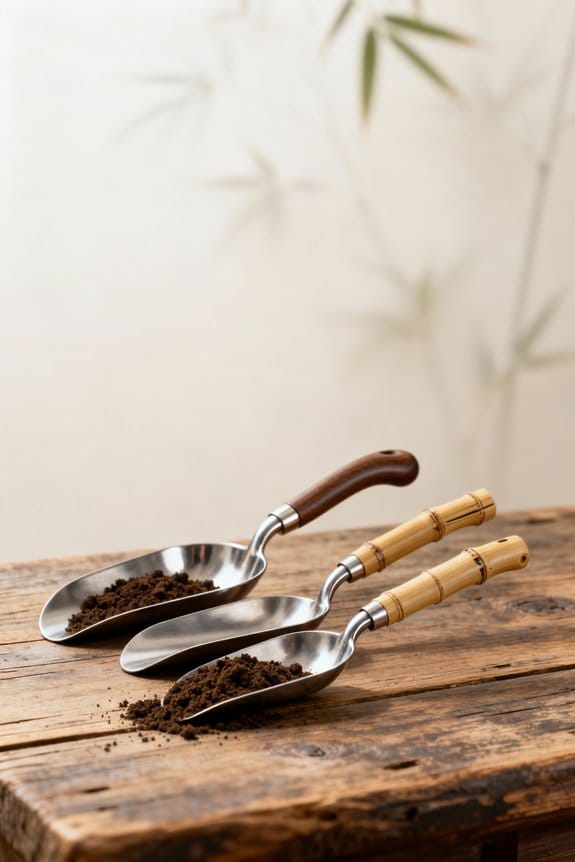
After preparing the soil with the help of sieves, the next step in repotting bonsai trees involves selecting the right soil scoops. These tools come in various sizes, making it easy to match the scoop to the bonsai pot and root ball. Sharp angles on the scoops help maneuver soil around old roots, allowing for a smoother transfer into the pot. For larger soil transfers, use bigger scoops, while smaller scoops are ideal for making precise adjustments around the roots. Additionally, a nesting design is beneficial for organization, letting you store them without clutter. Choosing high-quality soil scoops guarantees durability, essential for those practicing the art of bonsai regularly. Lightweight options that maintain sturdiness are ideal for reducing fatigue during prolonged use while ensuring efficient soil transfer.
Recommended Products


【SPECIFICATIONS】Ideal for beginners.【 Bonsai Satsuki Scissors 】 - Size: L 7.08 x W 3.74 x H 0.67 in (180mm x 95mm x 17mm) | Length of Blades: 2.04inches(52mm) | Weight: 5.5oz (156g) | Material: S58C black carbon steel | Color: Traditional Black | Inscription of our brand name in Japanese characters. 【 Stainless Tweezers with Rake 】- Size: L 8.66 x W 1.18 x H 0.98 in (220mm x 30mm x 25mm) | Weight: 1.5oz (43g) | Material: Stainless steel.
Techniques for Effective Soil Sieving
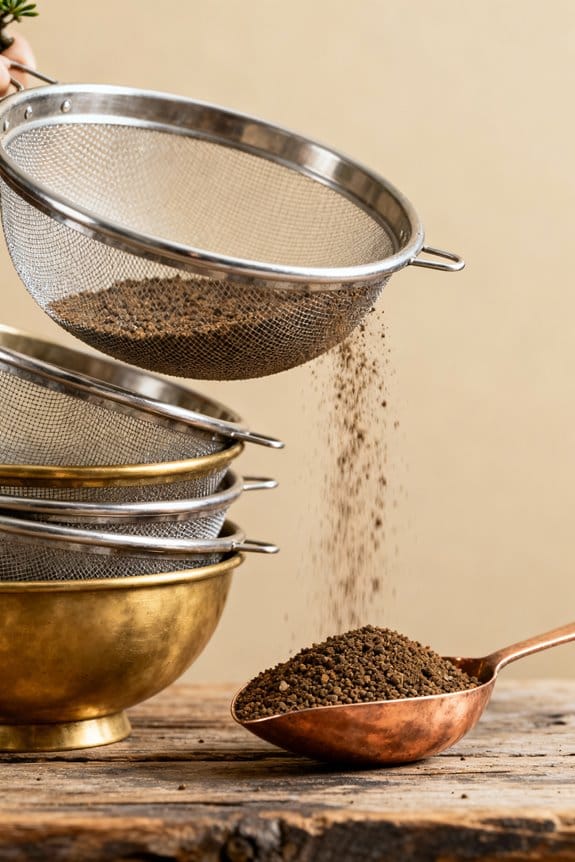
Effective soil sieving is a crucial step in preparing the right mix for bonsai trees. Using a soil sieve with multiple mesh sizes, such as 3mm, 5mm, and 7mm, helps separate different soil particle sizes effectively. This guarantees proper drainage and moisture retention for the health of the bonsai. It is beneficial to prepare a sieving area with a wheelbarrow underneath, allowing for efficient collection of sifted soil. Employ gentle shaking and tapping motions to prevent over-compaction, which maintains air pockets essential for healthy root growth. Processing soil in smaller batches, like a 25-pound bag, helps reduce fatigue and assures ideal soil quality. Regular maintenance, including cleaning and sharpening, improves tool longevity and performance. Finally, regularly cleaning the sieve prevents buildup, guaranteeing continued effectiveness for future sieving tasks.
Recommended Products
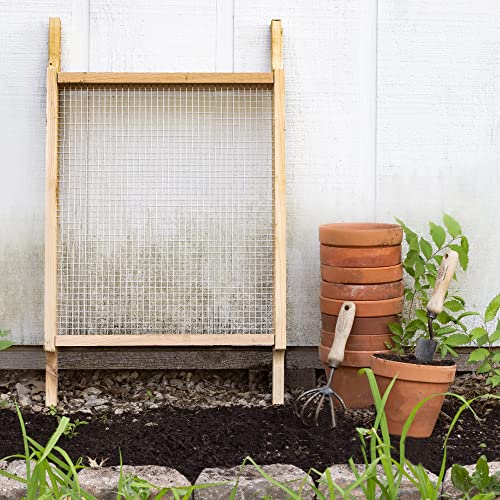
MADE FROM SUSTAINABLE CEDAR LUMBER. Ideal material for outdoor use - Naturally resists the rot and decay that can happen with four seasons.

2-in-1 Dual Mesh Screens with Wooden Divider: This upgraded soil sifter combines 1/2 inch coarse mesh and 1/4 inch fine mesh in one unit, separated by a solid wooden divider. The simple yet effective wooden partition keeps the two meshes fully isolated, ensuring no mixing during screening. Easily switch between sifting larger clumps and fine particles—ideal for diverse gardening tasks such as preparing seedbeds, filtering compost, or refining soil for potted plants.
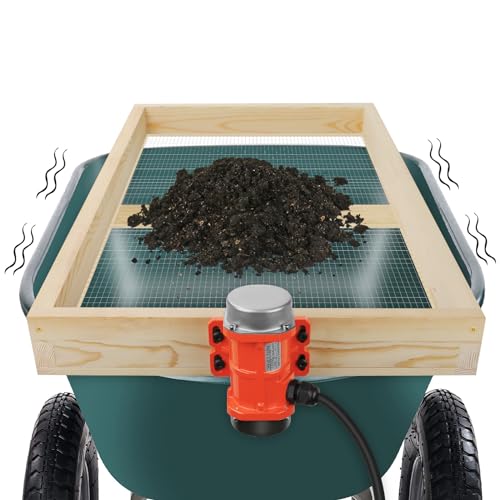
【Automated Vibration Screening】Unlike traditional manual soil sifting, which can be tedious and physically demanding, this product is equipped with a powerful 30W vibration motor that automates the soil screening process, reducing manual labor and increasing efficiency.
Best Practices for Using Soil Scoops
Soil scoops play an essential role in the repotting process for bonsai enthusiasts, offering an efficient means to transfer soil into pots. These tools come in various sizes and boast sharp angles, helping users navigate around trees’ roots without causing damage. When filling a soil scoop, it is important to avoid overloading, ensuring control and preventing soil spillage. Additionally, using nesting designs for scoops can help organize and store them efficiently, making shifts between pots and soil mixes smoother. After each use, cleaning soil scoops is essential to avoid residue buildup, which could impact the quality of future soil mixes. By following these best practices, bonsai lovers can enhance their repotting experience greatly. As most bonsai kits designed for indoor gardening cater to beginners, utilizing the right tools like soil scoops can significantly improve the overall bonsai gardening experience.
Recommended Products

Includes patented Root Slayer shovel with inverted V cutting blade tip and root-cutting rip saw teeth to easily dig through sod and roots (Root Slayer shovel)

Complete 6-Piece Bonsai Tool Set for All Skill Levels: This professional bonsai kit includes the essential tools hobbyists and serious growers need—Concave Cutter, Knob Cutter, Pruning Shears, Trunk Splitter, Root Rake, and Precision Tweezers—designed for pruning, styling, wiring, and repotting. Perfect for shaping pines, junipers, maples, azaleas, and more.

Consisting of Multiple Tools: this bonsai tool kit with a roll bag includes 6 tools, including 1 knob cutter, 1 trunk splitter, 1 concave cutter, 1 wire cutter, 1 jin pliers and 1 bonsai scissors; This wide array of tools caters to your every need, making your bonsai crafting effortless and fun
Enhancing Soil Quality for Healthy Root Growth
When aiming for healthy root growth in bonsai, enhancing soil quality is crucial to the plant’s overall success. Soil sieving plays a significant role by removing fine particles that contribute to compaction, promoting better aeration and moisture retention. Using mesh sizes such as 3mm, 5mm, and 7mm helps create a balanced soil mix, allowing for effective drainage while keeping moisture at the top. This is particularly important for sustaining the root ball of the bonsai tree. Additionally, incorporating quality soil tailored to specific bonsai species boosts nutrient availability, fostering the development of fine feeder roots. Regularly employing soil sieves and scoops during repotting guarantees ideal soil quality and a structured approach, enhancing root growth and plant health. To ensure the best results, consider the importance of quality bonsai soil, which supports healthy growth and prevents root rot.
Frequently Asked Questions
What Is the Rule of 3 in Bonsai?
The Rule of 3 in bonsai emphasizes three focal points, enhancing tree balance. In bonsai tree care, it aids in root pruning and container selection, ultimately influencing soil types and fertilization techniques during ideal repotting timing.
How to Properly Repot a Bonsai?
To properly repot a bonsai, employ suitable potting techniques, select appropriate soil, prune roots as needed, time repotting effectively, choose the right container, and apply fertilizer post-repotting for ideal growth and health.
How to Sift Bonsai Soil?
To sift bonsai soil effectively, one must identify appropriate soil types, apply sieve techniques, choose suitable materials, utilize scoop usage for efficiency, and incorporate amendments to enhance moisture retention and create a healthy environment for bonsai roots.
Should You Water Bonsai Right After Repotting?
Watering bonsai right after repotting is essential for water uptake and minimizes root stress. Timing is important, balancing soil drainage and pot size, while employing careful techniques guarantees ideal tree recovery and health post-repotting.