As an Amazon Associate, we earn from qualifying purchases. Some links on this site are affiliate links at no extra cost to you. Our recommendations are based on thorough research and editorial judgment.


How to Choose a Grow Light for Indoor Bonsai

Choosing a grow light for indoor bonsai involves understanding their light needs. Most bonsai require 10 to 15 hours of light daily. LED grow lights are a great option, as they are energy-efficient and mimic sunlight. Position the light 12 to 18 inches above the foliage for best results. Monitor plant health regularly, looking for signs of too much or too little light. With attention to these details, one can create an ideal environment for their bonsai’s growth.
Key Takeaways
- Choose a full spectrum LED grow light to mimic natural sunlight for optimal bonsai growth.
- Opt for energy-efficient LED lights that produce low heat, making them ideal for beginners.
- Ensure the light intensity is between 100–300 µmol/m²/s during the active growth phase.
- Maintain a distance of 12–18 inches above the foliage to avoid light burn.
- Use timers to provide a consistent 10–15 hours of light daily for healthy bonsai.
Understanding the Light Requirements for Indoor Bonsai
Understanding the light requirements for indoor bonsai is fundamental to their growth and wellbeing. Indoor bonsai trees typically need 10 to 15 hours of light daily for ideal health. Adequate light exposure is imperative, as insufficient lighting can lead to leaf drop and pest problems. Different species have varying needs; some thrive under high light intensity, while others can survive with less. In winter, when natural sunlight diminishes, artificial lighting becomes essential. Many growers use LED grow lights, which mimic the light spectrum of sunlight, specifically between 5,000 and 10,000 Kelvin, to support photosynthesis. Maintaining the right light conditions in the growing area will greatly enhance the vitality of bonsai trees and guarantee their longevity. Full spectrum grow lights offer benefits such as supporting all growth stages and mimicking natural sunlight, which are vital for indoor bonsai.
Types of Grow Lights and Their Benefits

Selecting the right grow light is essential for achieving healthy indoor bonsai. Among the types of lights available, LED options stand out for their energy-efficient characteristics and low heat output. They provide up to 2.5 µmol/J efficacy and a long lifespan, making them the best light for most beginners. Fluorescent tubes, such as T5 and T8, are budget-friendly and offer even lighting, although bulb replacements happen more frequently than with LEDs. High-Intensity Discharge (HID) lights are powerful and suitable for high-demand bonsai species but come with heat concerns and complexity. Full spectrum lights cover the crucial 400–700 nm range, helping to promote healthy plant growth. Each option has its advantages, allowing for flexible choices based on individual needs. When choosing lighting, consider the importance of environmental impact and sustainability as it relates to your overall bonsai care strategy.
Determining Light Duration and Intensity

How does one determine the right light duration and intensity for indoor bonsai? Most bonsai species require 10–15 hours of light daily, which varies based on the specific tree type. The appropriate light intensity should measure between 100–300 µmol/m²/s at the canopy during active growth. Tropical and subtropical bonsai thrive in moderate to high light levels, while low-light species need less intensity. It’s beneficial to use lights like LED plant options for efficient energy use. Adjusting for seasonal light is essential, especially in winter when natural sunlight diminishes. Monitoring the amount of light can help prevent issues like leaf burn or attracting spider mites, ensuring healthy bonsai indoors. Selecting the right soil composition, such as quality Akadama made from volcanic soil, can enhance oxygen exchange and drainage, contributing to the overall health of indoor bonsai.
Recommended Products

✔【FULL SPECTRUM GROW LIGHT】- AGLEX 800W LED grow light full spectrum consists of 3000K warm light, 5000K white light, 460nm blue light, 660nm red light, 730nm IR light, and 405nm UV light, similar to natural sunlight. It's an excellent full-spectrum grow light for indoor plants, vegetative and flowering stages, 6x6ft growing area
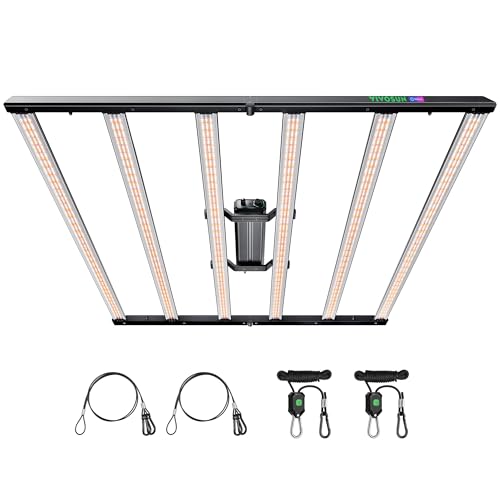
Even, Powerful Light for Full Tent Coverage: The scientifically-arranged light-bar matrix delivers uniform light across the entire canopy; With up to 0.89 uniformity, it reduces hot spots, giving every plant consistent light from edge to edge, ideal for large, high-yield grow setups

【High-Efficiency & Energy-Saving Technology】The BESTVA BP LED light utilizes advanced LED technology to deliver powerful illumination and uniform light distribution, supporting the healthy growth of your indoor potted plants. Compared to traditional HPS lights, it saves up to 50% on energy, making it the perfect energy-efficient choice for home gardening, balconies, and small greenhouses.
Setting Up Your Grow Light Efficiently
Setting up grow lights efficiently is a vital step in nurturing indoor bonsai. Start by selecting a full spectrum grow light that mimics natural sunlight for ideal photosynthesis. Position the light about 12–18 inches above the foliage to prevent leaf burning or stunted growth. Use a light meter to measure light intensity, aiming for a PPFD of 100–300 µmol/m²/s during active growth periods. Install timers for a consistent photoperiod of 10–15 hours daily, ensuring your bonsai’s day/night rhythm remains healthy. Adequate ventilation is essential; use small fans for proper air circulation, which will help prevent heat buildup and reduce pest issues. Incorporating humidity domes can further optimize the growing environment by maintaining moisture levels and preventing root rot. These steps combine to create an effective environment for your bonsai to thrive indoors.
Monitoring Plant Health and Making Adjustments
Monitoring plant health is essential for the success of indoor bonsai. Regular inspections should include checking for light-related issues. Pale leaves may indicate insufficient light, while burned edges suggest too much exposure. Using grow lights for indoor bonsai requires careful adjustment. Aim for about 100–300 µmol/m²/s for active growth by adjusting the height of your grow light, keeping it 12–18 inches above the foliage. Also, monitor the light per day and guarantee your bonsai receives the right hours of light. Periodically rotate the pots for even exposure, promoting uniform growth. Finally, keep an eye on the environment, as air movement and humidity influence how well your bonsai responds to light adjustments. Consider using humidity trays to enhance the microenvironment around the tree, as bonsai beech trees thrive in high humidity environments.
Frequently Asked Questions
What Is the Best Grow Light for Bonsai Trees?
The best grow light for bonsai trees utilizes LED technology, offering full spectrum light with ideal color temperature and intensity control. Features include low heat output, energy efficiency, and a long bulb lifespan, promoting healthy plant growth.
What Is the Rule of 3 in Bonsai?
The Rule of 3 in bonsai emphasizes trunk, branches, and foliage, guiding bonsai styles while considering growth factors like light spectrum, watering techniques, soil composition, fertilizer needs, seasonal care, pest management, and pruning methods for harmony.
Can You Grow a Bonsai Tree Indoors With a Grow Light?
Yes, one can successfully grow a bonsai tree indoors using appropriate grow lights. These lights, particularly LEDs, offer energy efficiency and low heat emission, supporting various tree species through necessary light duration and ideal light spectrum during different growth stages.
How Many Watts Does a Bonsai Need From Grow Lights?
Bonsai typically requires 20 to 50 watts, varying by plant type and growth stage. Energy efficiency, light spectrum, color temperature, placement, and duration specifics, along with heat output, influence the necessary light intensity for healthy growth.