As an Amazon Associate, we earn from qualifying purchases. Some links on this site are affiliate links at no extra cost to you. Our recommendations are based on thorough research and editorial judgment.


How to Combine Bonsai With Kusamono and Accent Plants

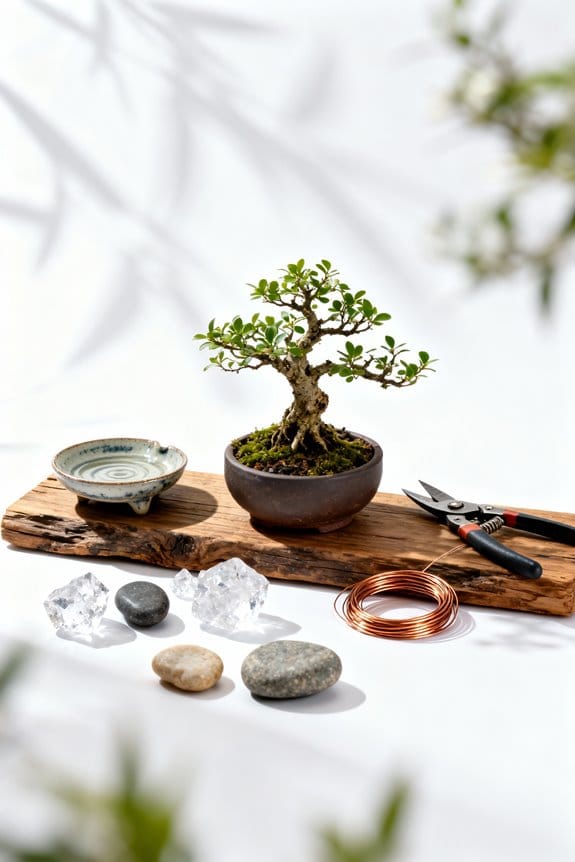
To combine bonsai with kusamono and accent plants, choose compatible species that share origins and seasonal resemblance. Confirm that the size of accent plants complements the bonsai, creating visual balance. Use a harmonious color palette for foliage and blooms. Incorporate elements like moss and stones for added texture. Regularly maintain both plants by watering carefully and checking for pests. These steps will enhance your display and create an engaging focal point that invites further exploration.
Key Takeaways
- Choose kusamono that visually complements your bonsai, considering size and seasonal resemblance for a cohesive display.
- Select accent plants with similar geographic origins to enhance the natural appearance and connection between the elements.
- Arrange plants thoughtfully, ensuring varying sizes and textures to create balance and focus on the primary bonsai.
- Maintain a harmonious color palette, aligning accent plant colors and blooms with the bonsai’s seasonal stage for visual appeal.
- Regularly care for and inspect plants for pests, ensuring optimal growth conditions and enhancing the overall presentation of the arrangement.
Understanding Kusamono and Accent Plants
When selecting plants to complement bonsai displays, understanding the roles of kusamono and accent plants is vital. Kusamono are larger accent plants meant to serve as focal points in the arrangement, drawing attention without overshadowing the bonsai. In contrast, accent plants are smaller companions that add visual interest. When choosing these plants, it is important to take into account principles like seasonal resemblance and size proportion. Ideally, accent plants should share similar origins with the bonsai to create a natural look. Importantly, using non-flowering accent plants alongside flowering bonsai can highlight each plant’s unique features. Regular maintenance, including proper watering and soil care, guarantees both kusamono and accent plants thrive, contributing to an overall harmonious bonsai display. To further enhance your bonsai arrangement, incorporating bonsai moss brushes can aid in maintaining plant health and aesthetics by promoting healthy moss growth through gentle cleaning.
Selecting Compatible Plants

Selecting compatible plants for bonsai displays enhances the overall composition and connection between each element. When choosing accent plants, consider their seasonal resemblance in leaf color, as well as any flowers or fruits they may have. It’s important to guarantee style compatibility; for instance, a windswept bonsai pairs well with less luxuriant plants to maintain balance. Additionally, selecting contrasting plants can create a dynamic display; flowering bonsai should be accompanied by non-flowering accent plants, and vice versa. Also, using accent plants that share similar geographic origins as the bonsai can foster habitat compatibility, adding realism. Finally, pick easy and inexpensive accent plants that complement the bonsai’s aesthetics without overshadowing it. This guarantees that the bonsai remains the focal point. A thoughtful addition could be incorporating miniature figurines to enhance the aesthetic and create a more engaging environment.
Recommended Products

Multi-use Pot: This planter bowl includes a pre-drilled drainage hole and 3-in-1 plug system is included only for Delano 34”. Use without plug for drainage, sealed plug for water gardening or drilled plug for threading a fountain wire underneath.

PLAYFUL FOREST THEME: Bring the magic of the woods into your home with this squirrel succulent pot. Its lifelike bushy tail and curious pose add a playful energy to your indoor plant collection.

HOME DECOR ACCENT: A beautiful lifelike plant perfect to accent any room or space for year-round greenery. Bring an organic twist to your space with the Cedar Bonsai Silk Plant from Nearly Natural. This realistic piece of home decor is an exceptional replica of a traditional bonsai tree, complete with perfectly pruned shrubs. Featuring a decorative planter base with a white bamboo graphic, realistic root structure, a trunk and beautiful artificial bonsai leaves trimmed in life-like form. Made from durable material, it is a breeze to maintain and clean, making this accent ideal for outdoor use as well.
Seasonal Considerations for Your Display

Understanding seasonal considerations is essential for creating an appealing bonsai display. When selecting accent and companion plants, it’s important to verify that their colors and flowering patterns complement the bonsai’s current stage. For instance, contrasting a flowering bonsai with non-flowering accent plants can heighten visual interest. Additionally, accent plants should reflect the bonsai’s native habitat for a more natural appearance. Seasonal changes can enhance the display by mirroring the environment, evoking specific seasonal moods for viewers. The size of accent plants must also align with the bonsai, verifying they don’t overshadow the main focal point. By keeping these seasonal considerations in mind, enthusiasts can create displays that resonate beautifully throughout the year. Adding elements like bonsai animal figurines can further enhance the aesthetic by introducing whimsical touches that complement the overall theme.
Recommended Products
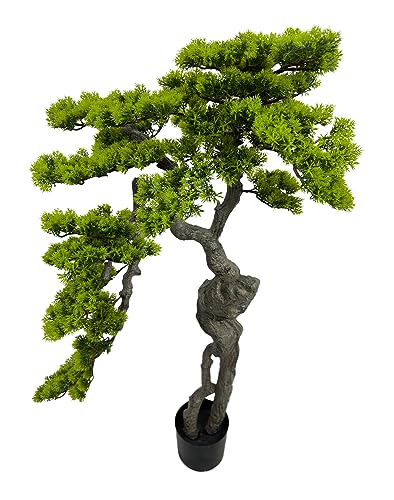
Fake bonsai tree is the communication ancient art and modern art form, precisely pruning various tree and bushes into miniatures that still resemble all the awe of a full sized indoor bonsai tree. This 43inch captivating juniper bonsai tree features the power and tranquility of bonsai trees.

High quality: our artificial Japanese bonsai jewellery is decorated with many details that make this artificial bonsai a fine decoration piece. Plastic bonsai trees are made of high-quality and environmentally friendly materials and are suitable for windowsills, bedrooms, bathrooms, kitchen tables, desks, bookcases, office desks, patios, windowsills, living rooms, hallways, etc.

Golden Gate Ficus Bonsai: Known for a spiraling trunk and lush, dark foliage, this indoor bonsai tree requires basic care—perfect for new enthusiasts.
Presentation Techniques for Maximum Impact
Creating a visually striking bonsai display requires intentional presentation techniques that maximize impact. To achieve this, select a harmonious color palette for your bonsai and accent plantings, ensuring seasonal compatibility in colors and blooms. Choose accent plants with contrasting sizes and textures that complement the bonsai without overshadowing it. Use pots or tiles that match the aesthetic of the bonsai pot, ensuring good drainage for plant health. Incorporating seasonal elements, like moss or stones, around the base of accent plants can enhance the natural feel of the display. Finally, arrange the bonsai and accent plants thoughtfully to reflect an ecological story, perhaps resembling a forest or meadow, creating a compelling and immersive environment for viewers. Adding miniature wooden houses can enhance the overall aesthetic by providing a focal point and adding a touch of whimsy to the composition.
Recommended Products

Please do not water it! What we have is the maintenance-free preserved moss which is made with real, fresh moss. Preserved moss will keep green for many years without any maintenance or water use at all.
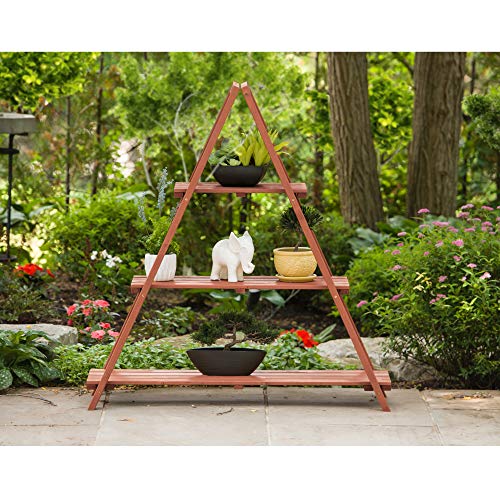
🌱 suits your home motif - create a striking focal point in your household. Our wooden ladder plant stands feature a stylish and modern Pyramid design that will elevate your home aesthetic.

Measure bottom of display item, choose 8.5", 9.5", 10.5", 11.5", 12.5", 14.5", 15.5" diameter
Care and Maintenance of Accent Plants
Maintaining the health and beauty of accent plants is essential for a stunning bonsai display. Regular watering is important, as these plants have limited soil in small pots. A soil mix of one part akadama to five parts nursery potting soil guarantees ideal drainage and nutrients. Proper acclimation also matters; start your plants in the shade for two weeks before exposing them to partial sunlight. Routine maintenance includes inspecting for pests and signs of decay, helping to prevent deterioration. Additionally, surrounding the soil with moss enhances aesthetics and helps retain moisture, promoting overall plant health. Incorporating high-quality peat moss into the soil mix can improve nutrient absorption and create an optimal environment for root growth. These simple steps can greatly improve the longevity and vibrancy of your accent plants, complementing your bonsai beautifully.
Recommended Products

🌳 Created By Bonsai Experts: All-Purpose bonsai soil blend providing optimum growth for your bonsai trees.
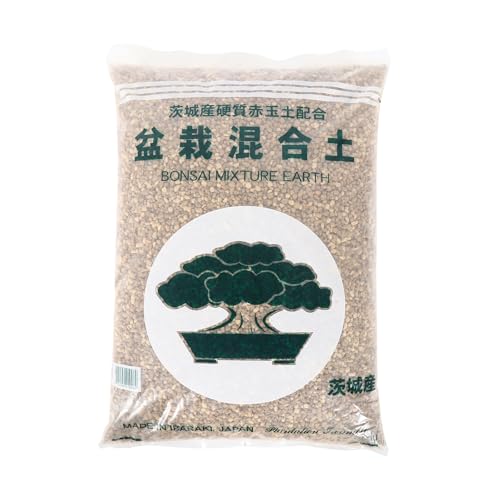
Traditional Japanese potting materials trusted by bonsai masters and plant enthusiasts worldwide. Mimics natural growing conditions, supporting healthy root development for bonsai, succulents, and more

NATURAL RED CLAY FROM IBARAKI, JAPAN - Sourced exclusively from a limited region in Ibaraki Prefecture, this Akadama is made from pure natural red clay with no binders, fillers, or additives. Its mineral composition supports long‑term soil structure for bonsai and specialty plants
Enhancing the Visual Narrative of Your Arrangement
The arrangement of bonsai and accent plants offers a unique opportunity to tell a visual story. To enhance the visual impact of your display, select accent plants that harmonize with the bonsai’s tree type, considering seasonal changes. Coordinating flower colors or foliage variations can create a cohesive narrative. Additionally, choosing plants from similar habitats fosters ecological authenticity. Pay attention to size proportions, ensuring that the bonsai and accent plants complement each other well. Using non-flowering accent plants alongside flowering bonsai, or vice versa, introduces contrast that highlights their unique features. Furthermore, incorporating textures and colors from the bonsai’s origin can further enrich the storytelling experience in the arrangement. This thoughtful approach captivates viewers and enhances the beauty of your display. Selecting organic soil mixes with enhanced aeration and drainage is crucial for preventing root rot and maintaining the health of your bonsai arrangement.
Frequently Asked Questions
What Is the Rule of 3 in Bonsai?
The Rule of 3 in bonsai emphasizes the use of three distinct elements to achieve visual balance. It fosters plant harmony, enhancing bonsai aesthetics through odd-numbered arrangements that engage viewers and evoke a natural beauty.
What Are Companion Plants for Bonsai Trees?
Companion plants benefit bonsai trees by enhancing aesthetics, creating visual harmony. Appropriate varieties depend on the bonsai’s style and seasonal appeal, fostering balance and complementing different bonsai tree varieties while enriching the overall presentation.
What Is the Golden Rule of Bonsai?
The golden rule of bonsai emphasizes harmonious proportions, seasonal compatibility, and suitable plant pairings. This principle enriches bonsai aesthetics, supports effective bonsai care, and reflects the historical significance of creating balance in miniature landscapes.
What Is the Difference Between Kusamono and Shitakusa?
The distinction between Kusamono characteristics and Shitakusa styles lies in purpose; Kusamono celebrates an elaborate ecological narrative, while Shitakusa offers understated elegance. Plant pairing tips emphasize context and harmony to achieve visual perfection in bonsai displays.