As an Amazon Associate, we earn from qualifying purchases. Some links on this site are affiliate links at no extra cost to you. Our recommendations are based on thorough research and editorial judgment.


How to Manage Scale Insects on Bonsai Without Overusing Chemicals

To manage scale insects on bonsai without excessive chemicals, start with regular inspections. Look for yellowing leaves and honeydew. For visible scales, use tweezers or a cotton swab dipped in rubbing alcohol for removal. Apply horticultural oils during dormancy to smother small populations. Create a diverse plant habitat to attract beneficial insects that naturally control scales. Quarantine infested plants and trim severely affected branches to stop the spread. Many effective methods exist to protect your bonsai further.
Key Takeaways
- Conduct regular inspections to identify scale infestations early, focusing on yellowing leaves and honeydew presence.
- Use manual removal techniques such as tweezers and cotton swabs soaked in rubbing alcohol for targeted control.
- Apply horticultural oil sprays during the dormant season to effectively smother small scale populations without harming the plant.
- Encourage beneficial insects like ladybugs and parasitoid wasps in your garden to naturally manage scale populations.
- Implement a diversity of flowering plants around your bonsai to attract natural predators and enhance pest control.
Understanding Scale Insects
Understanding scale insects is vital for bonsai enthusiasts who wish to maintain healthy plants. These small pests, including armored scales, attach themselves to woody plants and suck sap, leading to yellowing leaves and stunted growth. Armored scales are notable for their hard, protective coverings, while soft scales have a waxy surface and excrete honeydew, contributing to sooty mold. Monitoring for these insects involves checking for visible scales and signs of plant stress. Early detection is imperative, as the life cycle includes mobile first instar nymphs, or crawlers, that settle on the plant. Protecting beneficial predators and parasites can help manage scale populations naturally, minimizing the need for chemical treatments and supporting the overall health of the bonsai. Regularly inspecting plants and maintaining balanced humidity levels can also help deter scale insects and enhance the effectiveness of natural control strategies.
Importance of Regular Inspections

Regular inspections play an essential role in managing scale insects on bonsai trees. These pests often go unnoticed until significant damage occurs, making timely checks critical. Adult female scales and nymphs can be hard to see, blending into the plant structure. During regular inspections, it’s important to look for signs such as yellowing leaves, premature leaf drop, and honeydew, all indicating potential infestations. Additionally, paying attention to ants is important, as their presence often signals nearby scale insects. By conducting these inspections routinely, bonsai enthusiasts can establish a baseline for scale populations, allowing for better tracking of trends. Early detection is key to effectively manage scale insects and maintain the health of the treasured bonsai. Implementing eco-friendly options, such as natural pest traps or neem oil, can further enhance bonsai health without relying heavily on chemical treatments.
Hand Removal Techniques

Hand removal techniques offer a practical approach to managing scale insects on bonsai trees. Gardeners should make sure to use tweezers or a soft brush to gently remove visible adult females and larger nymphs. This method works well because it minimizes damage to the plant’s surface. For a more targeted attack, soaking a cotton swab in rubbing alcohol can efficiently kill individual scales on contact. After hand removal, using damp cloths to wipe down infested areas helps eliminate any remaining dead insects, reducing the chance of reinfestation. Regular inspections are essential; check hidden areas, such as between branches and wires, to catch infestations early. Combining these techniques with preventive measures creates a more effective pest management strategy. Additionally, using an Organic Insecticide & Fungicide can aid in controlling pest populations without harming beneficial insects, ensuring a balanced ecosystem around your bonsai.
Recommended Products

CROP, GARDEN & HOUSEPLANT INSECT CONTROL. Trifecta Crop Control all-natural, plant-based formula effectively combats destructive spider mites, aphids, whiteflies, fungus gnats, and other soft-bodied pests on indoor and outdoor plants. Our biodegradable, eco-friendly solution is safe for use on edible crops, without chemical residues. Our gentle yet potent plant spray suffocates and dehydrates pests without harming beneficial insects or the environment, making it ideal for organic gardening.
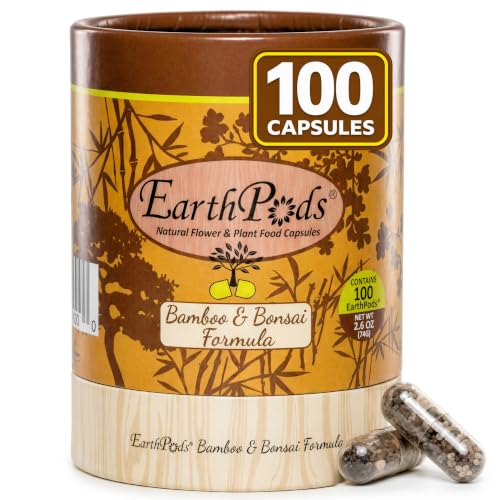
100 concentrated organic bonsai fertilizer capsules deliver balanced, slow-release nutrition straight to the root zone - up to 100 individual feedings per tube for healthy roots, dense foliage, and compact growth.

EFFECTIVE SPIDER MITE, POWDERY MILDEW & PLANT DISEASE CONTROL – Natural miticide and spider mite killer effective against two-spotted spider mites, broad mites, russet mites, whiteflies, aphids, powdery mildew, and downy mildew on vegetables, flowers, houseplants, indoor plants, ornamentals, and garden crops.
Preventative Measures for Healthy Bonsai
To maintain healthy bonsai trees, proactive measures are essential in preventing scale insect infestations. Regular inspections of each tree can identify early warning signs, such as yellowing leaves or discoloration. By noticing these changes promptly, the risk of severe infestations decreases. During dormant seasons, applying horticultural oil sprays can help manage minimal scale populations safely. Additionally, creating a diverse flowering plant habitat can attract beneficial insects, which naturally control scale populations. Quarantining any infested plants and pruning heavily affected branches will further limit the spread of scale. Introducing beneficial insects like ladybugs or parasitoid wasps provides an effective natural defense against scale, reducing reliance on chemicals. Regular application of Steinernema feltiae can also be a beneficial measure as it combats pests like fungus gnats, contributing to the overall health of the bonsai ecosystem. With these preventative measures, bonsai enthusiasts can enjoy healthier trees.
Recommended Products
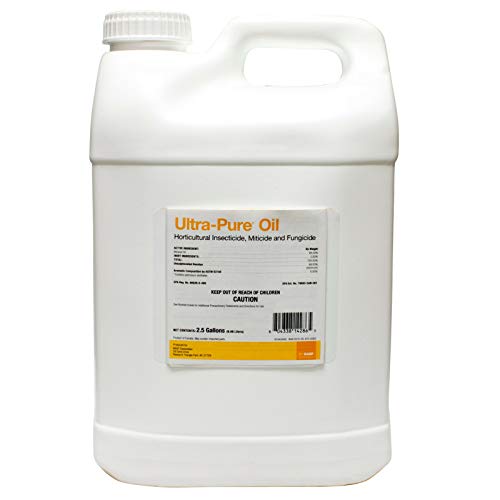
Horticultural Oil: 98% mineral oil insecticide, miticide, and fungicide for comprehensive plant protection; Effective horticultural spray oil
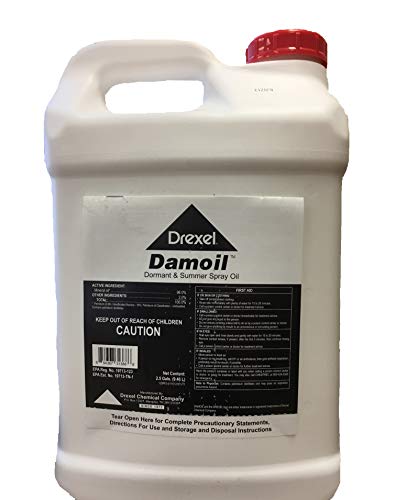
Damoil Oil is an especially refined phytonomic oil contact insecticide. It is for use on plants in foliage or the dormant stage. This product may be applied in conventional hydraulic sprayers, concentrate application equipment, ground applicators or aerial.
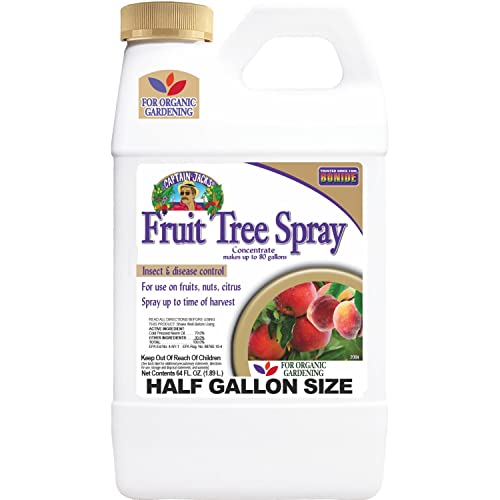
Control diseases and insects in your garden with Captain Jack’s Fruit Tree Spray Concentrate! Use on a variety of listed fruits, nuts and citrus plants.
Effective Control Methods
Managing scale insects effectively requires vigilance and specific strategies tailored to the needs of bonsai trees. Regular inspections for small brown or white lumps, along with honeydew production, help catch infestations early. For light infestations, using a cotton swab dipped in rubbing alcohol can manually eliminate scale insects upon contact. Horticultural oils are beneficial as a proactive measure, applied during dormant seasons to smother scale populations without harming beneficial insects. Introducing beneficial insects, like ladybugs and parasitic wasps, can enhance biological control and diminish reliance on chemicals. Additionally, applying tape traps around infested twigs provides a method to monitor crawler emergence and determine the most effective timing for interventions. Products like Bonide Insecticidal Soap effectively target common pests like aphids and spider mites, offering a safe option for bonsai care. These strategies can help maintain healthy bonsai trees.
Recommended Products

🌱【Ready-to-use Pre-mix】: Simplify repotting your Bonsai and other plants with our premium, fast-draining Bonsai potting soil mix. It comes pre-mixed and sifted for your convenience.

NSECT KILLER - This pest control is great for use on aphids, leaf miners, thrips, leafhoppers, spider mites, scales, whiteflies, mealy bugs and many more. It gives poor control for caterpillar & worms. However, it does control eggs of all insects.
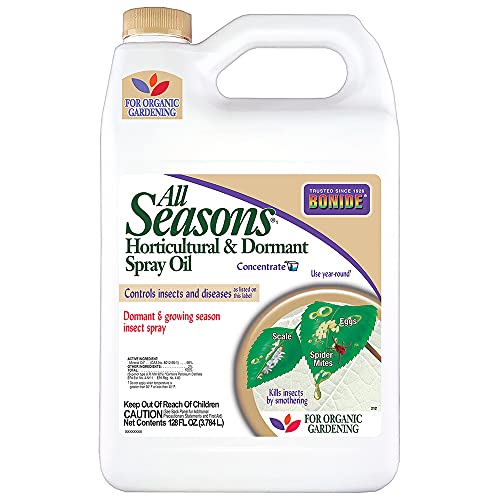
Control insects and diseases in your home garden with All Seasons Horticultural & Dormant Spray Oil Concentrate; use year-round to control listed insects and diseases
Responsible Use of Systemic Insecticides
Systemic insecticides can play a role in managing scale insects on bonsai, but they should be approached with caution. The responsible use of systemic insecticides, like neonicotinoids, is critical. These products should be a last resort, following strict label instructions for dosage and timing to protect beneficial insects and pollinators. Monitoring scale populations regularly allows bonsai caretakers to evaluate the need for treatment, ensuring targeted applications rather than blanket treatments. Annual systemic treatments may help with ongoing protection, but overapplication can create resistance and harm other insects. Emphasizing integrated practices, like introducing natural predators, will enrich the ecosystem around your bonsai while minimizing reliance on chemical methods. Comprehensive kit includes seeds, planters, and pre-fertilized soil in an engaging wooden box, making it easier for beginners to care for bonsai trees. Careful management supports healthy plants and a balanced environment.
Frequently Asked Questions
How to Get Rid of Scale Without Chemicals?
To get rid of scale without chemicals, one can employ natural remedies like hand removal, horticultural oils, and introduce beneficial insects such as ladybugs and wasps, ensuring ongoing biological control of scale populations. Regular monitoring is essential.
What Is the Rule of 3 on a Bonsai Tree?
The Rule of 3 in bonsai care emphasizes arranging elements in threes to create harmony. This guideline enhances visual appeal and can be applied regardless of scale types or other design components within the bonsai composition.
How Do You Make Homemade Scale Treatment?
In a world where scale insects reign supreme, homemade treatments emerge: mix equal parts rubbing alcohol and water, or use horticultural oils diluted with water. Natural remedies provide organic treatments for those daring enough to try!
Does Soapy Water Get Rid of Scale on Plants?
Soapy water can reduce scale insect populations by suffocating them, demonstrating soap effectiveness against scale insect behavior. However, it may not completely eliminate them, emphasizing the need for combined management strategies for better results.


