As an Amazon Associate, we earn from qualifying purchases. Some links on this site are affiliate links at no extra cost to you. Our recommendations are based on thorough research and editorial judgment.


Signs of Fungal Disease on Bonsai Leaves and Branches

Fungal diseases on bonsai plants show clear signs on leaves and branches. Powdery mildew appears as a white or gray coating, usually starting on new growth. Leaf blight causes brown edges and wilting, while irregular dark spots may lead to leaf drop. Cankers develop sunken, discolored areas on branches. To control these issues, regular inspections and treatments are essential. Understanding these symptoms can help maintain a healthy bonsai. More prevention and treatment strategies await your exploration.
Key Takeaways
- Powdery mildew appears as a white or grayish coating on new growth leaves, causing distortion over time.
- Leaf blight results in browning and wilting edges, which can lead to defoliation if untreated.
- Irregular dark spots on leaves indicate potential fungal infections that may cause premature leaf drop.
- Cankers form on branches, marked by sunken, discolored areas that may exude fluid, signaling infection.
- High humidity can accelerate fungal diseases, so maintaining proper air circulation is crucial for bonsai health.
Recognizing Symptoms of Powdery Mildew
Have you ever noticed a strange, powdery substance on the leaves of a bonsai tree? This could be powdery mildew, which typically appears as a white or grayish coating. It often starts on new growth areas. Infected leaves may become distorted or yellowish, causing concern for the health of the plant. If left untreated, powdery mildew can lead to stunted growth or leaf drop. To address this issue, make sure to apply a copper-based fungicide generously to both the top and bottom surfaces of affected leaves. Additionally, proper air circulation is essential. Avoid overwatering and excessive humidity to minimize the recurrence of this fungal disease, ensuring your bonsai remains vibrant and healthy. For added protection, consider using neem-based products, as they are known for their pest control properties, which can help prevent fungal infections from taking hold.
Identifying Common Fungal Infections

Identifying common fungal infections in bonsai trees is crucial for maintaining their health and beauty. One prevalent issue is powdery mildew, which appears as white or grayish powdery spots on leaves, commonly thriving in moist conditions. Leaf blight is another concern, causing edges to brown and wilt, potentially leading to defoliation. Additionally, irregular dark spots on leaves indicate fungal infections that can result in leaf drop if neglected. Bonsai branches may develop cankers, marked by sunken, discolored areas that may ooze, signifying decay. To prevent and identify these fungal infections, closely monitor humidity and moisture levels. It’s important to apply organic fungicides every three to four weeks during the growing season, especially if early signs of fungal issues are observed. Early detection and action are key to safeguarding the health and aesthetics of bonsai trees.
Recommended Products
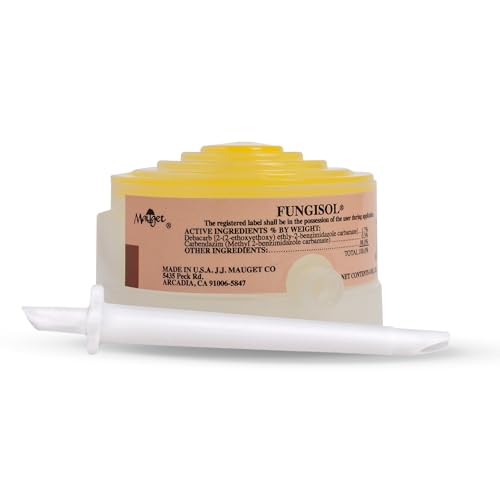
Proprietary fungicide to treat a wide spectrum of fungal diseases.
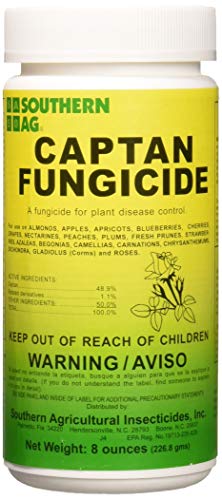
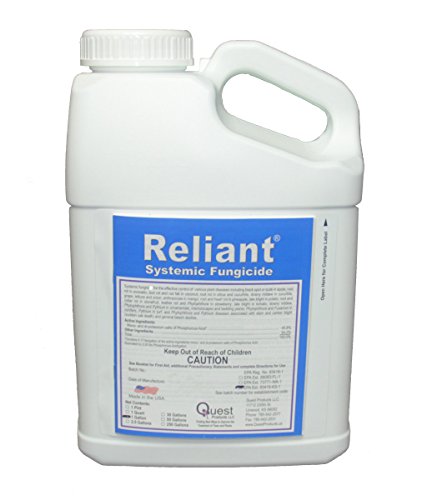
Same formulation & strength as Agri-Fos and Garden-Phos (LG3307)
The Impact of Humidity on Disease Progression

Humidity plays a vital role in the health of bonsai trees, particularly concerning fungal disease progression. High humidity creates an ideal environment for diseases like powdery mildew to flourish on leaves and branches. When moisture remains consistent, it intensifies the spread and severity of fungal infections. To combat this, drying out foliage and stems is essential, as it prevents fungal spores from germinating. Furthermore, monitoring humidity levels is important for bonsai caretakers. Ensuring proper air circulation** can help reduce the risk of fungal disease. Additionally, using copper-based fungicide treatments** effectively combats these diseases, particularly in humid conditions when new growth is most vulnerable to infection. Remember, monitoring and maintaining ideal humidity levels can greatly impact bonsai health.
Prevention Strategies for Bonsai Health
To guarantee the health of bonsai trees, implementing effective prevention strategies is essential. Regular inspection is key; gardeners should monitor their trees for signs of fungal diseases, especially during humid weather. Inspect both sides of the leaves for unusual spots. Ensuring proper air circulation is another important step. Space bonsai trees appropriately to avoid overcrowding. This allows for dry conditions that discourage fungal growth. Additionally, maintain a consistent watering routine by allowing the soil to dry slightly between waterings. Positioning bonsai in areas with ample sunlight helps prevent fungal infections too. These strategies not only safeguard bonsai trees but also promote overall liveliness, creating a thriving environment for growth and health. Consider using Bonide Insecticidal Soap, which is effective against pests like aphids and spider mites, to further maintain the health of your bonsai trees.
Recommended Products

PROVEN BROAD-SPECTRUM FUNGUS PREVENTION: Gunner 14.3 MEC contains 14.3% propiconazole; the same active ingredient as Banner Maxx, the fungicide golf, landscape, and nursery pros trust for proven protection against more than 20 plant fungi.
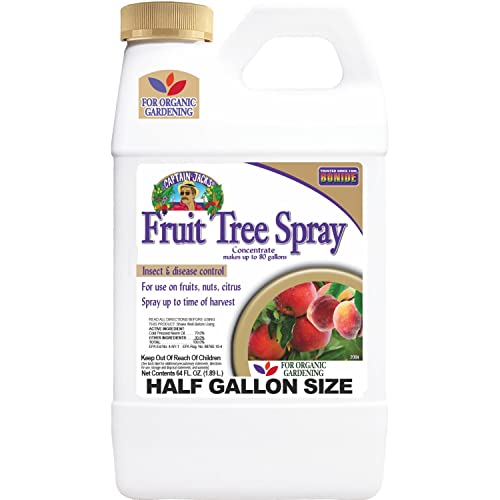
Control diseases and insects in your garden with Captain Jack’s Fruit Tree Spray Concentrate! Use on a variety of listed fruits, nuts and citrus plants.

Protect your garden with Fruit Tree & Plant Guard from Bonide! Fruit Tree & Plant Guard is effective in controlling a wide range of fungal diseases and insects.
Treatment Options for Fungal Diseases
Effective treatment options for fungal diseases on bonsai trees can greatly enhance their health and resilience. One effective method is to apply copper-based fungicide sprays, especially for issues like powdery mildew. This should be done liberally, covering both the tops and undersides of leaves in the morning before it gets too warm. Regular monitoring is crucial, as signs of recovery include reduced mildew and new growth. Maintaining consistent moisture and monitoring humidity also help manage these infections. Additionally, using horticultural oil can target pests that may worsen fungal diseases. It’s important to avoid applying treatments during high temperatures over 80 degrees to prevent stress on the plants and guarantee these treatment options are effective. Many fertilizers are eco-friendly and designed for simple application, which can complement the overall health strategy for bonsai trees.
Recommended Products
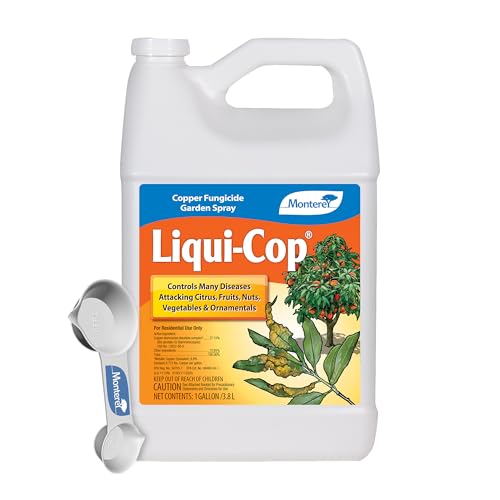
DISEASE CONTROL - Liqui-Cop is designed to prevent a wide variety of plant diseases including anthracnose, brown rot, blight, downy mildew, botrytis blight, leaf spot and many more.

Reliant can be applied many ways: foliar, soil drenched, basal bark spray, irrigation drip tape, root dip or direct injection. Reliant is cleared for use on over 146 plant types and crops including control of various tree cankers including SOD.

Controls diseases caused by bacteria and fungi
Frequently Asked Questions
How to Treat Bonsai Fungal Infection?
To treat a fungal infection, one should apply a copper-based fungicide during cooler mornings, ensuring thorough coverage. Regular monitoring, along with proper humidity management, supports effective bonsai care and promotes recovery from infection.
What Is the Rule of 3 in Bonsai?
The Rule of 3 in bonsai emphasizes arranging elements in groups of three, enhancing visual appeal. Effective care techniques and pruning methods help achieve this principle, fostering balance, depth, and a naturalistic composition in bonsai design.
What Does an Unhealthy Bonsai Tree Look Like?
An unhealthy bonsai tree exhibits leaf discoloration symptoms, such as yellowing or dark spots, alongside branch dieback indicators like wilting. These signs highlight overall poor health, necessitating careful observation and intervention for recovery.
What Is the Best Fungicide for Bonsai?
The best fungicides for bonsai include organic options, particularly copper-based variants. Effective application techniques involve thoroughly spraying both leaf surfaces and stems, ensuring ideal coverage to prevent fungal infections while adhering to manufacturer instructions.


