As an Amazon Associate, we earn from qualifying purchases. Some links on this site are affiliate links at no extra cost to you. Our recommendations are based on thorough research and editorial judgment.

How to Remove Bonsai Wire Without Scarring the Bark

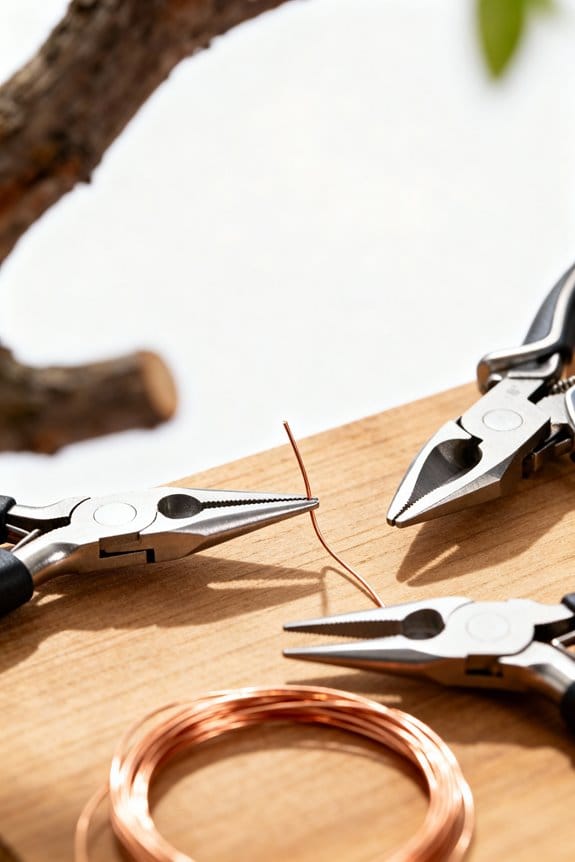
To remove bonsai wire without scarring the bark, follow a few careful steps. First, use sharp wire cutters to cut the wire into small sections. Gently peel the wire away instead of pulling hard, which helps protect the bark. Monitor the branches for signs of wire bite or damage, particularly during the growing season. Always conduct wire removal during mild weather to minimize stress on the tree. There’s much more to explore about safe wire management and tree care for lasting beauty.
Key Takeaways
- Use sharp wire cutters to cut the wire into short sections, maintaining the integrity of the bark during removal.
- Gently peel back and lift the wire instead of pulling forcefully to prevent damage to the bark.
- Monitor the tree regularly to identify and treat any signs of wire bite or pressure marks promptly.
- Employ protective materials like raffia or rubber tubing while wiring to cushion the bark and prevent scarring.
- Conduct wire removal during mild weather to minimize stress on the tree and promote healing.
Importance of Timely Wire Removal
Timely removal of bonsai wire is essential for maintaining the health and beauty of the tree. If left on too long, wire can cause wire bite, leading to undesirable scars or indentations in the bark. Regularly monitoring tree health is vital, as visible pressure marks or signs of bark wear can indicate when wire removal is necessary. Deciduous trees, in particular, often set quickly, sometimes within a week, so prompt action can prevent damage. Additionally, it is important to check after periods of growth or seasonal changes. With conifers, the removal process may take longer due to slower healing rates. Slow-release fertilizers effectively maintain stable nutrient levels in the soil, enhancing absorption and minimizing the risk of nutrient burn, leading to thriving bonsai plants across diverse environments and growth stages. Keeping a close eye helps guarantee wires are removed before they cause lasting harm to the bonsai.
Recommended Products

Package Include: ・1 Yasugi Steel Satsuki Scissors ・1 of Concave Cutter ・1 of Knob Cutter ・1 of Jin Pliers ・1 of Bonsai Wire Cutter ・1 of Root Cutter ・1 of Bonsai Tool Roll Case - Cutters: S55C Carbon steel, Black Coated. Scissors: YCS3 Alloy Tool Steel ※YCS is a trademark of Hitachi Metals, Ltd.

Package Include: ・1 of Concave Cutter ・1 of Knob Cutter ・1 of Jin Pliers ・1 of Bonsai Wire Cutter ・1 of Root Cutter ・1 of Trunk Splitter ・1 of Bonsai Tool Roll Case - All Made in Japan Cutters: S55C Carbon steel, Black Coated

Package Include: ・1 of Concave Cutter ・1 of Knob Cutter ・1 of Jin Pliers ・1 of Bonsai Wire Cutter ・1 of Root Cutter ・1 of Bonsai Tool Roll Case - All Made in Japan Cutters: S55C Carbon steel, Black Coated
Techniques for Safe Wire Removal
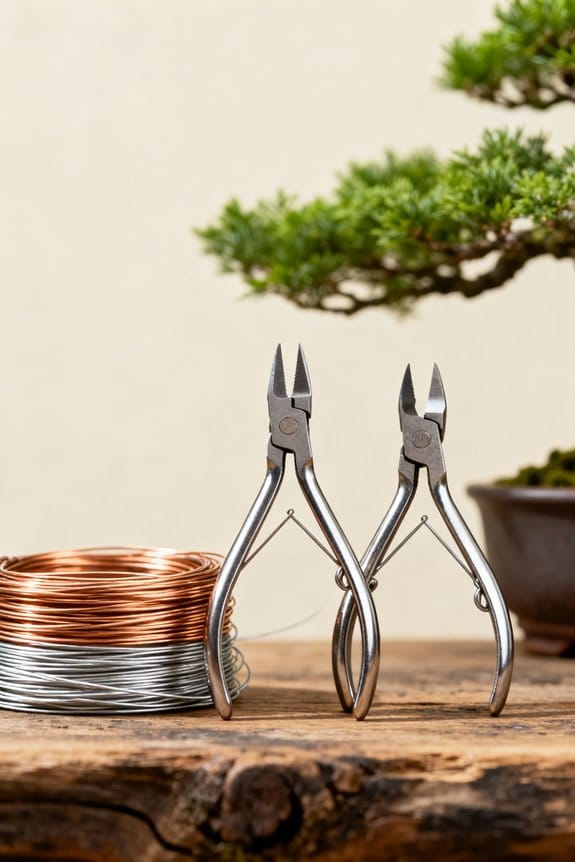
Removing bonsai wire safely is an important step in preserving the health of the tree after timely removal. First, cut old wire into short sections instead of unwinding it fully. This method helps maintain the bark’s integrity and minimizes wire marks. Next, use clean wire cutters or branch cutters to guarantee precise cuts for better healing. Instead of pulling the wire off forcefully, carefully peel it back and lift it. This gentle approach reduces the risk of damaging the bark and underlying tissue. Monitor the area for signs of wire bite, and consider applying a latex product for additional support in healing. Finally, conduct wire removal during mild weather to ease stress and promote recovery. Selecting quality bonsai wire pliers is crucial to ensure precision and avoid damaging the tree during wire removal.
Recommended Products

JAPANESE BONSAI TOOL SET WITH BAG: Made in Japan authentic professional bonsai tool set. These tools can be used for various kinds of bonsai work such as pruning, cutting, daily trimming, wire bending and cutting, jin making, moss and soil cleaning, and repotting work. ALL items are produced and finished by a blacksmith and craftsman in Nigata Tsubame Sanjo, a city of Japanese leading cutlery town.

CONTENTS 30x each of the following: Root Rake, Shear, Root Pick, Moss brush, Stiff Bamboo Root Rake

CONTENTS Comes with 10 Trunk Splitter Tools
Tools Needed for Wire Removal
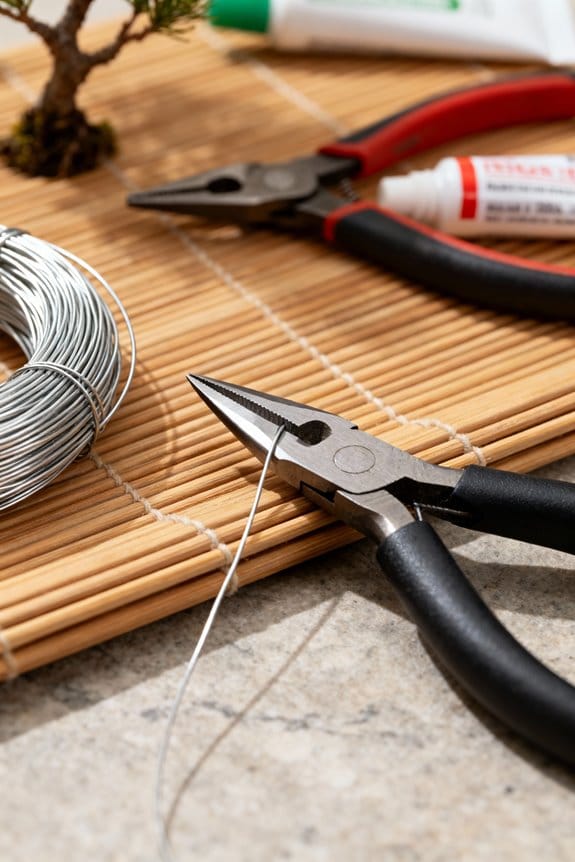
When preparing to remove bonsai wire, having the right tools can make the process smoother and safer. A sharp pair of wire cutters is essential for cutting the wire into smaller sections, preventing excessive tugging on the bark. Curved branch cutters can help remove the wire cleanly, reducing the risk of damage. Users should employ a gentle hand; a soft cloth or rubber tubing can serve as a buffer when pulling the wire. Tweezers or needle-nose pliers are effective for grasping embedded wire, helping to minimize scarring. Additionally, having grafting tape on hand allows for prompt covering of any minor wounds to promote better healing. These tools guarantee a safer wire removal experience. Many bonsai pliers are designed to accommodate various bonsai styling needs, enhancing precision and preventing damage during intricate tasks.
Recommended Products
CONTENTS Comes with 30 Trunk Splitter Tools

CONTENTS Comes with 30 Knob cutters and 30 Trimming Shears

Value Kit Includes: ・1 of Yasugi Steel Ashinaga Scissors ・1 of Concave Cutter ・1 of Knob Cutter・1 of Bonsai Wire Cutter ・1 of Bonsai Stainless Tweezers ・1 of Bonsai Tool Roll Case - All Made in Japan, Cutters: S55C Carbon Steel, Scissors: Yasugi Specialty Steel, Case: PU Leather
Monitoring Branch Health Post-Wire
Monitoring the health of bonsai branches after wire removal is an important aspect of overall tree care. Regular observation is essential to identify signs of wire marks, such as worn bark exposing green beneath or indentations where the wire was applied. Deterioration or weakness in branch tips indicates that the wire may have harmed the branch and necessitates prompt removal. Check for signs of recovery, like straightening branches or less pronounced wire marks, which suggest that the wire is no longer needed. Different species can exhibit varying recovery rates; conifers, for example, may form scar tissue slower than deciduous trees. Frequent checks throughout the growing season—especially during growth spurts—ensure peak branch health and prevent prolonged wire damage. Using soil moisture testers can also aid in maintaining optimal moisture levels that support healing and growth, as they provide comprehensive insights into soil health.
Preventing Future Wire Damage
To effectively prevent future wire damage, regular monitoring of bonsai growth is vital. Gardeners should routinely check for signs of wire bite, particularly around bends and branch tips. Opting for copper wire instead of aluminum can provide stronger support, especially in conifers, reducing the risk of bark damage during growth phases. When applying wire, it is important to guarantee that it is wrapped at a consistent angle and spaced properly to avoid pinching. Utilizing protective materials, like raffia or rubber tubing, over the wire can cushion the bark and lessen potential injury. After wire removal, it is essential to promptly treat any resulting scars to encourage healthy recovery and minimize visibility, assuring the long-term health of the bonsai. Choosing the ideal wire gauge for training ensures that the branches are supported without causing undue stress, which is crucial for maintaining the tree’s health and aesthetics.
Recommended Products

Aluminum wire, anodized coating


JAPANESE PRO BONSAI WIRE: It is a Japanese wire for bonsai training. It is a bonsai tool that professional bonsai artists also use. Please use a bonsai wire cutter when cutting.
Community Insights and Best Practices
While bonsai enthusiasts appreciate the art of training their trees, they also understand the need for community support and shared experiences. Many practitioners emphasize the importance of monitoring wire bite weekly, especially during the growing season. To minimize bark damage, they recommend cutting wire into short sections rather than unwinding it. Additionally, using protective materials like raffia or grafting tape under the wire can help reduce scarring when applied or removed. Experienced growers advise removing wire promptly at the first signs of scarring to prevent permanent damage. Engaging with fellow bonsai enthusiasts can provide valuable insights into effective wire removal techniques and aftercare strategies, promoting healthy healing for the trees in their care. It’s important to use high-quality Akadama soil to ensure optimal drainage and aeration, supporting the tree’s health as it recovers from wire removal.
Frequently Asked Questions
How Do You Remove Bonsai Wire?
In ancient Rome, bonsai enthusiasts might employ wire removal techniques by cutting wire into segments, ensuring bark protection methods were applied. Seasonal wire management and careful handling prevent damage, safeguarding the tree’s delicate structure throughout its growth.
Do Bonsai Wire Scars Heal?
Bonsai wire scars can heal over time, influenced by bark healing and tree health. Proper bonsai care, including timely treatment and understanding the tree species, enhances recovery and minimizes the visible impact of wire scars.
What Is the Rule of 3 in Bonsai?
The Rule of 3 in bonsai emphasizes using groups of three for branch training and design. This technique aids in scarring prevention by promoting balanced wiring techniques, enhancing visual harmony while minimizing clutter in the tree’s appearance.
When to Remove Wire Bonsai?
Wire timing is essential for bonsai care, as early removal prevents bark growth issues. Observing tree health and employing gentle wire techniques can guarantee minimal damage, especially for deciduous species prone to scarring from prolonged wire contact.