As an Amazon Associate, we earn from qualifying purchases. Some links on this site are affiliate links at no extra cost to you. Our recommendations are based on thorough research and editorial judgment.


Essential Bonsai Terminology Every Beginner Should Know

Understanding essential bonsai terminology is key for beginners. Terms such as “bonsai,” which means “pot tree,” and “nebari,” referring to surface roots, are foundational. Techniques like “jin” create unique deadwood effects, while “akadama” is important soil for moisture. Knowing propagation methods like cuttings and air layering will enhance cultivation skills. Styles range from Formal Upright to Cascade, each offering unique aesthetics. With this knowledge, enthusiasts can better appreciate and care for their bonsai trees. More insights await ahead.
Key Takeaways
- “Bonsai” means “pot tree” in Japanese, representing the art of miniature tree cultivation.
- “Nebari” refers to the visibility and arrangement of surface roots, crucial for stability and aesthetics.
- The “Jin” technique creates a rustic look by intentionally killing branches to enhance character.
- “Akadama” is a preferred bonsai soil known for its excellent moisture retention and drainage properties.
- Understanding bonsai styles, such as Formal Upright and Cascade, helps define the tree’s overall shape and character.
Key Bonsai Terms for Beginners
When beginning the journey into bonsai cultivation, understanding key terminology is essential for success. The term “bonsai” itself means “pot tree” in Japanese, emphasizing its art form. To achieve the desired aesthetics, beginners should be familiar with important elements like “nebari,” the surface roots that enhance stability and appearance. Additionally, knowing techniques such as “Jin,” which creates deadwood effects on branch tips, contributes to a tree’s character. An understanding of Akadama is also crucial, as this specialized soil offers excellent water retention and drainage. Beginners should focus on these terms, as they will aid in shaping the trunk and overall design. Mastering bonsai terminology sets the foundation for a rewarding cultivation experience. To maintain optimal moisture levels for your bonsai, consider using a bonsai moisture retaining tray, which stores excess water and enhances watering practices.
Understanding Soil and Substrate

Understanding soil and substrate is vital for bonsai cultivation, as these elements greatly influence a tree’s overall health. Bonsai soil must provide adequate drainage while retaining moisture to support the root system. Akadama, a volcanic clay, is a popular choice because of its remarkable drainage and nutrient-holding abilities. Many bonsai enthusiasts create their own mixes using a variety of organic components, like peat and bark, alongside inorganic materials, such as pumice or lava rock, to guarantee balanced environments. Incorporating diatomaceous earth can enhance aeration and moisture retention. Additionally, Akadama soil versatility makes it suitable for various plants, including cacti and succulents. Remember, well-draining soil is essential to prevent over-watering, a common cause of root rot, ultimately impacting the health and growth of your bonsai tree.
Propagation Techniques Explained

Propagation techniques are essential for anyone interested in expanding their bonsai garden. Bonsai practitioners often use several methods, including cuttings, air layering, and grafting. Cuttings involve taking a section of a stem and placing it in the right conditions to root, creating a new plant. Air layering is another effective propagation technique, encouraging root formation on a branch while still attached to the tree trunk. Additionally, layering is where a stem is wounded and covered with soil, promoting roots to form. Finally, grafting joins tissues from two plants, enabling unique traits from both. By utilizing these techniques, anyone can enhance their skills in growing bonsai and cultivate a thriving bonsai collection. When starting out, consider using bonsai germination kits that provide all the necessary tools and instructions to simplify the process.
Recommended Products

Package Include: ・1 Yasugi Steel Satsuki Scissors ・1 of Concave Cutter ・1 of Knob Cutter ・1 of Jin Pliers ・1 of Bonsai Wire Cutter ・1 of Root Cutter ・1 of Bonsai Tool Roll Case - Cutters: S55C Carbon steel, Black Coated. Scissors: YCS3 Alloy Tool Steel ※YCS is a trademark of Hitachi Metals, Ltd.
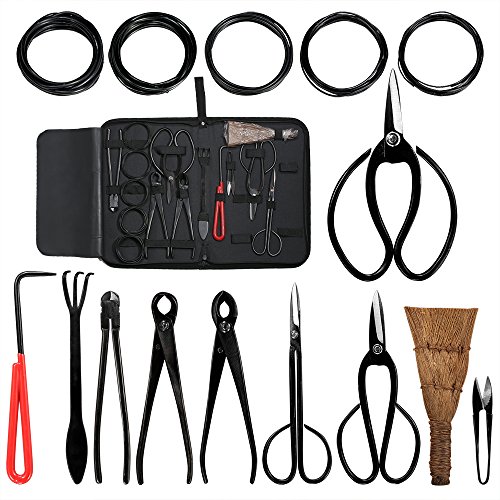
Including Leaf Trimmer, Scissors, Jin pliers, Root Hook, Knob Cutter, Aluminium Wires and Wire cutter, etc. All well packed in a Nylon zipped case.

All-Inclusive Essentials: Covers every necessary tool for bonsai pruning, shaping, wiring, and maintenance, no extra purchases needed.
Bonsai Styles and Characteristics
Bonsai styles and characteristics encompass a fascinating array of forms and techniques that bring trees to life in miniature. Bonsai trees can be categorized into various styles such as Formal Upright, characterized by straight trunks and balanced branches, and Informal Upright, which features subtle curves conveying age. Cascade styles like Semi-Cascade and Full-Cascade depict branches flowing downwards, symbolizing natural freedom. The Broom Style displays a fan of branches atop a curved trunk, while the Raft Style mimics multiple trunks from a common base. Unique and hybrid styles combine traditional Japanese techniques with modern creativity, emphasizing emotional expression. Bonsai enthusiasts often explore these styles to discover their artistic voice within the art of bonsai.
Recommended Products

Upgrade Your Bonsai Skills with Professional Bonsai Tool Sets. All-Inclusive Essentials: Covers every necessary tool for bonsai pruning, shaping, wiring, and maintenance, no extra purchases needed.

【Specification】【Scissors】 Size: L 7.08 x W 3.74 x H 0.67 in (180mm x 95mm x 17mm) | Length of Blades: 2.04inches(52mm) | Weight: 5.5oz (156g) | Material: S58C black carbon steel | Made in Japan (Niigata prefecture) 【Concave Branch Cutter】Size: L 7.87 x W 1.96 x H 0.78 in (200 x 50 x 20 mm) | Length of Blades: 0.98 in (25 mm) | Weight: 6.7 oz (190 g) | Material: S55C Carbon steel | Black Coated | Made in Japan (Niigata prefecture)

【Specification: Concave Cutter】Size: L 7.87 x W 1.96 x H 0.78 in (200 x 50 x 20 mm) | Length of Blades: 0.98 in (25 mm) | Weight: 6.7 oz (190 g) | Material: S55C Carbon steel | Black Coated
Essential Tools for Bonsai Care
A variety of essential tools is important for anyone caring for bonsai trees. Concave cutters are significant for making precise cuts on branches, facilitating efficient healing. Bonsai artists often use branch bender clamps to reposition branches, promoting desired shapes and angles. Additionally, cut paste acts as a sealant to protect wounds and prevent sap loss, which is critical for tree health. A branch splitter minimizes damage when cutting through thicker trunks, ensuring clean cuts help in the healing process. Finally, foliage pad shaping tools are used to trim and style leaves, enhancing the overall appearance of the bonsai. Together, these tools reflect the meticulous nature of traditional Japanese bonsai care, allowing beginners to cultivate their trees effectively. A reputable source can provide unbiased product reviews that highlight the specific strengths and weaknesses of different models, aiding in the selection of high-quality bonsai tools.
Recommended Products

CONTENTS Comes with 30 Concave Cutters and 30 Heavy Duty Shears

Package Include: ・1 of Concave Cutter ・1 of Knob Cutter ・1 of Jin Pliers ・1 of Bonsai Wire Cutter ・1 of Root Cutter ・1 of Trunk Splitter ・1 of Bonsai Tool Roll Case - All Made in Japan Cutters: S55C Carbon steel, Black Coated

Package Include: ・1 of Concave Cutter ・1 of Knob Cutter ・1 of Jin Pliers ・1 of Bonsai Wire Cutter ・1 of Root Cutter ・1 of Bonsai Tool Roll Case - All Made in Japan Cutters: S55C Carbon steel, Black Coated
Maintaining Bonsai Health
Maintaining the health of a bonsai tree requires careful attention to several key factors. Proper watering is vital; over-watering can lead to root rot while under-watering causes wilting and leaf drop. A consistent watering schedule guarantees the right moisture balance. Additionally, regular pruning helps control the bonsai’s size and promotes healthy growth by removing unnecessary foliage and roots. Fertilization is significant during the growing season, utilizing a balanced NPK formula every few weeks to provide necessary nutrients. Slow-release fertilizers are particularly beneficial as they ensure continuous nutrition availability over extended periods. Pest management is also essential, with insecticides and fungicides protecting the tree from harmful invaders. Finally, monitoring humidity levels and assuring good airflow can prevent fungal infections, fostering an ideal environment for the bonsai’s development.
Recommended Products

Nutrients are encapsulated within multiple layers of polymeric resin

Package contains 160 tree and shrub fertilizer spikes and are produced to avoid wasteful runoff, mess, hazards and smells
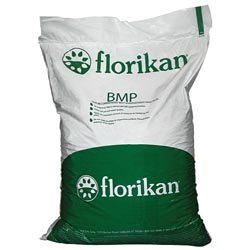
Used for woody ornamentals during spring/summer
Aesthetic Elements in Bonsai Display
Creating an appealing display for bonsai trees involves various aesthetic elements that can enhance their beauty and significance. One essential feature is the Tokonoma, a traditional alcove that showcases bonsai alongside scrolls and accessories, acting as a focal point. Incorporating Suiseki, naturally formed stones, can amplify visual interest and depth in the display area. For smaller bonsai, known as Mame, their delicate stature offers a unique charm. To enrich the arrangement, use accent plants or kusamono, which highlight the seasons or styles of the featured bonsai. Each element contributes to a harmonious presentation, emphasizing the artistry and philosophy behind Japanese Bonsai. Carefully consider these components to create a stunning and meaningful display. For beginners, utilizing durable materials like resin in bonsai arrangements ensures longevity and enhances the overall aesthetic appeal.
Frequently Asked Questions
What Is the Best Time of Year to Prune Bonsai Trees?
The best time to prune bonsai trees varies by species, typically after active growth periods. Understanding pruning techniques, seasonal timing, and growth patterns helps avoid common mistakes, ensuring effective recovery techniques and ideal use of pruning tools.
How Often Should I Water My Bonsai?
A skilled bonsai artist waters their tree weekly during summer, adjusting for environmental humidity. Utilizing bonsai watering techniques, they monitor soil moisture, ensuring proper drainage and water quality to maintain ideal root health throughout seasonal watering frequency.
Can I Use Regular Potting Soil for Bonsai?
Using regular potting soil for bonsai is inadvisable. Bonsai soil provides better drainage and ideal soil composition, supporting nutrient balance and appropriate pH levels. Organic options and repotting techniques further enhance plant health and vigor.
What Are the Signs of a Healthy Bonsai?
Signs of a healthy bonsai include vibrant leaf color, strong root development, textured trunk, balanced branch symmetry, dense foliage, pest resistance, and overall vigor, reflecting the plant’s energy and proper care throughout its growth stages.
How Do I Choose the Right Bonsai Pot?
Choosing the right bonsai pot involves considering pot size for root space, selecting shapes compatible with the tree’s style, materials for durability, drainage designs to prevent waterlogging, and color choices that complement the bonsai’s aesthetics.