As an Amazon Associate, we earn from qualifying purchases. Some links on this site are affiliate links at no extra cost to you. Our recommendations are based on thorough research and editorial judgment.


How to Plan Your First Year in the Bonsai Hobby

To plan your first year in the bonsai hobby, start by selecting a suitable tree species that thrives in your climate, such as Ficus for indoors or Junipers for outdoors. Acquire a basic bonsai starter kit with essential tools like pruning shears and wire. Focus on mastering basic care techniques, including regular watering and pruning. Engage with local bonsai clubs for advice and support. With careful attention, your bonsai journey will flourish, and there’s much more to explore ahead.
Key Takeaways
- Select tree species suited to your local climate for optimal growth and care.
- Assemble a basic bonsai starter kit with essential tools for maintenance tasks.
- Engage in local bonsai clubs and online forums for shared knowledge and support.
- Monitor soil moisture daily to prevent root rot and ensure healthy growth.
- Document your progress throughout the year to enhance your understanding and enjoyment of bonsai cultivation.
Getting Started With Bonsai
Starting a bonsai journey can be an exciting endeavor for beginners. To begin, selecting the right nursery stock is essential for growing bonsai with ease. New enthusiasts should consider their local climate when making this choice. Engaging with online resources, joining forums, and attending local bonsai clubs can provide valuable insights. Additionally, acquiring a basic bonsai starter kit that includes tools like pruning shears and concave cutters will make maintenance simpler. A vital part of taking care of bonsai includes monitoring soil moisture daily to prevent root rot. Beginners might also find it helpful to document their progress throughout the year. Tracking growth can deepen understanding and enhance enjoyment of the bonsai hobby, making it a rewarding experience. Visual learning resources such as video tutorials and illustrations can significantly enhance the learning experience for beginners.
Selecting the Right Tree Species

What tree species is best for a novice bonsai enthusiast? Choosing tree species that thrive in local climates is crucial for successful bonsai care. Beginners should consider starting with nursery plants or pre-bonsai stock, as these options allow for easier cultivation and practice of basic techniques. It is an important thing to connect with local bonsai clubs or nurseries, where experienced members can recommend suitable species. For indoor settings, the Ficus proves to be a good choice, while Junipers are robust options for outdoor cultivation. Selecting a tree with a thick trunk and hardy nature enhances the chances of success, particularly when learning shaping techniques. Additionally, utilizing cascade style bonsai pots helps in maintaining proper drainage, which is essential for plant health. This guarantees a rewarding start to the bonsai hobby.
Recommended Products

HANDCRAFTED FIBERGLASS SPHERE PLANTER - Each Cosapots Orbo round globe planter is handcrafted from high-quality fiberglass and resin by skilled artisans under the guidance of Belgian architects, the premium alternative to plastic or fiberstone.

【Premium Material】Our Artificial Ficus tree is eternally verdant and deep green with approximately 1792 individual leaves on several sturdy branches.Combined with a natural wood trunk and multiple irregular branching tree branches,the entire tree looks incredibly realistic.Additionally,this 8ft tall fake ficus plant is made of high-quality eco-friendly material,textured and realistic shape,ideal for indoor decoration.

Standing at an impressive 8 feet, the SOGUYI faux Ficus Tree is a masterpiece of lifelike design. The tree's luxurious presence is complemented by a vintage-inspired planter, adding a touch of timeless elegance and natural charm to any space.
Essential Tools and Materials

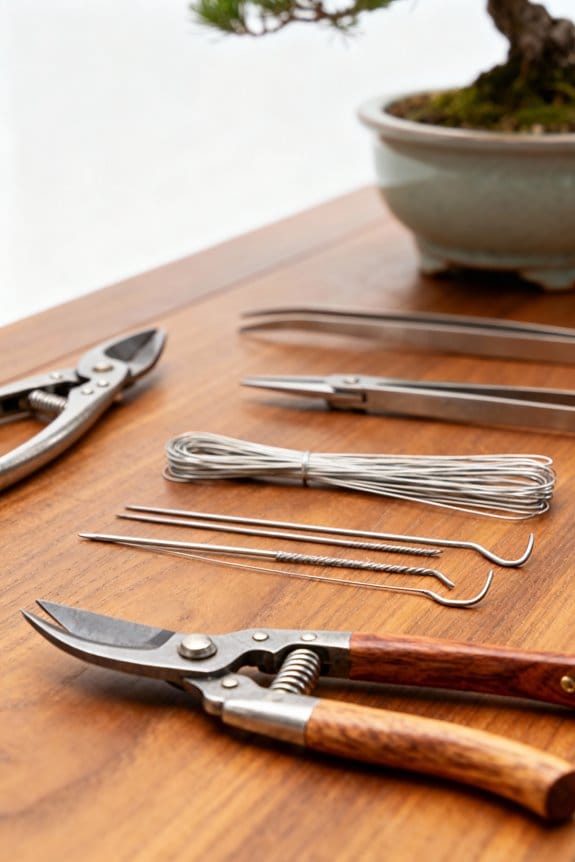
A well-equipped bonsai enthusiast understands that the right tools and materials can make all the difference in their journey. Essential tools include long-handled twig shears for precise cutting and concave cutters for thicker branch pruning. A good quality wire, whether aluminum or copper, is vital for shaping the branches effectively. Beginners should consider a basic bonsai starter kit, which typically includes a bonsai pot, soil, and pruning tools. Additionally, a moisture meter helps monitor the watering needs of their specific tree species. For those interested in building a training box, gather untreated wood, screws for assembly, and drainage materials like mesh and gravel. These fundamentals set a strong foundation for successful bonsai cultivation. Regular maintenance and care of bonsai tools, including cleaning and sharpening, improve tool longevity and performance.
Recommended Products

CONTENTS Comes with 30 Trunk Splitter Tools

EASY EFFICIENT CUTTING: Ideal for pruning and trimming flowers, stems, and light branches up to 5/8 in. thick. High Carbon Steel Blade with nonstick protective coating maximizes cutting effectiveness to cut cleanly every time without crushing plant material. Great gardening shears that you’ll be proud to own or gift!

HARDENED STAINLESS STEEL BLADES: Designed with straight sharp blades for precision snips and cuts, these gardening scissors are great for pruning fruit trees, bonsai, and thorny bushes. Pruning shears are durable, sharp, and come with an easy safety lock for storage.
Basic Care Techniques
Having the right tools and materials lays the groundwork for successful bonsai growth, but understanding basic care techniques is where the true journey begins. Regularly check soil moisture, watering when it appears dry; this prevents root rot due to over-watering or under-watering. Fertilization is equally important, with specialized bonsai fertilizers needed one or two times a month, avoiding the dormant months of December and January. Pruning new growth and thinning dense areas helps maintain the tree’s shape and vigor. Additionally, bonsai trees flourish with adequate sunlight; indoor varieties should receive several hours of direct sunlight daily. Ultimately, repot every two years using a quality bonsai soil mix to keep roots healthy and prevent pot-bound conditions. For optimal growth, consider using balanced N-P-K ratios like 3-1-2 or 18-6-8, which are specifically formulated to enhance bonsai vitality.
Recommended Products
![Gardenera Premium Bonsai Fertilizer – Slow-Release Bonsai Tree Food for Compact Growth, Dense Branching & Healthy Roots | Ideal for All Bonsai & Money Trees [10 Quarts]](https://m.media-amazon.com/images/I/41X9i2YHxvL._SL500_.jpg)
🌳 COMPACT & CONTROLLED GROWTH – Specially designed 6-6-6 formula encourages lush foliage and dense branching without overgrowth, preserving your bonsai’s miniature shape and balance.

New Japanese Biogold Original Bonsai Fertilizer

🌱【Ready-to-use Pre-mix】: Simplify repotting your Bonsai and other plants with our premium, fast-draining Bonsai potting soil mix. It comes pre-mixed and sifted for your convenience.
Shaping and Styling Your Bonsai
Shaping and styling a bonsai requires both technique and creativity, transforming the tree into a miniature masterpiece. Pruning during the Spring is essential, focusing on cutting back to two buds and leaving a short length for die-back. This keeps the bonsai natural and compact. Wiring techniques involve carefully wrapping aluminum or copper wire around branches to achieve desired shapes. Regular monitoring of the tree’s silhouette is vital for ideal styling, encouraging periodic pruning to maintain balance and appeal. Using concave cutters for thick branches promotes clean cuts, which speed healing. Mastering shaping and styling techniques takes patience and practice, but with consistent effort, beginners can create beautiful, well-proportioned bonsai trees that reflect their unique vision. Applying anodized aluminum wire ensures durability and rust resistance, enhancing the overall shaping process.
Recommended Products

Aluminum wire, anodized coating
Aluminum wire, anodized coating
Aluminum wire, anodized coating
Ongoing Maintenance and Growth Monitoring
Monitoring ongoing maintenance and growth is crucial for bonsai health and longevity. It is important to keep a close eye on the moisture of the soil, checking its texture and color to gauge the watering schedule. As seasons change, keep in mind that the bonsai’s light and watering needs may also shift. Observing new growth, such as shoots and leaves, is essential for the ongoing maintenance of shape and health during pruning. Maintaining a log to record watering, fertilization, and repotting dates can help understand the tree’s unique needs. Additionally, conduct routine checks for any pests or diseases, which guarantees prompt treatment and helps keep the bonsai thriving. Specialized bonsai soil mixes are recommended to ensure proper drainage and aeration, promoting a healthy root system. This attentive approach fosters a healthier bonsai for years to come.
Recommended Products

FEEDS UP TO 6 MONTHS: Miracle-Gro Potting Mix is a gardening soil for outdoor containers that feeds all types of potted plants, including flowers, vegetables, shrubs, annuals, and perennials for up to 6 months

MULTI-USE POT: Our timeless and modern plant pots are ideal for your indoor space or your outdoor deck, patio, or balcony. They effortlessly complement any design style and elevate the look of potted real or faux greenery.

NATURAL, ORGANIC INGREDIENTS: Made of 100% organic ingredients, this organic potting soil is free from synthetic fertilizers and chemicals. This planting soil gives your plants everything they need. Perfect for soil for indoor plants and outdoor potting soil.
Engaging With the Bonsai Community
Engaging with the bonsai community can greatly enhance the journey of a beginner, as it opens up a wealth of knowledge and support. Joining local bonsai clubs, such as the Pittsburgh Bonsai Society, is a good idea for hands-on learning and networking. These clubs often host workshops and demonstrations that enhance foundational tree care skills. Beginners can also explore online forums like the Helpful Gardener, facilitating sharing progress and seeking advice. Participating in bonsai shows inspires newcomers and allows them to showcase their first bonsai. Additionally, connecting with local bonsai professionals can offer mentorship, tailored insights, and practical advice specific to their region’s climate. Engaging with the community enriches the entire bonsai experience. Consistent moisture is essential for bonsai beech trees; avoid overwatering to prevent root rot, ensuring a thriving bonsai environment.
Frequently Asked Questions
What Is the Rule of 3 in Bonsai?
The Rule of 3 in bonsai is a transformative style technique that inspires stunning compositions. It advises diverse tree selection and maintenance practices, while guiding effective pruning methods to create balance, harmony, and visual intrigue in designs.
Is Bonsai a Difficult Hobby?
Bonsai can be a difficult hobby due to its demanding bonsai care, plant selection challenges, various soil types, and the intricacies of pruning techniques. However, persistence and community support can markedly enhance the learning experience.
Is Bonsai Good for Beginners?
Bonsai can be highly suitable for beginners, provided they focus on proper bonsai tree selection, acquire essential beginner bonsai tools, and understand indoor bonsai care techniques. Common bonsai species offer a manageable starting point for novices.
How Expensive Is Bonsai as a Hobby?
Bonsai as a hobby can vary considerably in expenses. The cost breakdown includes an initial investment ranging from $20 to several hundred, with ongoing expenses for tools, materials, and maintenance averaging $10 to $30 monthly.