As an Amazon Associate, we earn from qualifying purchases. Some links on this site are affiliate links at no extra cost to you. Our recommendations are based on thorough research and editorial judgment.

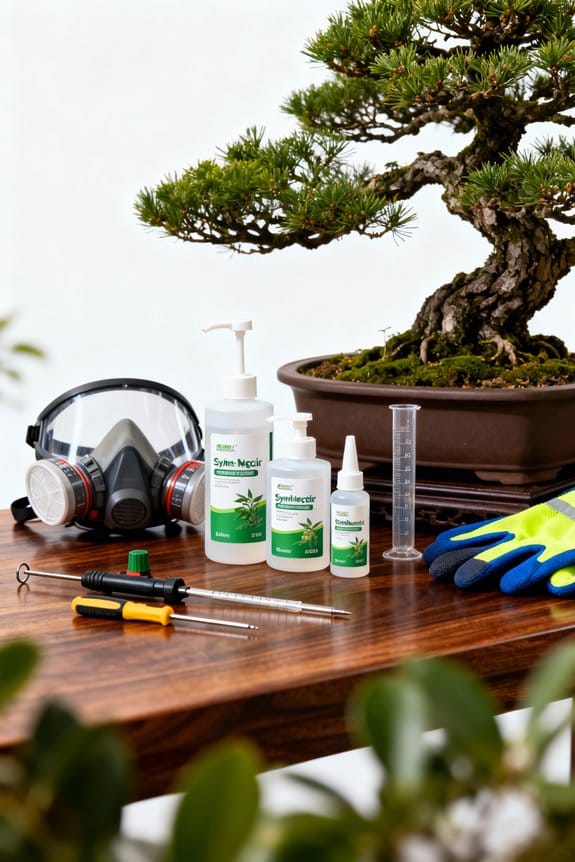
How to Safely Use Systemic Insecticides on Bonsai When Needed

To safely use systemic insecticides on bonsai, first assess the plant’s condition for pests or infestations. Wear personal protective equipment, like gloves and goggles, to avoid chemical exposure. Apply insecticides during cooler parts of the day for best results. Verify you follow the manufacturer’s instructions on dilution and application techniques. After treatment, monitor the bonsai closely for signs of resurgence. Consistent care will help with recovery, and you can learn more about maintaining your bonsai efficiently.
Key Takeaways
- Wear appropriate personal protective equipment, including gloves, goggles, and long sleeves, to minimize exposure during application.
- Apply systemic insecticides in cooler parts of the day to reduce the risk of damaging the bonsai.
- Follow label instructions carefully for dilution rates and dosing to ensure safe and effective use.
- Thoroughly spray the foliage and surrounding soil, paying special attention to the undersides of leaves.
- Monitor the bonsai closely for pest resurgence after treatment and document changes to refine your pest management strategy.
Assessing the Condition of Your Bonsai
How can one effectively evaluate the condition of a bonsai? Regular inspections are essential. Look for signs of pest infestation, like yellowing leaves, fine webs, or sticky honeydew, which suggest aphids or red spider mites. It’s also vital to check the soil health. Evaluating drainage and nutrient levels can prevent pest issues from worsening. Additionally, monitor the overall appearance of the bonsai; drooping branches, holes in the foliage, or strange growth patterns can indicate pest or disease problems. Finally, consider environmental factors. High humidity or overcrowding may attract pests, compromising your bonsai’s health. Perform routine maintenance, including pruning and proper watering, to strengthen the tree, making it less susceptible to pest infestations. Consider using bonsai growing kits that include illustrated instructions and essential tools to simplify the care process for beginners.
Understanding Systemic Insecticides

Evaluating the condition of a bonsai not only helps identify potential pest issues but also sets the stage for effective pest management. Systemic insecticides are unique because they are absorbed by the plant’s vascular system, allowing them to target pests feeding on the plant’s tissues from within. Products like Bayer 3 in 1 and Bonide Systemic are popular choices for bonsai, as they offer long-term protection that can persist for weeks or even months. To achieve ideal effectiveness, apply systemic insecticides at the start of the growing season or during peak pest activity. However, it is essential to follow label instructions carefully to guarantee proper dosage and safeguard the plant and its environment. Regularly monitoring soil health and moisture is crucial for maintaining optimal efficacy of both insecticides and beneficial nematodes in pest control.
Importance of Personal Protective Equipment

When applying systemic insecticides to bonsai trees, personal protective equipment (PPE) plays an essential role in ensuring safety. Vital items include nitrile gloves, goggles, and respirators, which minimize exposure to harmful chemicals. Additionally, wearing long pants and long sleeves protects the skin from chemical contact and potential irritation. For extra safety, individuals may use face shields, especially when handling larger quantities of insecticides. It’s also important to wash clothing worn during pesticide applications immediately afterward to remove any chemical residues. Finally, keeping children and pets away from treated areas until the products have dried can prevent accidental exposure. With humidity trays enhancing plant growth and conditions, it is crucial to ensure no contamination occurs during insecticide applications. By following these guidelines on personal protective equipment, individuals can safely manage pests in their bonsai trees.
Application Techniques for Systemic Insecticides
Applying systemic insecticides effectively can transform the health of bonsai trees, improving their resistance to pests. To achieve ideal results, it is essential to choose the right time for application. Ideally, apply systemic insecticides like Bayer 3 in 1 or Bonide Systemic during cooler parts of the day, preferably before sunrise or after sunset. This approach reduces the risk of phytotoxicity. Thoroughly spray the foliage and surrounding soil to guarantee the solution reaches the undersides of leaves, where pests reside. Always follow the manufacturer’s guidelines for dilution rates, typically around 4 teaspoons of pesticide per 2 gallons of water. Regular monitoring after application helps assess effectiveness and informs necessary adjustments to treatment strategies. Eco-friendly pesticides support sustainable gardening practices and can offer alternatives to systemic insecticides for those concerned with environmental impact.
Timing Your Treatments Effectively
Effective timing for systemic insecticide treatments can greatly impact the health and resilience of bonsai trees. It is best to apply systemic insecticides early in the morning or late in the evening, as cooler temperatures enhance absorption. This approach also reduces potential harm to beneficial insects. For ongoing protection, treatments should occur every 30 days; for example, Bayer 3 in 1 can help manage pests and diseases effectively. Always consider environmental conditions and avoid windy or rainy days. Checking the lifecycle stages of specific pests is essential, as targeting them when they are most vulnerable can notably improve efficacy. Neem oil is effective against common pests like aphids and spider mites, and regular application strengthens plant resilience against infestations. Additionally, reapply systemic treatments, like Bonide Systemic, every other month for thorough seasonal defense against insects.
Monitoring Your Bonsai Post-Treatment
Monitoring the bonsai’s condition after applying systemic insecticides is essential for ensuring its health and vigor. Pay close attention, especially during the first two weeks post-treatment. Look for signs of pest resurgence, like spider mites, by checking for symptoms such as sticky honeydew or fine webs on leaves. Yellowing foliage or wilting may indicate adverse reactions to the treatment. Regularly observe any unusual growth patterns too. Maintain a consistent watering and fertilization schedule to support recovery. Document the bonsai’s response over a month, noting any changes in its condition. This record will help guide future pest management decisions, ensuring the longevity and health of your bonsai. Monitoring your bonsai post-treatment can be a rewarding experience. Consider incorporating bonsai mesh baskets, which enhance nourishment distribution while protecting your plants from birds and pests.
Environmental Considerations and Safety Precautions
When should one consider environmental factors and safety precautions while using systemic insecticides on bonsai? It is essential to apply these chemicals during calm weather, reducing drift and ensuring effectiveness. To safely use systemic insecticides, individuals must wear appropriate personal protective equipment (PPE), including gloves, masks, and goggles, to prevent exposure. Storing and handling these substances should occur in controlled environments, away from children and pets, to minimize accidental exposure. Additionally, applications should prioritize pollinator protection by timing them when beneficial insects are inactive, such as in the evening or early morning. Organic choices are available that are approved for safe use around edible plants and pollinators. Finally, dispose of all chemical containers and materials responsibly, adhering to local regulations to prevent environmental contamination.
Frequently Asked Questions
When Should I Apply Systemic Insecticide?
In a world where knights battled pests, the best timing considerations for systemic insecticide application occurs in early spring or late summer, coinciding with active pest presence and optimal plant growth for effective treatment.
What Is the Rule of 3 in Bonsai?
The Rule of 3 in bonsai emphasizes using odd numbers of elements to enhance visual appeal and balance, greatly improving bonsai health by fostering depth and guiding the viewer’s eye throughout the composition.
What Is the Best Insect Spray for Bonsai Trees?
Bonide Systemic and Bayer 3 in 1 are considered effective insect sprays for bonsai trees. However, proper insect identification is essential to guarantee the right product is used for controlling specific pests effectively.
Can Plants Absorb Systemic Insecticides Through Leaves?
Yes, plants can absorb systemic insecticides through leaves. Leaf absorption depends on plant species, leaf characteristics, and environmental factors. This process allows the insecticide to circulate throughout the plant, providing long-lasting pest protection.


