As an Amazon Associate, we earn from qualifying purchases. Some links on this site are affiliate links at no extra cost to you. Our recommendations are based on thorough research and editorial judgment.

Natural Pest Control Options for Bonsai Enthusiasts

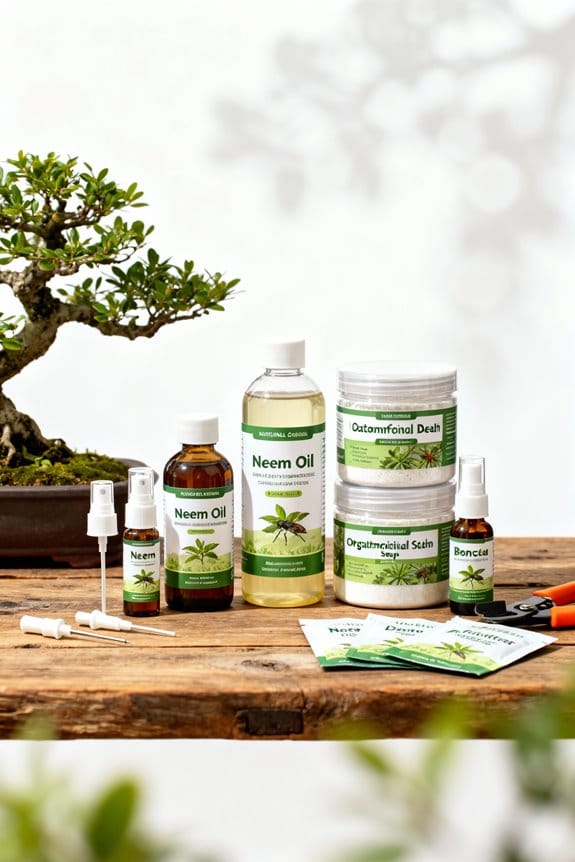
Bonsai enthusiasts can utilize natural pest control methods to maintain healthy trees. Neem oil is effective, disrupting pests’ hormonal systems without harming beneficial insects. Companion planting with marigolds and basil repels harmful insects while attracting helpers. Simple DIY remedies like soap solutions or garlic sprays can deter pests safely. Regular inspection and maintaining cleanliness are essential to prevent infestations. With these practices, bonsai trees can thrive. There are more strategies to explore for healthy bonsai care.
Key Takeaways
- Use neem oil as an organic treatment to disrupt pest hormonal systems and manage infestations effectively.
- Implement insecticidal soaps to safely manage pests without harming beneficial insects in your bonsai ecosystem.
- Grow companion plants like marigolds and basil to repel harmful insects while attracting beneficial ones.
- Create DIY pest control sprays using natural ingredients like soap, garlic, and lemon to deter infestations.
- Regularly inspect and maintain bonsai hygiene by removing debris to minimize pest problems and promote tree health.
Understanding Bonsai Pest Infestations
Bonsai pest infestations can pose significant challenges for enthusiasts. Common pests, such as spider mites, mealybugs, and scale insects, weaken bonsai trees by sucking their sap. These pests may enter bonsai environments through contaminated soil or infested plants. Consequently, vigilance is essential. Regular inspections, ideally during weekly watering sessions, help in early detection. Look out for signs like delicate webs, moving dots on leaves, or curled foliage. Understanding each pest’s life cycle and behavior allows enthusiasts to apply targeted, natural insect control methods. Neem oil is a popular choice, as it effectively deters pests while being safe for the environment. By employing consistent monitoring and natural solutions, bonsai caretakers can protect their trees and promote healthy growth. An effective strategy involves using Bonide Neem Oil, a multipurpose spray that acts as fungicide, insecticide, and miticide, to manage pests at all life stages.
The Importance of Natural Methods

Natural methods of pest control play an essential role in the cultivation of bonsai trees. These approaches help maintain the ecosystem balance essential for tree health. Using eco-friendly solutions like neem oils guarantees effective pest management without harming beneficial organisms. For example, neem oil can deter common pests without disrupting the surrounding habitat. Additionally, companion planting with herbs such as basil and marigold not only repels nuisances but also attracts helpful insects, boosting biodiversity. Regular monitoring of bonsai trees is critical; it allows for early detection of infestations. By incorporating natural pest control methods, bonsai enthusiasts align their practices with sustainable gardening, promoting resilience and long-term viability for their beloved trees and the environment. One effective option is the Big Leaf Energy Organic Neem Oil Spray, which provides multiple benefits such as pest control, leaf shine, and plant health promotion.
Eco-Friendly Pest Solutions

When dealing with pests in bonsai cultivation, choosing eco-friendly solutions can make a significant difference. Neem oil, rich in azadirachtin, disrupts the hormonal systems of many pests, making it a powerful choice for organic pest control. Alongside neem, insecticidal soap effectively manages infestations without harming beneficial organisms. Additionally, incorporating companion plants like basil and marigold can naturally repel harmful insects while attracting helpful ones, fostering biodiversity in bonsai environments. Regular monitoring of bonsai is essential; early detection of pests allows for timely intervention with these natural methods. By employing these eco-friendly strategies, bonsai enthusiasts can protect their trees while maintaining the delicate balance of their miniature ecosystems and contribute to a sustainable growing practice. Neem oils offer various benefits for bonsai care, including pest control, fungal disease prevention, and enhancing plant health.
Recommended Products

MAXIMIZE YIELDS – Grow healthier plants with Grower’s Ally Spider Mite Control. This natural miticide for spider mites kills and repels common soft-bodied insects, including adult and nymph spider mites.

DEFENDS YOUR PLANTS - Monterey 70% Neem Oil controls black spot, powdery mildew, rust, needle rust, downy mildew, twig & twip blight, anthracnose, scab and flower, botrytis, alternaria, and other fungal diseases.
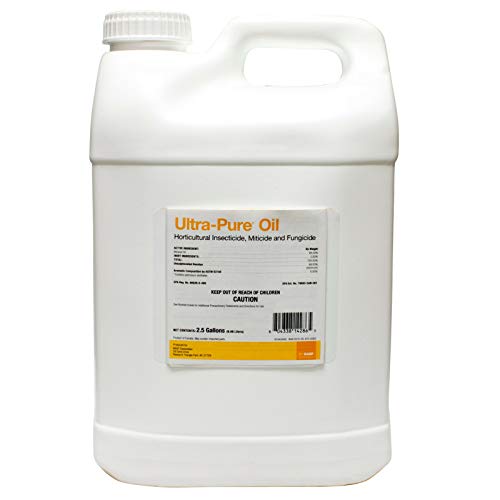
Horticultural Oil: 98% mineral oil insecticide, miticide, and fungicide for comprehensive plant protection; Effective horticultural spray oil
Neem Oil for Pest Management
Effective pest management in bonsai cultivation often involves the use of neem oil, a versatile solution appreciated by many gardeners. Derived from the seeds of the neem tree (Azadirachta indica), neem oil targets over 200 insect pests thanks to its active ingredient, azadirachtin, which disrupts pest hormones. It functions both as a contact pesticide and a systemic treatment, effectively tackling existing infestations while preventing new ones. Neem oil is eco-friendly, breaking down quickly and posing low risk to beneficial insects, mammals, and birds. Additionally, it aids in managing fungal issues, promoting overall plant health. For best results, mix neem oil with insecticidal soaps for extensive coverage, ensuring healthier and pest-resistant bonsai trees. When selecting neem oil treatments, consider the quality of active ingredients to ensure effective pest management and plant safety.
Recommended Products

The information below is per-pack only

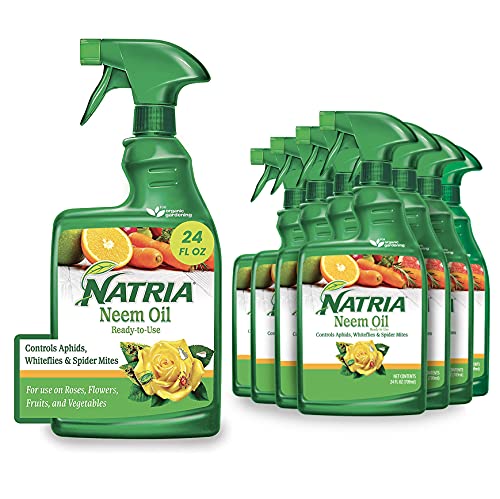
Natria 706250A Neem Oil Spray for Plants Pest Organic Disease Control, 24 Ounce 8 Pack, Ready-to-Use
INSECT KILLER: Controls Aphids, Whiteflies, Spider Mites, Fruit Flies and other listed pests
Companion Planting Strategies
Companion planting strategies offer bonsai growers a natural way to enhance pest control while promoting plant health. By growing specific plants together, bonsai enthusiasts can repel harmful pests and attract beneficial insects. For example, marigolds emit a strong scent that effectively deters aphids and spider mites, making them an excellent companion choice. Similarly, basil not only enhances flavors but also reduces populations of whiteflies and thrips. Implementing these strategies improves ecosystem balance and shelters pollinators and predatory insects. This biodiversity boosts soil health and lessens the need for chemical pesticides. Incorporating herbs like chives also yields similar benefits, creating a thriving environment for bonsai while facilitating natural pest control. Additionally, using organic pest control kits can further support the health of bonsai trees by minimizing harm to beneficial insect populations and reducing environmental impact.
Recommended Products

Package Include: ・1 Yasugi Steel Satsuki Scissors ・1 of Concave Cutter ・1 of Knob Cutter ・1 of Jin Pliers ・1 of Bonsai Wire Cutter ・1 of Root Cutter ・1 of Bonsai Tool Roll Case - Cutters: S55C Carbon steel, Black Coated. Scissors: YCS3 Alloy Tool Steel ※YCS is a trademark of Hitachi Metals, Ltd.

【SPECIFICATIONS】Ideal for beginners.【 Bonsai Satsuki Scissors 】 - Size: L 7.08 x W 3.74 x H 0.67 in (180mm x 95mm x 17mm) | Length of Blades: 2.04inches(52mm) | Weight: 5.5oz (156g) | Material: S58C black carbon steel | Color: Traditional Black | Inscription of our brand name in Japanese characters. 【 Stainless Tweezers with Rake 】- Size: L 8.66 x W 1.18 x H 0.98 in (220mm x 30mm x 25mm) | Weight: 1.5oz (43g) | Material: Stainless steel.

Complete 6-Piece Bonsai Tool Set for All Skill Levels: This professional bonsai kit includes the essential tools hobbyists and serious growers need—Concave Cutter, Knob Cutter, Pruning Shears, Trunk Splitter, Root Rake, and Precision Tweezers—designed for pruning, styling, wiring, and repotting. Perfect for shaping pines, junipers, maples, azaleas, and more.
Identifying Common Bonsai Pests
How can bonsai enthusiasts easily identify common pests that threaten their cherished trees? Recognizing signs of pests like spider mites, mealybugs, and scale insects is essential. Spider mites often leave delicate webs and cause stippling damage on leaves, particularly in dry conditions. Mealybugs appear as white, fluffy masses on branches and leaf axils, while scale insects resemble small bumps on plant surfaces. These pests weaken bonsai by siphoning sap from leaves and stems. Pests can enter through contaminated soil or infested plants. As a result, regular inspection is important. If pests are detected, using insecticidal soap may help manage infestations effectively. Being aware of these signs guarantees healthy plants and a thriving bonsai collection for any enthusiast. Regular monitoring helps catch infestations early, enabling proactive pest control measures.
DIY Pest Control Remedies
What simple solutions can bonsai enthusiasts use to combat pests naturally? DIY pest control remedies offer safe and effective options for managing infestations. For example, a simple soap solution can be made by mixing water with a few drops of liquid soap. This disrupts pest life cycles without harming the bonsai or its environment. Additionally, garlic and lemon are natural deterrents that can be used in sprays. Companion planting with herbs like basil and marigold helps repel pests while attracting helpful insects. Not to forget, essential oils used carefully can serve as strong natural deterrents. Natural pesticide options, like neem oil, provide an eco-friendly approach to pest management, ensuring safety for both plants and beneficial insects. Ultimately, maintaining tree hygiene by removing debris and dead leaves contributes to a healthier bonsai ecosystem, minimizing pest issues.
Recommended Products

🌿 100% NATURAL NEEM OIL - Premium Nature cold pressed neem oil is the highest quality pure neem oil for hair as well and provides numerous beauty and health benefits. Neem oil unrefined cold pressed helps to restore moisture and promote soft, supple skin and plant spray aceite de neem oil organic

100% Pure Neem Oil – Cold Pressed & Unrefined: Verdana Organic Neem Oil is extracted from the neem seed using traditional cold press methods, ensuring maximum potency without additives, solvents, or heat treatment.

CROP, GARDEN & HOUSEPLANT INSECT CONTROL. Trifecta Crop Control all-natural, plant-based formula effectively combats destructive spider mites, aphids, whiteflies, fungus gnats, and other soft-bodied pests on indoor and outdoor plants. Our biodegradable, eco-friendly solution is safe for use on edible crops, without chemical residues. Our gentle yet potent plant spray suffocates and dehydrates pests without harming beneficial insects or the environment, making it ideal for organic gardening.
Preventing Re-Infestation
Regular inspections are essential for preventing re-infestation in bonsai trees, as early detection can make a notable difference. Enthusiasts should examine their bonsai trees at least once a week during watering sessions to spot any pests. Tree hygiene is also critical; removing fallen leaves and debris helps eliminate potential pest habitats. Additionally, introducing companion plants like basil or marigold can naturally repel pests and attract beneficial insects. Using eco-friendly deterrents, such as neem oil and insecticidal soap, is a smart preventive measure. Products like Trifecta Crop Control offer eco-friendly protection without harming beneficial insects, supporting sustainable gardening practices. Finally, maintaining ideal growing conditions through proper watering and nutrition promotes tree health, making bonsai trees more resilient against pest attacks. With these practices, gardeners can meaningfully reduce the risk of re-infestation.
Recommended Products

Organic

SUPER CONCENTRATE MAKES 1,000 GALLONS - Earth's Ally 3 in 1 Plant Spray Super Concentrate creates 1,000 gallons of multi-purpose pest and fungus spray that works as an insecticide, miticide and fungicide. The formula effectively controls insects and common plant diseases with a synergistic blend of botanical oils.

EFFECTIVE SPIDER MITE, POWDERY MILDEW & PLANT DISEASE CONTROL – Natural miticide and spider mite killer effective against two-spotted spider mites, broad mites, russet mites, whiteflies, aphids, powdery mildew, and downy mildew on vegetables, flowers, houseplants, indoor plants, ornamentals, and garden crops.
Maintaining a Balanced Ecosystem
A well-balanced ecosystem is essential for the health of bonsai trees and their surrounding environment. Incorporating natural pest control methods helps achieve this balance. Eco-friendly solutions, like neem oil, contain insecticidal and fungicidal properties that target harmful pests while protecting beneficial ones. Companion planting herbs such as basil, marigold, and chives can repel pests and attract beneficial insects, fostering biodiversity. Regularly monitoring bonsai trees for signs of infestation increases awareness and encourages early intervention for healthy growth. Additionally, using physical barriers and practicing good tree hygiene are effective strategies. By employing these diverse natural deterrents, bonsai enthusiasts can maintain a thriving ecosystem that supports both their trees and the larger environment. For those looking to enhance their bonsai garden health, using Live Beneficial Nematodes can effectively control over 200 species of soil-dwelling pests without the use of harmful chemicals.
Frequently Asked Questions
How to Keep Bugs off Bonsai?
Bonsai thrive surrounded by companion plants like basil, repelling pests, while organic mulch retains moisture, fostering healthy roots. Together, these methods create a natural barrier, safeguarding the delicate trees from unwanted bugs and infestations.
What Is the Rule of 3 in Bonsai?
The Rule of 3 in bonsai emphasizes using groups of three distinct elements to create balance and harmony. It enhances aesthetic appeal, complementing bonsai pruning and bonsai watering practices for a visually engaging display.
What’s the Best Natural Pest Control?
The best natural pest control includes organic repellents like neem oil and essential oils, which effectively deter insects. Combining these methods with regular monitoring can guarantee ideal health for plants while minimizing harmful pest populations.
What Is the Best Insect Spray for Bonsai Trees?
The best insect spray for bonsai trees includes neem oil and organic insecticidal soaps, effectively managing pests. A chemical insecticides review reveals many options, but natural methods often prove safer and environmentally friendly for bonsai enthusiasts.


