As an Amazon Associate, we earn from qualifying purchases. Some links on this site are affiliate links at no extra cost to you. Our recommendations are based on thorough research and editorial judgment.


Safety Tips for Using Power Carving Tools on Bonsai

Using power carving tools on bonsai requires safety gear like eye protection, cut-resistant gloves, and respirators. Keep your workspace clean and well-lit to minimize hazards. Understand your tools’ functions and maintain them regularly for maximum safety. Always use a two-handed grip and stay alert during carving sessions. After use, turn off tools, allow them to cool, and clean your workspace to remove debris. Following these guidelines guarantees a safer and more enjoyable experience while working on bonsai. For more tips, explore additional safety measures.
Key Takeaways
- Always wear protective gear, including safety glasses, cut-resistant gloves, and a dust mask, to minimize injury risk while carving bonsai.
- Prepare a clean, well-lit workspace with a stable surface to enhance focus and reduce slip hazards during tool operation.
- Familiarize yourself with the power carving tool’s settings, maintaining sharp bits and using a two-handed grip for better control and safety.
- Regularly inspect tools for wear and keep them clean to ensure optimal performance and reduce risk during bonsai carving.
- Stay alert and avoid distractions while carving, taking breaks as needed to prevent fatigue and maintain precision.
Importance of Safety Gear

Safety is a critical component in the world of power carving tools. Users must prioritize wearing eye protection to shield against flying debris and sharp particles, especially when working with sharp tools. Safety glasses are essential; they considerably lower the risk of serious eye injuries from wood chips and dust. In addition to eye protection, cut-resistant gloves rated at least level 7 offer essential safety against cuts and punctures. The use of respirators or dust masks is also important for filtering harmful allergens like wood dust and chemical fumes. By combining protective gear, such as gloves, safety glasses, and masks, carvers create a safer environment, thereby minimizing the risk of accidents while enhancing the overall carving experience. Additionally, incorporating safety features and protections into your tools and equipment can further enhance safety during power carving sessions.
Preparing Your Workspace

A well-organized workspace can greatly enhance the carving experience. First, make sure that the area is clean and free of clutter, as distractions can lead to accidents with power carving tools. Adequate lighting is essential; it helps improve visibility and minimizes eye strain during detailed work. Use a stable surface, like a sturdy table or workbench, to reduce the risk of slips while operating tools. Keep all necessary materials within easy reach to maintain focus on the task. Avoid damp conditions, as they can cause slips and affect grip on tools. Choose materials like ceramic or high-strength plastic that ensure durability and resistance to fading for workspace elements. A well-prepared workspace is vital for safety, allowing for effective and enjoyable carving while minimizing the chance of mishaps.
Understanding Tool Functions

Understanding the functions of power carving tools is essential for any aspiring carver. Tools like rotary tools and die grinders serve different purposes in bonsai carving work. For example, tight spaces may require smaller, more precise rotary tools, while larger projects might benefit from the heavier capacity of die grinders. Understanding tool functions will help in selecting the right tool for specific tasks, such as chip carving or abrasive action. Additionally, adjusting the speed settings can greatly affect carving efficiency and safety. Remember to be aware of the tool’s on-off switch location; knowing how to stop the machine quickly is crucial in emergencies. Familiarity with these details will enhance the overall carving experience. It’s important to consider the ergonomic features of bonsai tools to ensure comfort and precision during extended use.
Recommended Products

Upgrade Your Bonsai Skills with Professional Bonsai Tool Sets. All-Inclusive Essentials: Covers every necessary tool for bonsai pruning, shaping, wiring, and maintenance, no extra purchases needed.

These are brand new with no box or packaging
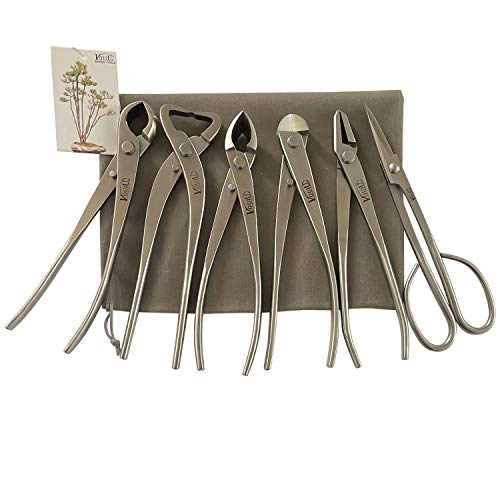
Product inclusion :Knob Cutter,Trunk Splitter,Concave Cutter,Wire Cutter,Jin Pliers and Bonsai Scissors
Recommended Personal Protective Equipment
Choosing the right personal protective equipment (PPE) is vital for a safe power carving experience. To start, safety glasses are a must. They protect the eyes from flying wood debris and dust, which can cause serious injuries. Next, using a respirator or dust mask is important. This equipment prevents inhaling harmful fine particles and fumes emitted during carving. Additionally, wearing cut-resistant gloves, graded at least level 7, safeguards hands from cuts and abrasions when handling carving tools. Finally, consider hearing protection, like earplugs, and choose lightweight, non-slip footwear. These choices enhance stability and minimize the risk of slips or falls in a workshop setting. Many non-toxic options available ensure that the PPE used is safe for both the user and the environment. Prioritizing PPE guarantees a safer and more enjoyable carving experience.
Recommended Products

HANDLE SHARP METAL & GLASS WITH CONFIDENCE: ANSI/ISEA 105 Cut Level A6 protection shields hands from sheet metal, glass, stamped parts, blades, and razor-edged materials that lower-rated gloves can't stop. Also rated ANSI Level 3 Abrasion and Level 2 Puncture Resistance.

AeroDex engineered yarn delivers extremely lightweight A7 cut resistant gloves that are 50% lighter than a traditional HPPE of the same ANSI cut level

FEEL THE WORK, NOT THE GLOVE: AEROFIT Precision Comfort Technology delivers superior tactility and sensitivity, enabling professionals to perform high-precision tasks with confidence when handling sharp materials and components.
Preventing Chemical Exposure Risks
How can individuals guarantee they minimize their exposure to potentially harmful chemicals while engaging in power carving activities? First, wearing protective gear, such as gloves, eyewear, and masks, is essential when handling substances like fertilizers and pesticides. Proper storage of these chemicals in clearly labeled, child-proof containers guarantees safety from accidental exposure for pets and children. Following the manufacturer’s instructions meticulously, including application rates and safety precautions, further reduces risks. Additionally, it’s wise to avoid chemical application on windy days to prevent drift to unintended targets. Finally, considering organic alternatives can help minimize both chemical exposure and environmental impact. By adopting these practices, individuals can confidently enjoy their power carving projects while prioritizing their health and safety. Regularly testing critical parameters of your bonsai soil, such as pH and nutrient levels, can also help in making informed decisions about the necessary amendments needed, thereby reducing the reliance on excessive chemical use.
Managing Environmental Factors
Engaging in power carving activities outdoors presents unique environmental challenges that can affect both safety and performance. While working outdoors, users must protect themselves from harmful UV rays by applying sunscreen, wearing hats, and dressing in lightweight clothing. In dense vegetation areas, insect repellent can help prevent irritating bites. Staying hydrated is crucial; drink water regularly to maintain energy and combat heat stress. Weather conditions also play an essential role in safety. Windy conditions can carry wood debris into the eyes, emphasizing the need for eye protection. If using power tools under grow lights, limit exposure time and guarantee eye protection against bright lighting. Aeration stones can improve airflow and drainage, which are essential considerations when managing plant growth while carving outdoors. By being mindful of these factors, individuals can enjoy a safer and more productive carving experience outdoors.
Tool Handling Best Practices
When using power carving tools, mastering proper handling techniques is essential for achieving both safety and precision. Tool handling best practices include securing the tool with one hand while using the other for stability. This helps maintain control and lowers accident risks. Whenever possible, two-handed operation is advised to enhance grip and prevent slips during carving bonsai tasks. It’s important not to grip the tools too tightly; excessive pressure can impair control and increase the chance of errant cuts. Before each use, always check that cutting bits are securely attached. Regularly inspect your tools and bits for wear or damage, ensuring peak performance and safety throughout your carving activities. Following these guidelines will contribute to a safer carving experience. A 4-in-1 soil moisture meter can be a valuable tool for bonsai enthusiasts, as it provides accurate measurements of soil pH, moisture, temperature, and light intensity, which are crucial for maintaining plant health.
Recommended Products

World-Class Beech Workbench: Designed for serious woodworking, carpentry and professional shop use, this workbench features a solid 3 11⁄32" thick European beech wood top that resists warping and delivers stability, precision and reliability
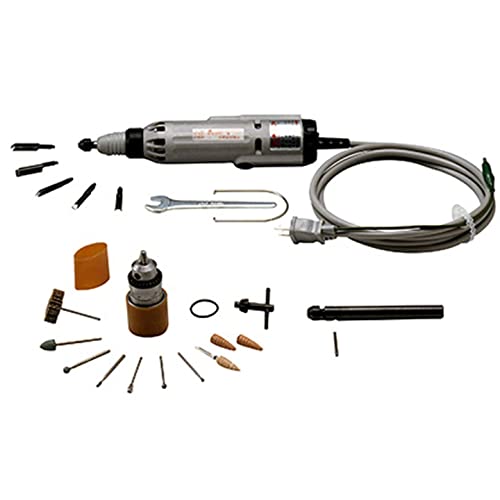
This superb Power Carver tool and rotary tool will cut through wood 3-5 times faster than your average woodcarving tool while using only one-third of the force. This electronic woodcarvers allow for a variety of chisel sizes and shapes. This amazing kit also comes with 10 different rotary cutters to choose from, allowing for smooth cuts however you'd like them.

Possibilities & Abilities: The 4th-axis rotary enables 3D carving curved surface and cylindrical engraving on CNC machines, such as round wood, cans and etc.
Proper Techniques for Using Power Tools
Using power tools effectively requires a few key techniques that enhance both safety and precision during the carving process. First, securely stabilize the bonsai tree to prevent slipping or unwanted movement while applying wood carving tools. Maintaining a steady hand is essential; allow the power tool to work with minimal force, which reduces the risk of losing control. Employ a two-handed operation for greater stability; one hand should guide the tool while the other supports it. Always wear appropriate safety gear, such as eye protection, face masks, and hearing protection, to shield against debris and noise. Finally, check your power tools regularly, ensuring that cutting bits remain sharp for efficient and safe carving. Regular maintenance is crucial for sustaining tool performance over time.
Recommended Products

CONTENTS Comes with 30 Concave Cutters and 30 Knob Cutters

Package Include: ・1 Yasugi Steel Satsuki Scissors ・1 of Concave Cutter ・1 of Knob Cutter ・1 of Jin Pliers ・1 of Bonsai Wire Cutter ・1 of Root Cutter ・1 of Bonsai Tool Roll Case - Cutters: S55C Carbon steel, Black Coated. Scissors: YCS3 Alloy Tool Steel ※YCS is a trademark of Hitachi Metals, Ltd.

CONTENTS 30x each of the following: Root Rake, Shear, Root Pick, Moss brush, Stiff Bamboo Root Rake
Maintenance and Care for Tools
Maintaining power carving tools is important for both safety and performance. Users should regularly inspect these tools for any signs of wear, replacing broken bits to guarantee top cutting efficiency. After each use, it’s important to clean the tools with a torch and brass brush, removing debris to prevent buildup that could affect their performance. Lightly lubricating collets is necessary; this keeps them free from dust and enhances the fit with cutting tools. In addition, storing tools in a dry and organized manner is essential to avoid damage. Using 304 stainless steel in soil sifter sets ensures durability and rust resistance, which is a concept that can also be applied to selecting durable materials for power carving tools. Finally, following the manufacturer’s guidelines for maintenance will help extend the lifespan of the tools, promoting safer and more effective use throughout various bonsai projects.
Recommended Products

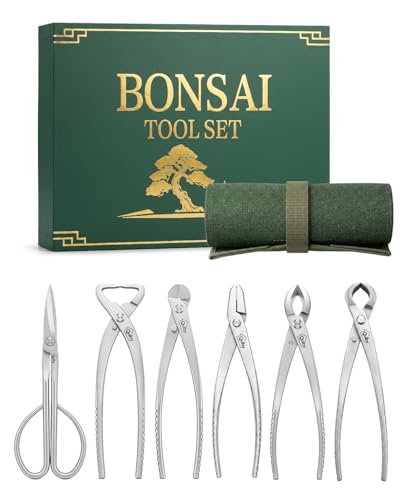
【Perfect Bonsai Gift Set - Ready to Impress】Elegantly packaged in a luxury gift box, this Quiby bonsai tools set is a perfect gift for bonsai lovers, bonsai starter, gardeners, and plant enthusiasts. Ideal for birthdays, holidays, and special occasions—ready to gift with no extra wrapping needed.

The product is used for the creation and maintenance of bonsai
Recognizing Common Hazards
Recognizing common hazards associated with power carving tools is essential for ensuring a safe and effective woodworking experience. Operators should be aware that improper use or lack of protective gear greatly increases the risk of severe injuries. In addition, faulty cutting heads not designed for high-speed rotation can fail, potentially sending dangerous projectiles flying. It’s also important to remember that wood debris can create respiratory hazards; consequently, wearing adequate face and breathing masks is vital. Regularly inspecting tools, such as ensuring collets fit correctly, enhances user safety and prevents tool failure. Ultimately, awareness of these hazards—combined with proper protective gear—will help create a safer environment for all users of power tools in woodworking. Moreover, the ergonomic handle design of certain tools contributes to comfort and control, reducing fatigue during extended use and further enhancing safety.
Staying Alert During Carving Sessions
Staying alert during carving sessions is essential for both safety and quality of work. When carving Bonsai, focus is important. Avoid conversations or distractions, as they can lead to accidents and affect precision. Take regular breaks to rest your hands and eyes; fatigue can reduce awareness and increase injury risks. Make sure the workspace is well-lit and organized, preventing slips or missteps caused by clutter. Using both hands with a two-handed grip on the power carving tool provides stability. Don’t exert too much force, as this helps maintain control. Be conscious of the operational noise. It can mask warning sounds, so it’s important to stay alert to both the tool’s performance and the surrounding environment.
Post-Operation Safety Measures
After using power carving tools, it is essential to follow specific post-operation safety measures to guarantee a safe and organized workspace. Always wear protective gear while handling tools, even after use. First, make certain the tools are turned off and unplugged to avoid accidental activation. Allow the tools to cool down to prevent burns from hot surfaces. Next, inspect cutting bits and accessories for any wear or damage; sharp and intact tools ensure safety and effectiveness. Then, clean the workspace thoroughly to remove wood debris and dust, which can create tripping hazards or fire risks. Finally, store tools and accessories securely to prevent accidents while retrieving items for future projects.
Frequently Asked Questions
What Is the Rule of 3 in Bonsai?
The Rule of 3 in bonsai signifies the importance of grouping elements in threes to enhance visual harmony. Its application technique fosters balance, encouraging dynamic interactions while allowing for personal expression beyond the foundational guideline.
What Safety Equipment Should Be Worn When Practicing Wood Carving?
When practicing wood carving, one should wear protective gear including carving gloves, eye protection, and a dust mask. These precautions help guarantee safety by minimizing risks from sharp tools, debris, and harmful particles.
Do You Need Special Tools for Bonsai?
Special tools are essential for bonsai maintenance, as they provide the precision required for detailed carving. Recommendations include specialized options like the Terrier™ and high-quality cutting accessories to guarantee effective and artistic shaping of bonsai trees.
How Long Do You Leave the Wire on a Bonsai Tree?
Wire removal timing for bonsai typically ranges from 2 to 4 weeks. Factors like bonsai wire types and wire wrapping techniques influence this duration, as faster-growing species may need adjustments sooner to prevent bark damage.