As an Amazon Associate, we earn from qualifying purchases. Some links on this site are affiliate links at no extra cost to you. Our recommendations are based on thorough research and editorial judgment.

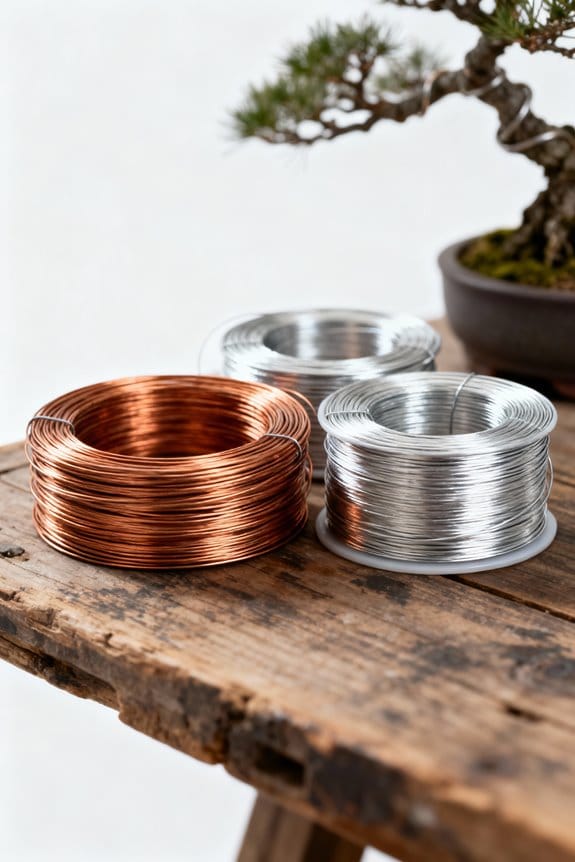
When to Use Aluminum Wire and When to Use Copper Wire on Bonsai

When wiring bonsai, use aluminum wire for smaller branches, as it is easier to bend and less likely to scar the bark. It’s great for beginners. On the other hand, copper wire works best for thicker branches due to its strength and stability. Apply copper in late winter or early spring for best results. Remember to monitor your branches regularly to prevent injury. Mastering these techniques can enhance your bonsai experience and artistry.
Key Takeaways
- Use aluminum wire for smaller branches due to its softness and flexibility, making it easier to manipulate.
- Copper wire is preferred for thicker branches, offering better holding power and stability.
- Choose aluminum for deciduous species and copper for conifers to match the wire’s properties with the tree type.
- Use aluminum wire to minimize scarring on thin-barked species; copper may be better for high-value bonsai.
- Monitor wired branches regularly regardless of wire type to prevent injury and promote healthy growth.
Optimal Timing for Wiring Bonsai
When considering the ideal timing for wiring bonsai, one must recognize the significance of seasonal changes in tree behavior. The prime timing for major wiring is late winter or early spring, when the trees are dormant. During this period, the absence of foliage simplifies the application of wire. However, wiring during the growing season, especially in spring, demands vigilance. Branches grow quickly and can overtake wires in just one to four months. Summer is suitable for smaller branches, but caution is needed to prevent bark separation, as branch health increases. Autumn is typically discouraged for wiring, as new buds start developing. Therefore, winter remains the best season for using copper wire, ensuring effective shaping without permanent scarring. For optimal results, it’s crucial to select high-quality materials to ensure durability and effective bonsai shaping.
Comparing Aluminum and Copper Wire
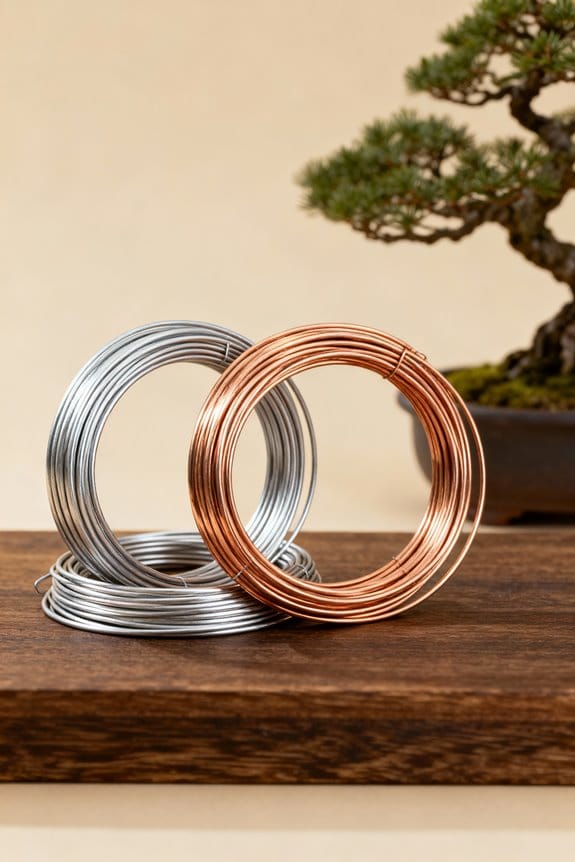
Choosing the right wire for bonsai practice can greatly impact the shaping and health of the trees. Aluminum wire is softer and easier to manipulate, making it an excellent choice for beginners and delicate branches. In contrast, copper wire is stronger and provides better holding power for thicker branches, even in smaller diameters. As time goes on, copper wire gradually blends with the bonsai tree’s trunk, enhancing its aesthetic appeal, while aluminum remains visible. For conifer trees, copper is the preferred option due to its durability in securing heavy branches, while aluminum is often used for deciduous species. Though more affordable, aluminum wire may not deliver the same long-term benefits as copper, especially for high-value bonsai specimens. Wazakura Annealed Copper Wire is renowned for its superior strength and is particularly recommended for serious bonsai training.
Recommended Products
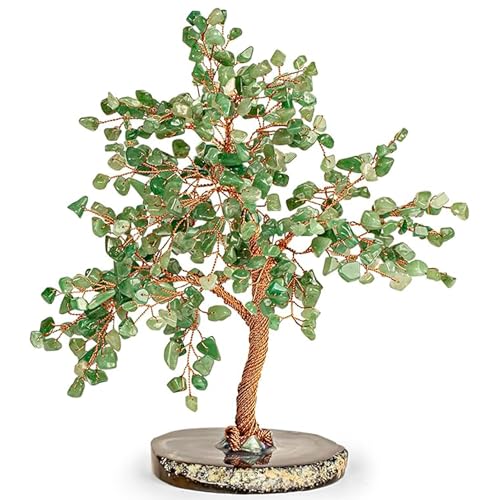
Tree of Life Crystal Decor for Home & Office: Designed to bring a calming, meaningful touch to desks, shelves, meditation corners, and yoga spaces; this jade gemstone tree blends spiritual symbolism with elegant decorative styling

🔮 HIGH ENERGY AVENTURINE CRYSTALS: "Stone of Opportunity",the luckiest of all crystals, manifesting prosperity wealth,for increasing favor in competitions or games of chance.Our Gemstone Tree is handmade with exactly 1,300 positive energy, hand-selected, gem grade crystals! Green represents health, has a good effect on relieving bad emotions.It calm the heart down, make people feel quiet.Our Crystal Bonsai Tree offers environmental blessings to any room in your home, office spiritual work space

GEMSTONE MONEY TREE: This Feng Shui Tree of Life is hand-twisted with copper wire.also known as the "Wishing Tree"it serves as a powerful symbol of abundance and prosperity.This Crystal Tree is ideal for home decoration,infusing spaces with positive Crystal Energy.Placing it in your living room or office attracts wealth and all good things.This exquisite gemstone tree is a thoughtful addition to any space,radiating positive energies and inviting prosperity into your life.
Advantages of Using Aluminum Wire

Aluminum wire offers several advantages that make it an excellent choice for wiring bonsai trees, particularly for beginners. Its softness and flexibility make it easier to work with, allowing users to shape branches without exerting excessive force. This is especially beneficial for delicate species, where damage to the thin bark is a concern. The anodized finish of aluminum wire reduces the risk of scarring, enhancing the tree’s overall health during the wiring process. Additionally, aluminum is widely available and cost-effective, making it easy to purchase in bulk rolls. The broader contact area of aluminum bonsai wire minimizes the chance of bark damage, ensuring a safer experience for those just starting their bonsai journey. Anodized Aluminum wire provides a variety of aesthetically pleasing colors, which can enhance the visual appeal of bonsai trees while maintaining ease of use.
Recommended Products

Aluminum wire, anodized coating
Aluminum wire, anodized coating
Aluminum wire, anodized coating
Benefits of Choosing Copper Wire
Many bonsai enthusiasts recognize the numerous benefits of choosing copper wire for their wiring needs. Copper wire is generally stronger than aluminum, which makes it ideal for supporting thicker branches with a smaller diameter. As it is applied, copper hardens, providing greater stability for branch positioning over time. It is particularly beneficial for conifer branches, known for their weight and the need for secure shaping. Additionally, copper wire’s aesthetic qualities are remarkable; as it weathers, it fades to match the tree trunk, creating an aesthetically pleasing appearance. While it can be more challenging to work with due to its rigidity, proper annealing techniques can simplify handling and reduce the risk of damage to branches during the wiring process. When selecting wire for bonsai, consider anodized aluminum for its flexibility and corrosion resistance, especially for beginners or when working on smaller branches.
Recommended Products

Package Content: the package contains a 12 gauge wire for jewelry making, packed with a reel, which can effectively avoid abrasion and are easy to extract and place; And this copper wire adopts copper material, which is reliable to apply

JAPANESE PRO BONSAI WIRE: It is a Japanese wire for bonsai training. It is a bonsai tool that professional bonsai artists also use. Please use a bonsai wire cutter when cutting.

What You Will Receive: the package contains 1 reel of bare copper wire, long enough to meet your many different needs
Aesthetic Considerations in Wire Selection
When it comes to the aesthetic aspects of wiring bonsai, selecting the right type of wire is essential for achieving a visually pleasing result. Aesthetic considerations often lead bonsai enthusiasts to favor copper over aluminum. Copper wire fades over time, making it less noticeable against the trunk, which enhances the tree’s natural beauty. Smaller wire gauge copper allows for securing thicker branches discreetly. While aluminum is easier to handle, its darker color can distract from the overall visual appeal of the bonsai. Ultimately, using copper and selecting the appropriate wire gauge can elevate the aesthetic quality of exhibition trees, allowing them to harmonize beautifully with their surroundings as they mature. Copper wire, known for its stronger holding power than aluminum, provides not only aesthetic benefits but also practical advantages in supporting intricate bonsai designs.
Health Considerations for Bonsai Trees
To guarantee the health of bonsai trees, careful attention must be paid to the type of wire used during the training and shaping process. Bonsai experts recommend using aluminum wire, as it presents fewer long-term health risks than copper. However, if improperly anodized, aluminum may still pose toxicity threats. Additionally, copper wire can develop a harmful green patina, known as verdigris, particularly damaging to certain trees like fruits. Both materials require careful monitoring to prevent wire-related injuries. It’s imperative to check wired branches frequently, adjusting or removing wire sooner rather than later. This vigilance helps maintain the tree’s liveliness and guarantees that improper wiring does not lead to scarring or stress, fundamental health considerations for bonsai care. Regular maintenance and care of bonsai tools, including wire cutters and pliers, is essential for ensuring optimal performance and preventing rust, which can further impact tree health.
Techniques for Effective Wiring
Effective wiring is essential for shaping bonsai trees, as it fosters the desired form while ensuring the branches remain secure. For deciduous species, aluminum wire is easier to wire due to its gentle grip on thin bark, especially suitable for smaller branches. In contrast, copper wire is recommended for coniferous trees, as it provides the strength needed for heavier branches and significant bends. When applying wire, select a thickness approximately one-third the branch’s diameter to balance support and minimize damage. For branches of similar thickness, double-wiring helps maintain their positions effectively. Remember to complete wiring before bending branches, as this preserves their integrity and prevents accidental damage during the process. Consistency in technique is key to successful wiring. Using soil moisture meters can ensure optimal watering, which is crucial for maintaining the health of wired branches and preventing root damage.
Recommended Products

Optimal Full Spectrum: Kihung 2ft led grow light has two rows of high quality led grow light strips output 400nm-800nm, infinitely close to sunlight, to improve growth performance for all growing stages of the plants(Germination to flowering). Our t8 grow lights 2ft also have Ra95+ and 3000K color which is eye-friendly, give you and your plants a warm and comfortable environment

Aluminum wire, anodized coating
User Experiences and Preferences
Many bonsai enthusiasts have varied experiences when choosing between aluminum and copper wire, reflecting their unique preferences and needs. For beginners, aluminum wire is often the wire of choice due to its affordability and ease of use. Users who work with high-value or competition trees frequently favor copper wire, despite its challenging application, because of its superior holding power. The community shares that softer annealed wire helps reduce hand fatigue while providing better results when wiring branches. Some practitioners use aluminum wire for smaller branches but switch to copper for thicker ones, balancing practicality with effectiveness. Preferences vary; some bonsaiists prefer aluminum to minimize scarring on thin-barked species, while others choose copper for its aesthetic qualities and strength. Additionally, using specialized carving tools can enhance precision and control when shaping bonsai trees, ensuring that detailed work is achieved with ease.
General Advice for Bonsai Wiring Beginners
While starting with bonsai wiring may seem intimidating, beginners can find success by following a few straightforward guidelines. Using anodized aluminum wire is recommended, as it is easier to handle and less likely to harm thin-barked trees. For effective support, the wire should be about one-third the thickness of the branch being wired. Regularly monitor wired branches, since they may grow over the wire within one to four months, possibly damaging the bark. Beginners may also benefit from using multiple strands of wire for stronger branches or significant bends. Additionally, experimenting with both aluminum and copper wire can help novices understand their unique properties and find the best applications for their bonsai. It is important to remember that wiring should enhance the tree’s natural characteristics, aligning with specific bonsai styles for optimal aesthetics.
Recommended Products

New 1Kg Genuine Japanese Yagimitsu Aluminum Dark Brown Bonsai Tool Training Wire

Garden tool organizer: Gardening hand tools includes Portable Gardening Mat, Bonsai Wire with Cutter(Total 262 Feet), Big Bonsai Scissors, Straight Scissors, Leaf Cutters, Mini Wide Shovel, Pruning Shears, Mini Shovel, Mini Rake, Brush, Tweezers, Bucket Shovel,Organizer Bag

12 Gauge Anodized Aluminum Wires for Crafts: The wire serves as great aluminum jewelry making wire, sculpting wire, bonsai wire, beading wire, modeling wire, aluminum floral wires, decorative wire, aluminum armatures wire, & wrapping wire.
Frequently Asked Questions
When to Use Aluminum Wire Vs Copper Wire?
In the great wire showdown, aluminum dazzles with its gentle touch and beginner-friendly benefits, while copper reigns supreme with unmatched advantages in strength and wire durability, ideal for sturdy conifers and majestic artistry in bonsai.
Can I Use Aluminum Wire for Bonsai?
Aluminum wire benefits bonsai enthusiasts due to its ease of manipulation and gentler application. A wire thickness comparison indicates it should be one-third the branch thickness, enhancing bonsai wire techniques without damaging delicate bark.
What Is the Rule of 3 in Bonsai?
The Rule of 3 in bonsai emphasizes grouping elements in threes, enhancing visual appeal. This technique influences growth patterns and wire tension considerations, guiding bonsai styling techniques for dynamic, natural compositions that captivate the observer.
Can You Use Copper Wire on Bonsai?
Copper wire can be used on bonsai, offering benefits like stronger holding power. Its thickness impacts support, while proper wiring techniques and monitoring guarantee effective use without harming the tree, especially in sensitive species.