As an Amazon Associate, we earn from qualifying purchases. Some links on this site are affiliate links at no extra cost to you. Our recommendations are based on thorough research and editorial judgment.


Best Bonsai Species for Absolute Beginners

For beginners, the best bonsai species include Ficus, Dwarf Jade, and Chinese Elm. These varieties are low-maintenance and adapt well to indoor conditions. Ficus bonsai thrives in bright light and needs regular watering. Dwarf Jade is perfect for busy individuals, as it can survive long droughts. Chinese Elm is hardy and can handle care mistakes. Choosing any of these species provides a gentle introduction to bonsai cultivation, laying a strong foundation for further learning and growth.
Key Takeaways
- Ficus bonsai is low maintenance and thrives indoors, making it ideal for beginners.
- Dwarf Jade is resilient and requires minimal care, perfect for busy individuals.
- Chinese elm adapts well to various conditions and handles care mistakes effectively.
- Juniper is hardy and robust, offering a forgiving option for novice gardeners.
- Hawaiian Umbrella features attractive foliage and is easy to grow, enhancing beginner success.
What Is Bonsai?
Bonsai is a mesmerizing art that transforms ordinary trees into extraordinary miniature landscapes. This ancient practice, popularized in Japan, focuses on cultivating small trees indoors, creating stunning visual displays. To start, beginners can select beginner bonsai trees, such as the Ficus or Pomegranate, which are forgiving and thrive in indoor environments. Bonsai enthusiasts emphasize that almost any tree species can be adapted into bonsai, but understanding the types of bonsai trees is vital. Proper care involves trimming, watering, and seasonal dormancy, ensuring the tree remains healthy. Joining local bonsai clubs can provide mentorship and invaluable support, guiding novices through the world of bonsai while helping them learn the techniques necessary to keep a bonsai flourishing beautifully. Engaging in bonsai gardening can promote patience and creativity, serving as a therapeutic activity while enhancing your home’s aesthetics.
Benefits of Growing Bonsai

The practice of nurturing bonsai offers numerous benefits that extend beyond the aesthetic appeal of these miniature trees. Growing bonsai fosters patience and mindfulness, encouraging a deeper connection with nature. This form of gardening can enhance mental well-being, as it is linked to reduced stress levels and improved mood. Creating unique shapes and styles also allows for creativity and self-expression. Regular care promotes responsibility and commitment, as schedules for watering, pruning, and repotting require diligence. In addition, engaging with bonsai communities means accessing shared learning experiences and mentorship opportunities, which can enhance skills and knowledge. Overall, nurturing bonsai provides fulfilling experiences that enrich both the mind and the heart. A wide range of aroma compatibility options can also complement the bonsai experience, further enhancing relaxation and enjoyment of the environment.
Choosing the Right Bonsai Species

Selecting the right bonsai species can profoundly impact a beginner’s experience. For bonsai beginners, the Ficus bonsai is a wise choice due to its low maintenance and adaptability to various indoor light conditions. The Dwarf Jade, known for its succulent nature, thrives even when neglected for short periods. Both Chinese elm and Juniper bonsai are hardy and tolerant, making them great options for newcomers, as they can handle care mistakes gracefully. Additionally, consider personal aesthetics and placement. Some species, like tropical trees, prefer low light, while others need bright sunlight. Exploring these options allows novice gardeners to find a species that suits their environment and gardening style, enhancing their bonsai journey. For those interested in improving environmental health, bonsai trees such as the Japanese Black Pine and American Sweetgum are excellent choices, as they contribute to soil erosion reduction and offer aesthetic appeal.
Recommended Products

HANDCRAFTED FIBERGLASS SPHERE PLANTER - Each Cosapots Orbo round globe planter is handcrafted from high-quality fiberglass and resin by skilled artisans under the guidance of Belgian architects, the premium alternative to plastic or fiberstone.

【Premium Material】Our Artificial Ficus tree is eternally verdant and deep green with approximately 1792 individual leaves on several sturdy branches.Combined with a natural wood trunk and multiple irregular branching tree branches,the entire tree looks incredibly realistic.Additionally,this 8ft tall fake ficus plant is made of high-quality eco-friendly material,textured and realistic shape,ideal for indoor decoration.

Standing at an impressive 8 feet, the SOGUYI faux Ficus Tree is a masterpiece of lifelike design. The tree's luxurious presence is complemented by a vintage-inspired planter, adding a touch of timeless elegance and natural charm to any space.
Top Indoor Bonsai for Beginners
Finding the right indoor bonsai can greatly simplify a beginner’s gardening experience. The Ficus retusa stands out for its resilience, thriving under bright light with consistent watering. Another easy choice is the Weeping Fig, known for tolerating inconsistent watering and adapting to lower light conditions. Novices may also enjoy the unique appearance of the Hawaiian Umbrella, showcasing attractive foliage and versatile growth. Chinese elms offer great adaptability, making them suitable for both indoor and outdoor settings, but they need moderate watering with well-draining soil. Finally, the dwarf jade, or Portulacaria afra, is a favorite for its low maintenance, surviving long droughts thanks to its succulent nature. Each option presents beginners with manageable care and rewarding results. For effective pruning and care, using quality bonsai cutters can enhance accuracy and promote healthier plant growth.
Recommended Products


Above 10 years old Nana junipre tree .100% Home-Grew.We used all glazed ceramic pot and comes with a great real bamboo stand for free.

Farm-Grown Quality: Nurtured with care on our farm, ensuring robust health and vibrant growth.
Top Outdoor Bonsai for Beginners
Many beginners find outdoor bonsai equally rewarding as their indoor counterparts. The Juniper bonsai tree is often the top choice for novices due to its hardiness and adaptability, making it one of the best bonsai trees for outdoor growing. Another excellent option is the Chinese elm, known for its pest resistance and resilience. For those who admire seasonal beauty, the Japanese maple offers stunning color changes throughout the year. Additionally, frost-hardy species like the Mugo Pine can thrive in colder climates with some winter protection. Choosing native species for outdoor bonsai helps simplify care, as they are more tolerant of local conditions. For indoor enthusiasts, Bonsai Boy Ficus Retusa is a popular choice due to its low-maintenance requirements, making it ideal for beginners enhancing indoor spaces. These trees present a fantastic start for those new to bonsai gardening.
Recommended Products

Brand name: Superthrive
![Organic Plant Magic - Truly Organic™ Fast-Acting Soluble Plant Food: All-Purpose Fertilizer Concentrate for All Flower Vegetable Herb Fruit Tree Shrub Container Garden & House Plants [20 lb Bucket]](https://m.media-amazon.com/images/I/41PAuP3XFuL._SL500_.jpg)
New Label - Same Amazing Product that Plants & Customers LOVE!

COMPACT WALK-IN GREENHOUSE TENT: Ideal for patios, gardens, or backyard spaces, this walk-in grow house helps start seedlings early and extends the growing season for vegetables, herbs, or flowers
Care Requirements for Beginner Bonsai
Caring for beginner bonsai requires understanding the specific needs of each tree species. Beginner bonsai species, like the Chinese elm and dwarf jade, thrive with the right care. Chinese elms adapt well to both indoor and outdoor environments, needing moderate watering and well-draining soil. Dwarf jade, a succulent, is low maintenance and can endure drought, making it perfect for busy beginners. Regular pruning is essential for shaping and encouraging healthy growth. Each species may have unique care requirements, so it’s crucial to research specific needs. Using quality bonsai soil helps maintain the ideal moisture level. Repot bonsai every couple of years in early spring or early summer to ensure healthy root growth. Ultimately, understanding these care tips will lead to thriving beginner bonsai, enhancing enjoyment and satisfaction in this rewarding hobby.
Recommended Products

Fast draining and nurturing: Our succulent potting soil helps prevent root rot and overwatering. Bonsai Jack succulent soil mix is used to enhance bonsai and succulent plants, including Echeveria, Haworthia, Crassula, Lithops, Jade, Aloe and Crassula.

Weight Capacity: 20 lbs

GOLDEN GATE FICUS BONSAI: Known for its spiraling trunk and lush, dark foliage, the Golden Gate Ficus is often associated with prosperity and good fortune. This classic bonsai can bring balance and a calming connection to nature into any home or office space.
Common Mistakes to Avoid
While commencing the journey of bonsai cultivation, beginners often encounter several common mistakes that can hinder their progress. One frequent error is selecting temperate tree species for indoor bonsai, as they typically require outdoor conditions and winter dormancy for peak health. Additionally, beginners may underestimate the watering needs of species like Ficus bonsai, which demand consistent moisture. Neglecting proper lighting for sensitive species, such as Fukien tea, can lead to stunted growth or leaf drop. Another mistake includes failing to repot at the right time or timing pruning improperly, which hinders growth and health. Finally, misjudging indoor locations, like placing bonsai in low humidity spots, can severely affect their development and increase susceptibility to pests. It’s also crucial to recognize the environmental adaptability of bonsai elms, as they thrive in diverse climates and are resistant to dry periods.
Recommended Products
![HOZELOCK - Drip Watering Kit 20 Pot : Complete Stand-Alone System with Select Controller Programmer, Ideal for Potted Plantsand Window Boxes, for Precise, Water-Saving Watering [2803 0000]](https://m.media-amazon.com/images/I/51f1dENMSSL._SL500_.jpg)
Automatic watering for patio pots, hanging baskets, borders, veg patches and greenhouse plants

🌱 Broad Spectrum of Uses: Our Gardeners Dream round pots are versatile, perfect for a range of plants. From perennials, herbs, and flowers in our smaller sizes, to ornamental trees, fruit trees, and shrubs in the larger sizes, these pots cater to all your gardening needs.
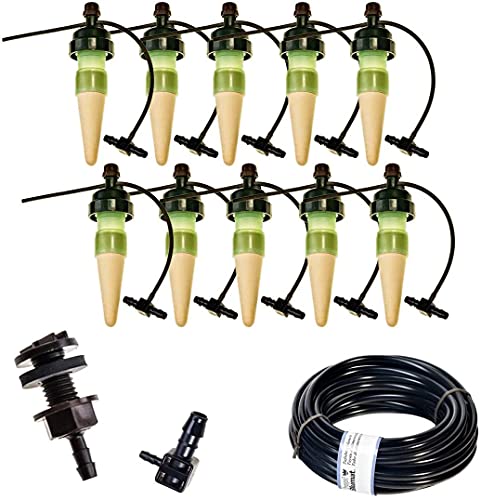
AUTOMATIC DRIP IRRIGATION: Automate your watering without power, batteries, pumps, or timers; They save time, water, and nutrients; provide healthier, more potent, and faster-growing plants
Tips for Successful Bonsai Cultivation
Successful bonsai cultivation starts with the right choices and consistent attention. Beginners should select resilient species like Ficus and Chinese Elm, which require less maintenance. Regular watering and humidity control are essential; Ficus, in particular, thrives in high humidity and needs consistent moisture to avoid stress. Pruning is important for encouraging new leaves and maintaining tree health. This should be done carefully to promote growth near cuts. It’s also crucial to time repotting according to each species’ needs. Repotting during the dormant phase minimizes disruption and supports recovery. Engaging with local bonsai communities can provide valuable insights, resources, and opportunities to observe successful techniques, enhancing the learning experience while cultivating confidence in bonsai care. To maintain a lush canopy in your bonsai, ensure that the tree receives partial shade to protect it from intense sunlight while supporting healthy growth.
Frequently Asked Questions
What Is the Easiest Bonsai Tree for Beginners?
The easiest bonsai tree for beginners is Ficus species, thriving indoors with minimal tree care. Juniper options are excellent for outdoor bonsai, requiring specific soil types and consistent watering frequency alongside proper potting techniques for ideal growth.
What Is the Best Plant for a Starter Bonsai Tree?
In the garden of bonsai possibilities, Ficus retusa stands as a sturdy pillar. Beginners find starter bonsai materials, appropriate pot selection, and essential care tips facilitate mastery of watering, soil types, pruning techniques, and pest awareness.
What Is the Rule of 3 in Bonsai?
The Rule of 3 in bonsai emphasizes balanced design through three key elements, influencing bonsai pruning techniques, indoor bonsai care, and seasonal bonsai care while optimizing bonsai potting tips and watering schedules for healthy growth.
What Is the Most Low Maintenance Bonsai Tree?
Like a resilient houseplant, the Ficus varieties thrive with minimal effort. They offer simple pruning tips, adaptable soil composition, and a forgiving watering schedule, making them ideal for beginners avoiding common mistakes in bonsai care.