As an Amazon Associate, we earn from qualifying purchases. Some links on this site are affiliate links at no extra cost to you. Our recommendations are based on thorough research and editorial judgment.


How to Grow a Bonsai From Seed and What to Expect

To grow a bonsai from seed, start by choosing a suitable tree species like White Spruce. Collect seeds from mature cones in autumn, opting for brown ones. Prepare seeds by soaking and chilling them for 1-2 months. Use a well-draining soil mix, such as akadama topped with bonsai soil. Monitor seedlings closely; they require time and patience to grow. Transplant young plants carefully when they are strong enough. Explore more tips to guarantee a thriving bonsai journey.
Key Takeaways
- Start with a complete kit and select local seeds suitable for your climate, ensuring successful growth.
- Use stratification techniques, like soaking and refrigeration, to prepare seeds for germination.
- Maintain a well-draining substrate, such as a mix of lava rock and bonsai soil, for healthy root development.
- Monitor seedlings for strength and timely repotting once their first leaves harden, using finer soil mixes.
- Be patient, as growing bonsai from seed can take years, requiring consistent care and attention.
Understanding the Basics of Bonsai Cultivation
When commencing on the journey of bonsai cultivation, a solid understanding of its fundamentals is essential. Growing bonsai from seed requires patience, as some species may take up to 22 years to develop into styled trees. Start by selecting seeds from local trees, ensuring they suit your climate. Germination often involves stratification techniques, like soaking seeds and chilling them for 1-2 months. For young seedlings, use a well-draining substrate, adding a layer of lava rock or grit topped with bonsai soil to encourage healthy roots. Regularly monitor your seedlings, noting growth patterns and determining the right time for repotting. This attention will help develop strong trunks and enhance the unique characteristics of your bonsai. Additionally, consider adding eco-friendly options such as recycled plastic pots to your bonsai setup, reflecting a commitment to sustainability while nurturing your plants.
Selecting the Right Tree Species for Bonsai

Selecting the right tree species for bonsai cultivation is a fundamental step in ensuring a successful growing experience. Local tree species often show better adaptability to your climate, increasing their chances of thriving. Ideal choices include broad-leaved and conifer trees, like White Spruce, which are known for their small leaves and aesthetic appeal. When considering tree species, research their specific characteristics, such as leaf size, bark texture, and growth habits. It’s essential to avoid seeds from trees with undesirable traits, as they may not produce satisfactory bonsai in the long run. By thoughtfully selecting suitable tree species, enthusiasts can enhance their bonsai journey, making growing from seed both rewarding and enjoyable. Moreover, selecting species that thrive in hardiness zones 4 to 9 can optimize the growth potential of your bonsai, ensuring it flourishes in your environment.
Recommended Products

Above 10 years old Nana junipre tree .100% Home-Grew.We used all glazed ceramic pot and comes with a great real bamboo stand for free.

LIVE TRIDENT MAPLE BONSAI GROVE: A live multi-tree bonsai planting featuring Trident Maple, creating a natural forest-style display with structured branching and vibrant foliage.

LIVE PLANT: Enjoy this outdoor mini Christmas tree all year around. A slow-growing pyramidal spruce evergreen plants and shrubs with rich emerald green foliage.
Important Seed Collection Techniques
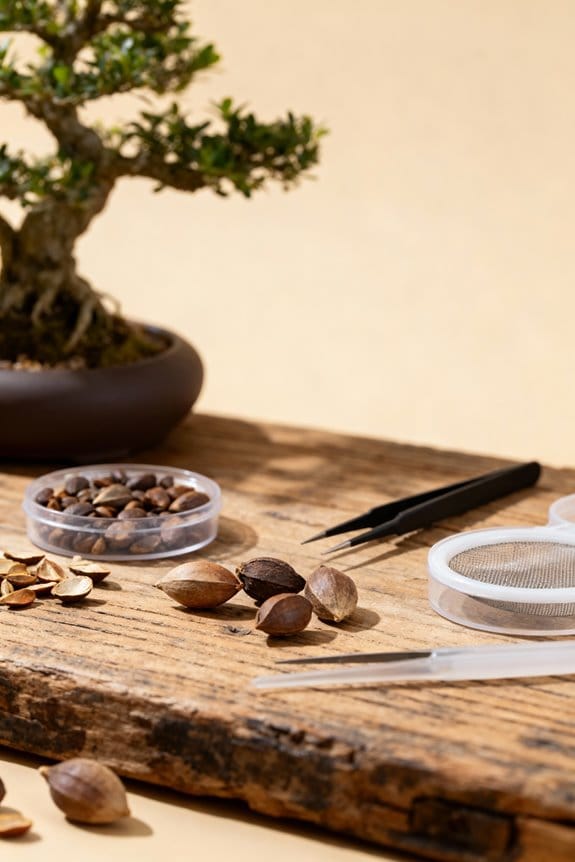
Effective seed collection is essential in the journey of growing bonsai from seed. Start by collecting seeds from mature cones during autumn, ensuring they are brown but not yet open. For spruce cones, heat them at 350°F to help access the seeds. After baking, shake the opened cones in a jar to separate seeds from chaff; the viable seeds will settle at the bottom. It’s important to collect seeds in excess, as not all of them will germinate. Consider over-sowing when planting seeds to increase your chances of success. Additionally, use a water test to clean your seeds. Floating seeds are often less viable, so removing them improves the quality of your collection before planting. Optimal pH levels for Akadama soils range from 5.5 to 6.5, which supports healthy bonsai growth. Happy growing!
Preparing Seeds for Germination
To successfully prepare seeds for germination, it is essential to understand the specific needs of each type. Many tree seeds benefit from a process called stratification, which often includes soaking the seeds in water for a few hours, then refrigerating them for 1-2 months. This mimics the natural conditions necessary for germination. During this period, it is vital to select an appropriate soil mix when planting. A combination of coarse, water-draining substrates like lava rock or grit, topped with standard Bonsai soil, works best. After planting the seeds, they should be spaced adequately to allow air circulation. Maintaining slight moisture will support growth, often resulting in sprouts appearing within the first year. Premium bonsai soils ensure excellent drainage and moisture retention, which are crucial for healthy seed germination and growth. Understanding these factors enhances germination success rates.
Optimal Soil and Planting Techniques
Creating an ideal planting environment is essential for the successful growth of Bonsai seedlings. Start germinating seeds in a coarse, water-draining substrate, such as lava rock or grit. On top, add a layer of standard Bonsai soil to promote optimal growth. When planting seeds, space them appropriately on the soil surface and lightly cover them to allow air pockets. It’s critical to maintain consistent moisture without over-watering; excess can lead to damping off, a fungal issue. Some tree species may need cold treatment, so check their stratification requirements before planting. Incorporate high-quality peat moss to improve nutrient absorption and support strong root growth. Afterward, monitor seedlings closely for adequate light, warmth, and air movement. Make transplanting decisions based on each seedling’s strength and size, ensuring healthy development moving forward.
Recommended Products

Horticultural Grade Vermiculite: Premium organic fine vermiculite, ideal for potting soil for orchids, indoor plants, and succulents. Enhances water retention and nutrient availability for robust growth.
![Organic Plant Magic - Truly Organic™ Fast-Acting Soluble Plant Food: All-Purpose Fertilizer Concentrate for All Flower Vegetable Herb Fruit Tree Shrub Container Garden & House Plants [20 lb Bucket]](https://m.media-amazon.com/images/I/41PAuP3XFuL._SL500_.jpg)
New Label - Same Amazing Product that Plants & Customers LOVE!
![Mycorrhizae 16 Species Inoculant (5 lb) Improves Drought Tolerance + Saves Precious Water + Fertilizer, Root Stimulator • Explodes Root Growth [5 lb Treats 96,000 (4 inch) Plants]](https://m.media-amazon.com/images/I/31AnWV9FtVL._SL500_.jpg)
EXPLODES ROOT GROWTH LIKE MOTHER NATURE INTENDED – The problem is that most soil doesn’t have enough Mycorrhizae. Wildroot Mycorrhizae facilitates the underground nutrition-gathering process that supports and replenishes the roots of plants to ensure the strongest and healthiest plants.
Germination and Early Growth Monitoring
As germination begins, it is important to closely monitor the early growth of Bonsai seedlings. Many species require cold stratification, so guarantee proper soaking and refrigeration before planting. Monitoring temperature and humidity is essential, as warmth enhances growth, especially for indoor seedlings. Germination can take months, with some seeds sprouting as late as February. During this time, young trees need careful observation. Aim for trunks around thumb size and encourage movement in young trees as they grow. Use techniques like lightly covering seeds with coir to create air pockets for healthy root work. Remember, developing a Bonsai from seed can take years, but diligent monitoring leads to rewarding results in your miniature garden. Using adjustable vents in your germination dome can help maintain optimal humidity and temperature, ensuring healthier growth and a higher success rate for your Bonsai seedlings.
Transplanting and Repotting Young Seedlings
Transplanting young seedlings is an important step in developing a healthy Bonsai tree. As the seedlings grow, they should be repotted from garden soil to a finer mix, like akadama, to promote better root development. The first repotting should occur after the seedlings’ first leaves harden, ensuring they are well-established. Ideal timing for repotting depends on the seedlings’ size and strength; stronger ones are ready for immediate transplanting, while weaker specimens need more care. Transplanting seedlings into shallow trays encourages horizontal root growth, mitigating the impact of cutting taproots. Careful attention is vital during this process to avoid damaging roots, especially when removing seedlings from compacted garden soil, which could lead to coarser root systems. Using a bonsai repotting kit with bonsai soil promoting healthy root growth can further enhance the development of young seedlings.
Recommended Products

Package Include: ・1 Yasugi Steel Satsuki Scissors ・1 of Concave Cutter ・1 of Knob Cutter ・1 of Jin Pliers ・1 of Bonsai Wire Cutter ・1 of Root Cutter ・1 of Bonsai Tool Roll Case - Cutters: S55C Carbon steel, Black Coated. Scissors: YCS3 Alloy Tool Steel ※YCS is a trademark of Hitachi Metals, Ltd.
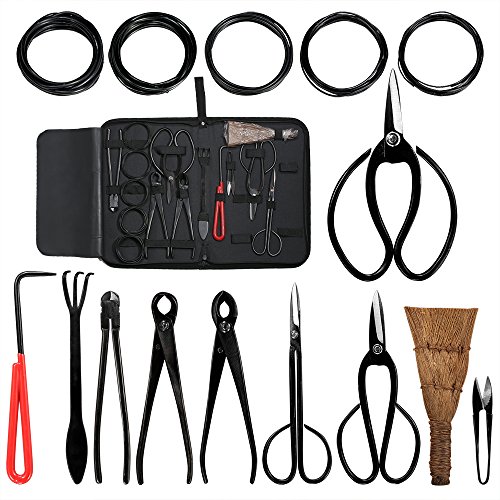
Including Leaf Trimmer, Scissors, Jin pliers, Root Hook, Knob Cutter, Aluminium Wires and Wire cutter, etc. All well packed in a Nylon zipped case.

【Specification】【Scissors】 Size: L 7.08 x W 3.74 x H 0.67 in (180mm x 95mm x 17mm) | Length of Blades: 2.04inches(52mm) | Weight: 5.5oz (156g) | Material: S58C black carbon steel | Made in Japan (Niigata prefecture) 【Concave Branch Cutter】Size: L 7.87 x W 1.96 x H 0.78 in (200 x 50 x 20 mm) | Length of Blades: 0.98 in (25 mm) | Weight: 6.7 oz (190 g) | Material: S55C Carbon steel | Black Coated | Made in Japan (Niigata prefecture)
Techniques for Successful Bonsai Development
Growing a Bonsai from seed requires more than just careful planting; it involves specific techniques to guarantee successful development. Start by selecting local seeds that thrive in your climate, ideally planted in the fall. Use stratification by soaking the seeds and refrigerating them for 1-2 months to encourage proper germination. After planting, utilize a coarse substrate, such as lava rock, mixed with standard bonsai soil to promote healthy root growth. Monitoring seedlings is essential; give them at least a year to develop strong roots before repotting. Early wiring will shape your developing Bonsai and help avoid complications later, especially if aiming for a shohin bonsai under 10 inches. Don’t forget to incorporate occasional pruning for a refined appearance. For a rewarding bonsai growing experience, consider opting for complete kits that include seeds, tools, and instructions, especially if you’re a beginner looking to cultivate different bonsai varieties.
Recommended Products

All-Inclusive Essentials: Covers every necessary tool for bonsai pruning, shaping, wiring, and maintenance, no extra purchases needed.

Transform Your Garden: Arriving at 3-4 inches tall, this charming Jacaranda Tree is the perfect beginning for your garden. As it grows, this live bonsai tree evolves into a striking focal point, enhancing your outdoor space with its enchanting presence.

【Specification: Concave Cutter】Size: L 7.87 x W 1.96 x H 0.78 in (200 x 50 x 20 mm) | Length of Blades: 0.98 in (25 mm) | Weight: 6.7 oz (190 g) | Material: S55C Carbon steel | Black Coated
Common Challenges and Solutions in Bonsai Cultivation
Steering through the world of bonsai cultivation presents numerous challenges that can discourage beginners. Germination is a slow process; for instance, Japanese Black Pine requires cold stratification for six weeks. Too much moisture can cause damping off, a fungal issue threatening seedlings. It is vital to understand each tree’s specific stratification needs to guarantee successful germination. Additionally, transplanting seedlings too early or in poor soil can stunt their growth. Monitoring seedling strength before repotting into finer soil mixes, like akadama or lava rock, is essential. Growing outdoors typically produces stronger seedlings due to better light and airflow. New cultivators must remember that nurturing bonsai from seed takes years, demanding consistent care and patience to develop healthy trees. Regular maintenance is necessary to keep bonsai tools sharp and performing optimally, ensuring precision in trimming and pruning tasks.
Recommended Products

FEEDS UP TO 6 MONTHS: Miracle-Gro Potting Mix is a gardening soil for outdoor containers that feeds all types of potted plants, including flowers, vegetables, shrubs, annuals, and perennials for up to 6 months

Brand name: Superthrive

Derived for Maximum Growth: Neptune’s Harvest Organic Seaweed Plant Food is an organic seaweed liquid fertilizer made from Ascophyllum Nodosum seaweed (Norwegian kelp) in liquid form, harvested from cold North Atlantic waters; this liquid fertilizer acts as a natural storehouse of over 60 nutrients, amino acids, trace minerals, and natural growth promoters, making it suitable for both indoor & outdoor plants including houseplants, vegetables, flowers, and lawns and is safe for kids and pets
Frequently Asked Questions
How Long Does It Take to Grow a Bonsai From Seed?
The Bonsai growth timeline varies widely, typically taking 4 to 22 years. Effective seed germination process and careful Bonsai seed selection are essential, requiring patience in cultivation and seasonal care tips for successful development.
What Is the Rule of 3 in Bonsai?
The Rule of 3 in bonsai design emphasizes using three distinct elements, enhancing visual balance. Proper pruning, diverse soil types, a well-defined root system, and seasonal care contribute to achieving an aesthetically pleasing composition following this principle.
Can You Really Grow a Bonsai Tree From Seed?
Yes, one can grow a bonsai tree from seeds. Key factors include seed germination tips, appropriate soil selection, adequate sunlight exposure, and consistent watering frequency, ensuring a healthy foundation for the bonsai’s development.
How Do You Take Care of a Bonsai Tree From Seed?
Care for a bonsai tree from seed resembles nurturing a delicate butterfly; it requires a precise watering schedule, suitable soil types, expert pruning techniques, ample ideal sunlight, and diligent pest control to flourish into beauty.