As an Amazon Associate, we earn from qualifying purchases. Some links on this site are affiliate links at no extra cost to you. Our recommendations are based on thorough research and editorial judgment.


Introduction to Deadwood Techniques: Jin and Shari Explained

Deadwood techniques, known as Jin and Shari, add character to bonsai trees. Jin represents bare, dead branches, while Shari highlights a barkless trunk. These methods mimic natural damage, enhancing the tree’s visual appeal. To create deadwood, use specialized tools like Jin pliers and sharp grafting knives. It’s best to work in early spring or late summer for quicker healing. Understanding these techniques will deepen your appreciation for bonsai artistry and tree health as you explore further.
Key Takeaways
- Jin refers to dead branches without bark, while Shari involves removing bark from the trunk, both enhancing bonsai character.
- Both techniques aim to replicate natural damage from elements, adding visual interest to bonsai trees.
- Deadwood creation should occur in early spring or late summer to ensure quick healing of the tree.
- Key tools for shaping include Jin pliers, grafting knives, and lime sulfur for protecting exposed areas from rot.
- Prioritize the overall health of the bonsai, treating injuries properly to balance aesthetics with tree welfare.
Understanding Deadwood in Bonsai
Deadwood plays an essential role in the art of bonsai, greatly enhancing its visual appeal. It consists of components such as Jin, the bare-stripped part of a branch, and Shari, the barkless section of the trunk. These elements create a natural look by mimicking the effects of weather and age, adding character to evergreen species. To effectively create deadwood, it’s best to work during early spring or late summer when the tree can heal quickly. Using specialized tools like Jin pliers and lime sulfur helps shape these areas while protecting against rot. A gradual approach is vital—observe and adjust the deadwood carefully to guarantee a natural and refined appearance. This thoughtful process makes bonsai trees truly stand out. To maintain the integrity of your bonsai tools, regular cleaning and maintenance are essential, ensuring they remain effective and safe to use.
Overview of Jin and Shari Techniques

In the world of bonsai, mastering the techniques of Jin and Shari is essential for creating enchanting trees. Jin refers to the deadwood on branches, while Shari involves the deadwood on the trunk. Both techniques replicate natural damage from elements like lightning or wind. To create Jin, practitioners remove the bark from dead branches, then shape them with tools such as Jin pliers. The surface is often sanded for smoothness and treated with lime sulfur for protection. The leaves possess a smooth texture with glossy surfaces, and prominent veins enhance detail. Shari, being more intricate, requires a gradual approach over months, ensuring the trunk remains healthy. Both methods enhance the tree’s character, showcasing the beauty of nature, while demanding skill and thoughtful execution from the artist.
Timing for Creating Deadwood

When is the best time to create deadwood on a bonsai tree? Early spring and late summer are ideal for this process. During these seasons, the tree can heal quickly, reducing stress. The timing is essential to maintaining the tree’s overall health. By incorporating Shari techniques during these periods, enthusiasts can enhance the aesthetic and visual impact of their bonsai trees. Deadwood features can mimic conditions found in nature, creating a sense of realism and age. Observing nature’s influence and applying it at the right time leads to successful outcomes. As a result, understanding when to create deadwood not only improves appearance but also guarantees the tree remains healthy and resilient through the transformation. Consider using products like Kiyonal Bonsai Cut Paste to protect cuts during the healing process and prevent infections.
Recommended Products

New Japanese Top Jin M Paste for Bonsai Tree Cut, Wound & Grafting Sealant


Made in JAPAN
Tools Required for Deadwood Carving
Creating an impressive deadwood effect on a bonsai tree requires the right tools and techniques. Essential tools include Jin pliers, which help shape dead branches effectively. A sharp grafting knife is vital for isolating bark from the wood, allowing for clean cuts during the carving process. After removing the bark, sandpaper is used to smooth edges, giving the wood a polished appearance. Lime sulfur is important for preserving deadwood, preventing rot, and should be applied with an artistic paintbrush for best results. Specialized graving tools can add intricate details, enhancing the realism of Jin and Shari. Remember, a steady hand and experience with these tools greatly improve the natural look of your bonsai masterpiece. Tools designed with ergonomic designs promote ease during intricate tasks and minimize strain on hands and wrists.
Recommended Products

PRECISE These pliers are designed to cut cleanly, without damaging the bark of the bonsai tree

Package Include: ・1 Yasugi Steel Satsuki Scissors ・1 of Concave Cutter ・1 of Knob Cutter ・1 of Jin Pliers ・1 of Bonsai Wire Cutter ・1 of Root Cutter ・1 of Bonsai Tool Roll Case - Cutters: S55C Carbon steel, Black Coated. Scissors: YCS3 Alloy Tool Steel ※YCS is a trademark of Hitachi Metals, Ltd.

JAPANESE BONSAI TOOL SET WITH BAG: Made in Japan authentic professional bonsai tool set. These tools can be used for various kinds of bonsai work such as pruning, cutting, daily trimming, wire bending and cutting, jin making, moss and soil cleaning, and repotting work. ALL items are produced and finished by a blacksmith and craftsman in Nigata Tsubame Sanjo, a city of Japanese leading cutlery town.
Step-by-Step Guide to Creating Jin
After gathering the necessary tools for deadwood carving, attention shifts to the creation of Jin, a striking feature that enhances the character of a bonsai tree. Begin the process by selecting a suitable dead branch. Carefully strip the bark using specialized Jin pliers to reveal the hardwood beneath. Next, shape the exposed branch into the desired form, manipulating it with the Jin pliers while smoothing sharp edges with a concave cutter or sandpaper. Once shaped, apply Lime sulfur with an artistic paintbrush to protect the Jin from rot. High-quality materials, like manganese or high-hardness steel, ensure durability and precision in your tools, which is crucial for achieving the desired effect. Allow it to dry and cure for several months, adjusting for a natural appearance. Regular maintenance, including cleaning away green discoloration with a toothbrush and water, preserves the Jin’s aesthetic appeal over time.
Recommended Products
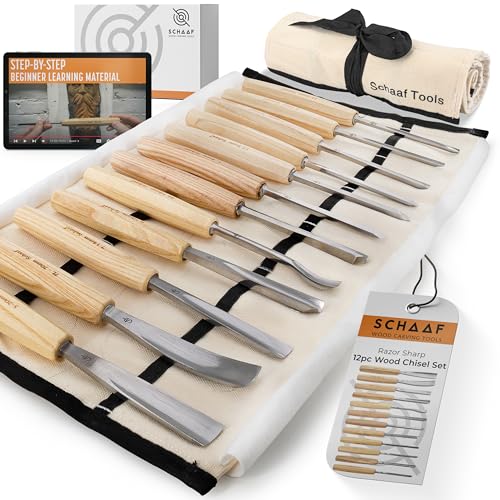
Start any Project – Wood carving tool set features 12 versatile wood carving chisels and gouges you need to start any beginner woodworking project: relief carvings, wood spirits, house signs, caricature figures, bowls and spoons.

Wood Carving Gouges Chisels Kit Built for Comfort: Featuring lightweight Ashwood handles, these palm tools are ergonomically shaped to fit comfortably in your hand, allowing for extended carving sessions without fatigue.

【12 Kinds of Wood Chisel】- The wood carving kit contains a variety of carving tools, straight gouges, carved gouges, spoon gouge, V-straight parting, skew chisel, straight chisel and a nylon hammer, which can easily satisfy various types of carvings such as flower carvings, wood carvings, root carvings, engravings, etc.
Step-by-Step Guide to Creating Shari
To begin the process of creating Shari, selecting an appropriate location on the trunk is essential. Mark the spot with chalk to guarantee precision. Next, use a sharp grafting knife to carefully strip away the bark from this area, taking care not to damage the underlying wood. Gradually, utilize Jin pliers to tear the bark further, creating a natural appearance while being cautious not to harm the tree’s health. Slightly hollowing out the section adds depth and interest. Afterward, apply Lime sulfur to the exposed wood. This step helps prevent rotting and protects against infection. Regularly monitor the Shari as it develops to guarantee that nutrient flow remains intact, making adjustments as needed for the desired look. Using a soil moisture meter can help ensure the plant is not overwatered, which could lead to root rot and compromise the health of the bonsai.
Recommended Products
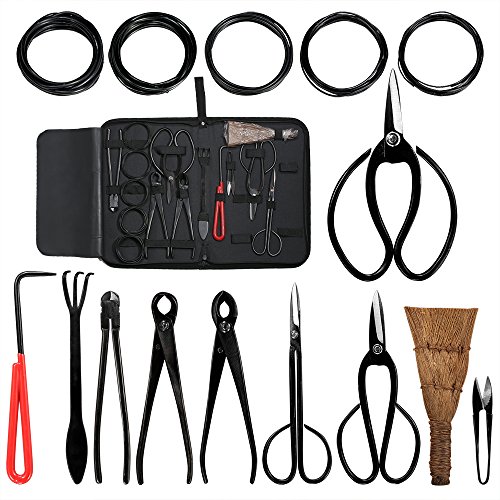
Including Leaf Trimmer, Scissors, Jin pliers, Root Hook, Knob Cutter, Aluminium Wires and Wire cutter, etc. All well packed in a Nylon zipped case.

【Specification】【Scissors】 Size: L 7.08 x W 3.74 x H 0.67 in (180mm x 95mm x 17mm) | Length of Blades: 2.04inches(52mm) | Weight: 5.5oz (156g) | Material: S58C black carbon steel | Made in Japan (Niigata prefecture) 【Concave Branch Cutter】Size: L 7.87 x W 1.96 x H 0.78 in (200 x 50 x 20 mm) | Length of Blades: 0.98 in (25 mm) | Weight: 6.7 oz (190 g) | Material: S55C Carbon steel | Black Coated | Made in Japan (Niigata prefecture)

Size: L 7.28 x W 0.39 x H 0.39inch (L 185 x W 10 x H 10 mm) | Weight: 2.04oz (58g) | Material: Carbon Steel
Enhancing the Natural Appearance of Deadwood
How can one enhance the natural appearance of deadwood effectively? To achieve a lifelike look, start by using wire brushes for final smoothing. This step creates a genuine texture that mimics nature. Before brushing, wrap the jins in a wet towel. This method allows for easier handling and a uniform finish. Specialized tools like Jin pliers and sandpaper also play a vital role. They refine details, ensuring the deadwood often looks authentic. Additionally, focus on creating depth through careful carving. This planning adds to the overall visual appeal of jins and sharis. By paying close attention to these methods, one can transform deadwood into a beautiful and realistic feature in any composition. For optimal results, high-quality materials like carbon steel and stainless steel are recommended for their durability and sharpness retention.
Preserving Deadwood Effectively
Effective preservation of deadwood is essential for maintaining the quality and appearance of Bonsai trees. To achieve this, one must first allow the carved wood to dry for at least four months before applying lime sulfur. This treatment protects against rot and infections. Regular re-treatment is necessary, as lime sulfur kills algae, which threatens deadwood’s appearance and integrity. Additionally, coloring lime sulfur with India ink can reduce the stark, ghost-white look that sometimes occurs. For ongoing maintenance, using a toothbrush and water helps clean any green discoloration that develops over time. Applying a tree wound sealer immediately after pruning can also aid in protecting the wood from environmental stresses and pests. By following these steps, preserving deadwood becomes an effective part of Bonsai care, enhancing both its beauty and longevity.
Key Considerations for Bonsai Health
While creating beautiful deadwood features can enhance a Bonsai tree’s aesthetics, it is essential to prioritize the overall health of the tree throughout the process. When applying Jin, only focus on completely dead branches to avoid harming the living parts. Shari techniques should be executed gradually to protect critical trunk areas, reducing the risk of disrupting nutrient flow. Regularly monitoring the bonsai tree’s condition is important; watch for signs of stress or decline. After employing deadwood techniques, treat the exposed areas with lime sulfur to guard against rot and infections. Applying effective wound treatments is crucial to promote healthy growth and longevity. This consistent care helps maintain both the tree’s health and the attractive appearance of its deadwood features. Balancing artistry with responsibility is key.
Recommended Tree Species for Deadwood Techniques
Choosing the right tree species can considerably enhance the effectiveness of deadwood techniques in bonsai. The Chinese Juniper is highly favored for its resilience, easily handling intensive work and multiple applications of Jin and Shari. Similarly, Shimpaku Juniper and Eastern White Pine are excellent choices, as they can withstand carving techniques well. Evergreen trees, in general, are ideal for these deadwood methods, while deciduous trees usually do not perform as effectively. Specific varieties like Juniperus chinensis are particularly popular for achieving striking deadwood effects. Engaging with fellow bonsai enthusiasts can provide valuable insights into which species best match individual styles and preferences in deadwood carving. This community support can help refine the art of Jin and Shari beautifully. For instance, the Chinese Elm bonsai plant is known for its adaptability and aesthetic appeal, making it a potential candidate for enhancing indoor bonsai displays.
Recommended Products


Above 10 years old Nana junipre tree .100% Home-Grew.We used all glazed ceramic pot and comes with a great real bamboo stand for free.

8 years old.
Community Engagement and Learning Opportunities
Community engagement plays an essential role in learning about deadwood techniques in bonsai. Active participation in discussions within the bonsai community allows enthusiasts to share valuable insights about Jin and Shari methods. For example, a popular post discussing deadwood garnered 1.2K reactions and 55 comments, highlighting a robust interest in these techniques. Such engagement encourages users to collaborate, fostering a rich environment for exchanging experiences and improving their skills together. By discussing terminology and its application, participants deepen their appreciation for bonsai aesthetics. This collaborative spirit empowers both beginners and experienced practitioners to learn, enabling them to make informed choices when selecting the right trees and choosing how to branch to create stunning displays in their bonsai collections.
Frequently Asked Questions
What Is the Ideal Age of a Tree for Deadwood Techniques?
Ideally, trees between 10 to 20 years provide a sweet spot for deadwood techniques, where health is most favorable. Older trees might throw temper tantrums, refusing to cooperate with practitioners of the artful craft of tree management.
Can Deadwood Techniques Be Applied to All Bonsai Species?
Deadwood techniques can be applied to many bonsai species, but species suitability varies. Some trees may respond better than others, underscoring the importance of technique adaptability based on the individual characteristics of each bonsai species.
How Can I Tell if My Tree Is Healthy Enough for Deadwood?
To determine if a tree is healthy enough for deadwood techniques, assess tree health indicators such as leaf color and growth patterns, alongside a thorough evaluation of the root system for strength and stability.
What Are Common Mistakes to Avoid in Deadwood Carving?
Like a sculptor shaping marble, one can avoid common mistakes in deadwood carving by selecting appropriate carving tools, neglecting deadwood aesthetics, and ensuring proper technique, consequently preserving the artistry of nature’s intricate design.
How Often Should I Inspect Deadwood for Maintenance?
Inspecting deadwood regularly is essential, ideally every few months. This frequency guarantees protection against decay. Key inspection tips include checking for cracks, pests, and moisture, which can help maintain the longevity and integrity of the wood.