As an Amazon Associate, we earn from qualifying purchases. Some links on this site are affiliate links at no extra cost to you. Our recommendations are based on thorough research and editorial judgment.


How to Grow Bonsai From Cuttings and Air Layering

To grow bonsai from cuttings and air layering, start with healthy plant species like Junipers or Japanese maples. For cuttings, use softwood or semi-hardwood sections taken during late spring or early summer. Place them in a mixture of orchid bark and peat moss for drainage. In air layering, choose the Tourniquet or Ring method to encourage root growth on a tree branch. Both methods require consistent moisture and proper care, ensuring success in your bonsai journey. More techniques await discovery!
Key Takeaways
- Use softwood and semi-hardwood cuttings from species like Junipers and Japanese maples for effective propagation.
- Apply hormone rooting powder to cut ends for enhanced root development and success rates.
- For air layering, employ the Tourniquet or Ring methods to stimulate root growth effectively.
- Maintain a propagation medium of 50% orchid bark and 50% sphagnum peat moss for optimal drainage and aeration.
- Keep the sphagnum moss consistently moist and monitor for new growth as signs of successful rooting.
Understanding Bonsai Propagation Techniques
Understanding bonsai propagation techniques is crucial for enthusiasts aiming to cultivate these miniature trees successfully. Two common methods include cuttings and air layering. When using cuttings, softwood and semi-hardwood are ideal for species like Junipers and Japanese maples. However, air layering offers another efficient option. This method allows one to clone a plant by encouraging a new root system to develop on branches or trunks. The tourniquet method involves wrapping copper wire around the target area and applying rooting hormone. Alternatively, the ring method requires removing a bark ring to stimulate roots. Both techniques typically showcase new roots within 1 to 3 months, requiring careful aftercare to guarantee the survival of the newly propagated bonsai. Rooting hormones play a crucial role in these processes, enhancing root development and increasing the success rate of propagation efforts.
The Benefits of Air Layering for Bonsai

Air layering presents a unique advantage for bonsai enthusiasts. This method of propagation allows individuals to air-layer a tree and create a genetic clone. Unlike other techniques, it promotes faster root development, making it easier to salvage damaged branches. New roots to grow within one to three months enhance the nebari, or root structure, of the bonsai. Additionally, air layering takes nutrients from the parent tree, ensuring strong growth for the new bonsai. Techniques like the tourniquet and ring method cater to various species, especially those that root slowly. Proper aftercare, such as keeping sphagnum moss moist and shielding against cold, further improves the survival rate and resilience of the new plant, benefiting all bonsai enthusiasts. Premium bonsai soils ensure excellent drainage and moisture retention for optimal health of miniature trees, further supporting the successful growth of air-layered bonsai.
Selecting Suitable Tree Species for Layering

Selecting the right tree species for air layering can greatly impact the success of bonsai creation. For effective results, consider species such as Maples, Junipers, Pines, Azaleas, and Elms. These trees benefit from a partially blocked nutrient flow, promoting root growth. In areas where a ring of bark is removed, immediate root development occurs, making species like Maples and Boxwoods particularly suitable for the tourniquet method. When using this technique, encase the exposed area in sphagnum moss around it to enhance moisture retention. Deciduous trees are best layered in April-May, while evergreens thrive from late April to July. Ultimately, selecting the right species guarantees a rewarding air-layering experience for bonsai enthusiasts. To ensure optimal growth and health for your bonsai, seasonal changes in Japanese maples should be considered, as they can enhance garden aesthetics throughout the year.
Recommended Products

Preserved Sphagnum Moss: Ideal for orchids and succulents, this long fiber moss absorbs up to 18 times its weight in water, making it ideal for lining hanging baskets and as soil cover for potted plants

ULTRA CLEAN LONG FIBER QUALITY Handpicked Peruvian long fiber sphagnum moss with a soft springy texture that feels clean, natural and easy to handle. Each batch is carefully sorted to reduce sticks, loose waste and debris, giving you a cleaner workspace and a more attractive finish in pots, baskets and terrariums. The airy strands wrap gently around roots while supporting oxygen flow for orchids, aroids and indoor plants.

Soft, Lush Natural Texture - Mood Moss by SuperMoss offers a full, cushiony texture with rounded, elegant contours that enhance home decor, table decor, and wedding decor. Its natural appearance adds warmth and detail to any display.
The Tourniquet Method: Step-by-Step Guide
To effectively utilize the tourniquet method, one must first prepare the tree correctly. Start by selecting a healthy branch and gently wrap copper wire around it, cutting halfway into the bark. This action partially blocks nutrient flow, encouraging the tree to produce new roots. Next, apply rooting hormone around the wound site to enhance the likelihood of successful rooting. Afterward, wrap the area with moist sphagnum moss, ensuring it stays hydrated. Finally, cover the entire wound with plastic wrap to maintain moisture and create a suitable environment for root development. Within 1 to 3 months, new roots should form. Once established, carefully cut below the new roots for replanting, making sure to keep the moss intact. To achieve optimal growth conditions, consider using nutrient-rich soils like CZ Grain Soil or Fox Farms Ocean Forest Soil.
The Ring Method: Step-by-Step Guide
The ring method offers a unique approach to propagate new roots from a branch by carefully removing a section of bark. To start, make two parallel cuts in the bark, leaving adequate space between them. Then, remove the ring of bark down to the hardwood, which prevents the tree from healing and encourages root growth. It’s crucial to verify the width of the ring is sufficient to avoid healing. After the cut, applying rooting hormone to the exposed area can boost root development. Next, wrap the wound with moist sphagnum moss to maintain humidity and cover it with plastic for a mini greenhouse effect. Regularly monitor the moss, as new roots typically develop within 1 to 3 months. Additionally, using high-quality tools such as those made from durable materials like high-carbon steel can significantly enhance precision and control during the process.
Recommended Products

🌿 SUPERCHARGE YOUR PLANT GROWTH. Make more plants from your favorites! Designed to stimulate rapid root growth, reduce transplant shock, and prevent root rot, this special formula helps cuttings establish faster and grow into resilient, vibrant plants with stronger stems and more leaves.
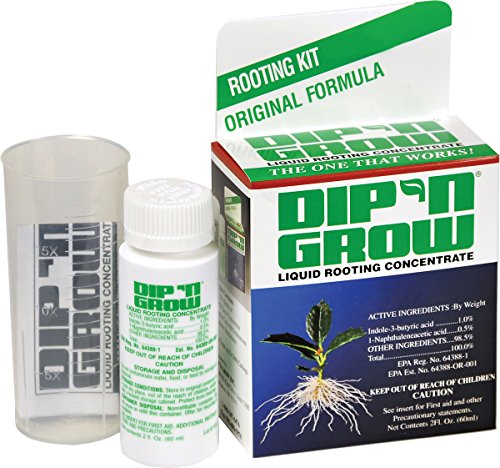
Rooting hormone

Use Quick Clone Cloning Gel to clone your best yielding and fastest growing plants, and never spend money on inconsistent starts again.
Timing Your Air Layering Efforts
Timing is essential for successful air layering, especially when aiming to propagate bonsai trees. The ideal timeframe for this process is late spring to early summer, aligning with the active growth phase of most species. For deciduous trees, air layering should be completed by late May. This timing allows the trees enough time—typically one to three months—to produce roots before summer ends. Evergreen species also benefit from this method, with layering best done between late April and July. It is vital to maintain proper moisture levels in the sphagnum moss during this period, particularly in warmer months, to guarantee that root development occurs effectively. Engaging in bonsai gardening promotes patience and creativity, serving as a therapeutic activity that enhances your experience with air layering. Careful timing and monitoring can lead to successful bonsai propagation through air layering.
Essential Aftercare for Newly Layered Bonsai
Once the air layer has been cut and the new roots are ready, proper aftercare is significant for the newly layered bonsai’s successful acclimatization. Maintaining the entire moss bundle intact when planting helps the tree thrive. Consistent moisture is essential; misting the sphagnum moss regularly prevents dehydration during the initial growth phase. Protect the young tree from extreme weather, including cold temperatures and strong winds, as these can lead to significant stress and transplant shock. Providing adequate shade is also important for minimizing shock and promoting new growth. Finally, monitor moisture levels carefully, as roots typically develop within 1 to 3 months. Balanced humidity will guarantee optimal growth during this critical period of acclimatization. Selecting a balanced nutrient ratio like 3-1-2 can support the tree’s needs during this critical growth stage.
Monitoring Root Development and Success Indicators
Monitoring root development is an essential step in ensuring the success of a newly layered bonsai. Observing the emergence of new growth on cuttings demonstrates effective rooting, indicating that the cutting has connected with the propagation medium. To monitor root development, gently tip the plants out of their pots; this reveals root formation and confirms effective methods. For air layering, expect white roots to appear within three weeks to three months. Once these roots mature to a brown color, the bonsai is ready for severing and potting. Maintaining consistent moisture in sphagnum or other mediums is vital during this time to grow healthy new plants and support overall success in propagation. Monitoring pH levels is crucial for maintaining optimal bonsai health, ensuring the growing environment supports root development effectively.
Growing Bonsai From Cuttings: an Overview
Growing bonsai from cuttings offers an exciting opportunity for enthusiasts to expand their collection and experiment with different species. This method involves taking cuttings from plants, such as the Chinese elm, which thrive in propagation. The most effective cuttings are typically softwood and semi-hardwood. To improve the chances of success, trimming excess leaves helps retain moisture, while applying hormone rooting powder can boost root development. Using a well-draining propagation medium, like a mix of orchid bark and sphagnum peat moss, promotes healthy growth. Enthusiasts should watch for new growth on their cuttings, as this signals successful rooting. Choosing species that thrive in local climate conditions can further enhance success when growing bonsai from cuttings. With the right techniques, growing bonsai from cuttings can be a rewarding and fulfilling experience.
Types of Cuttings Ideal for Bonsai
Selecting the right type of cutting is essential for successful bonsai propagation. Cuttings can be categorized as softwood, semi-hardwood, and hardwood, with softwood and semi-hardwood being the most ideal for rooting success. Some plants, like Juniperus Chinensis San Jose and the Shisi Gashira Japanese maple, are known for their exceptional rooting abilities. When attempting to propagate, applying hormone rooting powder can considerably enhance the chances of successful rooting. Remarkably, heel cuttings from Junipers are particularly favored for bonsai cultivation. Additionally, Cotoneaster cuttings are impressive, achieving rooting rates as high as 95% in just six months when techniques are properly followed. By selecting appropriate cuttings and techniques, aspiring bonsai enthusiasts can enjoy fruitful propagation experiences. It is also important to consider the nutritional composition benefits of the soil mix when propagating bonsai, as it supports growth and health.
Recommended Products

ROOTING HORMONE FOR CUTTINGS – Hormex Rooting Powder accelerates root growth for plant cuttings using Indole-3-Butyric Acid (IBA) , a rooting hormone compound used to promote strong, healthy root systems for all plant varieties. Ideal for cloning Semi-Hardwood Houseplants, Medicinal, Tree Cuttings, and more. This product helps develop strong, healthy root systems.

ROOT NEW FAVORITE PLANTS: Helps African violets, roses, poinsettias, philodendrons, geraniums, coleus, woody ornamentals and more grow from cuttings

🌱【Ready-to-use Pre-mix】: Simplify repotting your Bonsai and other plants with our premium, fast-draining Bonsai potting soil mix. It comes pre-mixed and sifted for your convenience.
Preparing the Ideal Medium for Cuttings
Creating the ideal propagation medium is vital for fostering healthy cuttings. A recommended mix consists of 50% orchid bark and 50% sphagnum peat moss. This combination offers excellent drainage and aeration, which are essential for rooting success. To avoid water accumulation that leads to root rot, make certain to use deep trays with ample drainage holes. Soil depth should be at least two inches to properly support the cuttings during propagation. When placing cuttings into the medium, insert them at a slant. This technique improves contact with the medium and boosts moisture absorption. Grouping cuttings by species is helpful for maintaining organization and catering to their specific rooting needs, making the propagation process easier and more effective.
Recommended Products

6-9mm, suits young orchids, a good size for second potting. AFP 47-52%, WHC 55%

Simplify your repotting – Orchiata orchid bark has proven to last 5+ years without rotting. Our orchid potting mix for repotting lasts 2-3 times longer than any other orchid bark mix.
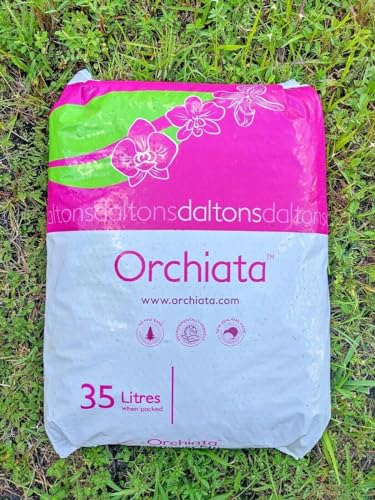
Simplify your repotting – Orchiata orchid bark has proven to last 5+ years without rotting. Our orchid potting mix for repotting lasts 2-3 times longer than any other orchid bark mix.
Techniques for Maximizing Rooting Success
While it might seem challenging, maximizing rooting success for bonsai cuttings is achievable with a few key techniques. First, use hormone rooting powder on the cut ends to greatly improve root development. Take softwood and semi-hardwood cuttings in late spring to early summer for ideal results. For creating an ideal propagation medium, combine orchid bark and sphagnum peat moss, ensuring proper drainage in deep trays. When employing air layering techniques, apply rooting hormone to the wound site and keep the sphagnum moss consistently moist to encourage faster root formation. Regularly monitor moisture levels, while being careful not to disturb the surface roots or moss bundle during transplanting. Following these steps will enhance success in growing your bonsai.
Frequently Asked Questions
What Is the Rule of 3 in Bonsai?
In the delicate dance of bonsai artistry, the Rule of 3 dictates that practitioners utilize triadic arrangements involving bonsai techniques, pruning methods, root systems, and soil types to create visually harmonious and balanced compositions that captivate observers.
How to Air Layer for Bonsai?
To air layer for bonsai, employ bonsai techniques by selecting a suitable tree, utilizing propagation methods like the tourniquet or ring method, and ensuring proper moisture and protection for successful root development.
Can You Start a Bonsai From a Cutting?
Yes, bonsai can be started from cuttings using effective propagation techniques. Ensuring ideal spacing and appropriate bonsai care greatly increases cutting success, particularly with species such as juniper and Chinese elm during the rooting process.
Is Air Layering Better Than Cuttings?
Air layering offers distinct advantages over cuttings, including higher success rates and faster results. Timing considerations and species suitability further enhance its effectiveness, especially for challenging plants, making it a favorable propagation method.