As an Amazon Associate, we earn from qualifying purchases. Some links on this site are affiliate links at no extra cost to you. Our recommendations are based on thorough research and editorial judgment.

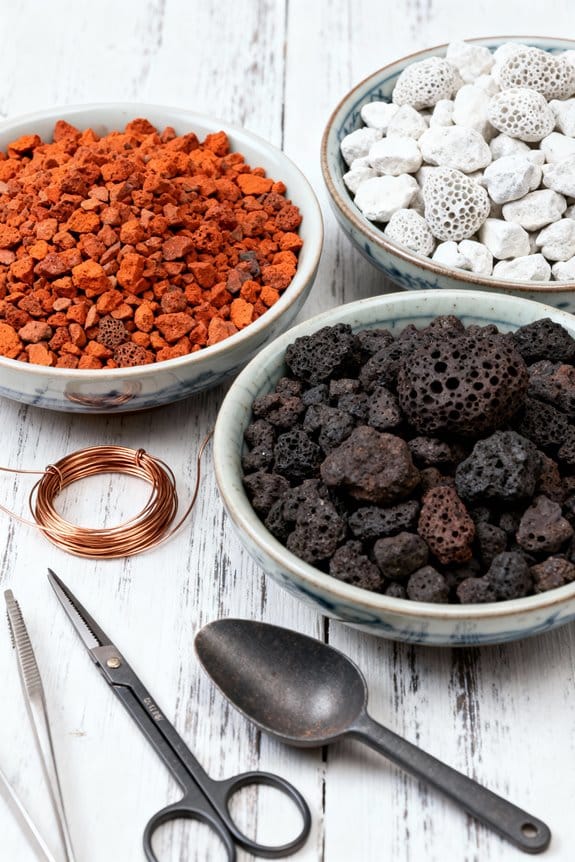
How to Mix Bonsai Soil Using Akadama, Pumice and Lava Rock

To mix bonsai soil effectively, combine equal parts of Akadama, Pumice, and Lava Rock for a balanced mix. Akadama retains moisture while ensuring good drainage. Pumice enhances air circulation and prevents soil compaction. Lava Rock adds weight and drainage, but use it cautiously to avoid harming root health. For high water-using conifers, consider adjusting the mix to 3:1:1 in favor of Akadama. Understanding these components will enhance your bonsai’s growth journey.
Key Takeaways
- Combine equal parts (1:1:1) of Akadama, Pumice, and Lava Rock for a standard bonsai soil mix to ensure balanced moisture and drainage.
- Sift Akadama to sizes between 1/4 and 1/16 inch for optimal moisture retention and drainage performance.
- Use sifted Pumice to increase aeration, prevent soil compaction, and maintain root oxygen levels.
- Limit Lava Rock in the mix, as its coarse texture may hinder root growth and create weak root structures.
- Adjust the mix ratio based on specific bonsai needs, especially for high water-using species like conifers (3:1:1 ratio).
Understanding the Components of Bonsai Soil
Bonsai soil is an essential element that supports the growth and health of bonsai trees. This special mix typically includes Akadama, Pumice, and Lava. Akadama, a premium soil component, retains moisture while allowing for adequate drainage, which is crucial for bonsai vitality. Pumice serves to enhance drainage and lightens the overall mix, ensuring air can reach the roots. This promotes strong root development, which bonsai trees depend on for stability. Lava rock can improve aeration but may have mixed reviews among bonsai professionals; some have noted issues with root health in mixes with high lava proportions. A balanced soil mix of 1:1:1 Akadama, Pumice, and Lava is commonly recommended for general bonsai care, ensuring healthy growth and thriving trees. It is important to maintain optimal pH levels in the soil mix, as fluctuations can limit nutrient availability and affect bonsai health.
The Role of Akadama in Bonsai Health

An essential aspect of bonsai health lies in the use of Akadama, which is known for its unique properties. This volcanic soil retains moisture while allowing for proper drainage, making it ideal for bonsai trees. Akadama is typically sifted to a size between 1/4 and 1/16 inch, promoting excellent water retention and root health. When wet, it changes color, providing a helpful visual cue about the soil’s moisture level. This quality is especially beneficial for deciduous trees and shohin bonsai. However, gardeners should monitor Akadama regularly, as it can break down over time, losing its structure. This necessitates re-potting to maintain a healthy mix with other components like Pumice and Lava Rock for continued growth. Regular monitoring of moisture levels is essential to prevent overwatering and ensure the longevity of the bonsai.
Recommended Products

NATURAL RED CLAY FROM IBARAKI, JAPAN - Sourced exclusively from a limited region in Ibaraki Prefecture, this Akadama is made from pure natural red clay with no binders, fillers, or additives. Its mineral composition supports long‑term soil structure for bonsai and specialty plants

【100% Natural Stones 】Our 3lb stones are mixed of red lava rock, black lava rock, maifanitum, and green mineral stones that provide essential mineral trace minerals for your plants to grow.

New Genuine Japanese Fired (Heat Treated) Super Hard Akadama for Cactus & Succulent, Bonsai Tree Soil Mix
Benefits of Using Pumice in Soil Mixes

Mixing bonsai soil involves selecting the right components that support tree health and growth. Pumice is a natural volcanic product that greatly benefits bonsai soil mixes. Known for its excellent drainage, pumice guarantees that roots receive ample oxygen, promoting healthy growth. Its porous texture retains moisture while preventing soil compaction, making it ideal for bonsai and container plants. Additionally, because pumice is lightweight, it simplifies the handling and mobility of bonsai trees. Unlike Akadama and other soil components, pumice maintains its structure over time, adding lasting value to the mix. For best results, it’s recommended to sift pumice before use to remove dust and fines, ensuring maximum performance for vibrant root systems in bonsai trees. Porous structures are essential for drainage and aeration efficiency, further enhancing the health of bonsai trees.
Recommended Products

Weight Capacity: 20 lbs

🌳 Created By Bonsai Experts: All-Purpose bonsai soil blend providing optimum growth for your bonsai trees.
🌳 Created By Bonsai Experts: All-Purpose bonsai soil blend providing optimum growth for your bonsai trees.
Evaluating the Use of Lava Rock
Lava rock has garnered attention among bonsai enthusiasts for its weight and drainage capabilities. However, its coarse texture and heavy weight may hinder root growth compared to alternatives like pumice. Master Shinji Suzuki advises against using lava rock in bonsai soil mixes, citing potential for weak root structures and uneven growth. Observations by professional Andrew Robson further indicate that lava rock can lead to a lack of fine root mass, essential for tree health. Additionally, some lava rock sources might contain toxic boron levels, presenting safety concerns. Most professionals have found that soil mixtures prioritizing akadama and pumice yield better results, making lava rock unnecessary for many bonsai species. Consider these insights when choosing your soil components. Furthermore, using extra coarse grade organic perlite can enhance drainage and aeration, which is crucial for preventing root rot and ensuring healthy root development in bonsai cultivation.
Recommended Products
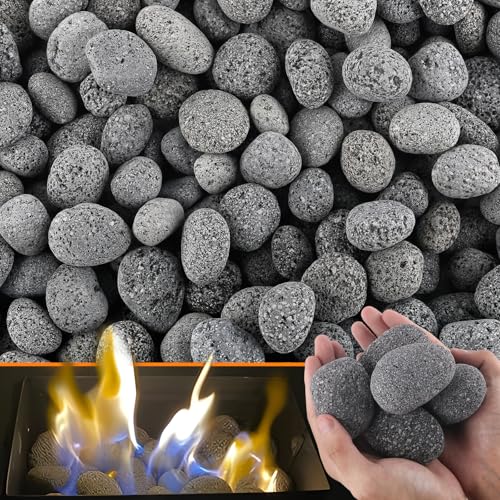
【SIZE and PARAMETERS】:Size Range:1.6"-3.2" ; Weight:45 Pound ; Color:Grey ; Material: Natural Lava Stone ; Suitable for: Fire bowls, fire pits, fireplaces, garden, patio, ponds, fish tank

PREMIUM LAVA ROCK FOR PLANTS & LANDSCAPING - Smooth lava rock for plants, landscaping rocks, decorative garden stones, and lava rock for planters. Ideal for indoor plants, outdoor gardens, succulent soil cover, and modern landscaping design.

【100% Natural Stones】Our 45lb stones are mixed of red lava rock, black lava rock, maifanitum, and green zeolite. They are non-toxic, colorfast, and provide essential trace minerals for healthy plant growth.
Measuring the Perfect Ratios for Your Soil Mix
When it comes to creating an ideal bonsai soil mix, finding the right ratios is crucial for plant health. A standard soil mix consists of equal parts Akadama, Pumice, and Lava Rock, promoting moisture retention, aeration, and drainage. For high water-using conifers, a mix of 3:1:1 of Akadama to Pumice and Lava Rock is often recommended. When selecting Akadama, aim for particle sizes between 1/4 inch and 1/16 inch, as smaller sizes are suitable for Shohin bonsais. Additionally, maintaining equal particle sizes across the mix guarantees consistent drainage and prevents clumping. Environmental factors like humidity could necessitate adjustments in these ratios, making sure the soil mix meets the specific needs of your bonsai. Premium bonsai soil mixes ensure excellent drainage and aeration, which are critical for preventing root rot and ensuring healthy bonsai growth.
Recommended Products

Tailored for Drought-Tolerant Bonsai Trees Perfectly designed for junipers, pines, and cedars, this mix ensures superior drainage and aeration to protect roots from overwatering and compaction.

🌱 Essential Aggregates for Soil Mixes: Pumice is a crucial element in any soil mixture. It's 100% natural from the earth, non-decomposing, and packed with over 70 trace minerals, promoting your plant's overall health and thriving growth.

What Are Some Benefits: Provides proper drainage and water retention. This is fast draining bonsai tree soil that positively affects rooting, feeding, and transpiration
Mixing Techniques for Optimal Consistency
Achieving the right consistency in bonsai soil is essential for promoting healthy root growth and ensuring the overall health of the tree. A balanced mix of Akadama, Pumice, and Lava Rock should maintain a 1:1:1 ratio for uniformity. When preparing the soil, sift all ingredients to remove dust and small particles which can compact and harm root health. Aim for particle sizes between 1/4 to 1/16 inch for Akadama, adding Lava Rock sparingly to avoid issues. For deciduous trees, 100% Akadama is best, while high water-moving conifers thrive with a 3:1:1 blend. Regularly assess the mix to adapt to your bonsai’s specific needs, considering the tree type and local climate conditions for peak growth. To further enhance bonsai soil aeration and drainage, include components like perlite and pumice, which are crucial for preventing waterlogged conditions and promoting healthy root development.
Recommended Products

NATURAL RED CLAY FROM IBARAKI, JAPAN - Sourced exclusively from a limited region in Ibaraki Prefecture, this Akadama is made from pure natural red clay with no binders, fillers, or additives. Its mineral composition supports long‑term soil structure for bonsai and specialty plants
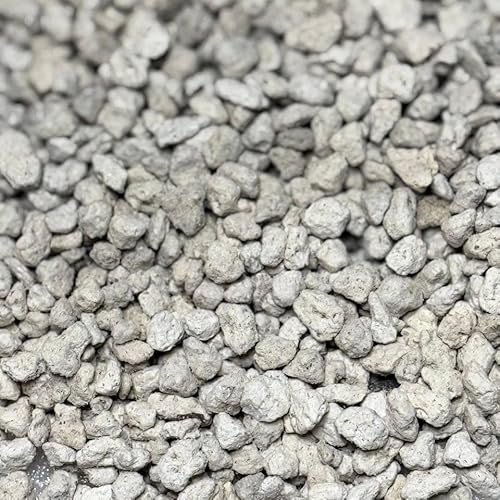
🌱 Perfect Drainage & Root Protection – Natural pumice for plants ensures excellent soil drainage, effectively preventing overwatering and root rot. Ideal for succulent soil, cactus soil potting mix, bonsai soil, and indoor potting mixes.

✅ BONSAI MIX FORMULATED BY PROFESSIONALS - A bonsai soil mix ready to use that provides optimum pH levels for healthy growth of bonsai plants
Tips for Maintaining Your Bonsai Soil
Maintaining bonsai soil involves regular observation and adjustments to guarantee optimal health for the tree. Users should aim for a consistent particle size when mixing, using equal parts of Akadama, Pumice, and Lava Rock for ideal aeration and drainage in bonsai pots. It’s essential to monitor moisture levels closely; checking the depth with a chopstick can reveal whether the top layer has dried out. Be cautious with Lava Rock, as it may hinder root growth, and consider substituting Pumice for improved results. Adjustments to the soil mix should reflect regional climate; hotter areas may benefit from a larger proportion of drainage materials. After repotting, carefully track moisture and overall tree health, as they may require special care to adapt. For those engaging in bonsai woodworking, selecting the right sanding drum kit is crucial for achieving high-quality finishes on detailed projects.
Frequently Asked Questions
Is Lava Rock or Pumice Better for Bonsai Trees?
Pumice offers better advantages for bonsai trees than lava rock, providing superior soil drainage and enhanced nutrient retention. While lava rock can provide some benefits, its heavy texture often hinders ideal root health and growth.
How to Use Akadama for Bonsai?
Utilizing Akadama enhances bonsai health; studies show 60% improved root growth. This premium soil component, available in various types, offers ideal moisture retention, balanced pH, and unique benefits that foster robust plant health and resilience.
What Is the Rule of 3 in Bonsai?
The Rule of 3 in bonsai emphasizes using three soil components to guarantee ideal soil drainage, nutrient balance, and tree health, promoting healthy root systems and vibrant growth through tailored mixes based on specific species and conditions.
What Is the Best Soil Mixture for Bonsai Plants?
The best soil mixture for bonsai plants consists of three essential soil components: Akadama, Pumice, and Lava Rock. This blend guarantees drainage importance, ideal nutrient retention, and a balanced texture for healthy root development.