As an Amazon Associate, we earn from qualifying purchases. Some links on this site are affiliate links at no extra cost to you. Our recommendations are based on thorough research and editorial judgment.


How to Prepare a Bonsai for a Small Local Exhibition

To prepare a bonsai for a local exhibition, first, select a healthy tree that matches the show’s theme. Confirm it has a balanced look and good aesthetics. Choose a display stand that complements the tree’s size and stability. Select accent plants to enhance the overall presentation. Pay attention to lighting, keeping it soft to highlight features. Engage with the audience through demonstrations and Q&A sessions. Following these steps can elevate your bonsai’s impact at the exhibition, and there’s much more to explore.
Key Takeaways
- Select a healthy bonsai tree that matches the exhibition’s theme and showcases strong aesthetics and balanced visual impact.
- Choose the appropriate display stand and accent plants that complement the bonsai’s size, style, and overall aesthetic.
- Ensure stability and proper lighting for the display, avoiding harsh lights to enhance the bonsai’s features.
- Incorporate educational elements, such as Q&A sessions and demonstrations, to engage the audience and foster community connections.
- Gather feedback post-exhibition to reflect on your display and improve future presentations of bonsai art.
Importance of Displaying Bonsai
Displaying bonsai in exhibitions not only highlights the intricate work that goes into cultivating these miniature trees, but it also strengthens the bonsai community. Bonsai displays serve as a platform for artists to share expertise and knowledge. This sharing fosters connections among enthusiasts, creating a supportive environment. Furthermore, exhibitions inspire and educate newcomers about the art’s cultural significance. By observing different techniques, attendees can gather fresh ideas for their own bonsai practices. Constructive feedback from viewers is invaluable; it helps artists refine their skills and enhance future displays. Ultimately, showcasing bonsai publicly acts as an ambassador for the art, sparking interest and encouraging more individuals to explore bonsai cultivation. Engaging in bonsai displays nurtures both skills and passion. Additionally, leveraging community engagement features can enhance the experience by fostering interaction and advice sharing among bonsai enthusiasts.
Choosing the Right Bonsai Tree

Selecting the right bonsai tree is a vital step in preparing for an exhibition. Age is important; older trees typically have well-established branches and a balanced appearance that stands out at a bonsai show. Consider the size of the tree to guarantee it fits harmoniously with the display stand and accent plants. A healthy tree should showcase strong aesthetics, such as an appealing trunk shape and well-arranged branches. Aim for a balanced look, which enhances visual impact. Additionally, choose a style that suits the exhibition theme. Whether it’s a formal upright or a creative cascade, aligning the tree with the theme can elevate the overall presentation. Proper tree selection can truly make a difference in engaging the audience. It’s also crucial to check soil moisture regularly to ensure the bonsai remains healthy and vibrant for the exhibition.
Recommended Products

Accent your space with the timeless beauty of red maple leaves. With their lush branches, delicate petals, and naturally captivating colors, these artificial flowers exude a unique charm.

Above 10 years old Nana junipre tree .100% Home-Grew.We used all glazed ceramic pot and comes with a great real bamboo stand for free.
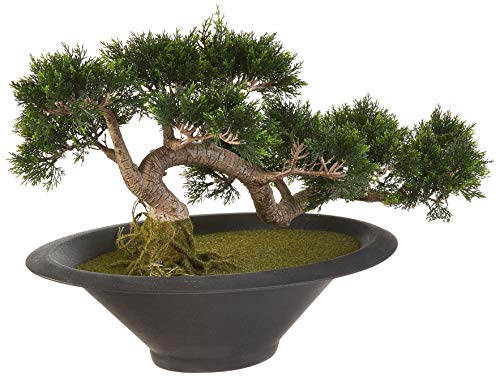
Faux cedar tree
Matching the Tree With the Show’s Theme

Aligning a bonsai tree with the exhibition’s theme is crucial for creating a visually cohesive display. When selecting show trees, it’s important to take into account the specific themes outlined by the exhibition. For classical themes, traditional styles like formal upright or slanting trees can showcase age and established forms. Alternatively, for creative themes, unconventional styles, such as cascade or broom, highlight artistic expression. Understanding the show’s theme, like “winter silhouette,” helps guide the selection process. It is essential to ascertain that the bonsai’s characteristics, including trunk shape and branch arrangement, complement the overall aesthetic and thematic message. Cascade style bonsais are known for their dramatic growth pattern, which can add an artistic touch to creative theme exhibitions. This thoughtful alignment not only enhances the visual impact but also deepens the audience’s connection to the artistry of bonsai.
Selecting the Ideal Bonsai Display Stand
An appropriate display stand can greatly enhance the overall presentation of a bonsai tree. When selecting a stand, ascertain its size complements the bonsai trees’ proportions. This helps highlight the tree’s features effectively. Choose materials and colors that harmonize with the display’s aesthetic, enhancing the bonsai’s visual appeal. Stability is essential; look for a stand with a wide base and a low center of gravity to avoid tipping. For the best viewing angles, select a height that allows the audience to appreciate the bonsai from various perspectives. Finally, consider incorporating the stand’s design to reflect the exhibition theme, creating a cohesive look that draws attention to the beautiful bonsai. Regular maintenance is essential for plant health and aesthetic presentation.
Recommended Products

7-Tier Indoor Plant Stand: Standing at an impressive height of 71 inches, this plant stand features a convenient 7-shelf design that provides ample storage space to showcase your beloved plants. With its innovative design, you can display your plants as much as you want, creating a visually stunning arrangement in your space.

Measure bottom of display item, choose 8.5", 9.5", 10.5", 11.5", 12.5", 14.5", 15.5" diameter

Enhance your home with a timeless Chinese-inspired pedestal stand featuring a rich rosewood-style finish and elegant hand-carved details.
Choosing the Right Accent Plant
When choosing the right accent plant, it is essential to reflect on how it will enhance the overall display of the main bonsai. Accent plants should complement the bonsai while providing seasonal interest. Freshly-emerging plants can elevate aesthetics, creating attractive contrasts with the tree’s features. Also, the directionality of accent plants must harmonize with the bonsai’s growth, ensuring a cohesive visual flow. Balance in size and shape is important; larger, bushier plants may overpower a delicate bonsai. Before the exhibition, carefully monitor the health of your accent plants. Remove any dull or uninteresting specimens to maintain the display’s appeal. With thoughtful selection and management, accent plants can greatly enrich the exhibition experience for viewers. Additionally, incorporating volcanic soil enhances aeration and drainage, which is beneficial for maintaining healthy accent plants.
Preparing the Tree for Display
Preparing a bonsai for display is a meticulous process that greatly enhances its visual appeal. To start, a bonsai professional recommends trimming any dried, yellow, or overgrown branches and leaves. This creates a cleaner look, vital for effective presentation. Next, securely re-wire the branches with copper wire to shape the tree according to its desired style. Regular watering is essential, as keeping the bonsai adequately hydrated guarantees it looks vibrant at the event. Additionally, fertilize the bonsai well in advance, making sure to remove any excess fertilizer before the exhibition. Finally, clean the bonsai and its display stand thoroughly to eliminate any dirt and dust. This careful preparation contributes to an impressive showcase of your bonsai. Using high-quality cutters can promote quicker healing and ensure the health of your bonsai as you prepare it for the exhibition.
Pot Selection and Soil Preparation
Selecting the right pot and preparing the soil are essential steps in showcasing a bonsai effectively. The pot selection should consider the tree’s size, style, and color to enhance its aesthetic. For example, a traditional bonsai may look best in a ceramic pot, while a rustic tree could be complemented by a natural stone container. Additionally, choosing a pot color that contrasts or coordinates with the bonsai’s foliage helps create a visually appealing arrangement. When preparing the soil, maintain a neat level at the pot’s rim, using small stones or moss for added flair. Prior to the exhibition, remember to water your bonsai thoroughly but avoid watering immediately before to prevent root rot, ensuring a healthy appearance during display. Selecting a pot with drainage holes is crucial for air circulation and root health, as it helps prevent water accumulation and ensures the bonsai remains vibrant.
Recommended Products

Premium Polyresin Pots - Elevate your space with 2 Arbora 26" Santorini Bowl decorative planters, featuring natural textured surfaces and a classic black finish for a touch of sophistication. Ideal for both outdoor gardens and indoor living areas.

【Brand History】Founded in 1976, with more than 46 years of design and manufacturing history,Tropian Inc is a large-scale comprehensive ceramic enterprise dedicated to R&D, production, design and sales,Focus on using modern pottery design to create high-quality flower pots to add a little beauty and vitality to your life. The love and passion of our customers inspired us to establish PLANTATOREM also as an online brand to distribute our exquisite lines of pottery to container gardening enthusiasts

FASHION DESIGN: 46 Years Of Design Experience, The flowerpot using the latest high-end fashion colors, matte white, dull low-gloss white, full of fashion,The pots have an elegant coloured glaze finish and are fired at 1000°C for a matt natural colour. 3 size flower pots placed together, more like a set of art
Presentation Techniques for Show
A well-organized presentation can significantly elevate the display of a bonsai tree. Position the bonsai centrally within the display for maximum visibility. It is important to balance the size and weight of the bonsai with any accent plants or decorative elements. This creates a harmonious composition that draws attention. Additionally, utilize negative space around the bonsai; this enhances visual appeal and emphasizes its proportion. Choose a neutral or subtle background color that complements the bonsai, allowing it to stand out without distractions. Ensure the design is stable enough to support the weight of bonsai plants while considering versatile usage for decorative items and other types of plants. Finally, always verify that the lighting conditions are suitable. Avoid harsh light or dim areas, as appropriate lighting accentuates the bonsai’s features and visibility, making a memorable display for onlookers.
Recommended Products

RECORD YOUR TRAVELS & PLAN UPCOMING TRIPS with this beautiful push pin large world map. Holy Cow Canvas travel map with pins printed on premium canvas, the vintage earth-tones complement most decors. World map pin board framed features superb clarity with excellent city and country details.

Silky smooth viscose fibers are soft and luxurious to the touch and provide a glamorous sheen

Transitionally designed, these rugs can be integrated into any contemporary, modern, traditional, or bohemian styles of décor
Lighting and Background Considerations
How can the right lighting and background elevate the presentation of a bonsai? Proper lighting is essential as it highlights the features of the bonsai, ensuring vivid colors in the foliage and pot. Natural light or soft LED lighting should be prioritized, while harsh direct light must be avoided to prevent unflattering shadows. An evenly diffused light enhances visibility across the entire display. Selecting a neutral background color, like off-white or pale gray, provides subtle contrast, emphasizing the tree’s shape and texture. Additionally, opting for a simple backdrop, free from distractions, keeps focus on the bonsai. By choosing a complementary background, the display can gain depth, enhancing the overall aesthetic and emotional impact for viewers. Consider using bonsai-specific soil mixes to maintain optimal soil conditions for your display, as this can significantly affect the health and appearance of your bonsai over time.
Engaging With the Audience During the Show
Engaging with the audience during a bonsai exhibition is an essential component that enhances the overall experience. The Bonsai Society can create a vibrant atmosphere by hosting Q&A sessions where visitors learn about tree care and bonsai aesthetics. Offering educational demonstrations allows attendees to see bonsai techniques in action, making the art form more accessible. Informative displays that share the history and cultural significance of bonsai can deepen appreciation. Engaging activities, like a bonsai-themed craft station for children, can spark interest among younger audiences. Additionally, storytelling during guided tours highlights bonsai’s role in various cultures, fostering a connection between the trees and their heritage. The inclusion of illustrated guides at the exhibition can enhance visitors’ understanding of bonsai techniques, providing a visual learning opportunity that simplifies complex processes. These methods guarantee that the show remains dynamic and engaging for all participants.
Feedback and Reflection Post-Exhibition
While reflecting on the bonsai exhibition, it is essential for participants to gather feedback from both attendees and fellow bonsai artists. This input can provide valuable insights for improving future displays and techniques. Reflecting on the overall presentation, including tree selection, stand choice, and accent plants, can enhance future decision-making. Additionally, analyzing the community’s response to the display’s simplicity and peacefulness may guide aesthetic choices in upcoming exhibitions. Documenting suggestions about background colors, like painting in neutral tones to avoid distractions, can refine presentation strategies. Engaging with the bonsai community fosters collaborative input, which encourages growth and generates innovative ideas, ultimately elevating future exhibition efforts and enhancing the overall experience for everyone involved.
Frequently Asked Questions
What Is the Rule of 3 in Bonsai Trees?
The Rule of 3 in bonsai trees emphasizes balance through three elements, echoing the harmony found in nature. By applying this principle, bonsai artists enhance aesthetics, creating engaging compositions that captivate and inspire viewers profoundly.
What Is the Golden Rule of Bonsai?
The golden rule of bonsai emphasizes bonsai aesthetics, reflecting nature in miniature through health, proportion, and balance. It encourages patience, observation, and skillful shaping to create harmonious trees that resonate with their natural counterparts.
How to Prepare a Bonsai?
To prepare a bonsai, pruning excess growth enhances aesthetics while re-wiring stabilizes structure. For example, a meticulous enthusiast revitalized a juniper through diligent bonsai maintenance, showcasing its beauty at a local exhibition, enchanting all attendees.
What Is the Easiest Bonsai to Start With?
The Ficus retusa is often considered the easiest beginner bonsai due to its adaptability and resilience in indoor environments. Other excellent choices include Jade plants, Chinese Elms, Pomegranates, and Junipers, each offering unique beginner-friendly attributes.