As an Amazon Associate, we earn from qualifying purchases. Some links on this site are affiliate links at no extra cost to you. Our recommendations are based on thorough research and editorial judgment.


How to Turn a Garden Shrub Into a Bonsai Project

To turn a garden shrub into a bonsai project, start by selecting a suitable species, like junipers or red maples. Prune the shrub to encourage a bushy shape, keeping two buds on each branch. Prepare a shallow bonsai box with drainage holes and fill it with premium soil mixed with pea gravel. Guarantee proper care by checking soil moisture and applying fertilizer. With consistent maintenance, your bonsai will thrive, leading to exciting transformations along the way.
Key Takeaways
- Select a suitable garden shrub with natural miniaturization traits and a strong root system for your bonsai project.
- Prune the shrub by cutting back longer branches and removing dead or crossing limbs for optimal growth.
- Prepare a shallow bonsai box with drainage holes and line it with pea gravel for stability and root health.
- Secure the plant with U-shaped wires, ensuring proper drainage and moisture retention in the soil.
- Establish long-term care by monitoring soil moisture, regular fertilization, and protecting the bonsai from extreme weather.
Selecting the Right Shrub
Selecting the right shrub is an essential first step in creating a successful bonsai project. Beginners should focus on species that show a natural tendency for miniaturization, such as junipers and red maples. A thick trunk enhances visual appeal, so look for shrubs with this characteristic along with interesting bark textures. If living in cooler climates, confirm the shrub is cold-tolerant to thrive after it is pruned. It is imperative to inspect the root structure before purchase; a well-established root system will support the plant’s health and growth. Additionally, consider the growth rate, as slower-growing varieties minimize the need for frequent pruning, making them ideal for those just starting their bonsai journey. When selecting a bonsai species, it’s also important to assess climate adaptability and ensure that the tree can thrive in your specific environment.
Recommended Products

A dense mound of ground-hugging branches that radiate from the center. New growth is bright green turning to bluish green as it matures. Winter color has a purple tint. Wonderful evergreen for a group planting on a rocky slope, or trained into an upright staked specimen. Foliage and form is superb when left unpruned.

Juniper Procumbens Nana - 60 Live Plants - Drought Tolerant Evergreen Groundcover - Great for Bonsai
A dense mound of ground-hugging branches that radiate from the center. New growth is bright green turning to bluish green as it matures. Winter color has a purple tint. Wonderful evergreen for a group planting on a rocky slope, or trained into an upright staked specimen.

This flat-topped, dense evergreen shrub has upright branches clothed in sharp, bright green needles. Its low-growing and compact form reaches 3 feet high. Its versatile growth habit makes it useful as a mixed border, ground-cover for a large area, screen, and windbreak.
Initial Pruning Techniques

To begin the initial pruning process, it is important to carefully evaluate the garden shrub’s structure. Identify its most attractive side to establish the desired front view for the bonsai. Start by cutting back longer branches, leaving two buds to encourage bushy growth. This helps maintain an overall shape while promoting a balanced structure. Remove any dead branches, as well as damaged or crossing limbs, to improve air circulation and stimulate healthier growth. Limiting the total number of branches is essential; it allows light penetration and prevents overcrowding. Regular assessments during the growing season, particularly in early spring when new growth emerges, will facilitate adjustments in pruning techniques, ensuring prime development for your bonsai project. Remember that pruning techniques should be adjusted seasonally, shaping trees in spring and preparing them for dormancy in autumn.
Recommended Products
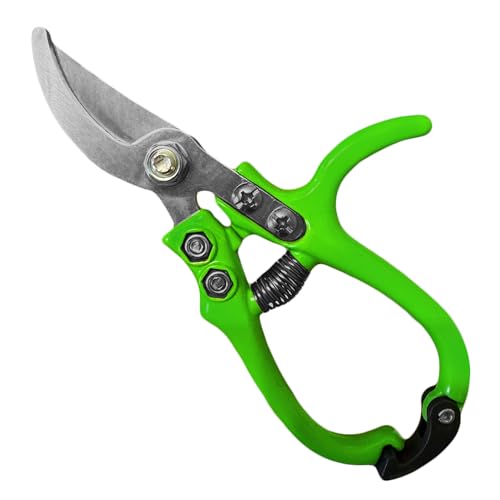
HIGH CARBON STEEL BLADE: Modern ergonomic design, with a high carbon steel blade for extra sharp cuts and extended durability. Perfect for trimming, deadheading, pruning, and snipping plants and bonsai!

These traditional bonsai scissors are designed for accurate trimming and deadheading that won't harm your plants - ideal for bonsai pruning, cutting branches and roots, and anything where quick snips and clean cuts are a must!

CONTENTS Comes with 30 Trunk Splitter Tools
Preparing the Bonsai Box

Creating a proper bonsai box is an essential step in establishing a healthy bonsai plant. To prepare, select a shallow container, ideally measuring 9 inches by 11 inches by 5.5 inches. This size facilitates root growth and ideal drainage. Make sure the box includes at least six drainage holes to prevent soil loss; cover these holes with gutter screening secured by copper wire. Next, line the bottom of the bonsai box with a layer of pea gravel, followed by a layer of bonsai soil for stability. Premium bonsai soils ensure excellent drainage and moisture retention for optimal health of the miniature trees. Remember, a well-constructed new pot will enable airflow and moisture control, allowing the plant to thrive. Finally, take care to use U-shaped wire structures to tie down the plant securely for effective growth.
Recommended Products

New Yubonzai Rectangular Dark Brown Plastic Humidity/Drip Tray for Bonsai Tree & House Indoor Plants

New Oval Glazed Moss Green Bonsai Pot, Cactus & Succulent Planter + Mesh

New Rectangular Glazed Bonsai Pot, Cactus & Succulent Planter + Mesh
Ensuring Proper Drainage
Proper drainage is vital for the health of a bonsai plant, as it prevents root rot and promotes strong growth. To guarantee this, create six drainage holes in the pot and line them with gutter screening. This prevents soil loss while allowing excess water to escape, supporting the root system. A U-shaped wire structure at the bottom helps secure the soil and plant while enhancing drainage. Additionally, a layer of pea gravel beneath the bonsai soil fosters effective drainage and root health. Employing cleats on the pot base elevates it for better air circulation. It is important to regularly monitor moisture levels in the soil and adjust watering and fertilizing habits, as bonsai plants are sensitive to both overwatering and underwatering. Furthermore, using a Rectangular Black Ceramic Humidity/Drip Tray can enhance humidity levels essential for plant health, complementing the drainage system.
Recommended Products

Hand-Poured Uniqueness by Artisans: Each planter is meticulously hand-crafted by skilled makers using traditional techniques. Slight texture variations ensure your piece is genuinely one-of-a-kind—a functional art piece adding soul to patios, living rooms, or offices.

Charming Layered Design: This ceramic planter blends practicality and modern style, offering a beautiful look while providing your plants with an ideal space to grow

PREMIUM LAVA ROCK FOR PLANTS & LANDSCAPING - Smooth lava rock for plants, landscaping rocks, decorative garden stones, and lava rock for planters. Ideal for indoor plants, outdoor gardens, succulent soil cover, and modern landscaping design.
Establishing Long-Term Care
Establishing long-term care for a bonsai plant involves consistent attention and dedication. Gardeners should regularly monitor moisture levels in the soil, allowing it to dry slightly between waterings. This practice helps prevent root rot while maintaining the plant’s health. Every four weeks during the growing season, diluted liquid fertilizer should be applied, tailored to the specific tree species in place. Additionally, pruning should occur regularly; trimming back to two buds promotes healthy growth. Every few years, plan for repotting to refresh nutrients and provide room for root development. Finally, protect the bonsai from extreme weather conditions, offering shade during hot months and frost protection for non-hardy species to guarantee successful long-term growth while creating a bonsai. Applying slow-release fertilizers provides consistent nutrition and reduces the frequency of applications, which is essential for healthy bonsai growth.
Recommended Products

Package contains 160 evergreen fertilizer spikes and are produced to avoid wasteful runoff, mess, hazards and smells

Nutrients are encapsulated within multiple layers of polymeric resin

Composed of water soluble nutrients - Granular formula is coated with a film of plastic resin
Monitoring Progress and Adjustments
Regularly taking pictures of the bonsai can help visualize growth and track changes over time. Gardeners should also look for signs of distress, like leaf drop or discoloration, particularly during seasonal shifts. Adjusting watering frequency is fundamental; verify the soil dries slightly between waterings to prevent root rot. Bud development and flowering patterns should be observed, with selective bud removal to conserve energy for peak growth. Conducting annual or biannual repotting allows for the introduction of new soil, maintaining proper drainage and nutrient levels. During repotting, checking root health is crucial for a thriving bonsai project, promoting longevity and vigor in the plant. Incorporating the use of a humidity tray can help maintain optimal moisture levels, which is particularly beneficial for humidity-loving bonsai and tropical plants.
Frequently Asked Questions
Can I Turn a Shrub Into a Bonsai?
Transforming a shrub into a bonsai is like crafting a miniature landscape; strategic shrub pruning techniques, careful bonsai pot selection, precise root trimming methods, and diligent seasonal care tips guarantee its thoughtful growth in suitable bonsai soil.
What Is the Rule of 3 in Bonsai?
The Rule of 3 in bonsai emphasizes groupings of three for enhanced aesthetics. Pruning techniques, soil composition, and pot selection must align, while careful watering routines and training wires support dynamic elements in the overall design.
How Do You Turn a Normal Plant Into a Bonsai?
Transforming a normal plant into a bonsai involves utilizing bonsai techniques like pruning methods for foliage management, root management for stability, pot selection for suitable growth, soil composition for drainage, and wire training for shaping branches.
What Shrubs Are Good for Bonsai Trees?
Dwarf varieties and native species make excellent bonsai choices, alongside flowering shrubs and evergreen options. Easy for beginners, suitable selections depend on climate considerations, ensuring successful growth and maintenance for these miniature trees.