As an Amazon Associate, we earn from qualifying purchases. Some links on this site are affiliate links at no extra cost to you. Our recommendations are based on thorough research and editorial judgment.

How to Choose Species That Fit Your Local Climate for Bonsai

To choose bonsai species that fit your local climate, first consult the USDA Plant Hardiness Zone Map. Identify if your area is temperate, tropical, or warm-temperate. Pick species like Japanese Black Pine for cold climates, and Ficus for warmer regions. Consider factors such as sun exposure and soil drainage when selecting. Regularly monitor soil moisture to prevent over or under-watering. This approach will help guarantee your bonsai thrives, and there’s more to explore on this topic.
Key Takeaways
- Consult the USDA Plant Hardiness Zone Map to determine your region’s temperature and climate characteristics for bonsai selection.
- Choose species that thrive in your climate type; tropical species prefer humidity, while temperate species require cold winters.
- For temperate climates, opt for resilient species like Japanese Black Pine and Chinese Elm that can withstand seasonal temperature changes.
- In Mediterranean climates, select drought-resistant varieties like Olive and Bougainvillea that thrive in sunny, well-drained conditions.
- Engage with local bonsai clubs to gain insights on suitable species and share knowledge about care requirements for your region.
Understanding Your Local Climate
Understanding your local climate is crucial in selecting the right bonsai species. Start by consulting the USDA Plant Hardiness Zone Map, which shows the minimum temperatures of your region. This tool helps determine if your area lies in a temperate zone, tropical region, or another climate type. For instance, tropical trees like Ficus thrive in warm, humid settings, while temperate species such as Japanese Black Pine do well with cold winters. It’s also crucial to take into account environmental factors. Assess sun exposure and wind patterns, as these affect growth. Finally, remember that certain species may need a winter dormancy period, while others can endure warm conditions year-round. To ensure the longevity and health of your bonsai, invest in high-quality tools made from durable materials like high-carbon steel or stainless steel, which are designed for precision and ease of use.
Importance of Species Selection

Choosing the right species for bonsai cultivation is vital for fostering healthy plants that thrive in their environment. Selecting species that align with the local climate guarantees maximum growth and resilience. Different regions have unique conditions, meaning species require different care. For instance, tropical species may not survive in colder zones. Researching to find species that thrive in specific climates is important. Utilizing tools like the USDA Plant Hardiness Zone Map offers insights into temperature and moisture conditions. Additionally, engaging with local bonsai clubs provides valuable knowledge about which species perform best. Consider the importance of partial shade positioning for some species to protect them from intense sunlight. Through thoughtful selection of species, bonsai enthusiasts can enhance their plants’ survival rates and minimize stress, creating a flourishing collection over time.
Choosing Bonsai for Temperate Climates
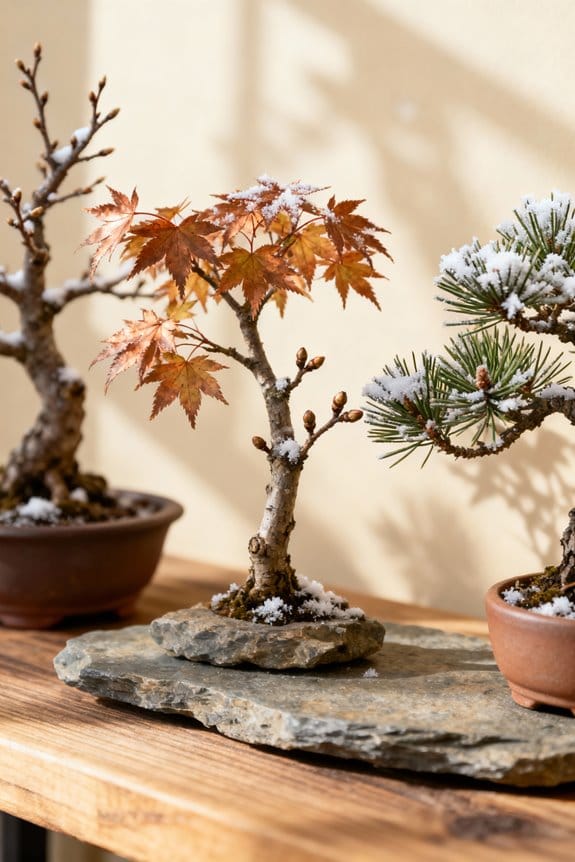
When living in a temperate climate, it becomes vital to select bonsai species that can adapt to both cold winters and warm summers. Suitable choices include the Japanese Black Pine and Chinese Elm, as these species can enter dormancy during colder months. This dormancy guarantees the plants receive necessary winter chilling for their health. Additionally, Japanese Maple offers stunning seasonal changes, making it a beautiful option for bonsai enthusiasts in temperate zones. Regular watering is important during their active growth periods, so monitoring soil moisture is essential to prevent over or under-watering. To protect roots from extreme cold, consider using cold frames or mulch for added insulation during winter months, boosting the chances of healthy growth. Incorporating species like the Golden Gate Ficus Bonsai, known for its adaptability and low maintenance, can add aesthetic value and ease of care to your bonsai collection.
Best Bonsai Species for Mediterranean and Warm-Temperate Climates
Mediterranean and warm-temperate climates present unique opportunities for bonsai enthusiasts seeking vibrant and drought-tolerant species. Some of the best bonsai species for these regions include the Olive (Olea europaea), which thrives in well-drained soil and full sun. Bougainvillea (Bougainvillea spectabilis) is another great option, celebrated for its colorful bracts and drought resistance. Additionally, the Pomegranate (Punica granatum) offers striking flowers and edible fruit, flourishing in sunny conditions. Proper care is essential; while these species require regular hydration during hot summers, overwatering in winter should be avoided. For those new to bonsai, complete bonsai starter kits offer an all-in-one solution containing seeds and tools necessary for successful cultivation. Regular pruning allows for creative shaping, enhancing the beauty of these bonsai and helping them reflect their natural forms. Choose wisely to create stunning miniature landscapes!
Recommended Products
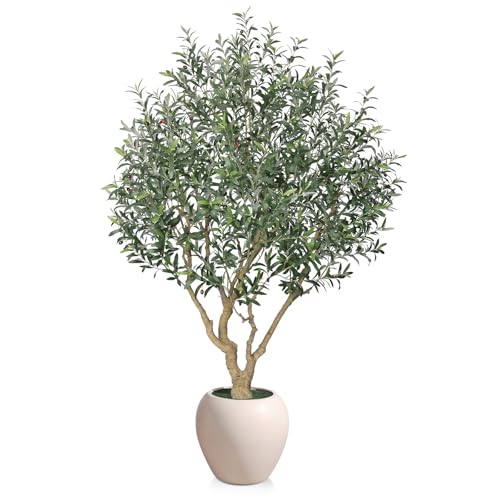
Elevate Your Space with Timeless Elegance. Standing 8 feet tall, this artificial olive tree is the perfect tall artificial plant to command attention in home decor. With 3690 silk leaves and a 63-inch spread, it mimics nature’s grace in a way that suits both modern farmhouse and boho interiors

Ultra-Realistic Design with Natural Touch:This artificial olive tree stands 8FT tall with lush silk leaves, a natural wood trunk, and faux olives, creating a lifelike presence in any space. The faux tree adds a calming green touch to your indoor decor, perfect for modern home or office

Standing at an impressive 8 feet, the SOGUYI faux Olive Tree is a masterpiece of lifelike design. The olive tree's luxurious presence is complemented by a vintage Greek-inspired planter, adding a touch of Mediterranean elegance and timeless charm to any space
Bonsai for Tropical and Subtropical Regions
Tropical and subtropical regions offer an abundance of opportunities for bonsai enthusiasts keen to explore diverse species. Some excellent choices include various Ficus species, Bougainvillea, and Plumeria. These tropical species thrive in warm temperatures and high humidity, making them ideal for these climates. To succeed, it is essential to regularly water the bonsai while avoiding overwatering, as many tropical species can suffer from root rot. Ficus Religiosa, commonly known as the Buddha Bonsai Tree, is particularly suited for beginners due to its resilience. Additionally, ensuring proper moisture and protection from intense midday heat enhances growth. By selecting species that enjoy warmth and do not require dormancy, bonsai enthusiasts can enjoy vibrant plants year-round. When selecting bonsai species, consider factors like temperature, humidity, and light to ensure they thrive in your local climate.
Recommended Products

Standing at an impressive 8 feet, the SOGUYI faux Ficus Tree is a masterpiece of lifelike design. The tree's luxurious presence is complemented by a vintage-inspired planter, adding a touch of timeless elegance and natural charm to any space.

【Premium Material】Our Artificial Ficus tree is eternally verdant and deep green with approximately 1792 individual leaves on several sturdy branches.Combined with a natural wood trunk and multiple irregular branching tree branches,the entire tree looks incredibly realistic.Additionally,this 8ft tall fake ficus plant is made of high-quality eco-friendly material,textured and realistic shape,ideal for indoor decoration.

Above 10 years old Nana junipre tree .100% Home-Grew.We used all glazed ceramic pot and comes with a great real bamboo stand for free.
Selecting Bonsai for Arid and Desert Climates
Selecting bonsai for arid and desert climates can be a rewarding endeavor for gardeners. It is essential to choose species like Pine, Juniper, and Date Palm, which thrive in hot temperatures and low humidity. Providing excellent drainage is vital, as excess moisture can damage the roots of your bonsai. Regular watering is important, but avoid overwatering; allow the soil to dry out between sessions. To combat extreme temperature fluctuations, consider giving your bonsai afternoon shade to prevent heat stress. Furthermore, integrating drought-resistant plants and local native species can enhance your bonsai’s resilience and adaptability to challenging conditions. With the right choice of species and care, your bonsai can flourish in even the harshest environments. Selecting pots with robust drainage features can further support plant health by preventing overwatering issues and maintaining proper moisture levels.
Recommended Products

Horticultural Grade Vermiculite: Premium organic fine vermiculite, ideal for potting soil for orchids, indoor plants, and succulents. Enhances water retention and nutrient availability for robust growth.
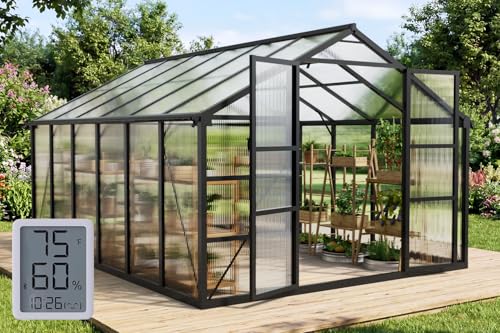
Easy Assembly-Our greenhouses for outdoors come with clearly labeled parts, detailed instructions, and the necessary tools for quick setup. With a helping hand and by following the manual, you can easily build a sturdy green house for your backyard garden

Multi-use Pot: This planter bowl includes a pre-drilled drainage hole and 3-in-1 plug system is included only for Delano 34”. Use without plug for drainage, sealed plug for water gardening or drilled plug for threading a fountain wire underneath.
Assessing Sun and Wind Exposure
Understanding the sunlight requirements of selected species is fundamental. Most conifers thrive in full sun, while many deciduous trees prefer partial shade. Gardeners should observe their local environment for sunlight patterns throughout the day. This knowledge helps guarantee adequate light for ideal tree health. Additionally, using shade cloth can protect sensitive species from intense summer sun, which reduces the risk of leaf burn. Adjusting the positioning of bonsai trees seasonally is essential due to changing sun angles. Conducting yearly experiments with different placements can fine-tune sun and wind exposure, leading to healthier bonsai specimens, fostering growth and liveliness. For optimal calcium uptake, the soil pH should be maintained between 6.0 and 7.0, enhancing overall plant health and vitality.
Watering and Care Requirements
The success of bonsai cultivation heavily relies on understanding the watering and care requirements tailored to specific species and climate conditions. Local climate affects trees’ needs. For example, drought-tolerant species are ideal for arid climates, while moisture-loving ones thrive in humid areas. It’s important to assess personal watering habits to choose species that fit those practices. Monitoring soil moisture with fingers can guarantee proper watering. Recognizing signs of over-watering, such as wilting leaves, is essential. Selecting species like succulents or junipers can help if this is a concern. Using bonsai-specific soil mixes enhances drainage, matching care requirements and reducing root rot risks as temperatures fluctuate. Regular testing of soil pH is crucial for maintaining optimal nutrient absorption, which supports healthy, thriving bonsai for every climate. Proper care assures healthy, thriving bonsai for every climate.
Recommended Products

HOW TO USE: To use this plant soil for potting, fill a container about 1/3 full with potting mix, place your plant in the soil, and fill the rest of the pot, pressing lightly

MULTI-USE POT: Our timeless and modern plant pots are ideal for your indoor space or your outdoor deck, patio, or balcony. They effortlessly complement any design style and elevate the look of potted real or faux greenery.

NATURAL, ORGANIC INGREDIENTS: Made of 100% organic ingredients, this organic potting soil is free from synthetic fertilizers and chemicals. This planting soil gives your plants everything they need. Perfect for soil for indoor plants and outdoor potting soil.
Challenges of Potted Bonsai
While potted bonsai can be visually stunning, they come with a unique set of challenges that every enthusiast should understand. Bonsai trees in containers are more vulnerable to cold climates, which can threaten their health. Species that can handle these conditions are critical choices for success. The restricted space of pots limits root growth, affecting their overall hardiness. Additionally, potted bonsai may require more frequent watering, as the limited soil dries out faster than trees planted in ground. Temperature fluctuations can also disrupt proper dormancy, causing stress and reducing vitality. As a result, being aware of local climate impacts, including extreme weather, is essential for successful outdoor bonsai care and survival. Recognizing yellowing leaves as a sign of nutrient deficiency can help address potential issues promptly. Understanding these challenges helps bonsai enthusiasts thrive in their hobby.
Species Characteristics and Aesthetic Appeal
Selecting the right bonsai species involves understanding their unique characteristics and aesthetic appeal. Hardy trees, such as the Japanese maple bonsai, are popular due to their adaptability and beauty. These trees develop attractive small leaves, enhancing their overall charm. Additionally, species from tropical and subtropical climates can bring vibrant colors throughout the seasons. Bonsai artists should seek tree species that allow for dense branch development through techniques like pruning. When choosing, consider how easily the tree can be wired and shaped, especially for beginners. Finally, emotional connections with each species’ natural form foster a fulfilling bonsai journey. By selecting species with unique aesthetic qualities, individuals can create stunning displays that evolve over time. Among the various Japanese maple varieties, Green Japanese Maple thrives in hardiness zones 4 to 8 and is suitable for training in bonsai collections.
Community Engagement and Learning
How can engaging with the bonsai community enhance one’s understanding of species suited for local climates? Being part of local bonsai clubs offers valuable insights, as experienced members share both successes and challenges with specific species. Workshops and demonstrations provide hands-on learning opportunities, showcasing which species thrive in various environments. Additionally, following bonsai content on social media creates a platform for diverse perspectives on species selection. Joining newsletters or forums sparks community discussion and delivers updates on climate-specific care practices. Sharing personal experiences among enthusiasts fosters a knowledge exchange that refines care strategies and better informs species selection. By participating in these activities, bonsai practitioners can greatly enhance their understanding of local climate considerations.
Final Thoughts on Bonsai Selection
Engaging with the bonsai community has laid the groundwork for understanding local climate considerations in plant selection. Choosing the right species that thrives in your specific conditions is essential for healthy bonsai. In temperate climates, consider trees like Japanese Black Pine or Siberian Elm, which endure both cold winters and warm summers. For those in Mediterranean regions, select drought-tolerant varieties such as Olive or Bougainvillea that survive the heat. Tropical trees like Ficus or Plumeria flourish in high humidity environments and are perfect for warm locales. Understanding the USDA Plant Hardiness Zone Map provides insight into what species will do best in your local climate, ensuring a successful bonsai growing experience.
Frequently Asked Questions
What Is the Rule of 3 in Bonsai?
The Rule of 3 in bonsai emphasizes selecting three compatible species to create visual harmony, simplifying bonsai watering frequency, soil composition, and seasonal care while enhancing the display with tropical varieties and diverse pruning techniques.
What Plant Species Are Suitable for Bonsai?
Ideal bonsai species embrace local adaptation, thriving through native species like Ficus and Juniper. Their growth patterns intertwine with meticulous seasonal care, while container selection and soil requirements define their miniature landscapes with stunning precision and beauty.
What Is the Best Climate for a Bonsai Tree?
The best bonsai climate varies by species, tailoring climate zone selection to specific temperature tolerance and humidity requirements. Seasonal care tips include ensuring proper moisture and protection during extreme weather to support healthy bonsai tree needs.
How to Choose a Plant for Bonsai?
When choosing a plant for bonsai, one must consider plant characteristics, soil requirements, watering needs, pruning techniques, pest management, and seasonal care to guarantee the selected species thrives in the intended environment.