As an Amazon Associate, we earn from qualifying purchases. Some links on this site are affiliate links at no extra cost to you. Our recommendations are based on thorough research and editorial judgment.

How to Fertilize Bonsai Trees Safely Throughout the Year

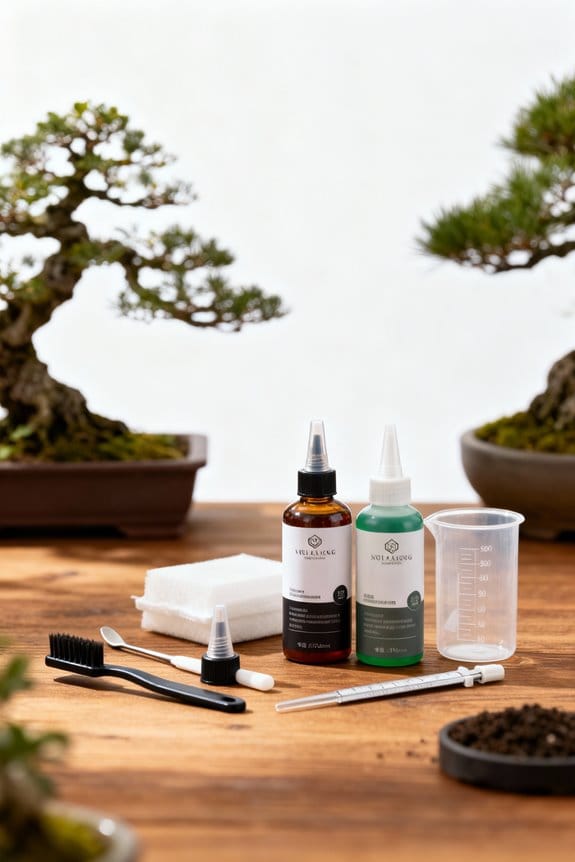
To fertilize bonsai trees safely throughout the year, start in early spring when fresh growth appears. Use a balanced fertilizer with an NPK ratio of 6:6:6 during summer, applying according to package instructions. In autumn, switch to a low nitrogen formula, around 3:6:6, to prepare trees for dormancy. Monitor for signs of nutrient deficiency, like yellowing leaves. Adjust your fertilization schedule based on specific species and growth stages, ensuring your trees stay healthy and vibrant. More insights await!
Key Takeaways
- Fertilize bonsai trees with balanced fertilizers (6:6:6) during spring and summer, reducing application in fall and winter for dormancy preparation.
- Monitor tree health regularly for signs of nutrient deficiency or over-fertilization, adjusting your fertilization schedule accordingly.
- Use organic fertilizers like Biogold for a natural nutrient source, ensuring an appropriate NPK ratio for your specific tree species and growth stage.
- Start with half the recommended amount of fertilizer to minimize the risk of burn, adjusting based on the tree’s growth needs.
- Apply either granular fertilizers on the soil surface or diluted liquid fertilizers to prevent fertilizer burn, ensuring gradual nutrient release.
The Basic Components of Fertilizer
Fertilizers serve as crucial ingredients in the care and growth of Bonsai trees. They contain three primary nutrients, known as NPK: Nitrogen, Phosphorus, and Potassium. Nitrogen promotes leaf and stem growth, while Phosphorus aids root development and flowering. Potassium, on the other hand, enhances overall plant health. In addition, organic fertilizers like Biogold offer nutrients in a natural form, often better suited for Bonsai health. When selecting a fertilizer, it’s essential to evaluate the amount of fertilizer based on the specific needs of the Bonsai tree. A balanced option, such as one with an NPK ratio of 6:6:6, is often recommended during the growing season to guarantee peak growth and health for these miniature masterpieces. Slow-release fertilizers provide a consistent nutrient supply, reducing the risk of over-fertilization.
When Should I Apply Fertilizer?
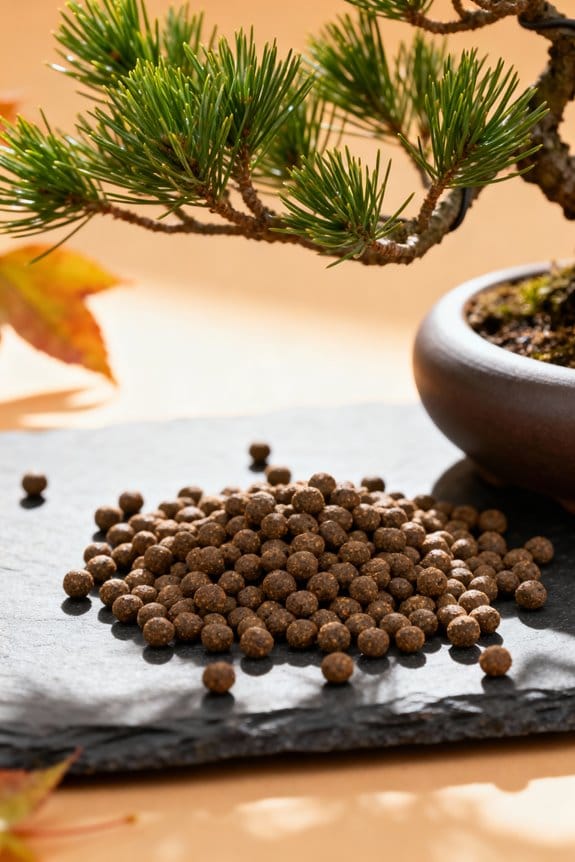
When considering the right time to apply fertilizer for bonsai trees, understanding their growth cycle is vital. Typically, fertilizing your bonsai should begin in early spring when green growth reappears. This timing enhances the vigor of new shoots, supporting healthy development during the growing season, which lasts until mid-fall. For younger trees, frequent applications may be necessary, while older trees can be fertilized less often. Indoor bonsai are unique; they can be fertilized year-round, as they don’t follow seasonal growth patterns. As late summer approaches, consider using a low nitrogen fertilizer. This practice helps the tree prepare for winter dormancy, ensuring health and strength for the next season. Remember, timing is vital for the best results.
Recommended Products

Dyna-Gro Bloom 3-12-6 is a low nitrogen, high phosphorus formula

The production material is safe and healthy, the shape is natural and lifelike, the preservation is convenient, does not need watering, basks in the sun, does not need to spend energy to take care of

NURSERY-DIRECT & EASY-CARE ARRIVAL: Each Money Tree is hand-selected from our Florida greenhouse and secured in specialized, breathable packaging for a safe journey. Designed for success, this hardy, easy-care houseplant arrives rooted and healthy, ready to thrive in your home with minimal effort—making it the perfect low-maintenance start for any beginner plant parent
Which Fertilizer to Choose?
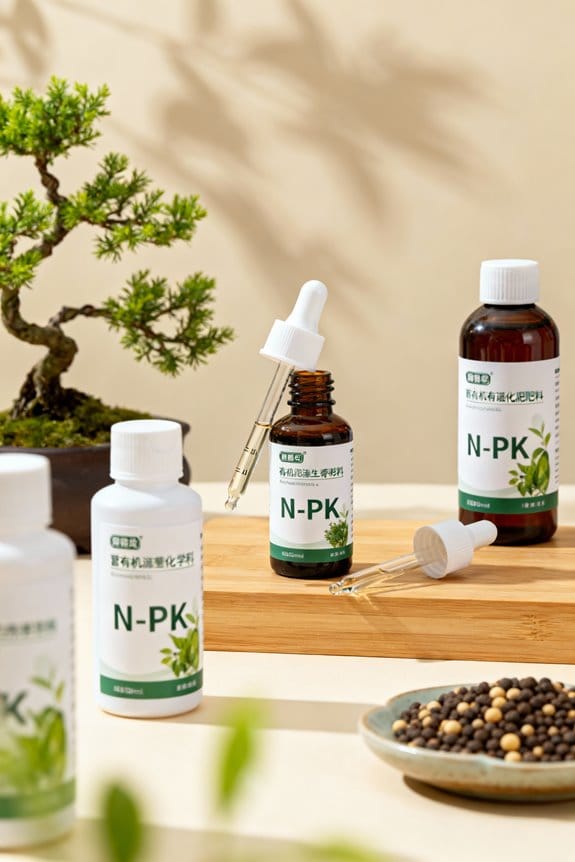
Choosing the right fertilizer for bonsai trees can be essential for their growth and health. For spring, a high nitrogen fertilizer with an NPK ratio of 10:6:6 promotes vigorous leaf and stem growth. In summer, a balanced fertilizer with a ratio of 6:6:6 helps maintain consistent growth and supports overall plant health. As autumn approaches, using a low nitrogen fertilizer with an NPK ratio of 3:6:6 prepares bonsai trees for dormancy without overstimulation. Organic fertilizers, like Biogold with an NPK ratio of 6:7:4, offer gentle nutrient release and beneficial microbial content. It’s important to take into account the specific tree species and growth stages, as the fertilizer you use can impact their nutrient uptake and health over time. Engaging with bonsai gardening offers unique beauty, artistic potential, and significant environmental benefits.
Recommended Products
![Organic Plant Magic - Truly Organic™ Fast-Acting Soluble Plant Food: All-Purpose Fertilizer Concentrate for All Flower Vegetable Herb Fruit Tree Shrub Container Garden & House Plants [20 lb Bucket]](https://m.media-amazon.com/images/I/41PAuP3XFuL._SL500_.jpg)
New Label - Same Amazing Product that Plants & Customers LOVE!
![Mycorrhizae 16 Species Inoculant (5 lb) Improves Drought Tolerance + Saves Precious Water + Fertilizer, Root Stimulator • Explodes Root Growth [5 lb Treats 96,000 (4 inch) Plants]](https://m.media-amazon.com/images/I/31AnWV9FtVL._SL500_.jpg)
EXPLODES ROOT GROWTH LIKE MOTHER NATURE INTENDED – The problem is that most soil doesn’t have enough Mycorrhizae. Wildroot Mycorrhizae facilitates the underground nutrition-gathering process that supports and replenishes the roots of plants to ensure the strongest and healthiest plants.

Package contains 160 fruit and citrus fertilizer spikes and is produced to avoid wasteful runoff, mess, hazards and smells
How Much Fertilizer Should I Apply?
Applying the right amount of fertilizer is essential for nurturing bonsai trees effectively. For successful fertilizer application, it is imperative to follow the instructions on the packaging. Starting with half the recommended amount reduces the risk of fertilizer burn, especially in sensitive bonsai trees. For those not in training, adjust the amount to balance growth and prevent overfeeding. Utilizing fertilizer covers or containers helps keep solid organic fertilizers in place and prevents washaway during watering. As conditions change, monitoring the health and growth of your bonsai tree is important. Adjusting fertilizer application accordingly guarantees that your bonsai receives the nutrients it needs without harming its health. Careful attention to these details leads to thriving bonsai. Proper drainage and aeration are crucial to prevent waterlogging and ensure optimal nutrient uptake.
Recommended Products

Japanese Biogold Original Bonsai fertilizer - 900 g

🌳 【Stimulate Root Growth & Health】: Our special blend is expertly formulated to promote robust root growth and optimal health. Packed with essential micro-nutrients, it provides your trees with the nourishment they crave.
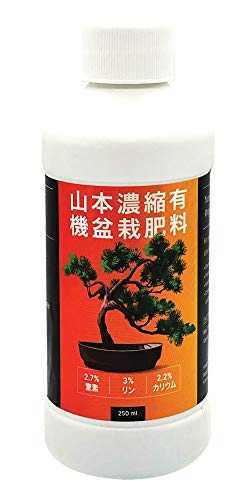
Japan's Best Selling Organic Bonsai Fertilizer. From the people who know Bonsai!
Master the Art of Bonsai
Mastering the art of bonsai requires patience, dedication, and a willingness to learn the nuances of this delicate craft. Successful bonsai cultivation involves understanding the needs of the trees throughout the growing season, from early spring to mid-fall. Gardeners should use solid fertilizer in cups or baskets for even nutrient distribution. During spring, applying a high nitrogen ratio (NPK 10:6:6) fosters vigorous growth. In summer, a balanced mix (NPK 6:6:6) will maintain health, while autumn calls for low nitrogen (NPK 3:6:6) to promote maturity. Liquid fertilizer can also provide consistent nourishment when diluted with water. Adjust fertilization practices based on the individual bonsai’s condition, ensuring their growth remains robust and resilient. It’s important to choose fertilizers with balanced N-P-K ratios that cater to the specific nutritional requirements of bonsai trees.
How to Fertilize a Bonsai
Fertilizing a bonsai tree is an essential practice that guarantees it receives the necessary nutrients for healthy growth. Begin in early spring when new growth appears, using the appropriate fertilizer type for the season. High nitrogen fertilizers are best during spring, while a balanced approach works well in summer. In autumn, switch to low nitrogen fertilizers to prepare the tree for winter. Solid fertilizers like Biogold or Aoki are effective; place them in cups or baskets on the soil surface for even distribution. Liquid fertilizers can also be used during watering, but always dilute them to prevent fertilizer burn. Keep track of your fertilization techniques, adjusting them based on your bonsai’s response to promote ideal health throughout the year. Select liquid fertilizers with balanced NPK ratios, such as 3-1-2 or 2-2-3, for precise nutrient delivery.
Popular Organic Fertilizers
A variety of organic fertilizers can greatly enhance the health and growth of bonsai trees. One popular option is fish emulsion, which provides a rich nutrient source that is quickly absorbed by the plants. Another excellent choice is cottonseed meal, known for its high nitrogen content that promotes leaf growth. Additionally, kelp or seaweed-based fertilizers offer micronutrients that boost plant resilience. Solid fertilizers, conveniently packaged in tea bags, release nutrients gradually, preventing clogs in the soil. Japanese fertilizer balls, also called dango, slowly break down to provide essential nutrients over time. Overall, organic fertilizers improve soil structure and health, fostering a sustainable environment for bonsai trees compared to synthetic alternatives. A balanced N-P-K ratio is crucial for ensuring that bonsai trees receive the essential nutrients they need for optimal growth.
Recommended Products

Brand name: Superthrive

Hand watering: mix 1 tsp. Foliage Pro per gallon of water and apply weekly or 2 tsp. And apply every 2 to 4 weeks

Made From Seaweed (Ascophyllum Nodosum)
Fertilizing Tips and Techniques
To cultivate thriving bonsai trees, understanding effective fertilizing techniques is essential. Using the right kind of fertilizer is key for bonsai health. Solid fertilizers like Biogold can be placed on the bonsai soil surface, allowing nutrients to release gradually during watering. Conversely, liquid fertilizers, when diluted, provide immediate nutrients and can be applied more frequently. To prevent waste, consider using tea bags or sachets for granular fertilizers, securing them in the soil. A consistent fertilization schedule based on the time of year and the tree’s growth stage is important. Start with half the recommended amount to minimize shock, and track the effects of different fertilizers to refine strategies and enhance overall bonsai vitality over time. Consider using slow-release fertilizers to ensure a consistent nutrient supply over several months without frequent reapplications.
Recommended Products

Nutrients are encapsulated within multiple layers of polymeric resin
![Organic Plant Magic - Truly Organic™ Long-Lasting Spreadable Plant Food: All-Purpose Fertilizer Granules for All Flower Vegetable Herb Fruit Tree Shrub Container Garden & House Plants [One 20 lb Bag]](https://m.media-amazon.com/images/I/41j8HNEs+mL._SL500_.jpg)
New Spreadable Fertilizer Granules - Amazing Benefits that Plants & Customers LOVE!
Used for woody ornamentals during spring/summer
Frequently Asked Questions
How Often Should You Fertilize a Bonsai Tree?
Bonsai trees should be fertilized regularly during growth seasons, utilizing high nitrogen fertilizer in spring, balanced types in summer, and low nitrogen in autumn. Nutrient requirements vary based on the tree’s development stage and overall health.
What Is the Rule of 3 in Bonsai?
The Rule of 3 in bonsai emphasizes nutrient balance, fertilizer timing, and environmental factors. Proper coordination of water, light, and nutrients nurtures bonsai growth, ensuring thriving trees while safeguarding against the emotional turmoil of neglect and imbalance.
Do You Fertilize Bonsai in Winter?
Bonsai trees generally should not be fertilized in winter, as cold weather effects hinder nutrient absorption. Proper bonsai winter care focuses on minimizing stress and supporting the tree’s health without the introduction of unnecessary fertilizers.
What Is the Best Fertilizer for Bonsai Trees?
The best fertilizer for bonsai trees includes organic options like Biogold, utilizing slow release granules and liquid fertilizer options. These fertilizers enhance growth, providing essential nutrients while ensuring gradual, consistent nutrient supply beneficial for overall health.


