As an Amazon Associate, we earn from qualifying purchases. Some links on this site are affiliate links at no extra cost to you. Our recommendations are based on thorough research and editorial judgment.


What Makes a Good Bonsai Soil Mix and Why Drainage Matters

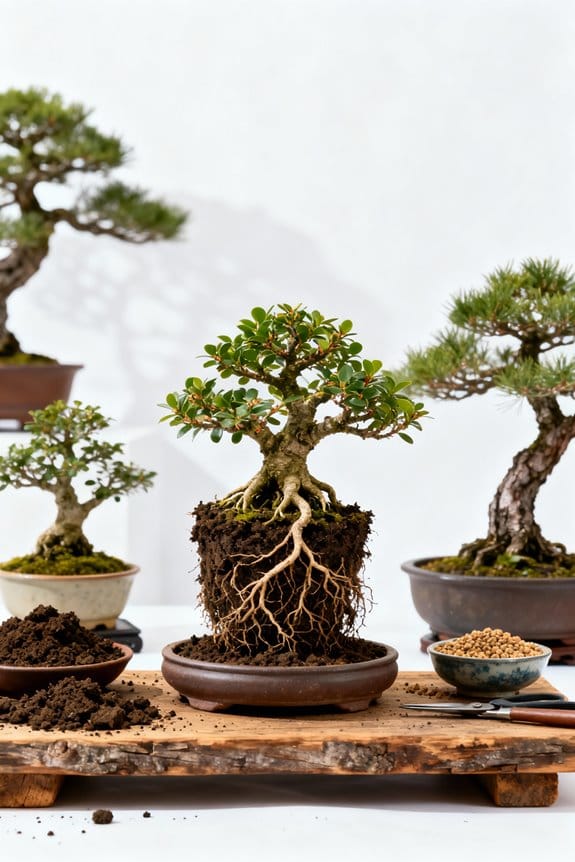
A good bonsai soil mix balances drainage, moisture retention, and aeration. Ideal components include Akadama for moisture, pumice for aeration, and lava rock for drainage. This combination should retain 25-30% moisture while allowing excess water to flow out. Drainage is essential because it prevents root rot and supports healthy growth by ensuring oxygen reaches the roots. Understanding soil needs for different species will optimize results, and there’s much more to explore about bonsai care techniques.
Key Takeaways
- A good bonsai soil mix balances drainage, moisture retention, and aeration to support healthy root growth.
- Components like Akadama, pumice, and lava rock enhance moisture retention, aeration, and drainage respectively.
- Effective drainage prevents root diseases by avoiding excess moisture accumulation around the roots.
- Regular soil mix adjustments based on the tree species and environmental conditions ensure optimal growth.
- Maintaining a pH between 6.0 and 7.0 is crucial for nutrient absorption in bonsai plants.
Essential Characteristics of Ideal Bonsai Soil
The foundation of successful bonsai cultivation lies in the soil mix used to support the tiny trees. Ideal bonsai soil must balance drainage, moisture retention, and aeration. Good drainage is essential to prevent root diseases caused by excess moisture. A well-structured mix allows 25-30% moisture retention, supplying water to the bonsai while ensuring that excess flows out easily. Aeration promotes oxygen access to the roots, supporting healthy root development and efficient nutrient uptake. Bonsai soil mixes should contain both organic components, such as compost, and inorganic components, like pumice and lava rock. These elements enhance drainage and airflow, contributing to overall bonsai health. A thoughtful blend of these characteristics sets the stage for thriving trees. Additionally, nutrient-rich mixes promote bonsai growth and health by providing essential nutrients and reducing the frequency of repotting.
Recommended Components for Bonsai Soil Mixes

Creating an effective bonsai soil mix involves selecting the right components that cater to the unique needs of these miniature trees. A well-balanced mix should include Akadama, Pumice, and Lava rock. Akadama is a Japanese clay that enhances moisture retention, promoting root health but needs replacing every 1-2 years. Pumice improves aeration and water absorption, preventing root suffocation by ensuring good drainage. Meanwhile, Lava rock offers structural support and better drainage while facilitating airflow around the roots. For deciduous trees, a common ratio is 50% Akadama, 25% Pumice, and 25% Lava rock. Balancing these components helps maintain proper moisture retention without compromising drainage, which is essential for healthy bonsai growth. Organic amendments can also be incorporated to enhance soil quality and nutrient absorption.
Recommended Products

🌳 Created By Bonsai Experts: All-Purpose bonsai soil blend providing optimum growth for your bonsai trees.
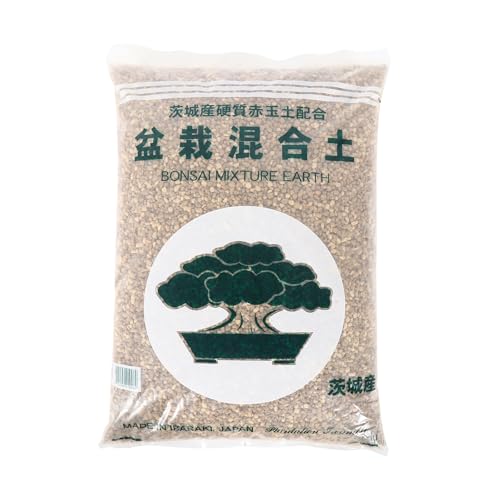
Traditional Japanese potting materials trusted by bonsai masters and plant enthusiasts worldwide. Mimics natural growing conditions, supporting healthy root development for bonsai, succulents, and more

NATURAL RED CLAY FROM IBARAKI, JAPAN - Sourced exclusively from a limited region in Ibaraki Prefecture, this Akadama is made from pure natural red clay with no binders, fillers, or additives. Its mineral composition supports long‑term soil structure for bonsai and specialty plants
The Importance of Drainage in Bonsai Care

While many factors contribute to the health of a bonsai tree, drainage stands out as one of the most essential elements. Effective drainage prevents excess water accumulation, considerably reducing the risk of root rot and other moisture-related problems. A well-draining soil mix is crucial, as it allows air circulation around the roots, ensuring they receive adequate oxygen necessary for healthy growth. Conversely, compacted soil can hinder moisture retention and nutrient access. For peak bonsai health, regular testing of drainage performance is advisable. Ideally, water should drain within 5-10 minutes after watering. Shifting to inorganic soils with high drainage properties can greatly benefit species sensitive to waterlogging, such as Pines and Junipers, promoting overall bonsai health. Using a soil moisture meter helps ensure optimal watering, reducing the risk of overwatering or underwatering, which is crucial for maintaining the right balance of moisture in the soil.
Recommended Products

Fast draining and nurturing: Our succulent potting soil helps prevent root rot and overwatering. Bonsai Jack succulent soil mix is used to enhance bonsai and succulent plants, including Echeveria, Haworthia, Crassula, Lithops, Jade, Aloe and Crassula.
🌳 Created By Bonsai Experts: All-Purpose bonsai soil blend providing optimum growth for your bonsai trees.

Convenient 2 qt Bag – Includes ten bags of scientifically designed mix that delivers excellent drainage while retaining just enough moisture to support strong root growth
Mixing Ratios for Different Bonsai Species
Understanding the significance of suitable soil mixtures is essential for the health of bonsai trees. Deciduous trees thrive in bonsai soil mixtures that contain 50% Akadama, 25% Pumice, and 25% Lava rock. This combination offers excellent moisture retention and drainage properties. In contrast, coniferous trees benefit from a balanced mixing ratio of 33% Akadama, 33% Pumice, and 33% Lava rock, meeting their unique needs for water retention and nutrients. Shifting from organic to inorganic materials is generally simpler for deciduous species, which can thrive in blends promoting aeration. Specific species, like Pines and Junipers, may need to maintain some old soil to adapt better to new mixtures. Adjustments should be made based on local environmental conditions for best results. Regular soil pH management is crucial to ensure optimal nutrient absorption and plant health, maintaining a pH range between 6.0 and 7.0 for bonsai soils.
Recommended Products

NATURAL RED CLAY FROM IBARAKI, JAPAN - Sourced exclusively from a limited region in Ibaraki Prefecture, this Akadama is made from pure natural red clay with no binders, fillers, or additives. Its mineral composition supports long‑term soil structure for bonsai and specialty plants

【100% Natural Stones】Our 45lb stones are mixed of red lava rock, black lava rock, maifanitum, and green zeolite. They are non-toxic, colorfast, and provide essential trace minerals for healthy plant growth.

【100% Natural Stones 】Our 3lb stones are mixed of red lava rock, black lava rock, maifanitum, and green mineral stones that provide essential mineral trace minerals for your plants to grow.
Seasonal Adjustments for Optimal Soil Performance
Seasonally adjusting the soil mix for bonsai trees is essential for maintaining their health and vigor. During the active growing season, trees need a richer soil mix to support ideal health, promoting efficient nutrient uptake. However, in dormant periods, excellent drainage becomes critical as reduced water use increases the risk of root problems stemming from excess moisture retention. Adjusting the soil mix for specific tree species is important; some thrive in wetter conditions, while others prefer drier soils. Additionally, changes in environmental temperatures and humidity levels directly impact moisture levels and nutrient availability. Regularly monitoring and modifying soil mixtures according to seasonal adjustments can greatly enhance root health and overall vigor, helping bonsai trees flourish throughout the year. Utilizing high-quality Akadama soil ensures excellent drainage and aeration, which are crucial for optimal bonsai growth.
Recommended Products

Handcrafted with real glass and metal base with powdercoated finish - Glass house is one piece and sits atop a gray powder-coated metal tray which rests on elegant ball feet for luxurious appeal. To water or prune use hinged roof panel and prop open with prop rod. The clear, textured glass accent framing the roof of this planter box gives a modern with a timeless feel. Complete with custom, functional plastic liner and professionally printed planting brochure.

LIVE DAWN REDWOOD BONSAI TREE: A live outdoor bonsai with soft, feathery foliage and upright growth, bringing a unique deciduous bonsai look to patios and garden spaces.

Designed for Tropical and Flowering Bonsai Specially crafted for bonsai like Ficus, Azaleas, and Japanese Maples, this soil provides the perfect balance of moisture retention and drainage.
Tips for Testing and Maintaining Soil Quality
Maintaining soil quality is essential for ensuring bonsai trees thrive throughout their life cycle. Regular testing is important; perform a drainage test using a small pot of your soil mix. Water should drain completely within 5-10 minutes. Conduct pH testing with test strips, aiming for a range between 6.0 and 7.0. To maintain soil quality, consider heat treatment by baking it at 180°C (350°F) for 30 minutes to eliminate harmful organisms. Repotting every 2-3 years is vital, as a fresh soil mix prevents compaction, nutrient depletion, and reduced aeration. Use of organic fertilizers enhances soil health by promoting microbial activity and sustainable growth. Store your soil mix in clean, covered containers to maintain its quality. These steps will help establish a thriving environment for your bonsai trees.
Recommended Products

Test your soil with accuracy and ease to determine if you need to adjust soil acidity

ACCURATELY MEASURES SOIL PH & SOIL MOISTURE- Our Pro pH & Moisture Soil Tester measures soil pH and soil moisture levels in 3 minutes. It's accurate to within 0.2 pH and 10% moisture level.

🔴{Great Soil pH Moisture Meter Combo for All Growers} YINMIK soil test kits included a soil ph meter and a 3 in 1 soil Moisture EC meter . pH meter provides a new experience of soil pH test. Just stick the electrode into the soil, and immediately obtain the accurate pH value. Soil Moisture meter can fast get soil moisture and temperature , help you to know if you should water or not .
Frequently Asked Questions
What Makes a Good Bonsai Soil Mix?
A good bonsai soil mix combines organic matter and inorganic additives for ideal nutrient retention factors. It guarantees aeration benefits, employs water retention techniques, maintains soil pH balance, and provides variety in soil texture for long-term maintenance.
What Is the Rule of 3 in Bonsai?
The Rule of 3 in bonsai emphasizes a balanced soil composition, integrating organic materials like Akadama for moisture retention, pumice for aeration, and lava rock for drainage, ensuring ideal root health and effective fertilizer balance.
How Do I Improve Bonsai Soil Drainage?
To improve bonsai soil drainage, incorporate drainage materials and organic amendments, adjusting soil texture for better aeration. Consider container types and climate factors, using proper care techniques to enhance root health and minimize water retention.
Is Bonsai Potting Mix Well Draining?
Bonsai potting mix is designed for well-draining characteristics. Its soil composition incorporates drainage materials, optimizing root growth while balancing bonsai moisture and water retention, often enhanced with organic matter and appropriate fertilizer types for healthy plants.