As an Amazon Associate, we earn from qualifying purchases. Some links on this site are affiliate links at no extra cost to you. Our recommendations are based on thorough research and editorial judgment.


Signs Your Bonsai Is Stressed and How to Fix Them

Bonsai trees can show stress through signs like yellowing leaves, wilting foliage, or dying branches. These symptoms often point to watering issues, inadequate sunlight, or poor soil health. It’s essential to monitor soil moisture consistently and guarantee proper drainage. Additionally, assess light placement, as bonsai need 4-6 hours of sunlight daily. Pruning dead branches and adjusting care routines can aid recovery. By understanding these signs, bonsai owners can promote healthier growth and liveliness. Explore further for detailed solutions.
Key Takeaways
- Yellowing leaves indicate watering issues or nutrient deficiencies that need immediate attention.
- Ensure your bonsai receives 4-6 hours of sunlight daily to promote healthy growth.
- Monitor soil moisture regularly to prevent overwatering and underwatering; adjust your watering schedule accordingly.
- Prune dead or dying branches to redirect energy to healthier parts of the bonsai.
- Use high-quality, well-draining soil for repotting to support root health and drainage.
Identifying Signs of Stress in Your Bonsai
Bonsai trees, like all plants, can exhibit signs of stress that may require immediate attention. Common indicators include yellowing leaves, which can signal watering issues or nutrient deficiencies. A bonsai tree showing wilted foliage or decreased density may be suffering from inadequate light, water, or nutrients. Additionally, dying branches or burnt tips imply energy drain, necessitating a closer look at tree health. Immediate response is important if alert changes occur in leaf color, as these signs may indicate pest infestations or other problems. Regular monitoring for unusual leaf drop is fundamental to catch stress early. Implementing proper drainage techniques can help prevent overwatering, one of the key factors that could lead to stress in bonsai trees. Addressing these issues promptly can restore the health of your bonsai and guarantee its ongoing health and beauty.
Diagnosing Watering Issues

Recognizing the signs of stress in a bonsai can lead to significant insights about its care needs, particularly regarding watering practices. Overwatering can result in root rot, which occurs when the roots are submerged in saturated soil, leading to decay. Conversely, underwatering may show in wilting leaves and crispy foliage, indicating the tree lacks moisture. To diagnose watering issues, assess soil moisture every 1-3 days, especially after rain. This helps guarantee the bonsai receives just the right amount of water. A difference in moisture levels between the surface soil and the rootball may mean adjustments are needed. Utilizing a well-draining soil mix and proper potting techniques will also enhance bonsai care, safeguarding overall health and liveliness. Implementing an effective drainage solution can further prevent root rot by enhancing water flow and airflow around the root systems.
Recommended Products

Fast draining and nurturing: Our succulent potting soil helps prevent root rot and overwatering. Bonsai Jack succulent soil mix is used to enhance bonsai and succulent plants, including Echeveria, Haworthia, Crassula, Lithops, Jade, Aloe and Crassula.

Weight Capacity: 20 lbs

🌳 Created By Bonsai Experts: All-Purpose bonsai soil blend providing optimum growth for your bonsai trees.
Assessing Sunlight and Placement

Proper sunlight and placement play an important role in the healthy growth of bonsai trees. These trees typically thrive with 4-6 hours of direct sunlight daily. Insufficient light leads to weak growth and yellowing leaves. For outdoor bonsai species, a spot with morning sun and afternoon shade helps protect them from too much heat and light stress. Indoor bonsai, like Ficus, prefer bright, indirect light; placing them too far from natural light can cause stunted growth and pest vulnerabilities. Regularly reassess the placement based on seasonal changes in sunlight availability. This ongoing evaluation guarantees these tree species receive ideal lighting conditions year-round, which is vital for their overall vigor and health. Remember, much water alone won’t suffice if light is inadequate! Additionally, ensuring that bonsai beech trees are protected from harsh sunlight, especially during peak hours, can prevent leaf damage and maintain optimal growth.
Recommended Products

ELEGANT BEDSIDE LAMP WITH MODERN TECHNOLOGY - All-in-1 Stunning Lamp with Built-in Bluetooth Speaker and Wireless Charger for Bedroom, Office, and Living Room.

【Full Spectrum Grow Light for Tabletop Plants】Chiphy table grow light with sleek design make it ideal for any desktop, countertop or plant shelves by generating full-spectrum light for your table top houseplants. This ensures plant's healthy and happy growth of all stages from seedling, growing, flowering, and fruiting. Space-saving, perfect solution to fit for any dark corner area in house during winter months.

☀【Solar Powered & Zero Power Bill】This solar grow light is equipped with a 14''x18'' solar panel, which could provide up to 4000mA of charging current under direct sunlight, and with 20000mAh of batteries, it could be fully charged around 5 hours at sunny day, and be luminous more than 12 hours with middle brightness after it is fully charged.
Evaluating Soil Health and Drainage
Healthy soil is essential for nurturing a bonsai tree’s roots and supporting overall growth. A proper soil mixture, such as akadama, pumice, and lava rock, provides excellent drainage and meets bonsai needs. Regularly checking the moisture level is critical; insert a finger about an inch deep to ascertain the surface is dry, while the root ball remains adequately moist. Overwatering can lead to root rot, so make certain pots have sufficient drainage holes to prevent water retention. Inspect the soil for compacting, which can inhibit water movement. If compacting occurs, consider loosening the top layer or replacing the soil to enhance aeration. Additionally, elevating pots during heavy rain can help prevent oversaturation and protect root health. Using premium mixes that are versatile for various plant types can support the health and growth of your bonsai trees.
Recommended Products

Horticultural Grade Vermiculite: Premium organic fine vermiculite, ideal for potting soil for orchids, indoor plants, and succulents. Enhances water retention and nutrient availability for robust growth.

HOW TO USE: To use this plant soil for potting, fill a container about 1/3 full with potting mix, place your plant in the soil, and fill the rest of the pot, pressing lightly

100% Organic and Peat-Free: Our potting mix is 100% organic and peat-free—made from upcycled plant matter and wood fines from across the
Recovery Strategies for Stressed Bonsai
How can a bonsai enthusiast effectively revive a stressed tree? To start, pruning dead or dying branches is crucial. This action redirects energy toward healthier areas, promoting new growth. Next, make certain to implement a consistent watering schedule tailored to the specific species. Monitoring the amount of water is fundamental to prevent overwatering, which can cause further stress. Environmental conditions should also be closely observed; guarantee the tree receives adequate sunlight and ventilation. When repotting, use high-quality, well-draining soil to support root health. Additionally, joining a bonsai care community can provide insights from experienced bonsai professionals, helping you refine your recovery strategies. Following these steps will greatly increase the likelihood that the tree will recover successfully. Furthermore, using appropriate safety gear when working with tools like sanding drum kits ensures both personal safety and effective tree maintenance during the recovery process.
Recommended Products
🌳 Created By Bonsai Experts: All-Purpose bonsai soil blend providing optimum growth for your bonsai trees.

40 MM Minute Soil Discs - Bag of 30 - Add 1/3rd cup of water to each disc to re-hydrate - Expands up to 15 times - Yields approx 3/4th cup of soil per disc - Full bag rehydrates to Approx 5.5 quarts of soil
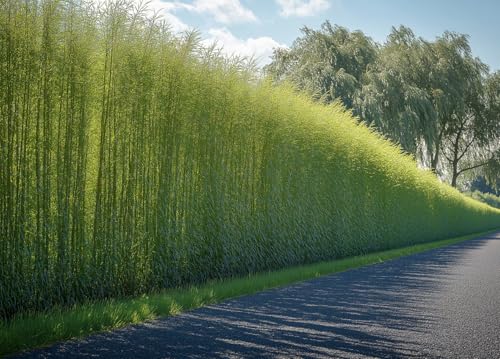
Hybrid Willow also known as Aussie Willow are the fastest growing tree on the planet. They can grow 6 feet the first year and 10 feet a year after that. Great for a visual or sound barrier, block nosey neighbors or just grow some fast growing trees.
Frequently Asked Questions
How to Bring Bonsai Back to Life?
To revive a bonsai, adopt proper watering techniques, guarantee adequate sunlight, apply balanced fertilizer, prune unhealthy roots, and implement effective pest control. Seasonal care practices will further support its health and promote vigorous growth.
What Is the Rule of 3 in Bonsai?
The Rule of 3 in bonsai emphasizes creating visual harmony through three key elements. This principle enhances aesthetics while considering bonsai watering techniques, pruning frequency, and light requirements, ensuring ideal care and beauty in each tree.
What Does an Unhealthy Bonsai Look Like?
An unhealthy bonsai displays leaf discoloration signs, root rot symptoms, and pest infestation indicators. It often exhibits branch dieback causes and weak growth patterns, alongside improper soil moisture levels, leading to overall decline in health.
How to Make a Bonsai Tree Happy?
To make a bonsai tree happy, one might consider advanced bonsai watering techniques, guarantee a proper soil mix, meet sunlight requirements, prune for health, implement pest control tips, and maintain a diligent fertilizer schedule. Happiness abounds!