As an Amazon Associate, we earn from qualifying purchases. Some links on this site are affiliate links at no extra cost to you. Our recommendations are based on thorough research and editorial judgment.


How to Water Bonsai Trees Correctly Without Overwatering

To water bonsai trees correctly without overwatering, check the soil moisture daily. Water thoroughly when the top inch feels dry, ensuring water drains from the bottom. Use a wooden skewer to assess moisture levels at both surface and deeper areas. Look for smooth, plump leaves as signs of hydration; wrinkled leaves indicate more water is needed. Adjust your watering frequency based on whether the tree is indoors or outdoors, especially in warm months. Discover more tips for ideal care.
Key Takeaways
- Check soil moisture daily using a wooden skewer to assess if watering is necessary before adding water.
- Water thoroughly from above, ensuring drainage holes expel excess water for even moisture distribution.
- Observe leaf conditions: smooth, plump leaves indicate proper hydration, while wrinkled leaves suggest the need for water.
- Allow soil to dry slightly between waterings; overwatering can harm roots and lead to root rot.
- Adjust watering frequency according to your bonsai’s environment, with indoor trees needing water every 2-3 days and outdoor ones daily in hotter months.
About Your Tree
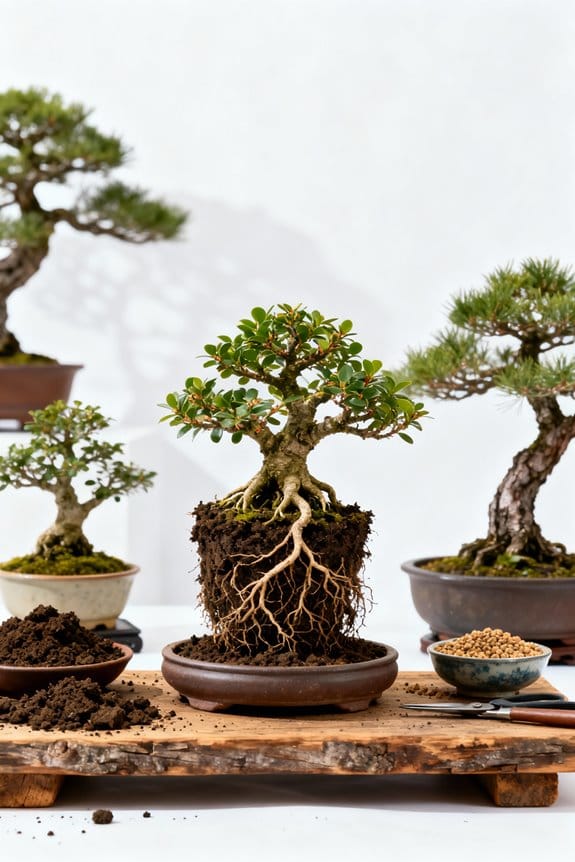
Understanding your bonsai tree is vital for its health and longevity. Indoor bonsai, like the Dwarf Jade, have specific soil needs and thrive under consistent care. Although they can tolerate arid conditions, they blossom with careful attention, including watering twice a day after repotting to help establish roots. Monitoring soil moisture daily is essential for determining when your tree needs water. In full sun, indoor bonsai should typically be watered every two to three days, while outdoor varieties may require daily watering in summer. Plump leaves indicate adequate hydration, while wrinkled ones suggest the tree is underwatered. Paying close attention to these signs will help you nurture your bonsai effectively and guarantee its ideal growth. To enhance the health of your bonsai, consider using high-quality peat moss as it improves nutrient absorption and promotes strong root growth.
When to Water

Knowing when to water a bonsai tree is just as important as understanding its basic needs. The tree should be watered thoroughly once the soil feels dry. If it feels moist, wait and check the next day to prevent overwatering, which can harm the roots. Healthy leaves are smooth and plump, indicating the tree has enough water. Conversely, wrinkled or shriveled leaves suggest that it needs immediate attention due to underwatering. Indoor bonsai often require watering every 2-3 days, while outdoor trees may need daily watering in summer due to increased heat and evaporation. To guarantee proper moisture, consider using a wooden skewer to gauge soil moisture below the surface, helping to determine when to water effectively. Adjustable flow rate systems ensure proper hydration and can be a valuable tool for maintaining the health of your bonsai trees.
How to Water

Watering bonsai trees requires attention to detail and a thoughtful approach to guarantee their health and vibrancy. To water effectively, do so thoroughly from above until water drains from the drainage holes, ensuring even coverage without disturbing the soil mix. Alternatively, soaking the pot in water for 3-5 minutes aids in moisture absorption. To assess soil moisture levels, use a wooden skewer or chopstick, checking both surface and sub-surface conditions. Observing the leaves is vital; smooth, plump leaves suggest proper hydration, while wrinkled ones indicate a need for immediate watering. Remember to adjust how much you water based on environmental conditions, with indoor trees needing water every 2-3 days and outdoor ones often needing daily hydration in hot months. Consider using a stainless steel watering can for its durability and precision to enhance your bonsai care routine.
Recommended Products

CONTENTS Comes with 30 Knob Cutters

Brass Finish + Rust Resistant: This brass watering can is crafted from high-quality stainless steel with a warm, polished finish that resists rust, tarnishing, and daily wear; unlike plastic or low-grade metal alternatives, this stainless steel watering can offers both durability and elegance; a beautiful yet functional choice for those seeking a decorative watering can that withstands everyday indoor or balcony use

PRODUCT DETAILS: Gardeners Supply Exclusive Copper-Plated Steel Watering Can. This handsome watering can is perfectly sized for watering indoor plants. The slender, curved spout creates a gentle stream, making it easy to tend small pots & terrariums. The generous 3-quart capacity means fewer trips to the faucet.
If You Leave for Vacation
When planning a vacation, it’s essential for bonsai owners to take steps to guarantee their trees remain hydrated. Before leaving, they should thoroughly water their Dwarf Jade to make sure it stays healthy during their absence. By placing the tree in a container with one inch of water, it will absorb moisture from the bottom, aiding in its hydration. Dwarf Jades can draw water through their roots, which helps prevent wilting over time. A well-hydrated tree before departure can typically remain vibrant and robust, lowering the risk of stress from underwatering. If vacation plans exceed a week, it’s a good idea to ask a plant caretaker to monitor the bonsai’s hydration needs for continued care. Additionally, utilizing an automatic watering system can ensure consistent hydration, providing peace of mind while you’re away.
Recommended Products

Effortless Watering Solution: The Blumat drip irrigation system provides an automated solution to water plants without electricity or timers. This plant watering device ensures consistent hydration for both indoor and outdoor plants, making garden care easier than ever.
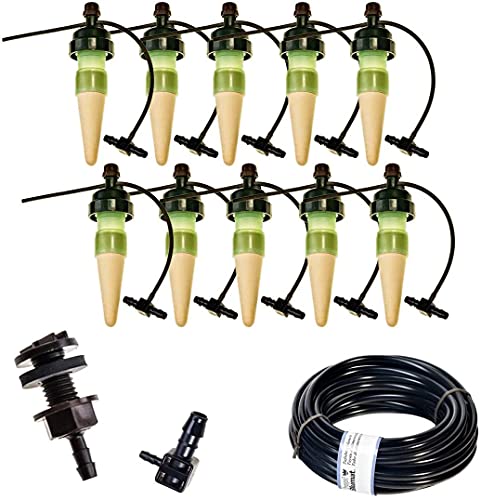
AUTOMATIC DRIP IRRIGATION: Automate your watering without power, batteries, pumps, or timers; They save time, water, and nutrients; provide healthier, more potent, and faster-growing plants

【2-Gallon Transparent Water Tank】 The large 2-gallon (7.5L) transparent tank provides continuous water supply for up to 2 weeks, with built-in filter to prevent clogging. Easily monitor water levels at a glance.
You May Also Like
Exploring the needs of bonsai trees can enhance the overall experience of caring for these miniature plants. For enthusiasts interested in tropical species, understanding the requisite watering methods is vital. Monitoring soil moisture levels is important, particularly during the warmer months of spring and summer. Regularly check the soil’s dryness with a wooden skewer or chopstick to avoid both overwatering and underwatering. When potting, make sure to use suitable potting soil for your specific bonsai type. Additionally, new bonsai owners should adopt a consistent watering routine after repotting to promote healthy root establishment. Proper drainage layer depth varies based on pot and plant type, and is essential for preventing root rot and promoting healthy growth. As summer intensifies, consider soaking pots for peak hydration, enhancing the joy of cultivating these beautiful plants. Happy bonsai gardening!
Frequently Asked Questions
What Is the Best Way to Water a Bonsai Tree?
The best way to water a bonsai tree involves adjusting water frequency based on temperature influence, ensuring adequate soil moisture without over-saturation, while allowing proper pot drainage for healthy root development and overall tree vigor.
What Is the Rule of 3 in Bonsai?
The Rule of 3 in bonsai emphasizes patience, urging caretakers to check bonsai soil moisture thrice. This nurturing approach balances bonsai watering, ensuring proper drainage and humidity for ideal health and vigor within the miniature ecosystem.
Should You Water Bonsai From Top or Bottom?
Bonsai trees can be watered from the top or bottom; top watering promotes even distribution, while bottom watering enhances water retention and soil moisture. Both methods require careful monitoring to guarantee ideal conditions for the tree’s health.
Should You Water a Bonsai Every Day?
Daily watering of bonsai trees is not universally advisable. Different bonsai species require tailored approaches, influenced by climate factors. Monitoring soil moisture remains essential; overindulgence can lead to disaster while neglect may result in peril for the tree.