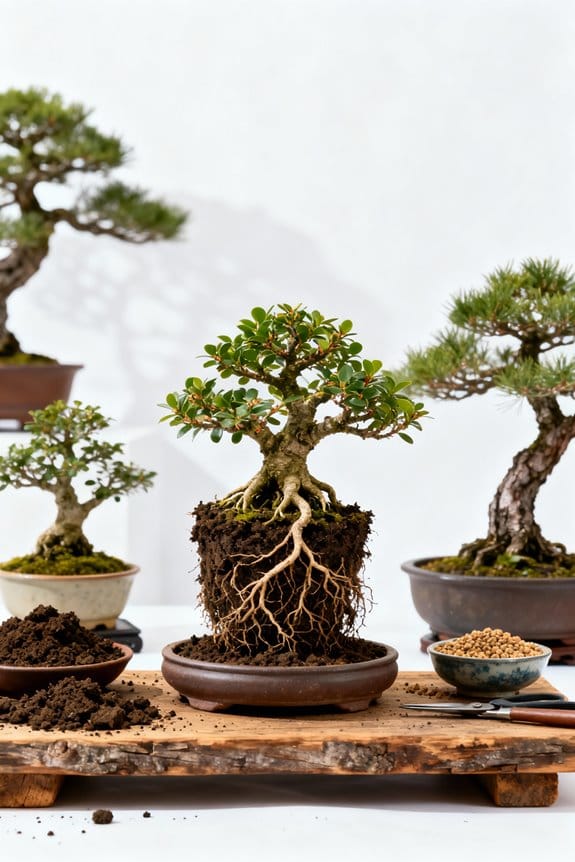
As an Amazon Associate, we earn from qualifying purchases. Some links on this site are affiliate links at no extra cost to you. Our recommendations are based on thorough research and editorial judgment.


Seasonal Bonsai Care Checklist for Summer

For summer bonsai care, regular monitoring is essential. Inspect for stress signs, like drooping leaves, and check soil moisture daily with the Finger Test Technique. Water shallow containers every day to prevent drying out. Prune new shoots to control size and use sharp shears for clean cuts. Protect against pests by maintaining cleanliness and using organic treatments like neem oil. Adjust care according to species needs, especially during extreme heat. Continued attention will guarantee thriving bonsai all season long.
Key Takeaways
- Regularly monitor bonsai for signs of stress and pests to ensure prompt intervention and care adjustments.
- Prioritize daily watering for shallow containers and utilize the Finger Test Technique for accurate soil moisture assessment.
- Implement regular fertilization every 4-6 weeks with balanced fertilizers to support summer growth.
- Perform summer pruning by pinching back new shoots to manage size and promote denser foliage.
- Maintain vigilance against pests and diseases, utilizing organic treatments and keeping the area clean to prevent infestations.
Importance of Regular Monitoring
Regular monitoring of bonsai trees is crucial, especially during the summer months when temperatures rise. Observing for signs of stress, such as drooping leaves or color changes, helps identify potential watering issues. Weekly inspections for pests, particularly on new growth, guarantee prompt action against infestations. Daily soil moisture checks using the Finger Test Technique allow growers to adjust summer watering accordingly. Changes in growth patterns may also indicate that watering frequency needs adjustment due to increased heat. In addition, maintaining a routine for cleaning leaves and removing debris enhances photosynthesis and minimizes disease risk. Light pruning during these checks promotes healthy growth, contributing to a thriving bonsai. Regular monitoring therefore becomes a significant aspect of effective summer care. Additionally, using eco-friendly materials in bonsai care tools ensures sustainability and reduces environmental impact.
Watering Practices for Summer
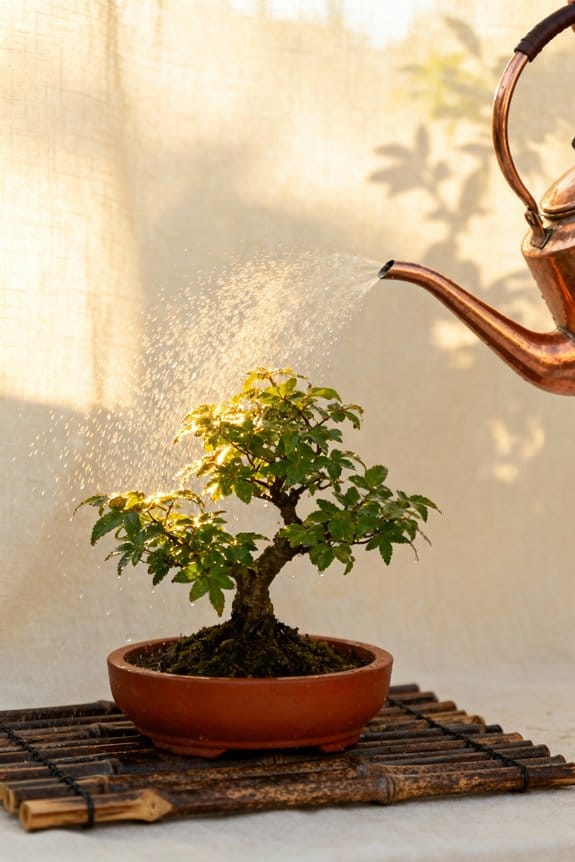
During the summer, it is essential to prioritize proper watering practices for bonsai trees. Daily watering is vital because bonsai in shallow containers can dry out quickly. Use the Finger Test Technique by inserting a finger into the soil to check if it retains enough moisture. When watering, thoroughly soak the soil until water drains from the bottom of the pot. This guarantees healthy root hydration and helps prevent dry patches. Wilting leaves and drooping branches signal thirst, so monitor your bonsai’s overall health. Additionally, environmental factors, like high temperatures and air conditioning, can influence watering needs. Observing these conditions closely will help maintain ideal soil moisture for your bonsai’s well-being. Incorporating aeration stones into your bonsai soil can enhance drainage and prevent waterlogging, which is crucial during the hotter months.
Recommended Products

Brand name: Superthrive
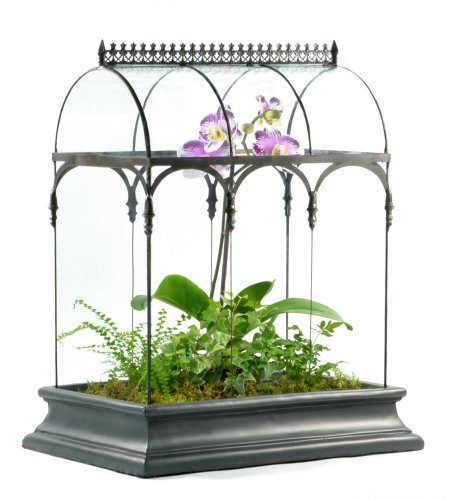
LARGE 22-INCH TALL GLASS WARDIAN CASE DISPLAY: Creates a striking indoor focal point with generous space for plant arrangements. Measures approximately 22 inches tall by 17 inches wide, suitable for tabletops, consoles, and large interior displays

Package Include: ・1 Yasugi Steel Satsuki Scissors ・1 of Concave Cutter ・1 of Knob Cutter ・1 of Jin Pliers ・1 of Bonsai Wire Cutter ・1 of Root Cutter ・1 of Bonsai Tool Roll Case - Cutters: S55C Carbon steel, Black Coated. Scissors: YCS3 Alloy Tool Steel ※YCS is a trademark of Hitachi Metals, Ltd.
Soil Management Techniques

Maintaining the right soil conditions is important for the health of bonsai trees, especially during the hot summer months. Employ effective soil management techniques to help guarantee your bonsai thrives. Start by using top dressing with sphagnum moss to reduce surface evaporation and maintain essential moisture levels. Regularly assess soil moisture through the Finger Test Technique, inserting a finger into the soil to check if watering is necessary. Confirm that your soil mix has both coarse and fine particles for proper drainage and aeration, which helps prevent root rot. Be mindful of rapid drying in shallow containers, particularly during heatwaves, and consider repotting every 2-3 years to refresh the soil mix and promote healthy root growth. It’s crucial to evaluate nutritional benefits to ensure that your bonsai receives the nutrients it needs for optimal growth during the summer season.
Recommended Products

FEEDS UP TO 6 MONTHS: Miracle-Gro Potting Mix is a gardening soil for outdoor containers that feeds all types of potted plants, including flowers, vegetables, shrubs, annuals, and perennials for up to 6 months

100% Organic and Peat-Free: Our potting mix is 100% organic and peat-free—made from upcycled plant matter and wood fines from across the

MULTI-USE POT: Our timeless and modern plant pots are ideal for your indoor space or your outdoor deck, patio, or balcony. They effortlessly complement any design style and elevate the look of potted real or faux greenery.
Pruning Strategies for Growth Control
Pruning strategies play a crucial role in controlling the growth and shape of bonsai trees, especially during the summer months. Summer pruning focuses on aesthetic decisions, canopy management, and ensuring adequate air and light penetration to reduce excessive transpiration. Regularly pinching back new shoots is essential for maintaining size and promoting denser foliage. Tropical species particularly benefit from summer pruning, as it encourages quick recovery and the replacement of older leaves. For Black Pine, precise de-candling will promote healthy branch development. It’s important to use sharp bonsai shears for clean cuts, minimizing damage to the tree. Clear instructions and visual aids can enhance the pruning process and boost confidence in maintaining a vibrant and healthy bonsai landscape. With careful attention, pruning during the summer sun helps foster a vibrant and healthy bonsai landscape.
Recommended Products

PERFECT FOR LIGHT CUTTING AND TRIMMING - Designed to Slice through plant material up to 3/16 Inches Thick - Precision blades are ideal for healthy cuts in small and tight spaces - Comfortable Thermo Plastic Rubber Handles - Corrosion Resistant High Grade Stainless Steel Blades.

HARDENED STAINLESS STEEL BLADES: Designed with straight sharp blades for precision snips and cuts, these gardening scissors are great for pruning fruit trees, bonsai, and thorny bushes. Pruning shears are durable, sharp, and come with an easy safety lock for storage.

Package Include: ・1 of Concave Cutter ・1 of Knob Cutter ・1 of Jin Pliers ・1 of Bonsai Wire Cutter ・1 of Root Cutter ・1 of Trunk Splitter ・1 of Bonsai Tool Roll Case - All Made in Japan Cutters: S55C Carbon steel, Black Coated
Summer Repotting Considerations
Repotting bonsai trees in summer can pose significant challenges due to heat stress affecting the roots. This heat can hinder water movement and proper hydration, making it risky to repot during high summer temperatures. Nurseries generally recommend repotting in late winter or early spring for better recovery. However, tropical species, such as Ficus, often tolerate late spring or early summer repotting more effectively than cold-hardy trees. If excessive temperatures arise, it is prudent to postpone repotting until autumn to protect tree health. Always assess root status and pot size before deciding on repotting needs, especially during the peak heat of summer. Making informed choices will help guarantee the vigor of bonsai during these challenging conditions. To ensure healthy growth and preservation of your bonsai, choosing the right tools with ergonomic designs and ease of maintenance is essential.
Recommended Products

JAPANESE BONSAI TOOL SET WITH BAG: Made in Japan authentic professional bonsai tool set. These tools can be used for various kinds of bonsai work such as pruning, cutting, daily trimming, wire bending and cutting, jin making, moss and soil cleaning, and repotting work. ALL items are produced and finished by a blacksmith and craftsman in Nigata Tsubame Sanjo, a city of Japanese leading cutlery town.

Upgrade Your Bonsai Skills with Professional Bonsai Tool Sets. All-Inclusive Essentials: Covers every necessary tool for bonsai pruning, shaping, wiring, and maintenance, no extra purchases needed.

【Specification】【Scissors】 Size: L 7.08 x W 3.74 x H 0.67 in (180mm x 95mm x 17mm) | Length of Blades: 2.04inches(52mm) | Weight: 5.5oz (156g) | Material: S58C black carbon steel | Made in Japan (Niigata prefecture) 【Concave Branch Cutter】Size: L 7.87 x W 1.96 x H 0.78 in (200 x 50 x 20 mm) | Length of Blades: 0.98 in (25 mm) | Weight: 6.7 oz (190 g) | Material: S55C Carbon steel | Black Coated | Made in Japan (Niigata prefecture)
Wiring Techniques During Hot Months
While summer presents unique challenges for bonsai enthusiasts, effective wiring techniques can enhance a tree’s form without causing undue stress. During the hot months, general wiring, such as branch and ramification techniques, is safe and beneficial if the tree remains healthy. However, major bending should be postponed until autumn. This delay guarantees the tree retains its vigor and minimizes any risk of damage. Bonsai caretakers must closely monitor tree health, as excessive bending can strain the tree, especially when energy levels are low in summer. Always perform wiring with care, making sure not to overexert the tree. By following these guidelines, enthusiasts can maintain their bonsai’s shape while prioritizing its overall well-being. Regular checks for growth constriction are particularly important during this season to prevent potential injury to the tree.
Managing Sunset Exposure
Proper management of sunset exposure is essential for the health and growth of bonsai trees. These trees require at least 5-6 hours of indirect sunlight daily. During summer, the intense afternoon sun can lead to leaf scorching, so positioning bonsai in partial shade during peak hours is advisable. Using sheer curtains can help mitigate harsh rays if placed by south-facing windows. Additionally, to guarantee the even exposure to sunlight, gardeners should rotate the bonsai pot a quarter turn weekly. Regular monitoring of the amount of light is significant, especially during seasonal shifts, to prevent stress or damage. By implementing these techniques, bonsai enthusiasts can maintain their trees’ liveliness and promote balanced growth. For improved drainage and to prevent soil erosion, consider using natural jade rocks or decorative pebbles in your bonsai arrangements.
Pest and Disease Control Measures
Vigilantly inspecting bonsai trees for pests and diseases is a vital part of summer care. Regular checks of leaves and bark for pests like aphids, spider mites, and scale insects help guarantee early detection for effective pest control. Utilizing preventive treatments, such as insecticides or systemic options, can safeguard your trees against infestations. Maintaining a clean area around the bonsai limits pest habitats and reduces disease spread. Signs of disease, including yellowing leaves or mold, should prompt immediate removal of affected parts to prevent further infection. Employing organic methods, such as neem oil and insecticidal soap, allows for effective pest management while protecting both the bonsai and its environment. Bonide Captain Jacks Bacillus Thuringiensis (BT), effective against specific pests like caterpillars, is safe for beneficial insects and approved for organic gardening, making it a valuable tool in maintaining bonsai health. Keeping these strategies in mind leads to healthier trees.
Recommended Products

MAXIMIZE YIELDS – Grow healthier plants with Grower’s Ally Spider Mite Control. This natural miticide for spider mites kills and repels common soft-bodied insects, including adult and nymph spider mites.

Safeguard Against Diseases - Shield your shrubs, bushes, vines, and trees from decay, insects, and nasties with our powerful tree pruning sealer spray. Treekote Tree Wound Dressing stops the spread of Oak Wilt and other diseases, providing protection for your beloved plants

Control diseases and insects in your garden with Captain Jack’s Fruit Tree Spray Concentrate! Use on a variety of listed fruits, nuts and citrus plants.
Nutritional Needs and Fertilization
As summer arrives, bonsai trees enter a phase of vigorous growth, making it necessary to meet their nutritional needs effectively. Regular fertilization every 4-6 weeks during this growing season is essential for providing fundamental nutrients. Tropical bonsai especially benefit from balanced or slow-release fertilizers, which support rapid recovery from summer pruning and defoliation. Low nitrogen fertilizers are typically recommended in early autumn to promote root development with phosphorus and potassium. High nitrogen content is crucial for lush foliage growth during the active growing season, and regular monitoring of plant health helps in adjusting fertilization schedules based on environmental conditions. It is important to adjust fertilization based on soil nutrient retention and the specific needs of each bonsai species. By doing so, gardeners can guarantee lush foliage and strong structural growth throughout this active period. A tailored approach enhances overall health and robustness for bonsai trees.
Summer Dormancy and Tree Care Adjustments
When high summer temperatures rise above 32-35°C (90-95°F), bonsai trees may experience a state of dormancy that noticeably slows their growth. During this summer dormancy, careful attention to watering is essential. For outdoor bonsai, daily watering may be necessary, especially for tropical varieties under full sun. Missing even one day can lead to wilting leaves or drooping branches. Conversely, cold-hardy trees may enter a mini dormant period by late July, requiring reduced watering to maintain health. As seasonal changes affect each tree’s needs, it’s vital to shelter trees from excessive heat and monitor for signs of stress. High-quality Akadama soil offers excellent drainage and aeration, which is crucial for maintaining bonsai health during these periods. By adjusting care practices appropriately, enthusiasts can help their bonsai thrive even in the summer heat.
Frequently Asked Questions
What Is the Rule of 3 in Bonsai?
The Rule of 3 in bonsai emphasizes three branches from a single point for aesthetic balance. This principle complements pruning techniques, soil health management, pest control measures, and appropriate fertilizer types to achieve harmonious growth.
What to Do With Bonsai in September?
In September’s gentle embrace, bonsai require thoughtful care. September pruning refines their shape, while fall fertilization nourishes roots. Temperature adjustments prepare for sleep, and vigilant pest management guarantees their health against encroaching autumnal shadows.
How Often Should I Water My Bonsai Tree in the Summer?
In summer, bonsai water requirements increase, necessitating daily checks of soil moisture. Techniques like the Finger Test can gauge hydration needs, while adjusting for humidity levels helps prevent over or under-watering and guarantees ideal growth conditions.
How Hot Is Too Hot for a Bonsai Tree?
Above 35°C (95°F), bonsai trees exhibit stress signs, struggling with heat tolerance, which can lead to wilting leaves and drooping branches. Effective summer watering techniques and sun exposure guidelines are essential for their survival.