As an Amazon Associate, we earn from qualifying purchases. Some links on this site are affiliate links at no extra cost to you. Our recommendations are based on thorough research and editorial judgment.

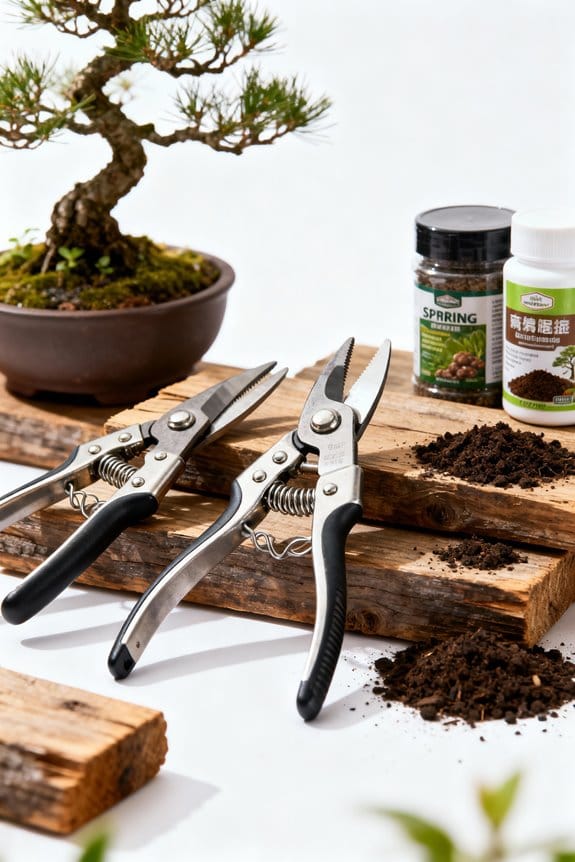
Seasonal Bonsai Care Checklist for Spring

Spring marks an important time for bonsai care. Begin by evaluating tree conditions, checking for bud swelling and soil moisture. Re-pot as new growth emerges, ensuring well-draining soil. Lightly prune vigorous shoots to encourage healthy growth. During this season, avoid heavy wiring, as branches are tender. Fertilizing with slow-release organic options boosts nutrient levels. Finally, monitor for pests and use sticky traps to track their presence. With these steps, your bonsai will thrive beautifully this season. Discover more ways to enhance your bonsai care.
Key Takeaways
- Inspect buds for growth and check soil moisture daily to ensure optimal watering conditions.
- Re-pot bonsai trees early spring, trimming up to 60% of vigorous roots for healthy root development.
- Utilize slow-release fertilizers suitable for your bonsai’s growth stage to support new foliage.
- Avoid major wiring during spring; opt for minimal adjustments on thicker branches to prevent damage.
- Document care activities and progress through photographs and journals to monitor tree health and growth.
Assessing Tree Conditions
In spring, every bonsai tree begins to awaken, and evaluating its condition becomes vital for successful care. Bonsai enthusiasts should start by inspecting buds for signs of swelling. This indicates that the tree is emerging from dormancy and is ready for care interventions. It is also important to check soil moisture daily using the Finger Test Technique. This helps avoid overwatering or underwatering as the tree becomes more active. Additionally, one should observe new growth patterns and the overall vigor of the tree. Monitoring for signs of pests and diseases is critical too, as early intervention can maintain tree health. Akadama’s porous structure enhances oxygen exchange around roots, which is crucial during this active season. Paying attention to these aspects guarantees effective bonsai care throughout the rejuvenating season.
Re-Potting Strategies

Re-potting is a crucial practice that helps bonsai trees thrive in their growing season. Ideally, it should occur at the end of winter or early spring when buds begin to open. This timing aligns with the start of new growth and guarantees trees are ready to flourish. Deciduous trees benefit from re-potting every 2-3 years, while junipers and pines can be re-potted every 3-5 years. Always perform this task during consistent temperatures, avoiding frost risks to minimize stress. When re-potting, inspect the roots carefully. Prune any excessively vigorous roots by up to 60% to encourage healthy growth. Finally, use a well-draining soil mix to promote root health and prevent waterlogging, safeguarding your bonsai’s vitality. Many premium bonsai soils ensure excellent drainage and moisture retention, which is vital for optimal root health and overall bonsai vitality.
Recommended Products

Fast draining and nurturing: Our succulent potting soil helps prevent root rot and overwatering. Bonsai Jack succulent soil mix is used to enhance bonsai and succulent plants, including Echeveria, Haworthia, Crassula, Lithops, Jade, Aloe and Crassula.

Convenient 2 qt Bag – Includes ten bags of scientifically designed mix that delivers excellent drainage while retaining just enough moisture to support strong root growth
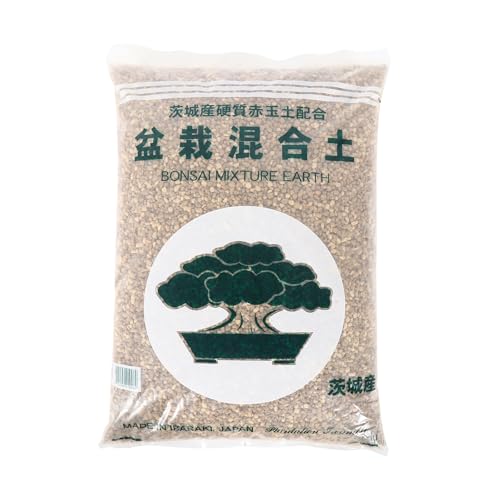
Traditional Japanese potting materials trusted by bonsai masters and plant enthusiasts worldwide. Mimics natural growing conditions, supporting healthy root development for bonsai, succulents, and more
Pruning Techniques
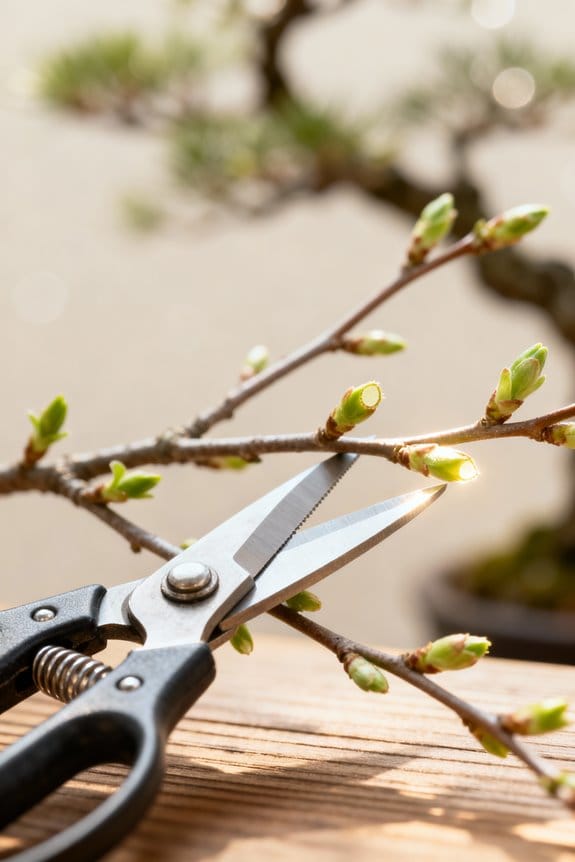
Pruning techniques play an important role in shaping a bonsai tree’s growth and appearance. Early spring is the perfect time for light pruning of new shoots. This approach helps prevent excessive thickness in upper branches while encouraging vigorous growth below. It is essential to wait until new growth hardens off before undertaking heavy pruning. This allows the bonsai to use its energy reserves effectively. For pines, pruning new shoots should occur from June to mid-July to control branch length and promote better ramification. Using sharp bonsai shears can facilitate clean cuts, minimizing damage and encouraging healthy regeneration. Regular monitoring after pruning is crucial to guarantee that peak growth patterns are maintained and adjustments can be made as necessary. Choosing the right tools, like bonsai pruning saws, can enhance precision and efficiency in maintaining the desired tree shape.
Recommended Products
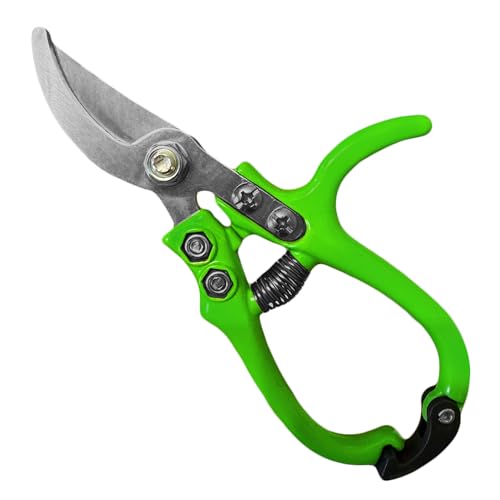
HIGH CARBON STEEL BLADE: Modern ergonomic design, with a high carbon steel blade for extra sharp cuts and extended durability. Perfect for trimming, deadheading, pruning, and snipping plants and bonsai!

These traditional bonsai scissors are designed for accurate trimming and deadheading that won't harm your plants - ideal for bonsai pruning, cutting branches and roots, and anything where quick snips and clean cuts are a must!

CONTENTS Comes with 30 Trunk Splitter Tools
Wiring Considerations
Wiring plays an essential role in shaping a bonsai tree’s structure, just as pruning contributes to its overall health and aesthetic. In spring, however, careful consideration is needed. The rapid growth during this seasonal period can make branches more susceptible to wire bites, leading to permanent scarring. Therefore, major wiring should be avoided. If adjustments are necessary, keep them minimal and avoid large bends that could damage newly sprouted branches. Always make certain that the branches have reached adequate thickness before wiring them. This strategy helps preserve healthy growth patterns and the tree’s integrity. Utilizing slow-release fertilizers can maintain stable nutrient levels during this period, supporting robust growth and minimizing stress. Ultimately, for best results, plan to conduct major wiring during the tree’s dormant seasons when recovery and shaping are more manageable.
Recommended Products

JAPANESE BONSAI TOOL SET WITH BAG: Made in Japan authentic professional bonsai tool set. These tools can be used for various kinds of bonsai work such as pruning, cutting, daily trimming, wire bending and cutting, jin making, moss and soil cleaning, and repotting work. ALL items are produced and finished by a blacksmith and craftsman in Nigata Tsubame Sanjo, a city of Japanese leading cutlery town.

Upgrade Your Bonsai Skills with Professional Bonsai Tool Sets. All-Inclusive Essentials: Covers every necessary tool for bonsai pruning, shaping, wiring, and maintenance, no extra purchases needed.

【Specification】【Scissors】 Size: L 7.08 x W 3.74 x H 0.67 in (180mm x 95mm x 17mm) | Length of Blades: 2.04inches(52mm) | Weight: 5.5oz (156g) | Material: S58C black carbon steel | Made in Japan (Niigata prefecture) 【Concave Branch Cutter】Size: L 7.87 x W 1.96 x H 0.78 in (200 x 50 x 20 mm) | Length of Blades: 0.98 in (25 mm) | Weight: 6.7 oz (190 g) | Material: S55C Carbon steel | Black Coated | Made in Japan (Niigata prefecture)
Fertilizing Practices
As spring awakens bonsai trees from dormancy, appropriate fertilizing practices become essential for promoting robust growth. Beginning early in the season, gardeners should use slow-release organic foods or diluted liquid fertilizers like Green Dragon Bonsai Food or Miracle Gro. For tropical bonsai trees, fertilization should increase when they actively grow, typically around mid-May. It is critical to choose low nitrogen fertilizers to guarantee balanced growth, promoting strong roots alongside vibrant new foliage. Each bonsai’s needs will differ, especially between refinement and developmental stages, which requires tailored fertilizing approaches. Consistent fertilization during the growing season fosters vigorous development, making it important for trees that are actively producing new foliage and expanding their roots. To ensure optimal growth, consider a balanced nutrient ratio like 3-1-2, which is suitable for various bonsai species’ needs.
Recommended Products

Hand watering: mix 1 tsp. Foliage Pro per gallon of water and apply weekly or 2 tsp. And apply every 2 to 4 weeks

Dyna-Gro Bloom 3-12-6 is a low nitrogen, high phosphorus formula

New Japanese Biogold Original Bonsai Fertilizer
Watering Adjustments
With the growing season in full swing, proper watering practices become increasingly important for bonsai care. As spring arrives, increasing the watering frequency is essential to support new growth and guarantee soil moisture levels are adequately monitored. Utilizing the Finger Test Technique helps assess moisture levels. By inserting a finger into the soil, bonsai caretakers can prevent overwatering. Thoroughly watering the bonsai until water drains from the bottom of the pot promotes healthy root development and prevents dehydration. Additionally, monitoring for signs of thirst, such as wilting leaves and drooping branches, helps gauge when to adjust watering practices. It’s crucial to remember that moderate watering is needed, and the frequency may vary with conditions. As temperatures rise, it may be necessary to modify your routine based on your specific environment and conditions.
Recommended Products

Please do not water it! What we have is the maintenance-free preserved moss which is made with real, fresh moss. Preserved moss will keep green for many years without any maintenance or water use at all.

Innovative and simple reservoir to provide fuss free self watering

Immersive Japanese Sakura Scene: Step into a world of pink petals and gentle tram rides. This 3150-piece building set recreates an iconic cherry blossom landscape featuring a moving vintage tram, a curved stone bridge, blooming hydrangeas, and koi swimming beneath. More than a build — it’s a moment of calm and Japanese-inspired beauty
Monitoring for Pests
How can bonsai caretakers effectively monitor for pests during the essential spring season? In early spring, as new growth unfolds, pest activity can increase, necessitating vigilance. Caretakers should regularly inspect bonsai trees for common pests like Scale, Mealybugs, and Aphids. Signs of infestations include discolored leaves, webbing, or sticky residue, indicating that pests may be present. To promote healthy trees, it is important to maintain proper care and knowledge about pest behaviors. Should infestations occur, employing several applications of insecticides can help manage and eliminate the problem; however, always follow product instructions. By introducing beneficial insects such as ladybugs, caretakers can naturally reduce mite populations and enhance bonsai health. By monitoring for pests and addressing issues promptly, caretakers can guarantee the vitality and health of their bonsai trees throughout the spring months.
Sunlight Requirements
Sunlight is an essential ingredient in the care of bonsai trees, influencing their growth and overall health. Bonsai requires at least 5-6 hours of indirect sunlight daily to thrive. Placing bonsai trees near a south-facing window is ideal, but sheer curtains should be used during peak sun hours to protect leaves from scorching. Seasonal changes often require adjusting outdoor placement, especially during the shorter days of winter. Each week, rotating the bonsai pot a quarter turn promotes even exposure to sunlight, preventing the tree from leaning. It is crucial to recognize that different species have specific light requirements, with some needing more sunlight than others. Monitoring these needs guarantees robust growth and long-lasting health for bonsai trees. Bonsai beech trees, for instance, prefer partial shade positioning to protect leaves from sunburn and maintain ideal temperatures.
New Growth Management
Managing new growth in bonsai trees during the spring requires keen observation and timely intervention. As trees enter their peak growing season, monitoring new growth is essential. Selectively prune new shoots to maintain branch structure and control thickness, allowing lower branches space to flourish. For broadleaf trees like Japanese maples, pinch back vigorous new buds to encourage a refined shape and denser foliage. It is critical to guarantee that new growth has hardened off before performing heavy pruning, as this helps trees recover their energy and maintain vigor. Additionally, consider conducting shaping interventions, such as pinching and wiring, on actively growing bonsai to enhance aesthetics and preserve plant health without causing undue stress. Using ergonomic designs in bonsai tools can significantly reduce hand fatigue and improve comfort during these extended gardening sessions.
Documenting Progress
Tracking progress represents an essential aspect of bonsai care that can enhance the overall gardening experience. To effectively document your tree’s journey, consider using photographs and journals. Capture images of your bonsai at different stages, ensuring you can visualize the effects of your care techniques. Additionally, record details of activities like pruning, repotting, and fertilizing. This practice helps identify patterns in your tree’s growth and informs future decisions. Observing health indicators, such as leaf color or bud development during spring, offers insights on how well your care aligns with the seasonal changes. By noting various outcomes from experimentation, such as new wiring strategies, you further refine your bonsai care practices for continuous improvement. Regularly using sticky traps can also help monitor pest presence and inform your care strategies.
Frequently Asked Questions
What Is the Rule of 3 in Bonsai?
The Rule of 3 in bonsai involves pruning techniques that cut back branches to three leaves, enhancing growth benefits. This method facilitates three stages of development, harmonizing new growth with an appropriate watering schedule for overall vigor.
When to Fertilize Bonsai in Spring?
Spring fertilization timing for bonsai occurs when buds swell, indicating active growth. Recommended bonsai fertilizer types include organic options like Green Dragon and synthetic alternatives. Watch for signs of nutrient deficiency to adjust application accordingly.
How Do You Take Care of a Bonsai Tree in the Fall?
In autumn’s embrace, a wise gardener tends to their bonsai. They practice gentle fall bonsai watering, employ meticulous bonsai pruning techniques, consider autumn bonsai repotting, and prepare their cherished trees for the coming winter’s chill.
What to Do With Bonsai in September?
In September, bonsai care involves careful pruning, reduced fall watering, and diligent pest prevention. It’s also an opportune time for seasonal repotting to prepare the trees for the upcoming changes in temperature and dormancy.


