As an Amazon Associate, we earn from qualifying purchases. Some links on this site are affiliate links at no extra cost to you. Our recommendations are based on thorough research and editorial judgment.

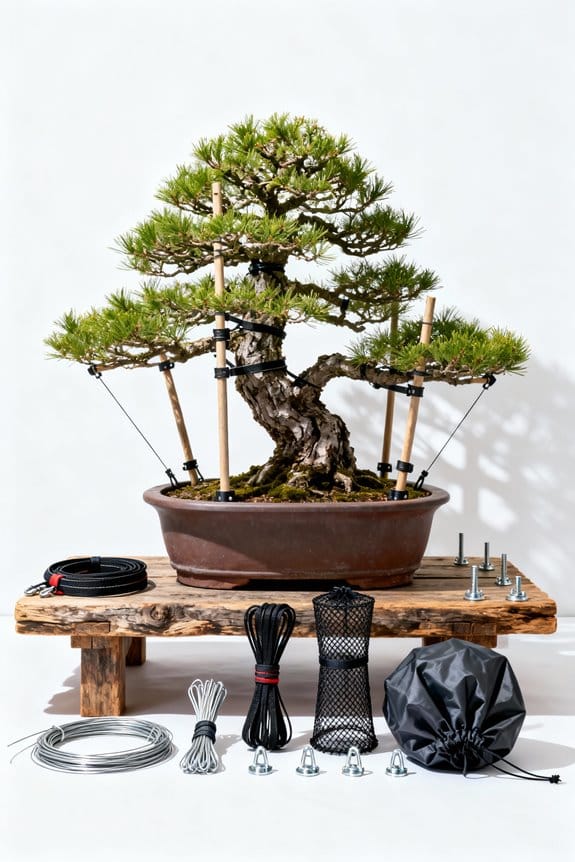
How to Protect Bonsai From Strong Wind and Storm Damage

To protect bonsai trees from strong winds and storm damage, choose sheltered spots like areas near walls or taller plants. Create windbreaks using dense hedges or bamboo screens to disrupt harmful wind flows. Stabilize your trees by using heavy pots and anchoring them with deep stakes at an angle. Regularly check and adjust stakes as your bonsai grows. Additionally, maintaining proper soil moisture will enhance overall health. Exploring more techniques can guarantee your bonsai remains resilient in harsh conditions.
Key Takeaways
- Identify sheltered locations for your bonsai, such as near walls or taller plants, to minimize wind impact.
- Create effective windbreaks using dense hedges, bamboo screening, or trellises to disrupt strong wind flows.
- Use heavy pots to lower the center of gravity and enhance stability during high winds.
- Anchor bonsai with deep, angled stakes and secure with weather-resistant wiring for added support.
- Regularly monitor local wind conditions and inspect bonsai for stability issues or damage signs.
Understanding Wind Damage
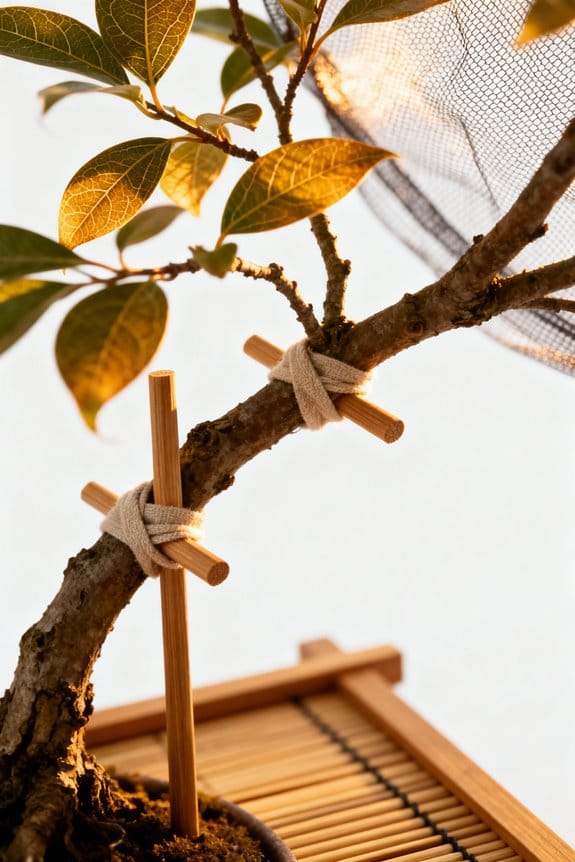
Wind can be an unforeseen enemy for bonsai trees, causing serious damage in a matter of moments. Strong winds can lead to branch breakage, trunk leaning, and even the complete toppling of these delicate plants. Conifers, with their dense foliage, are particularly vulnerable due to weak structures. Understanding local wind patterns is essential for protecting bonsai trees. Coastal areas may experience consistent winds, while mountainous regions can have gusty, unpredictable currents. Recognizing these patterns helps bonsai caretakers place their trees wisely and employ effective protection measures. Regularly monitoring wind conditions and being proactive can greatly minimize the risk of wind damage. To further safeguard your bonsai, consider using eco-friendly materials to anchor pots securely and reduce the risk of toppling. This attention to detail guarantees that years of nurturing are not undone in a single storm.
Selecting Sheltered Locations
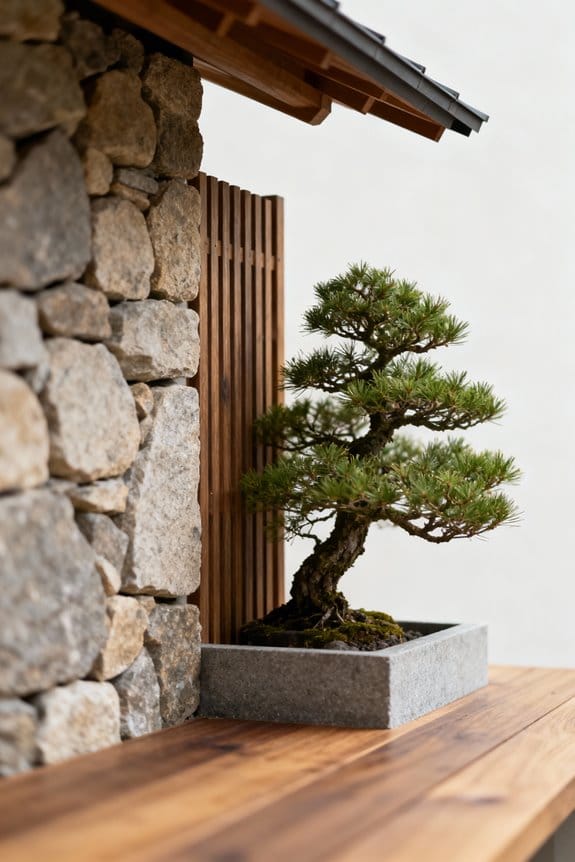
Choosing the right location for bonsai trees is essential for their health and protection. Observing natural wind patterns helps identify sheltered locations that guard against prevailing winds known for causing damage. Positioning your bonsai near solid structures, like walls or fences, can markedly reduce wind speed and turbulence behind them. Additionally, sheltered corners or areas behind taller plants can offer a buffer from stronger gusts. Avoid open spaces where wind can intensify, and seek natural protection instead. It’s also wise to regularly check weather forecasts and be proactive about moving bonsai to more sheltered locations before severe wind events. This careful positioning guarantees better protection, allowing bonsai to thrive despite the challenges of strong winds. Selecting Japanese Bougainvillea ensures vibrant blooms while maintaining low-maintenance care, which is especially beneficial when protecting bonsai from environmental stressors.
Recommended Products

Heavy Duty Construction: The actual height of the 3-foot product is 35 inches. Crafted from high-density polyethylene, these privacy fence panels guarantee exceptional strength, resistance to fading, and long-lasting durability

Premium Quality: Bamboo fence is made of natural Eco-friendly material, that is strong, durable. Our bamboo fence is hand-picked, after cleaning, air-drying, heat-treatment, and they are selected from McClure with excellent strength and elasticity, last long life.
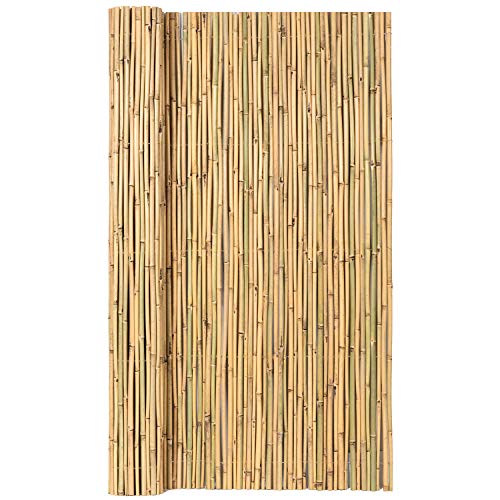
QUALITY - Our premium tonkin bamboo fence are all hand made, using the well selected quality bamboo from the subtropical monsoon climate region. Very strong and flexible. durable for several seasons. Made from a eco friendly material, harmless to the human body and the environment. Clean bamboo surface, simple and clear appearance creates a fresh look for your garden!
Creating Effective Windbreaks
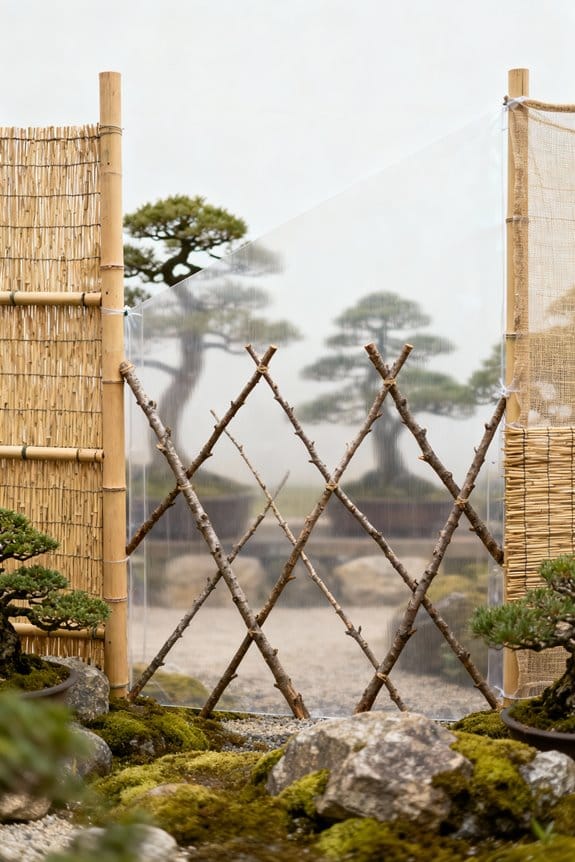
Creating effective windbreaks is vital for protecting bonsai trees from strong gusts. These barriers can include dense hedges or large plants that help reduce wind speed. Such arrangements can lessen wind force by up to 30 times their height. However, solid fences may create turbulence on their leeward side, complicating bonsai placement. Observing local weather patterns is important for designing customized windbreaks. Strategically positioning bonsai near structures that redirect wind, such as walls or natural landscapes, can provide significant protection. Additionally, using materials like bamboo screening or trellises can disrupt harmful wind patterns. By carefully incorporating these suggestions, bonsai owners can effectively safeguard their trees from potential storm damage and guarantee healthier growth. Regular testing of bonsai soil nutrients is recommended for optimal plant health, as it helps identify deficiencies early and allows for timely corrective actions.
Stabilizing Techniques Overview
Protecting bonsai trees from strong winds doesn’t end with effective windbreaks; stabilizing techniques play a critical role in enhancing their resilience. One effective method includes employing heavy pots made of durable materials, like ceramics, which lower the center of gravity and reduce the risk of tipping when wind blows. Additionally, using stakes driven deep into the soil can help anchor the pots securely, preventing them from toppling over. Regular inspections are essential for identifying any signs of instability or damage. For extra security while maintaining aesthetics, consider using weather-resistant wiring to connect the bonsai to its pot. By incorporating these techniques, bonsai enthusiasts can greatly improve their efforts in protecting their bonsai during stormy conditions. Moreover, seasonal care adjustments are crucial for maintaining the health and stability of bonsai trees, ensuring they are well-prepared to withstand harsh weather conditions throughout the year.
Anchoring Trees With Stakes
Anchoring bonsai trees with stakes is a practical method for enhancing their stability in the face of strong winds. To begin, stakes should be driven deep into the soil around bonsai pots, especially if the trees are top heavy. This guarantees they remain upright despite the force of the wind. It is important to choose durable materials like wood or metal for the stakes to prevent damage while providing support. Positioning the stakes at an angle can help distribute the wind’s force evenly across the bonsai, improving protection. Securely wiring or tying the bonsai to the stakes maintains its upright position, safeguarding branches and trunk. Regularly inspect and adjust stakes to guarantee stability as the bonsai grows and weather conditions change. Using stainless steel bonsai trimming scissors can help maintain the health and aesthetics of your bonsai, ensuring clean cuts and preventing damage.
Recommended Products

DURABLE CONSTRUCTION - This YITAHOME aluminum patio gazebo boasts a robust black powder-coated aluminum frame that resists weather elements, fading, rust, and corrosion. Stability is further ensured by ground stakes in the feet and reinforced corners, offering durability and safety for all kinds of outdoor activities.

ENGINEERED FOR ENDURANCE - Crafted from heavy-duty aluminum, YITAHOME gazebo features a sleek black powder-coated finish that stands defiant against rust, corrosion, and UV fading. For unwavering stability, it includes 3 expansion bolts as well as 3 ground stakes and reinforced corner joints, ensuring a safe, sturdy shelter for every outdoor occasion.

Ideal for Small backyards or homes where space is an issue; place on a deck, patio, or balcony
Choosing Heavier Pots Matters
Selecting heavier pots is essential for guaranteeing the stability of bonsai trees during strong winds. Heavier ceramic pots offer superior stability compared to lighter, plastic alternatives, making them ideal for windy locations. Choosing pots that are wider and lower can further enhance stability, helping to minimize drag from wind forces. Additionally, filling pots with gravel increases their weight, preventing movement during gusty weather and providing extra support for the trees. It is important to select pots that are appropriately sized for the height of the bonsai, as size plays a vital role in stability. By prioritizing heavier pots, bonsai enthusiasts can better protect their trees from potential storm damage and guarantee their longevity. Drainage features are crucial in these pots to prevent water accumulation, which could otherwise destabilize them during heavy rainfall.
Recommended Products

Measure bottom of display item, choose 8.5", 9.5", 10.5", 11.5", 12.5", 14.5", 15.5" diameter

MEDIUM SIZE FOR GROWING PLANTS: Each ceramic plant pot features a 1.9-gallon soil capacity that provides space for growing small plants, herbs, and flowers. The planters each measure 11.75" outer top diameter (10" inner top diameter) x 6" outer base diameter (5.5" inner base diameter) x 9.5" H outer (9" H inner) and weighs 11 lbs. They each have a 1" drainage hole in the bottom.

Top quality, high temperature fired, Chinese vitreous porcelain
Maintaining Soil Moisture
Windy conditions can lead to rapid moisture loss in bonsai soil, making regular monitoring of moisture levels vital. A bonsai artist should water their trees before anticipating strong winds, as this added weight helps stabilize the pots against tipping. In addition, applying mulch on the soil surface plays an important role in maintaining soil moisture, providing a barrier that retains hydration for longer periods. It’s also important to adjust the watering schedule based on wind conditions; strong winds can increase water loss, requiring more frequent hydration. By regularly checking soil moisture levels, bonsai artists can guarantee their trees remain hydrated and resilient, ultimately helping them withstand potential wind damage and thrive in challenging environments. Additionally, using bonsai humidity trays can be an effective way to maintain the necessary moisture levels and prevent root rot, further protecting the bonsai in windy conditions.
Recommended Products

ORGANIC MULCH: With this Miracle-Gro Organic All Natural Mulch bulk pallet, you can cover your biggest landscaping and gardening projects

✅ 🌱 Enhanced Growth: Experience accelerated growth and vibrant foliage with our meticulously crafted blend of top-quality 100% natural ingredients.

General Purpose Topsoil: Ensure your indoor and outdoor plants always receive optimal nutrients with this succulent soil mix that’s ready to use out of the bag
Frequently Asked Questions
How Do You Protect a Bonsai Tree From Wind?
To protect a bonsai tree from wind, one should employ wind shielding techniques, enhance bonsai pot weight, utilize strategic tree positioning strategies, and consider protective wraps to minimize potential damage and guarantee stability and health.
What Is the Rule of 3 on a Bonsai Tree?
The Rule of 3 in bonsai care emphasizes tree stability through a primary trunk, secondary branches, and tertiary foliage. This structure accounts for environmental factors while ensuring root protection, enhancing the overall aesthetic and balance of the tree.
How to Protect Plants From Wind Storms?
Like warriors in a gale, plants withstand storms best when shielded. Employ wind barriers, optimize plant position, enhance soil stability, and guarantee container weight are carefully considered to fortify against nature’s unpredictable blasts.
How Do You Protect a New Tree From Wind?
To protect a new tree from wind, utilize appropriate pot selection, reinforce root stability, implement effective pruning techniques, and position the tree in sheltered locations to minimize exposure to strong gusts and turbulence.


