As an Amazon Associate, we earn from qualifying purchases. Some links on this site are affiliate links at no extra cost to you. Our recommendations are based on thorough research and editorial judgment.

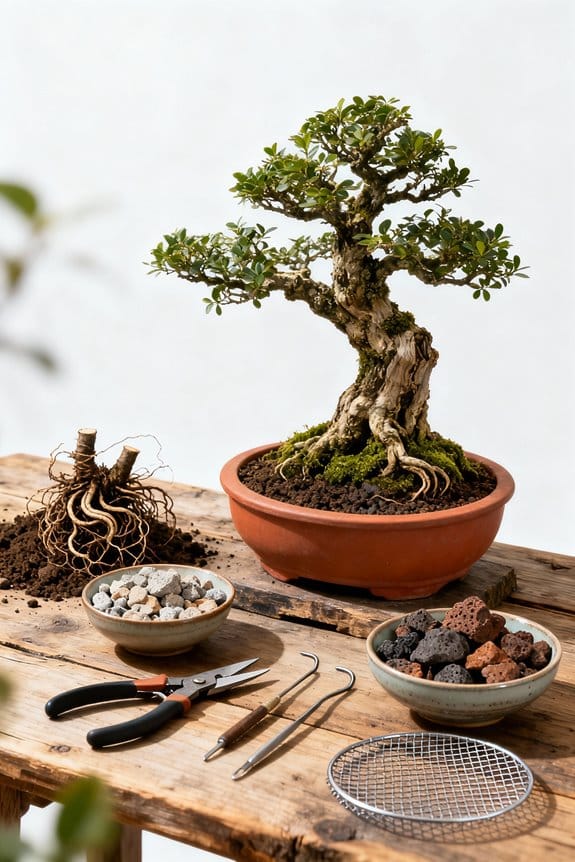
How to Tell If Your Bonsai Needs Repotting

To determine if a bonsai needs repotting, look for visible roots above the soil or through drainage holes. Stunted growth, curling leaves, and lightweight pots are also signs. Pay attention to soil health; if it dries quickly or emits an unpleasant odor, it’s time to repot. Ideal repotting occurs in early spring during active growth. After repotting, water the bonsai immediately and monitor for stress signs like leaf drop. There are many ways to guarantee a successful change.
Key Takeaways
- Look for visible roots above the soil or through drainage holes indicating root binding.
- Observe stunted growth, which suggests the pot is full and roots cannot expand.
- Check for curling or wilting leaves that indicate restricted water and nutrient absorption.
- Monitor for quickly drying soil after watering, signaling tightly bound roots or poor soil structure.
- Identify any unpleasant odors or signs of root rot, suggesting a toxic or unhealthy root environment.
Signs of Root Binding
When a bonsai tree begins to show signs of root binding, it is essential for the caretaker to recognize these symptoms early. One clear signal is visible roots emerging above the soil or growing out of drainage holes. Additionally, if the bonsai exhibits stunted growth, it may indicate that root growth has filled the pot, leaving little room for expansion. Curling or wilting leaves often suggest the tree struggles to absorb enough water and nutrients due to restricted roots. Moreover, pulling the tree from its pot may reveal a dense root mass with scarce soil. Finally, a lightweight pot or rapidly drying soil can indicate tightly bound roots, highlighting the urgent need for repotting. It is crucial to choose bonsai soil that promotes healthy root growth and prevents rot when repotting.
Recommended Products

HOW TO USE: To use this plant soil for potting, fill a container about 1/3 full with potting mix, place your plant in the soil, and fill the rest of the pot, pressing lightly

JAPANESE BONSAI TOOL SET WITH BAG: Made in Japan authentic professional bonsai tool set. These tools can be used for various kinds of bonsai work such as pruning, cutting, daily trimming, wire bending and cutting, jin making, moss and soil cleaning, and repotting work. ALL items are produced and finished by a blacksmith and craftsman in Nigata Tsubame Sanjo, a city of Japanese leading cutlery town.

CONTENT 30x each of the following: Root Pick and Root Rake
Soil Health Indicators
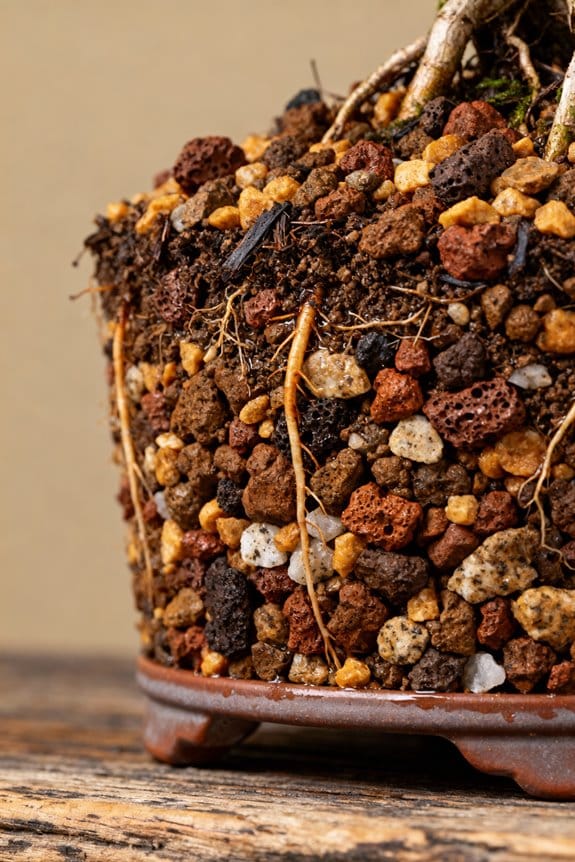
Recognizing the signs of root binding can guide bonsai caretakers on when to repot, but understanding soil health indicators is equally important. Poor drainage or water pooling on the surface of bonsai soil means it may be compacted or degraded. If roots are pushing through the pot’s bottom, this indicates limited aeration, necessitating repotting. Additionally, if the soil dries too quickly after watering, its structure might be deteriorating, which can affect root health. An unpleasant odor or root rot signals a toxic environment, making immediate repotting vital. Regularly checking the soil moisture levels can help detect problems. Both over-saturation and excessive dryness suggest that repotting two might be needed to guarantee the bonsai thrives. A balanced pH level between 6.0 and 7.0 is crucial for nutrient absorption and overall plant health, so monitoring this can help determine when a soil change is necessary.
Recommended Products

Horticultural Grade Vermiculite: Premium organic fine vermiculite, ideal for potting soil for orchids, indoor plants, and succulents. Enhances water retention and nutrient availability for robust growth.

🌱 Gardenera's Organic Growing Premium Potting Soil Mix is a carefully crafted blend of 100% natural ingredients for optimal plant growth and vitality.
![GARDENERA Premium Bonsai Soil All Purpose Fast Draining Mix - 20 Quart - Pumice, Lava, Calcined Clay and Pine Bark Potting Pre Mixed Bonsai Plant Soil Mixture [4 Bags of 5QT]](https://m.media-amazon.com/images/I/515G4We0ZoL._SL500_.jpg)
🌳 Created By Bonsai Experts: All-Purpose bonsai soil blend providing optimum growth for your bonsai trees.
Leaf Condition Observations
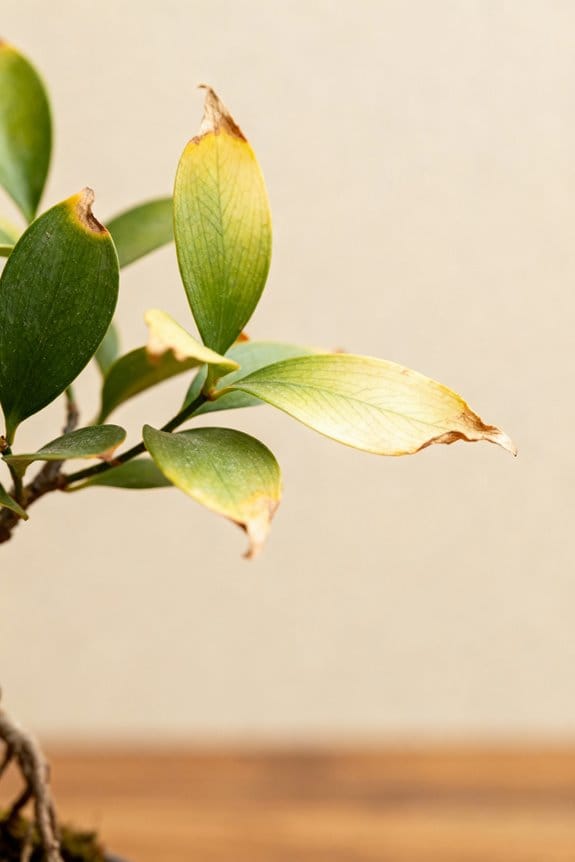
How can one determine if a bonsai’s leaf conditions indicate a need for repotting? Observations of leaf condition can provide key insights. If the leaves are curling, yellowing, or dropping prematurely, these symptoms suggest stress from root binding or poor soil conditions, signaling a need for repotting. Additionally, if flowers bloom while leaves remain unhealthy, the tree may be struggling due to confined roots. Visible roots circling the pot or emerging from drainage holes are strong indicators of root binding and require immediate attention. If the topsoil dries rapidly despite regular watering and leaves show stress, the soil may be degraded, which also calls for repotting. Unhealthy leaves persisting into the growing season further confirm this need. Regular cleaning of the bonsai pebble trays can also help maintain plant health by preventing algae growth and ensuring proper moisture levels.
Timing for Repotting
Determining the right time for repotting a bonsai is essential for its health and growth. The ideal timing of year for repotting is early spring, particularly between April and June, when trees actively grow. For deciduous trees, repotting is needed every time their buds crack open. In contrast, evergreens can be repotted when they show genuine signs of new growth. Local climate variations also play a role; regions in the south may experience spring earlier than those in the north. It’s important to avoid being misled by warm late winter days that could lead to premature repotting. Always monitor the tree’s health and stay aware of changing weather conditions to make necessary timing adjustments. Selecting eco-friendly materials like soy wax for bonsai candles can complement the natural aesthetics of your bonsai, adding both style and safety to your living space.
Recommended Products

【100% Natural Stones 】Our 3lb stones are mixed of red lava rock, black lava rock, maifanitum, and green mineral stones that provide essential mineral trace minerals for your plants to grow.

🌱【Ready-to-use Pre-mix】: Simplify repotting your Bonsai and other plants with our premium, fast-draining Bonsai potting soil mix. It comes pre-mixed and sifted for your convenience.

✅ BONSAI MIX FORMULATED BY PROFESSIONALS - A bonsai soil mix ready to use that provides optimum pH levels for healthy growth of bonsai plants
Post-Repotting Care Essentials
Taking care of a bonsai after repotting is essential for its recovery and continued growth. Immediately after repotting, the bonsai should be watered to establish moisture in the soil. This helps support the recovery of large roots. During the following weeks, regular checks for soil moisture are necessary, keeping the soil damp but not overly wet. Monitor the tree for any signs of leaf drop, as this may indicate stress from root removal. To minimize shock, place the bonsai in dappled sunlight for one to two weeks. Be attentive to the tree’s condition, adjusting post-repotting care as needed. If challenges arise, seeking assistance can guarantee the bonsai thrives in its new pot. It’s beneficial to utilize ergonomic designs in gardening tools to mitigate hand fatigue during extended care sessions.
Recommended Products

NATURAL FIR WOOD -- This raised garden bed is made of solid fir wood, known for its strength and stability as well as natural resistance. The selected quality material helps this garden bed won’t crack easily

BUILT TO LAST – The Bosmere Copper Watering Can is crafted from 100% copper with brass finish to provide you with a durable watering can that is as functional as it is beautiful.

Brass Finish + Rust Resistant: This brass watering can is crafted from high-quality stainless steel with a warm, polished finish that resists rust, tarnishing, and daily wear; unlike plastic or low-grade metal alternatives, this stainless steel watering can offers both durability and elegance; a beautiful yet functional choice for those seeking a decorative watering can that withstands everyday indoor or balcony use
Frequently Asked Questions
How Do I Know if My Bonsai Needs Repotting?
Like a ship seeking open waters, a bonsai shows signs of repotting when roots break through the pot’s bottom, soil becomes compacted, or the plant exhibits stress. Employing best potting techniques guarantees its thriving journey.
What Is the Rule of 3 in Bonsai?
The Rule of 3 in bonsai encompasses repotting techniques that recommend every 2 to 3 years, cautiously removing one-third of the root mass to promote bonsai health, ensuring ideal nutrient absorption and fostering vigorous growth.
How to Tell if a Bonsai Is Root Bound?
A bonsai is root bound if root growth emerges through drainage holes, soil conditions deteriorate rapidly, and noticeable symptoms like leaf curling or stagnated growth occur, indicating the tree needs repotting for ideal health.
When Should I Repot My Bonsai Seedlings?
Bonsai seedlings require repotting annually to guarantee proper growth and nutrient access. The ideal repotting timing is early spring, coinciding with their active growth period, assuring effective seedling care and robust root development.


